Quick answer
Always roll metal dice inside a dedicated dice tray with a soft, padded floor. That single habit prevents almost all table damage. If you roll on bare wood, felt, or glass, even a single heavy d20 can leave dents or scratches. A tray costs less than repairing a table, and it takes only a second to use.
Metal dice feel great in the hand, but they carry real weight. A 25mm countdown die or a 55mm boulder can hit with enough force to dent soft wood or scratch a finish. The fix is not to stop using them—it is to control where they land.
This guide walks through a simple, repeatable process for rolling metal dice safely. You will learn how to pick a surface, set up a tray, and handle oversized dice without risking your table. Each step includes a common mistake to avoid, so you can build a habit that protects your furniture and your dice.
Why metal dice need a different rolling surface
Plastic dice bounce and scatter, but their light weight rarely damages a table. Metal dice are denser and heavier. A standard metal d20 can weigh several times more than a plastic one, and oversized boulders are heavier still. When they land on a hard surface, the impact transfers directly to the table.
Wood tables are especially vulnerable. A sharp edge can leave a visible dent, and repeated rolls in the same spot can wear through a finish. Glass tables risk scratches or chips. Even a felt mat offers little protection because it compresses under the die. A proper tray with a padded floor absorbs the impact and keeps the die contained.
- Check your table material: soft woods like pine dent easily; hardwoods and glass scratch.
- Avoid rolling directly on bare wood, glass, or thin felt mats.
- A tray with a soft interior is the simplest solution for metal dice table protection.
Step-by-step: how to roll heavy dice safely
Start by choosing a tray with a padded or lined interior. Silicone, leather, and velvet-lined trays work well because they cushion the impact. Place the tray on a stable, flat surface where it will not slide. If you are using a large boulder die, make sure the tray is wide enough to contain it without the die hitting the rim.
Next, establish a rolling zone. Roll the die into the tray from a low height—about two to three inches above the surface. Dropping it from higher adds unnecessary force. For very heavy dice, consider rolling gently by hand rather than tossing. After each roll, check the tray for any debris that could scratch the die or the table.
- Common mistake: rolling from too high, which increases impact force.
- Checkpoint: the die should stay inside the tray and land softly.
- For oversized dice, use both hands to lower them into the tray.
Choosing the right tray for metal dice
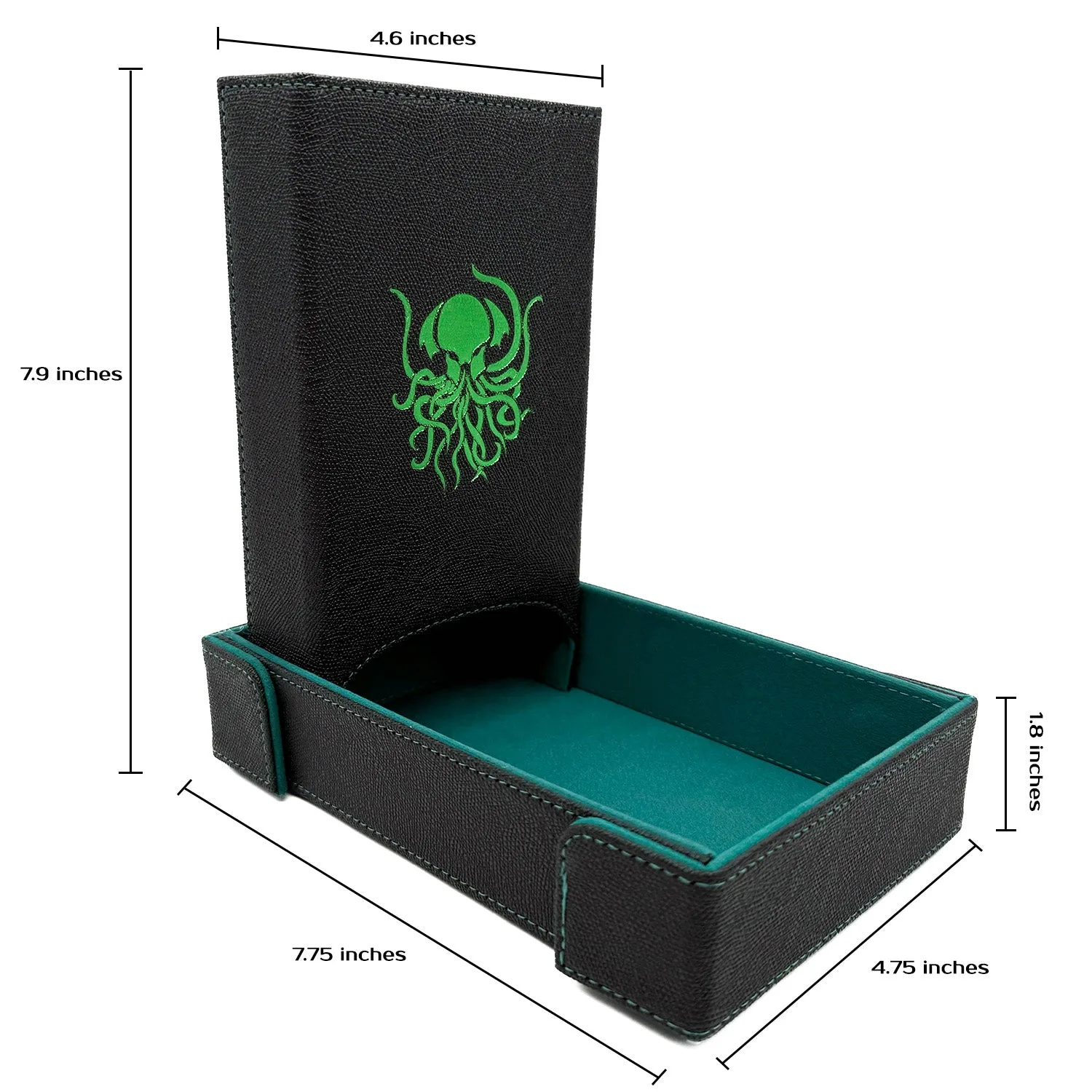
Not all trays are equal. A shallow tray with a hard bottom offers little protection. Look for a tray with a soft, padded floor and raised walls. The Crystal Sully Dice Tray and Nahuel Ventura Dice Tray are designed with materials that cushion heavy dice. Leather trays also work if they have a soft lining.
Size matters. A standard 25mm die needs a tray at least 6 inches across. A 55mm boulder needs a larger tray, ideally 8 inches or more. If the tray is too small, the die may bounce out. If it is too large, the die may travel far and hit the walls hard. Match the tray to your heaviest die.
- Avoid trays with hard, unpadded bottoms.
- Check that the tray walls are high enough to contain a bouncing die.
- For boulder dice, consider a dedicated large tray.
Extra protection for wood tables
If you often play on a wood table, add a protective layer under the tray. A felt mat or a thin neoprene sheet can absorb any accidental bounce. Even a folded towel works in a pinch. This is especially important if your tray has a hard bottom or if you sometimes roll outside the tray.
Also consider the table's finish. A fresh coat of wax or a protective pad can reduce the risk of scratches. But no finish is invincible—prevention is still the best strategy. Keep the tray in the same spot and avoid sliding it across the table, as trapped grit can scratch the surface.
- Place a mat under the tray for extra cushioning.
- Never slide a tray with a rough bottom across a wood table.
- Inspect the tray bottom for grit before each session.
Handling oversized and specialty dice
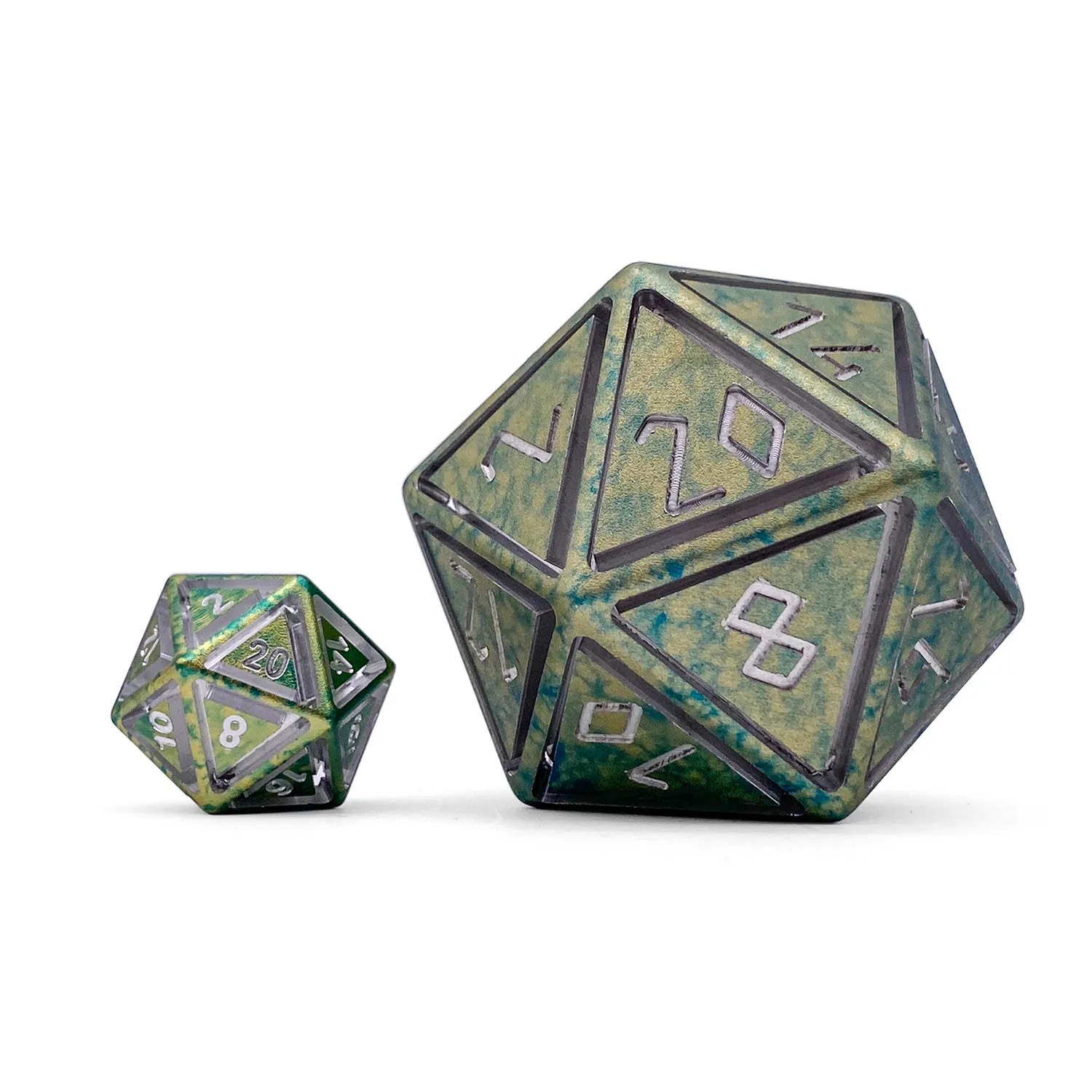
Boulder dice and countdown dice are heavier and often have sharp edges. The Black Lava Metal Countdown Dice 25mm is a good example: it is smaller than a boulder but still metal, so it can dent a table if dropped. The Barbarians Rage - NimbusTM Boulder® 55mm 6063 Aluminum Wondrous Dice is much larger and heavier, so it needs a very sturdy tray.
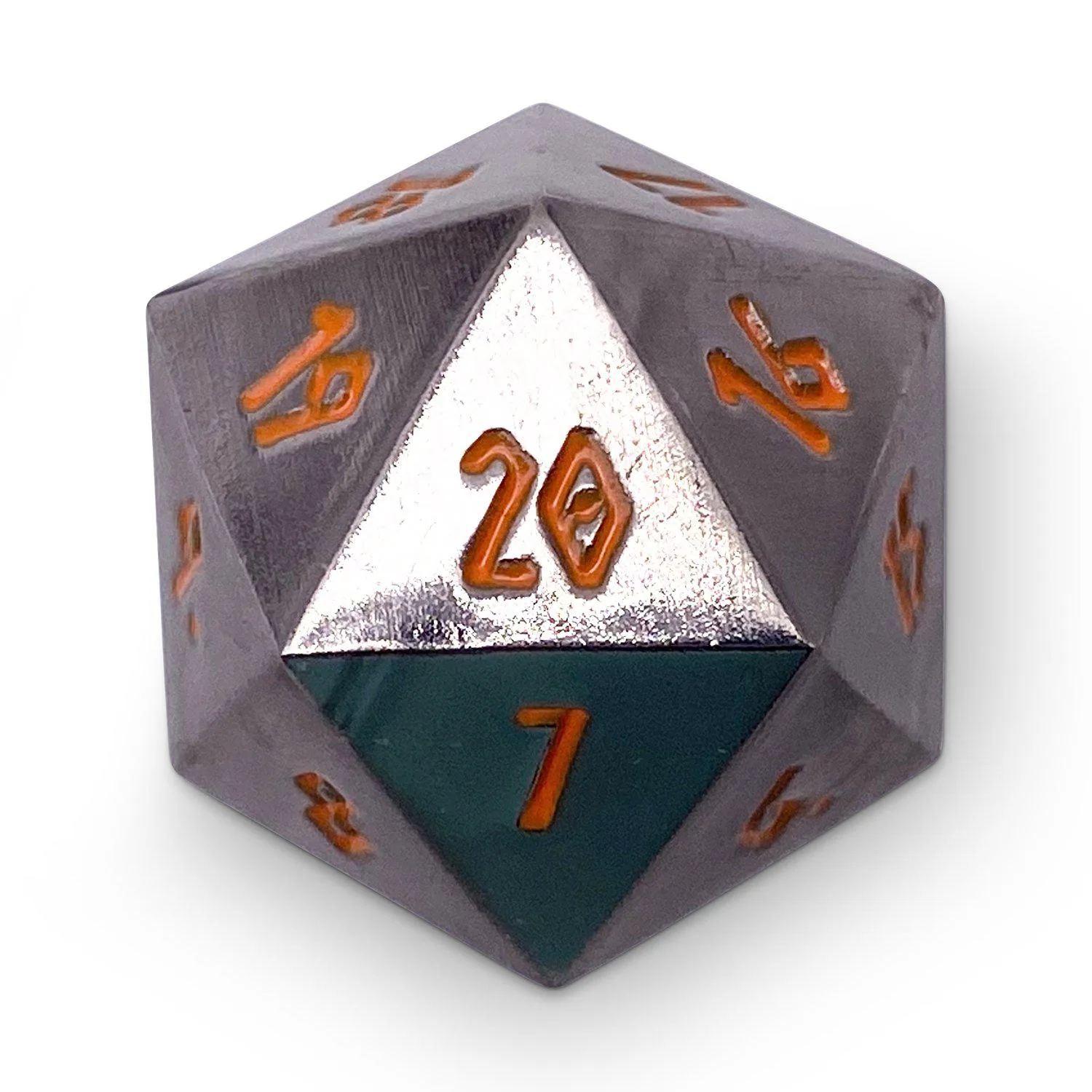
Black Lava Metal Countdown Dice 25mm
For these dice, never roll them across a bare table. Instead, roll them gently into a large, padded tray. If you are using a countdown die for tracking, consider setting it on a soft cloth rather than rolling it repeatedly. The White Howlite - Boulder® 30mm Gemstone Dice is stone, not metal, but it is also heavy and benefits from the same care.
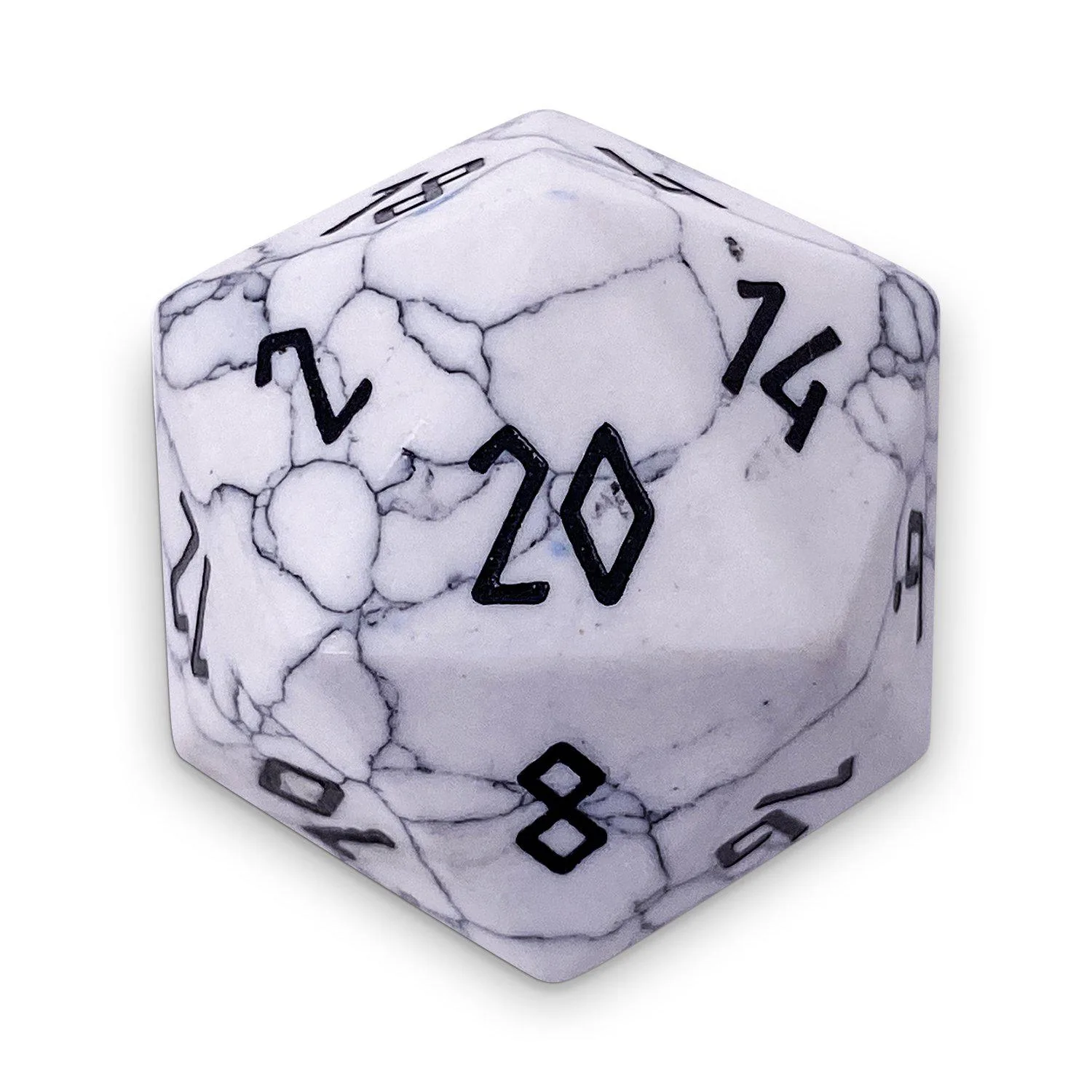
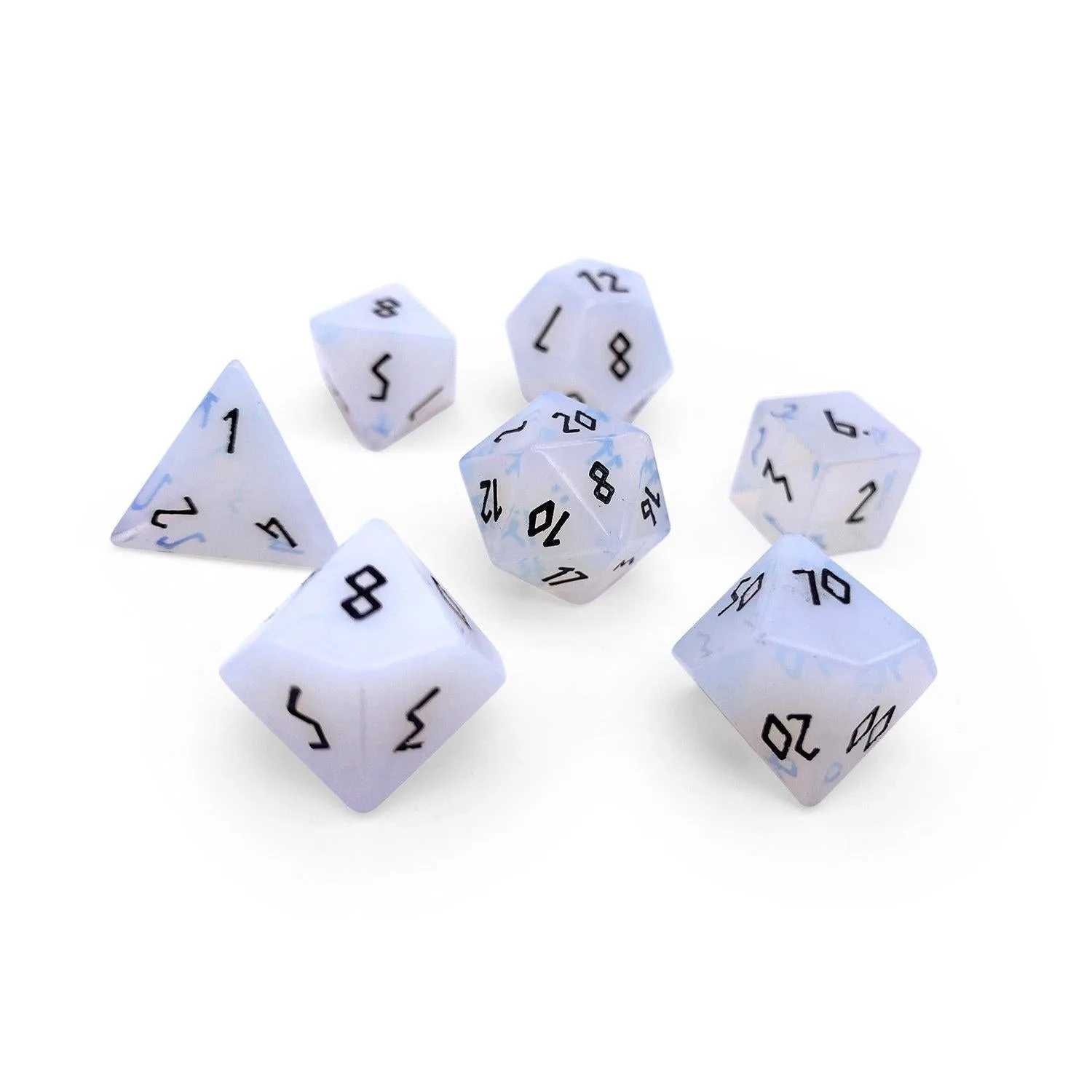
White Howlite - Boulder® 30mm Gemstone Dice
- Use a tray with a soft floor for any die over 20mm.
- For countdown dice, rotate gently by hand instead of rolling.
- Store heavy dice in a padded bag or case to avoid chipping.
Your metal dice rolling checklist
- Pick a padded tray: Choose a tray with a soft interior and walls high enough to contain your heaviest die. Checkpoint: the tray floor should give slightly when pressed.
- Set up on a stable surface: Place the tray on a flat, non-slip area. Add a mat underneath if your table is wood. Common mistake: placing the tray on a slope or uneven surface.
- Roll from a low height: Drop the die from 2–3 inches above the tray. For boulder dice, lower it gently by hand. Checkpoint: the die stays inside the tray and lands softly.
- Inspect after each roll: Check the tray for grit or debris that could scratch the die or table. Next step: wipe the tray with a soft cloth if needed.
- Store heavy dice safely: Keep metal and stone dice in a padded bag or case when not in use. This prevents chips and keeps them ready for the next session.
Metal dice that benefit from careful rolling
- Black Lava Metal Countdown Dice 25mm: This 25mm metal countdown die is designed for RPGs and has a black lava finish. Its metal body can dent a soft table if dropped, so always roll it into a padded tray.
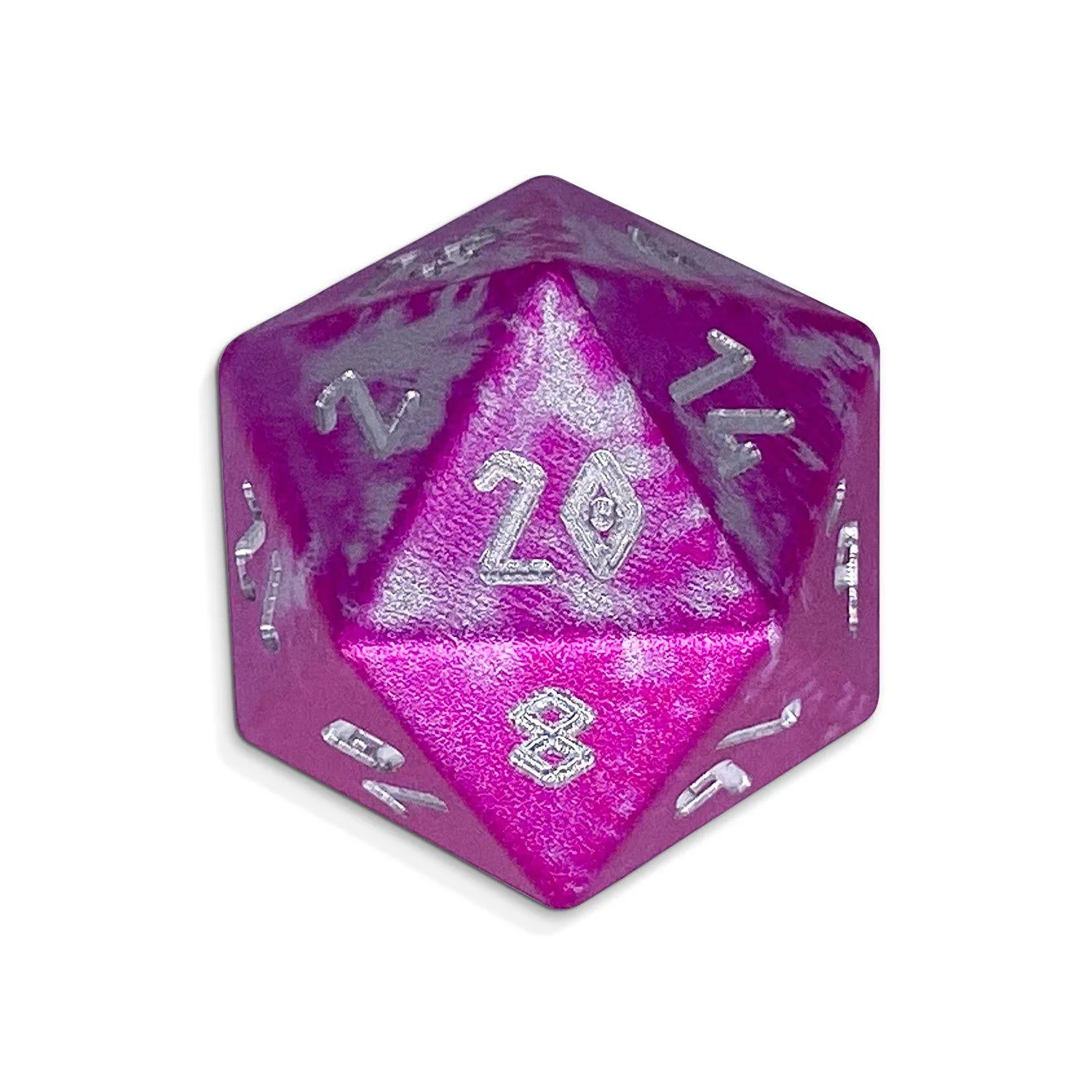
- Lich Purple - Single D20 - Aluminum Dice: This single aluminum D20 is approximately 20mm and weighs 0.5 oz. Lightweight for metal, but still heavier than plastic—a tray prevents scratches on wood.
- White Howlite - Boulder® 30mm Gemstone Dice: This 30mm gemstone boulder die is made from white howlite. Stone dice are heavy and can chip or dent surfaces; use a soft-lined tray.
Rolling metal dice without damaging your table comes down to one habit: always use a padded tray and roll gently. It takes seconds, costs far less than table repair, and lets you enjoy the weight and feel of metal dice without worry. Protect your table, and your dice will last longer too.