Quick answer
Pick one board game first, then build the theme around what that game already does well. Keep the theme to three touchpoints — food, a small prop or two, and a short playlist — so the game stays the main event. Run one long game or two short ones, teach the rules before anyone sits down, and end the night on a win rather than a rules argument.
The best themed game nights do not start with a Pinterest board. They start with a single game you already want to get to the table, and a theme that supports it instead of competing with it. If you have ever spent two hours prepping decorations and twenty minutes actually playing, you know the difference.
This guide walks through the full process in order: choosing the game, picking a theme that fits, planning the food and setup, teaching rules, pacing the evening, and closing it out. Each step includes the mistake that most often derails it, so you can avoid the same trap.
Step 1: Choose the game before you choose the theme
The game determines everything else. A cooperative guessing game wants a different room, a different snack, and a different guest list than a two-player abstract strategy game. Before you buy props or send invites, ask three questions: how many players does it support, how long does a round actually take, and how much table space does it need? A game that runs 45 minutes with four players is a very different evening than one that runs two hours with six.
Match the game to your group's real energy level, not the energy you wish they had. If your friends are chatty and easily distracted, a light party-weight game will land better than a heavy strategy title. If they are competitive and focused, a thinky game rewards that. The theme is easier to build once the game is locked.
- Checkpoint: if you cannot explain the game's win condition in one sentence, it may be too complex for a mixed group.
- Common mistake: choosing a game because the theme is easy to decorate, then discovering nobody wants to play it twice.
Step 2: Pick a theme the game already supports
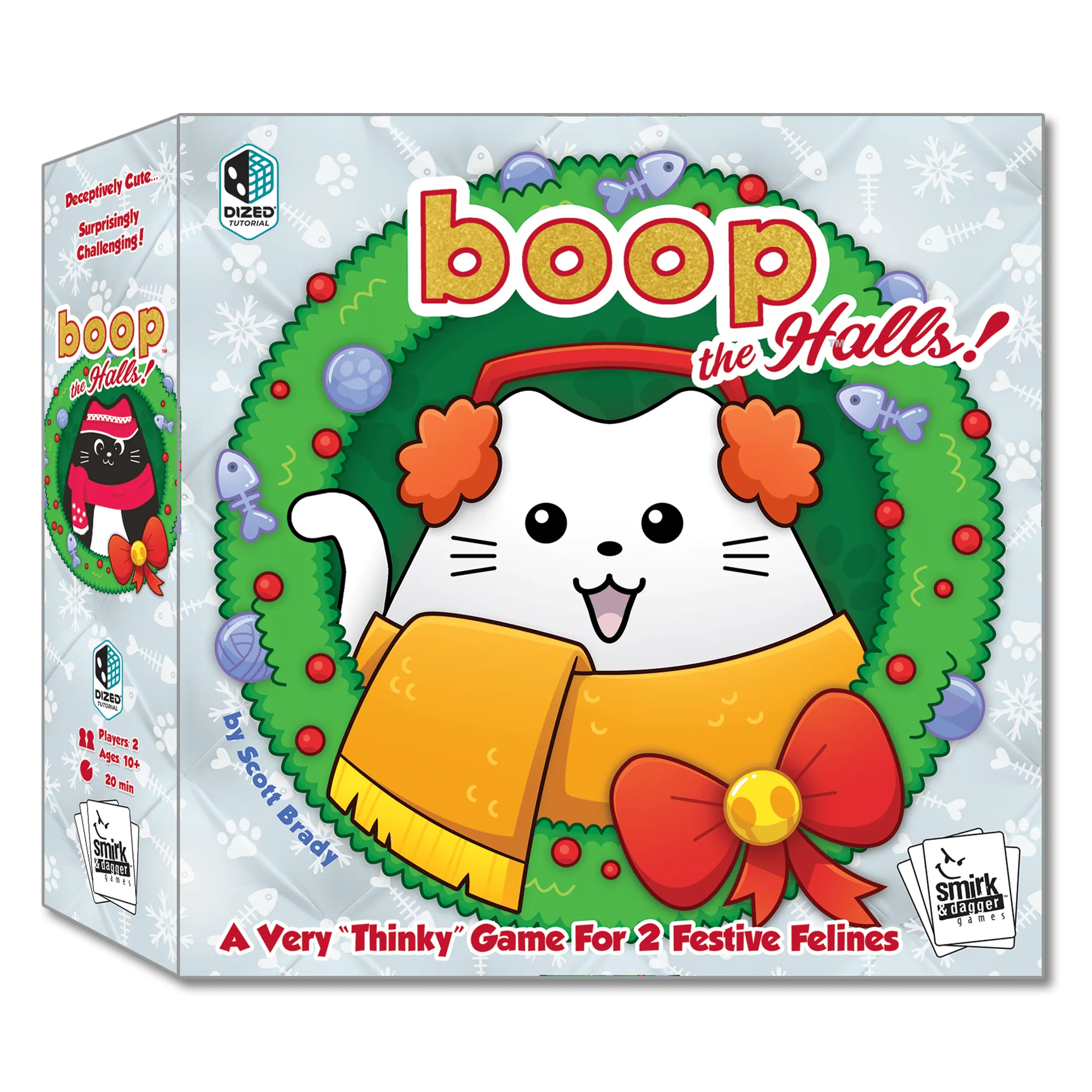
A good board game night theme is a small exaggeration of what the game already is, not a costume party bolted on top. If the game is about fantasy adventurers rolling dice behind a screen, lean into tavern food and low lighting. If it is about cats knocking ornaments off a tree, lean into holiday snacks and a silly playlist. The theme should make the game feel more like itself.
Keep the theme to three touchpoints: one food item, one visual detail, and one sound or activity. That is enough to signal the theme without turning your living room into a set. Guests remember a coherent vibe more than they remember ten decorations.
- Checkpoint: if a decoration would make it harder to see the board or reach the cards, cut it.
- Common mistake: choosing a theme that requires costumes, which raises the barrier for casual guests.
Step 3: Plan food and drinks around the table, not the couch
Game night food has one job: stay out of the way. Finger foods that do not leave grease on cards, drinks in cups with lids or narrow bases, and nothing that requires a knife and fork at the table. If you are playing a game with a lot of card handling, keep snacks on a side table and pause for a real break instead of grazing during turns.
For a themed board game evening, pick one signature item rather than a full spread. A single themed snack plus a pitcher of something is easier to manage and feels more intentional than a buffet. It also keeps your hands free for the game.
- Checkpoint: put a small trash bowl on the table so wrappers do not end up in the box.
- Common mistake: serving messy food during a game with paper components, then wondering why cards stick together.
Step 4: Set up the table so the game can breathe
Setup is where themed nights quietly fall apart. Clear the table completely, including coasters, candles, and anything that is not part of the game. Give each player a defined zone for their cards or pieces, and put the box lid somewhere it will not be knocked over. If the game has a player screen or hidden information, make sure there is enough room for players to actually hide their rolls or cards.
Do a solo run-through of the setup before guests arrive. You will catch missing pieces, confusing iconography, and table-space problems while you still have time to fix them. It also means you can teach from memory instead of reading the rulebook aloud.
- Checkpoint: if the table feels crowded before the game starts, it will feel worse by round three.
- Common mistake: leaving the rulebook open in the middle of the table, where it becomes a clutter magnet.
Step 5: Teach the rules in five minutes or less
Teach the goal first, then the turn structure, then the exceptions. Most rule explanations fail because they start with setup details and edge cases. Say what winning looks like, walk through one turn out loud, and then start playing. You can explain the rest as it comes up.
If the game has hidden information or simultaneous play, demonstrate it once with a volunteer. For a game like Adventure Party: The Role-Playing Party Game, where players roll behind a screen and describe the result, showing one full turn is worth ten minutes of explanation. People learn the rhythm by watching it once.
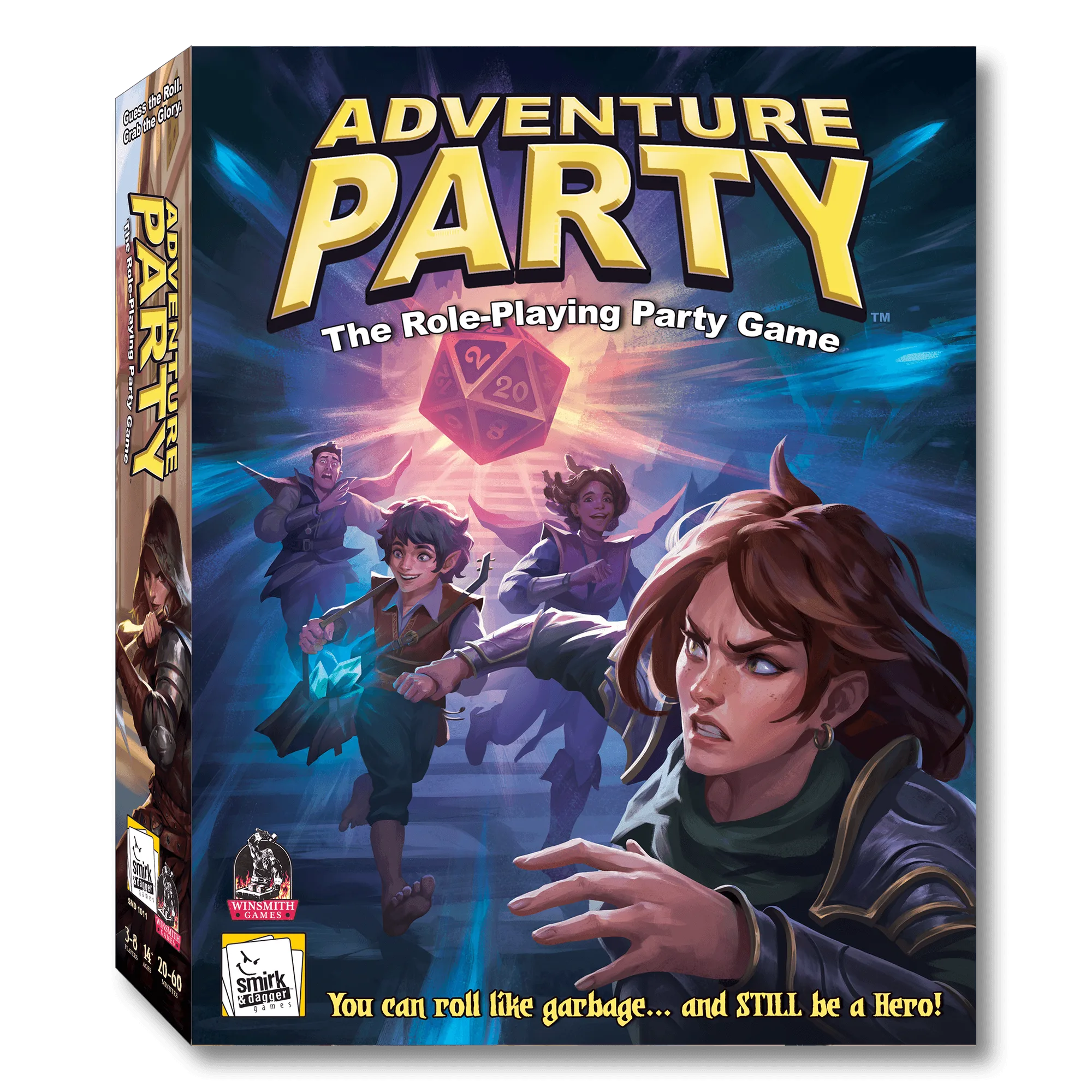
Adventure Party: The Role-Playing Party Game
- Checkpoint: ask one player to repeat the win condition back to you before you deal.
- Common mistake: letting an experienced player dominate the teach, which makes new players feel behind before they start.
Step 6: Pace the night with one anchor game and one filler
Plan the evening as one anchor game plus one short filler, not a stack of five games. The anchor is the game your theme is built around. The filler is something light you can play while waiting for late guests or winding down. This structure gives the night a shape without forcing anyone to learn three rule sets.
Watch the table for energy drops. If turns are getting slow or side conversations are taking over, that is the moment to switch to the filler or take a break. A themed game night should end while people still want more, not after everyone has checked out.
- Checkpoint: decide the filler in advance so you are not scrolling a shelf at 10 p.m.
- Common mistake: starting a long game too late, which guarantees an abrupt ending.
Step 7: Close the night with a reset and a next-time hook
The last ten minutes matter more than people think. Do a quick component count before anyone leaves, especially for games with many small pieces. Bag everything back into the box the way it came, and put the box somewhere it will not get crushed. This is also the moment to ask what people want to play next time, which turns a one-off evening into a recurring group.
If the theme worked, note what you would keep and what you would drop. A themed board game evening improves with repetition because you stop spending energy on logistics and start spending it on the game.
- Checkpoint: count pieces against the rulebook's component list before guests leave, not the next morning.
- Common mistake: skipping the reset, then finding a missing die or token weeks later with no idea where it went.
Themed game night checklist
- Lock the game and player count: Confirm how many people are actually coming, then pick a game that plays well at that number. Check the listed player range and expected play time before you commit. Checkpoint: if two guests might cancel, have a game that works at a lower count ready.
- Choose three theme touchpoints: Pick one food, one visual detail, and one sound or activity. Write them down so you do not keep adding more. Checkpoint: if a touchpoint slows down play, cut it.
- Do a solo setup run: Set the game up alone, walk through one turn, and confirm every component is present and the table has enough room. Checkpoint: if setup takes more than ten minutes, pre-set the board before guests arrive.
- Teach the goal in one sentence: Open with the win condition, then demonstrate one full turn. Save edge cases for when they come up during play. Checkpoint: ask a player to repeat the win condition before you start.
- Run one anchor game, then one filler: Play the themed game first while energy is high, then switch to something short if the table needs a reset. Checkpoint: end the anchor game before anyone asks how much longer it is.
- Reset and count components: Bag everything back into the box and count pieces against the component list before guests leave. Checkpoint: a missing piece found the same night is a five-minute fix; found next month, it is a replacement order.
Games that make theming easy
- Adventure Party: The Role-Playing Party Game: A cooperative, party-weight guessing game where players roll a 20-sided die behind a player screen and describe their character's plan of attack based on the hidden result. The hidden roll and storytelling format gives you a natural theme — tavern snacks, low light, fantasy names — and the cooperative structure keeps new players from feeling singled out.
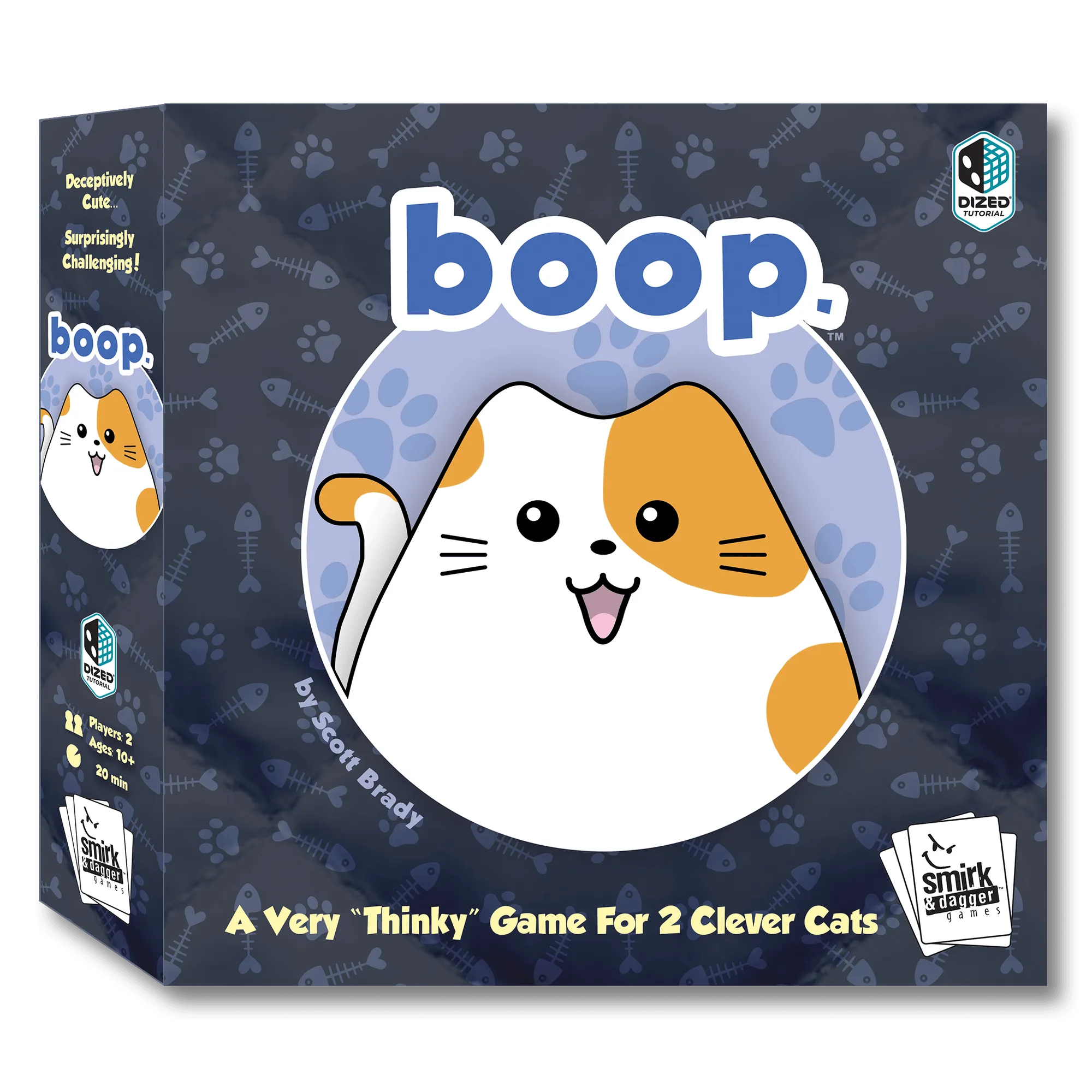
- BOOoop: a deceptively cute but thinky strategy game - now with Ghost Cats!: A spooky Halloween edition of boop where you line up three kittens to graduate them into cats, and three cats in a row to win, with Ghost Cats that float between spaces. The cute-but-thinky balance works for mixed groups, and the Halloween framing gives you an obvious theme without any extra explanation.
- the Ghosts of Boopmas!: An expansion that requires the base game boop the Halls! to play, adding Ghosts of Boopmas and Jacob Meowly, with a naughty-or-nice win condition. If your group already knows the base game, an expansion is the cheapest way to make a themed night feel like a new event rather than a repeat.
A themed game night works when the game comes first and the theme stays small. Pick one game, build three touchpoints around it, teach it in five minutes, and reset the box before everyone leaves. Do that twice and you will have a group that shows up without being asked.