Frozen dog food meatballs are a convenient, nutritious option for pet parents who want to feed their dogs a raw or gently cooked diet without the daily prep hassle. These pre-portioned protein-packed bites make mealtime simple, but proper thawing and handling are crucial to preserve nutrients and prevent bacterial growth. Whether you're new to frozen dog food or just want to brush up on best practices, this step-by-step guide covers everything you need to know about safely thawing and serving frozen dog food meatballs.
From fridge thawing to quick-water methods, we'll walk you through the safest techniques, discuss how to serve them for maximum palatability, and share storage tips to keep your dog's meals fresh. By following these guidelines, you'll ensure your dog enjoys the full nutritional benefits of their frozen food while minimizing any food safety risks.
Why Choose Frozen Dog Food Meatballs?
Frozen dog food meatballs offer a perfect balance of convenience and nutrition. They are typically made from high-quality ingredients like grass-fed beef, wild-caught salmon, or free-range poultry, and are often flash-frozen to lock in vitamins and enzymes. This means your dog gets a minimally processed meal that closely mimics a natural diet. Many pet owners find that frozen meatballs are easier to portion than bulk raw food, and they can be quickly thawed for a single serving.
Another advantage is variety. Brands like Open Farm offer frozen options such as the Goodbowl™ Grass-Fed Beef & Brown Rice Dog Kibble, which can be served alongside thawed meatballs for a mixed-texture meal. Frozen meatballs also work well for dogs who are picky eaters or have sensitive stomachs, as the gentle thawing process preserves the food's natural aroma and flavor, making it more enticing.
- Always check the packaging for specific thawing instructions from the manufacturer.
Step 1: Plan Ahead – Thawing in the Refrigerator
The safest and most recommended method for thawing frozen dog food meatballs is in the refrigerator. This slow, controlled thaw keeps the food at a consistent temperature below 40°F (4°C), preventing harmful bacteria from multiplying. To do this, transfer the desired number of meatballs from the freezer to a sealed container or a plate covered with plastic wrap, and place them in the fridge. Depending on the size of the meatballs, this can take 12 to 24 hours, so plan accordingly.
For busy pet parents, it's helpful to move the next day's portion to the fridge each evening. This way, the meatballs are ready to serve by morning or dinnertime. Once thawed, they can be kept in the refrigerator for up to 2–3 days. If you have a multi-dog household or want to prepare meals in advance, you can thaw a larger batch and portion it into daily servings using small containers.
- Never thaw frozen dog food at room temperature, as this can lead to bacterial growth.
Step 2: Quick Thawing Methods for Last-Minute Meals
Sometimes you forget to move the meatballs to the fridge, and your dog is giving you the hungry eyes. In those cases, a quick-thaw method can work safely if done correctly. The best option is the cold water bath: place the frozen meatballs in a sealed, leak-proof bag and submerge them in a bowl of cold tap water. Change the water every 30 minutes to keep it cold. Most meatballs will thaw in about 1–2 hours depending on size.
Another option is using the microwave's defrost setting, but this requires caution. Only use the microwave if you plan to serve the meatballs immediately, as uneven heating can create hot spots that encourage bacteria. After microwaving, check that the meatballs are uniformly thawed and cool to the touch before serving. Never refreeze meatballs that have been thawed using quick methods. For dogs who prefer a softer texture, you can also serve the meatballs partially frozen on a hot day as a refreshing treat.
- Avoid using hot water or leaving meatballs out for more than 2 hours total.
Step 3: Serving Suggestions for Maximum Enjoyment
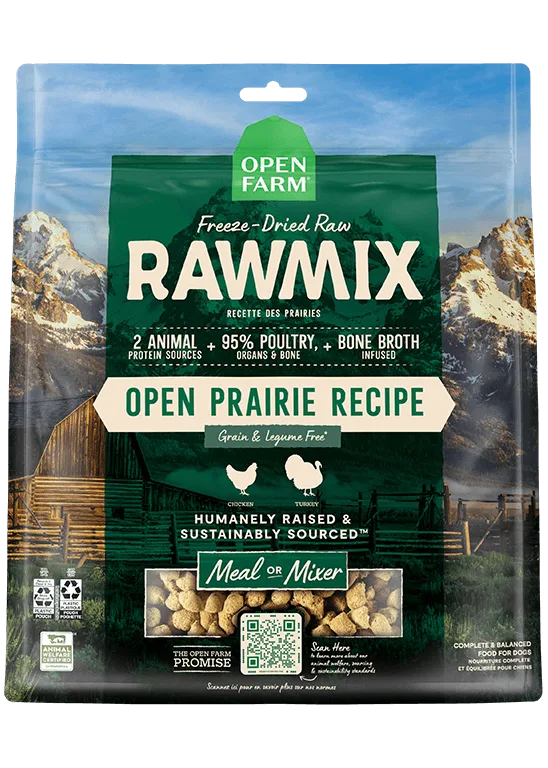
Once your frozen dog food meatballs are safely thawed, it's time to serve them in a way your dog will love. You can offer them as a standalone meal, crumble them over kibble, or mix them with a topper for added nutrition. For example, pairing thawed meatballs with a scoop of Goodbowl™ Wild-Caught Salmon & Brown Rice Cat Kibble (if you have cats) or the RawMix Open Prairie Grain-Free Cat Kibble can create a balanced, textured meal for multi-pet households.
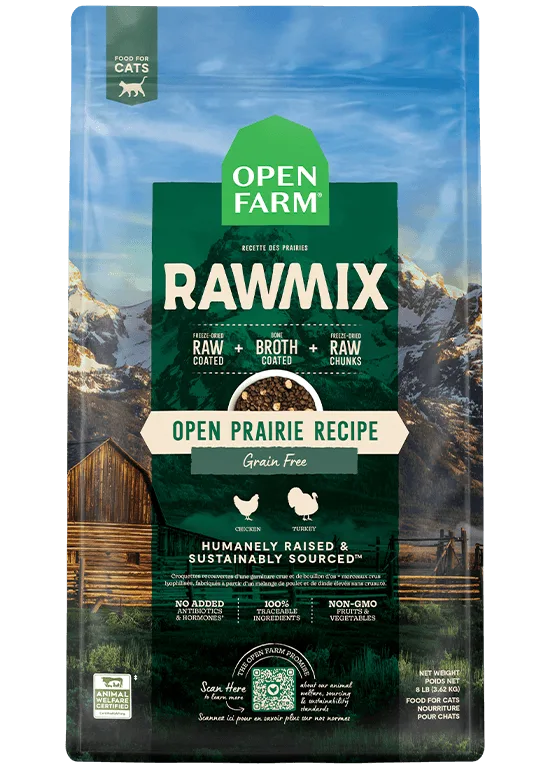
RawMix Open Prairie Grain-Free Cat Kibble
Some dogs enjoy their meatballs slightly warmed to release more aroma. To do this safely, place the thawed meatballs in a bowl and warm them by placing the bowl in a larger container of warm water (not boiling). Stir gently and test the temperature with your finger before serving. Avoid using the microwave for warming, as it can destroy delicate nutrients. If your dog is a slow eater, consider serving meatballs in a puzzle feeder or snuffle mat to make mealtime more engaging.
- Always serve thawed meatballs within 30 minutes of removing from the fridge.
Step 4: Storing Leftovers and Maintaining Freshness
If you've thawed more meatballs than your dog can eat in one meal, proper storage is key. Any leftover thawed meatballs should be placed in an airtight container and returned to the refrigerator immediately. Use them within 2–3 days. Do not refreeze thawed meatballs, as the texture and nutritional quality will degrade, and bacterial growth may occur during the thawing process.
For pet parents who like to meal prep, consider portioning frozen meatballs into individual freezer-safe bags or silicone molds before freezing. This way, you can thaw only what you need without exposing the entire batch to temperature fluctuations. Label each bag with the date and type of protein to keep your freezer organized. If you notice any off smells, discoloration, or sliminess in thawed meatballs, discard them immediately—your dog's health is not worth the risk.
- Use a permanent marker to date your frozen meatball packages for easy rotation.
Common Mistakes to Avoid When Handling Frozen Dog Food
Even experienced pet owners can slip up when it comes to frozen dog food safety. One of the most common mistakes is thawing meatballs on the counter or in the sink, which can quickly bring the food into the danger zone (40°F–140°F). Another error is using the same cutting board or utensils for raw meatballs without washing them thoroughly between uses, which can cross-contaminate other foods.
Also, be mindful of portion sizes. It's easy to overestimate how much your dog needs, especially if the meatballs look small. Consult your veterinarian or the feeding guidelines on the package to determine the right amount based on your dog's weight, age, and activity level. Finally, don't forget to wash your hands before and after handling raw meatballs, and clean your dog's bowl after each meal to prevent bacterial buildup.
- Always use separate utensils and cutting boards for raw pet food.
Enhancing Your Dog's Frozen Food Experience with Supplements and Treats
Frozen dog food meatballs are a fantastic base, but you can boost their nutritional value by adding supplements or healthy treats. For example, a drizzle of Icelandic Herring & Salmon Oil For Dogs provides omega-3 fatty acids that support a shiny coat and joint health. You can also offer a few Better Biscuits Peanut Butter & Banana Treats as a post-meal reward or training aid.
If your dog needs extra immune support, consider adding the Immune Health Supplement Chews for Dogs to their daily routine. These chews are easy to administer and can be given alongside thawed meatballs. Just remember to adjust your dog's overall calorie intake to account for any supplements or treats, especially if they are on a weight management plan.

Immune Health Supplement Chews for Dogs
- Consult your vet before adding new supplements to your dog's diet.
Thawing and serving frozen dog food meatballs doesn't have to be complicated. By following these simple steps—planning ahead, using safe thawing methods, serving with care, and storing leftovers properly—you can provide your dog with a nutritious, delicious meal every time. Ready to try frozen meatballs for your pup? Browse our selection of high-quality frozen dog food and treat your furry friend to the best nature has to offer.