Frozen dog food offers a convenient way to feed your pup a diet packed with wholesome, minimally processed ingredients. Whether you're new to the raw or gently cooked frozen food world or a seasoned pro, knowing how to store and handle these products safely is essential to prevent bacterial growth and maintain nutritional quality.
In this guide, we'll walk you through everything you need to know about frozen dog food storage, from keeping it at the right temperature to safe thawing methods and proper serving hygiene. Follow these steps to ensure every meal is as safe as it is delicious.
Why Proper Frozen Food Storage Matters
Frozen dog food is typically made from raw or lightly cooked meats, organs, and vegetables. Because these ingredients are not heavily processed or preserved like kibble, they require careful temperature control. Storing frozen food at 0°F (-18°C) or below halts bacterial growth and preserves nutrients, but any temperature fluctuation can compromise safety.
Improper storage can lead to freezer burn, which degrades flavor and texture, or even partial thawing that allows pathogens like Salmonella or Listeria to multiply. By following a few simple rules, you can keep your dog's frozen meals fresh and safe from the freezer to the bowl.
- Always keep frozen food at 0°F or colder. Use a freezer thermometer to monitor.
- Store food in its original packaging or transfer to airtight, freezer-safe containers to prevent freezer burn.
- Keep frozen food away from the freezer door to avoid temperature swings from frequent opening.
Step 1: Choose the Right Freezer and Storage Setup
Not all freezers are created equal. A dedicated chest freezer or a deep freeze maintains more consistent temperatures than the freezer compartment of a refrigerator. If you're buying frozen dog food in bulk, consider investing in a chest freezer to keep everything at an even 0°F.
Organize your freezer so that frozen dog food is separate from raw meats meant for human consumption. Use bins or baskets to group products by type and date. Label each package with the purchase or freeze date so you can use older items first. For example, the Turkey & Salmon Freshly Crafted Meatballs for Dogs can be stored in portion-sized bags inside a labeled bin for easy access.
- Use a freezer thermometer to verify temperature daily.
- Keep a first-in, first-out (FIFO) system to avoid expired food.
- Avoid overpacking the freezer; air circulation helps maintain even temperature.
Step 2: Safe Thawing Methods for Frozen Dog Food
Thawing frozen dog food correctly is just as important as storing it. The safest method is to transfer the frozen portion from the freezer to the refrigerator 12 to 24 hours before feeding. This slow thaw keeps the food at a safe temperature (below 40°F) throughout the process.
If you need to thaw food more quickly, place the sealed package in a bowl of cold water. Change the water every 30 minutes to keep it cold. Never use hot water or a microwave, as these can cook the food unevenly and create hot spots that may harbor bacteria. For a convenient option, the Salmon Topper for Dogs can be thawed in the fridge overnight and then drizzled over your dog's regular meal.
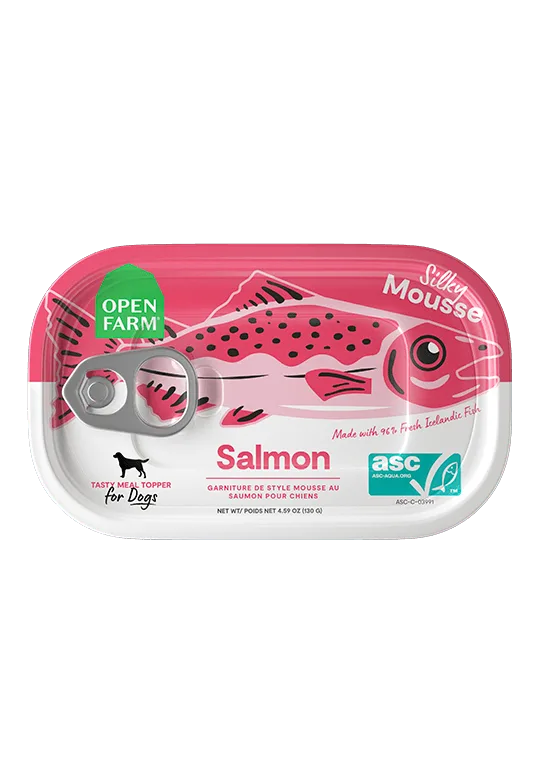
Salmon Topper for Dogs
- Refrigerator thawing: 12–24 hours for most portions.
- Cold water bath: 30–60 minutes, changing water every 30 minutes.
- Never thaw at room temperature or in hot water.
Step 3: Portioning, Serving, and Hygiene Tips
Once thawed, frozen dog food should be served within 24 to 48 hours if kept in the refrigerator. Use clean utensils and a dedicated cutting board when portioning. Wash your hands thoroughly before and after handling the food, and sanitize any surfaces that come into contact with raw meat.
If your dog doesn't finish a meal within 30 minutes, discard the leftovers to prevent bacterial growth. For multi-dog households, serve each dog from its own bowl to reduce contamination risk. Products like Goodbowl Harvest Chicken & Grass-Fed Beef Pâté for Dogs come in easy-to-portion trays or rolls, making mealtime simple and mess-free.
- Use separate utensils and cutting boards for pet food.
- Thaw only what your dog will eat in 24–48 hours.
- Never refreeze thawed frozen dog food.
Step 4: Handling Frozen Food on the Go
Traveling with frozen dog food requires extra care. Use an insulated cooler with ice packs to keep the food at safe temperatures during transit. For day trips, pack the frozen portions directly from the freezer into the cooler—they'll stay cold for several hours.
If you're feeding frozen food while camping or visiting friends, plan ahead. Pre-portion and freeze individual servings, then thaw them in the cooler as needed. Always check that the food is still cold to the touch before serving. The Goodbowl Chicken & Grass-Fed Beef Freshly Crafted Roll for Dogs is ideal for travel because it can be sliced into portions and packed easily.
- Use an insulated cooler with ice packs for travel.
- Pre-portion frozen food into single-serving bags.
- Check temperature with a portable thermometer if possible.
Common Mistakes to Avoid
Even experienced pet owners can slip up. One common mistake is thawing food on the kitchen counter. At room temperature, bacteria can double every 20 minutes. Another is refreezing thawed food, which degrades texture and increases contamination risk.
Also avoid storing frozen dog food next to raw meat for humans in a way that allows cross-contamination. Keep pet food on a lower shelf or in a sealed container. Finally, don't rely on expiration dates alone—always inspect the food for off smells, discoloration, or ice crystals before serving.
- Never thaw on the counter.
- Do not refreeze thawed food.
- Keep pet and human raw foods separate.
By following these simple steps for frozen dog food storage and handling, you can keep your pet's meals safe, nutritious, and delicious. Ready to simplify your feeding routine? Explore our selection of high-quality frozen options like the Turkey & Salmon Freshly Crafted Meatballs for Dogs to give your dog a meal they'll love.