Quick answer
Sanitize Willow pump parts by washing them first in warm soapy water, then boiling or steaming only the parts that are safe for high heat. Never put the pump motor or tubing in water. For most parts, a daily wash and a weekly sanitize is enough to keep your pump hygienic.
Know which parts can be sanitized
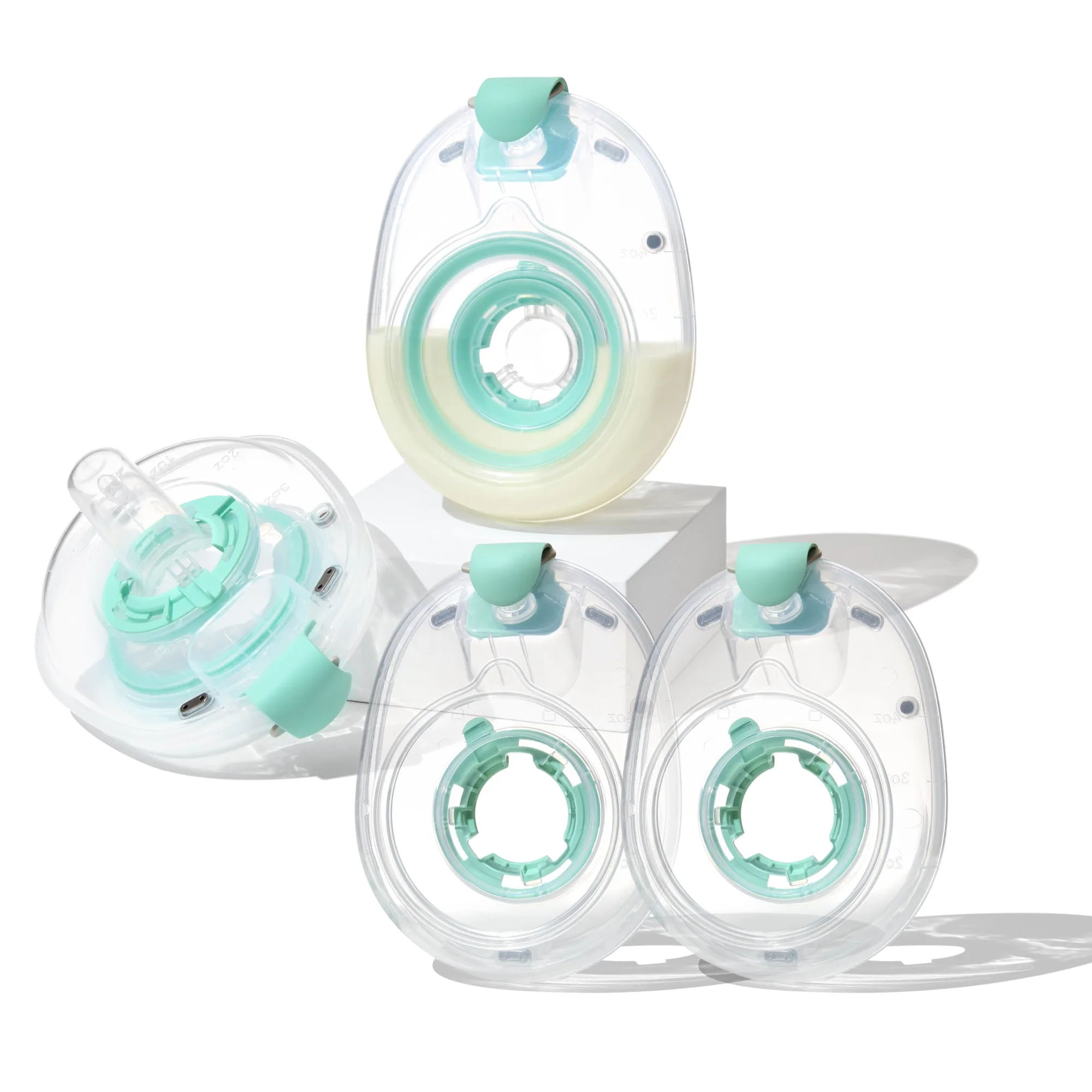
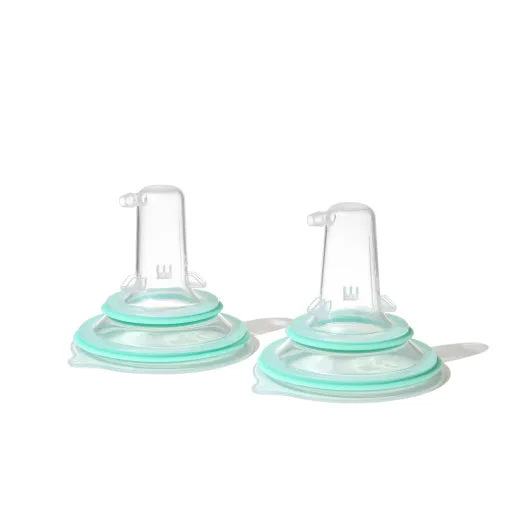
Not every part of a Willow pump can go into boiling water or a steam bag. The parts that touch milk, such as flanges, valves, diaphragms, and containers, are generally safe to sanitize. The pump unit itself, the tubing (if your model has it), and any electronic components must never be submerged or heated. Check your Willow user manual for the specific parts that are dishwasher-safe or boil-safe. When in doubt, stick to washing with warm soapy water and skip the heat.
Wash before you sanitize
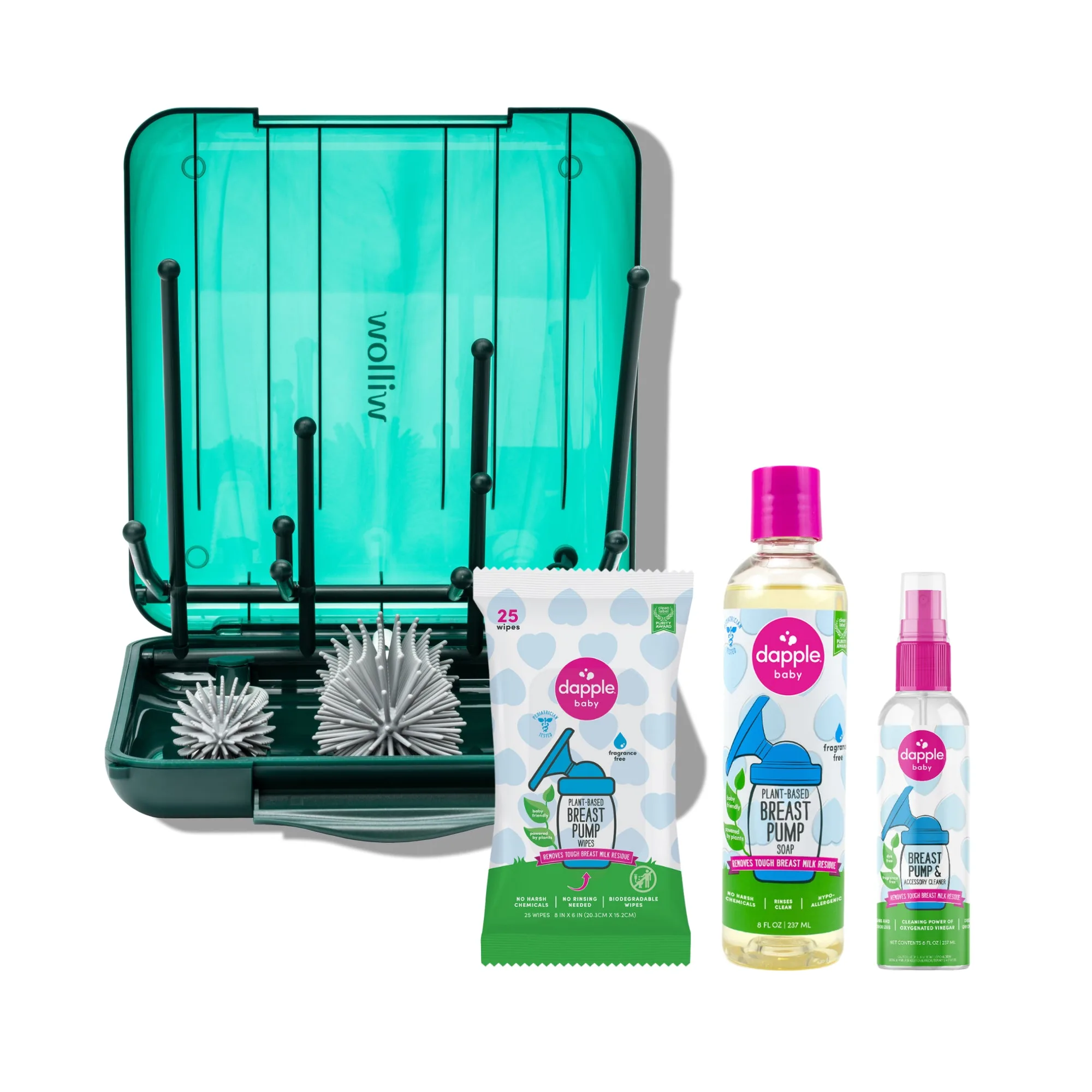
Sanitizing does not replace washing. Milk residue can harden and trap bacteria if you skip the wash. Rinse all parts in cool water right after pumping to prevent protein buildup. Then wash in warm water with a mild dish soap and a dedicated bottle brush. Pay attention to small crevices in valves and flanges. If you use a dishwasher, place small parts in a closed basket on the top rack. A common mistake is using antibacterial soap or bleach, which can leave residue that may irritate your baby.
Choose a safe sanitizing method
Boiling, steaming, and microwave steam bags are all effective if used correctly. Boiling: place parts in a pot of water, bring to a rolling boil for 5 minutes. Do not let parts touch the bottom of the pot, as direct heat can warp plastic. Steaming: use a dedicated steam sterilizer or microwave steam bags following the manufacturer's time. Never use a microwave without water or a steam bag, as dry heat can melt parts. Avoid UV sterilizers unless the manufacturer confirms they are safe, as UV can degrade some plastics over time.
Dry and store properly
After sanitizing, shake off excess water and place parts on a clean, dry towel or a drying rack. Allow them to air-dry completely before reassembling. Storing parts while still damp can encourage mold or bacterial growth. Once dry, keep parts in a clean, covered container or a dedicated wet/dry bag. Do not store them in a sealed plastic bag while damp. A common mistake is reassembling the pump while parts are wet, which can affect suction and hygiene.
Step-by-step sanitizing routine
- Disassemble and rinse: Take apart all removable parts: flanges, valves, diaphragms, and containers. Rinse each under cool running water to remove milk residue. Checkpoint: Do not let milk dry on parts; rinse immediately after pumping.
- Wash with warm soapy water: Use a mild dish soap and a bottle brush to scrub all parts, especially crevices. Rinse thoroughly under warm water. Mistake to avoid: Using harsh chemicals or bleach, which can leave harmful residue.
- Sanitize using a safe method: Boil parts for 5 minutes, or use a steam sterilizer or microwave steam bag according to instructions. Ensure parts do not touch the bottom of the pot. Checkpoint: Only sanitize parts that are manufacturer-approved for high heat.
- Air-dry completely: Spread parts on a clean towel or drying rack. Let them air-dry fully before reassembling or storing. Mistake to avoid: Storing parts while damp, which can lead to mold.
- Store in a clean, dry place: Once dry, place parts in a clean, covered container or a dedicated pump bag. Keep them away from dirty surfaces. Next step: Reassemble only when you are ready to pump again.
Willow pump parts and bundles
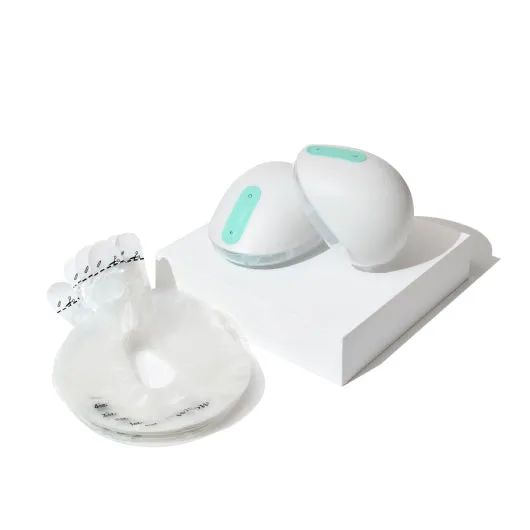
- Willow Go® Wearable Breast Pump: Willow Go® Wearable Breast Pump kit comes with 21mm and 24mm flanges and 5 oz SplashGuard™ containers. These are the parts you will wash and sanitize most often, so having spare flanges and containers can simplify your routine.
- Willow 360® Pump and Extra Spill-Proof Milk Bags: Willow 360® Pump and Extra Spill-Proof Milk Bags includes patented no-spill technology and is fully hands-free. If you use milk bags instead of containers, you will have fewer parts to sanitize, but you still need to clean the pump's internal parts that touch milk.