Microneedling is a powerful way to rejuvenate mature skin, but the tool you use must be kept scrupulously clean. A dirty dermaroller can introduce bacteria into micro-channels, leading to breakouts, irritation, or even infection. Proper sanitization is not just a good habit—it’s essential for safe, effective treatments.
In this guide, we’ll walk you through the correct way to sanitize your dermaroller, whether you use a fixed-head model or a replaceable-head system. You’ll learn the difference between cleaning and disinfecting, which solutions are safe, and how to care for your tool to make it last.
Why Sanitizing Your Dermaroller Matters
Your skin is your body’s largest organ, and microneedling creates microscopic punctures that are entry points for bacteria. If your dermaroller isn’t properly sanitized, you risk introducing pathogens deep into the dermis, which can cause inflammation, acne, or more serious infections. For mature skin, which may heal more slowly, the stakes are even higher.
Beyond hygiene, regular sanitization extends the life of your dermaroller. Needles that are caked with serum, dead skin, or oils become dull and can tear the skin rather than cleanly piercing it. A well-maintained tool performs better and gives you more consistent results.
- Prevent infections and breakouts
- Ensure needles remain sharp and effective
- Prolong the lifespan of your device
Cleaning vs. Disinfecting: What’s the Difference?
Many people use the terms interchangeably, but they are not the same. Cleaning removes visible dirt, oils, and debris from the surface. Disinfecting kills microorganisms. For a dermaroller, you must do both: first clean, then disinfect.
Cleaning is typically done with warm water and a mild soap or a gentle cleanser. Disinfecting requires a solution that kills bacteria, viruses, and fungi, such as 70% isopropyl alcohol. Never skip the cleaning step—alcohol alone cannot penetrate dried-on residue effectively.
Step-by-Step Sanitization Routine
Follow this simple routine after every use to keep your dermaroller in top condition. Start by rinsing the roller under warm running water to remove loose debris. Then, fill a small bowl with warm water and a drop of gentle liquid soap. Swirl the roller in the soapy water for about 30 seconds, ensuring the needles are fully submerged.
Rinse thoroughly under running water to remove all soap residue. Next, place the roller in a container filled with 70% isopropyl alcohol and let it soak for 10–15 minutes. This kills bacteria and viruses. After soaking, remove the roller and allow it to air-dry completely on a clean towel, with the needles facing down to avoid contamination.
For replaceable-head models, you can remove the head and soak it separately. This allows for a more thorough cleaning of the handle and head connection area.
- Rinse under warm water
- Clean with mild soap and water
- Soak in 70% isopropyl alcohol for 10–15 minutes
- Air-dry completely before storing
Choosing the Right Disinfectant
Not all disinfectants are safe for dermaroller needles. Alcohol is the gold standard because it evaporates quickly and doesn’t leave residue. Use 70% isopropyl alcohol, not 91% or higher, as the higher concentration evaporates too fast to effectively kill bacteria. You can also use a medical-grade sterilizing solution, but avoid harsh chemicals like bleach or hydrogen peroxide, which can damage the needles.
If you have sensitive skin, consider using a dedicated microneedling sanitizing spray that is alcohol-based and fragrance-free. Always check the label to ensure it’s safe for skin-contact tools.
How Often Should You Sanitize?
Sanitize your dermaroller before and after every use. Before use, a quick alcohol soak ensures it’s sterile. After use, the full cleaning and disinfecting routine is necessary to remove blood, serum, and skin cells. If you use your dermaroller multiple times a week, you may want to deep-clean it once a month with a longer soak in alcohol.
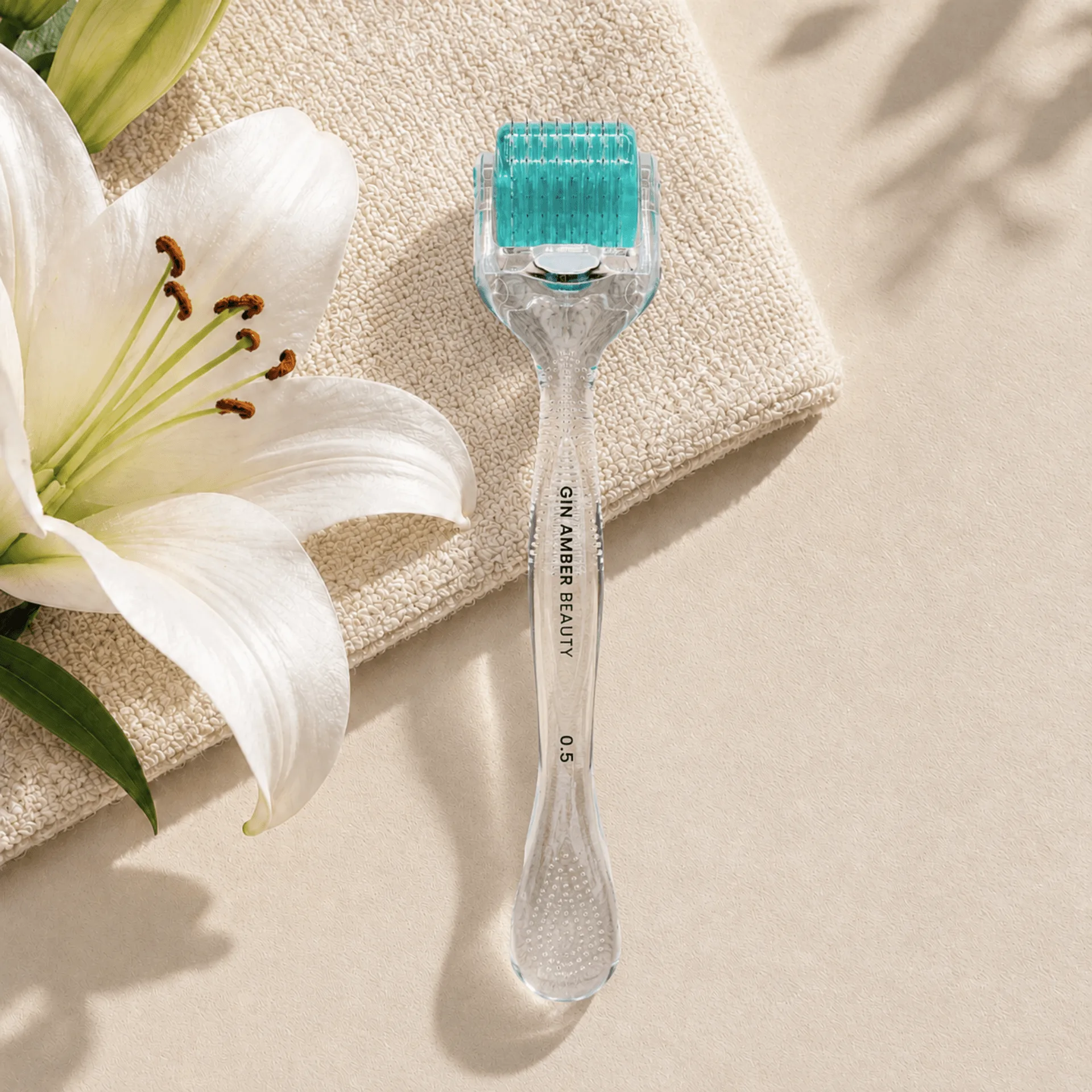
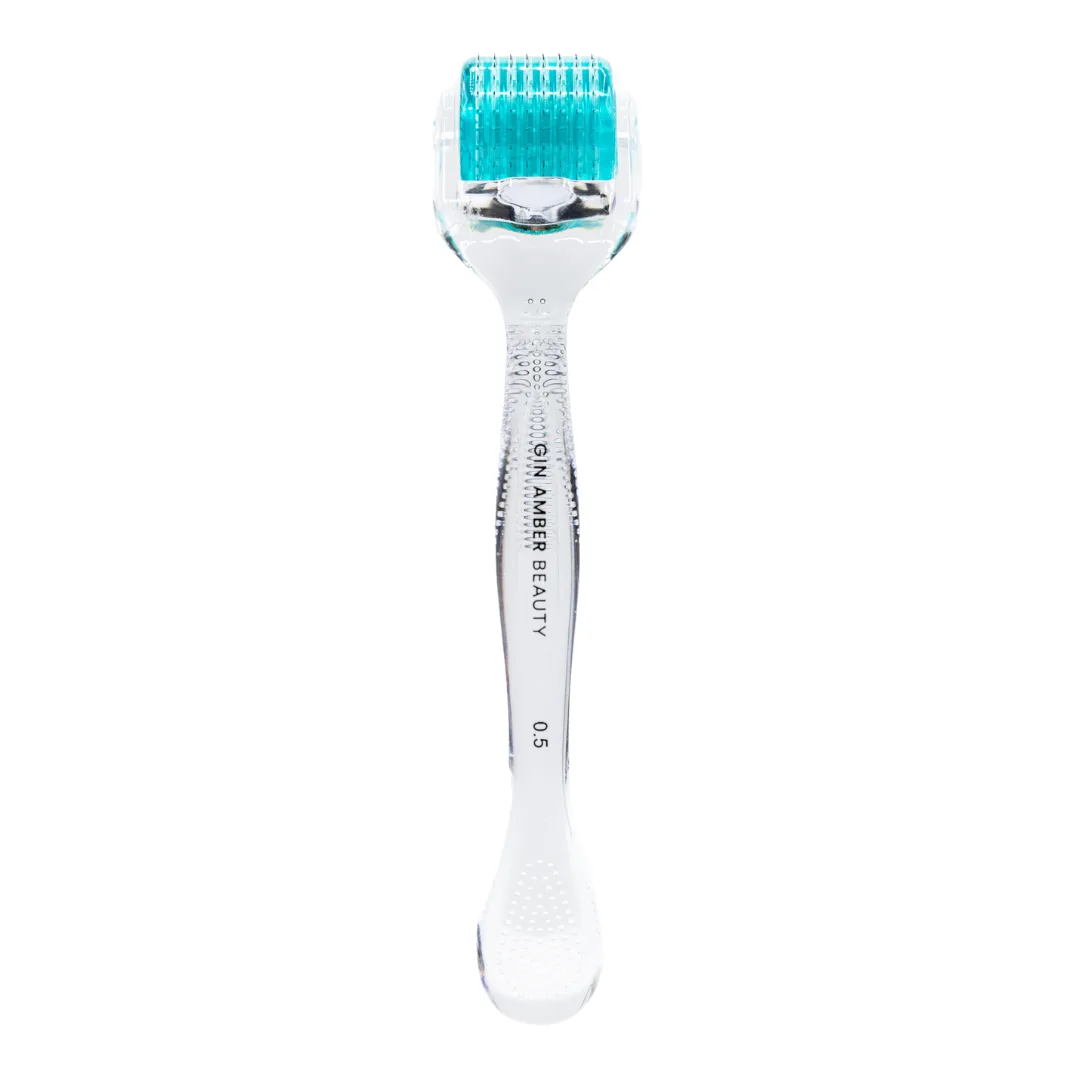
For tools like the https://ginamberec.com/products/real-individual-needles-0-5mm-dermaroller-363638REAL INDIVIDUAL NEEDLES® 0.5mm Dermaroller, which features individual needles, extra care is needed to ensure each needle is clean. The same routine applies, but you may need to brush gently between needles with a soft toothbrush to dislodge any debris.
- Sanitize before and after each use
- Deep-clean monthly
- Replace needles or heads as recommended by the manufacturer
Common Mistakes to Avoid
One common mistake is using boiling water to sterilize your dermaroller. High heat can warp the plastic handle and dull the needles. Another is storing the roller while it’s still damp, which can promote bacterial growth. Always air-dry completely before storing in a clean, dry case.
Avoid sharing your dermaroller with others. Even with thorough sanitization, blood-borne pathogens can be transmitted. Treat your dermaroller as a personal item, just like a toothbrush.
If you use a replaceable-head system, such as the 0.5mm Replaceable Head Dermaroller (Eco-Friendly), remember to sanitize the handle as well, even if you replace the head frequently.
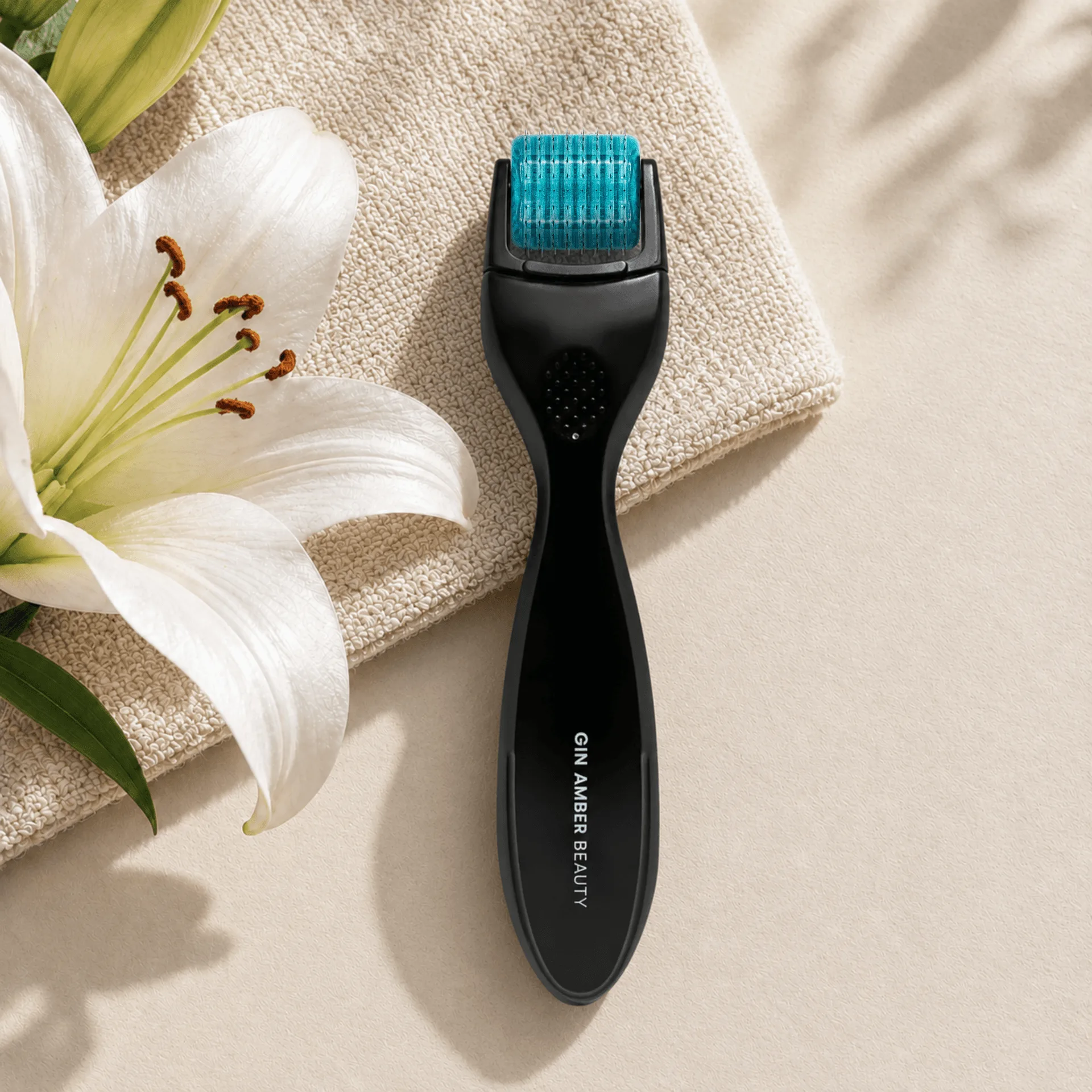
0.5mm Replaceable Head Dermaroller (Eco-Friendly)
Sanitizing Different Types of Dermarollers
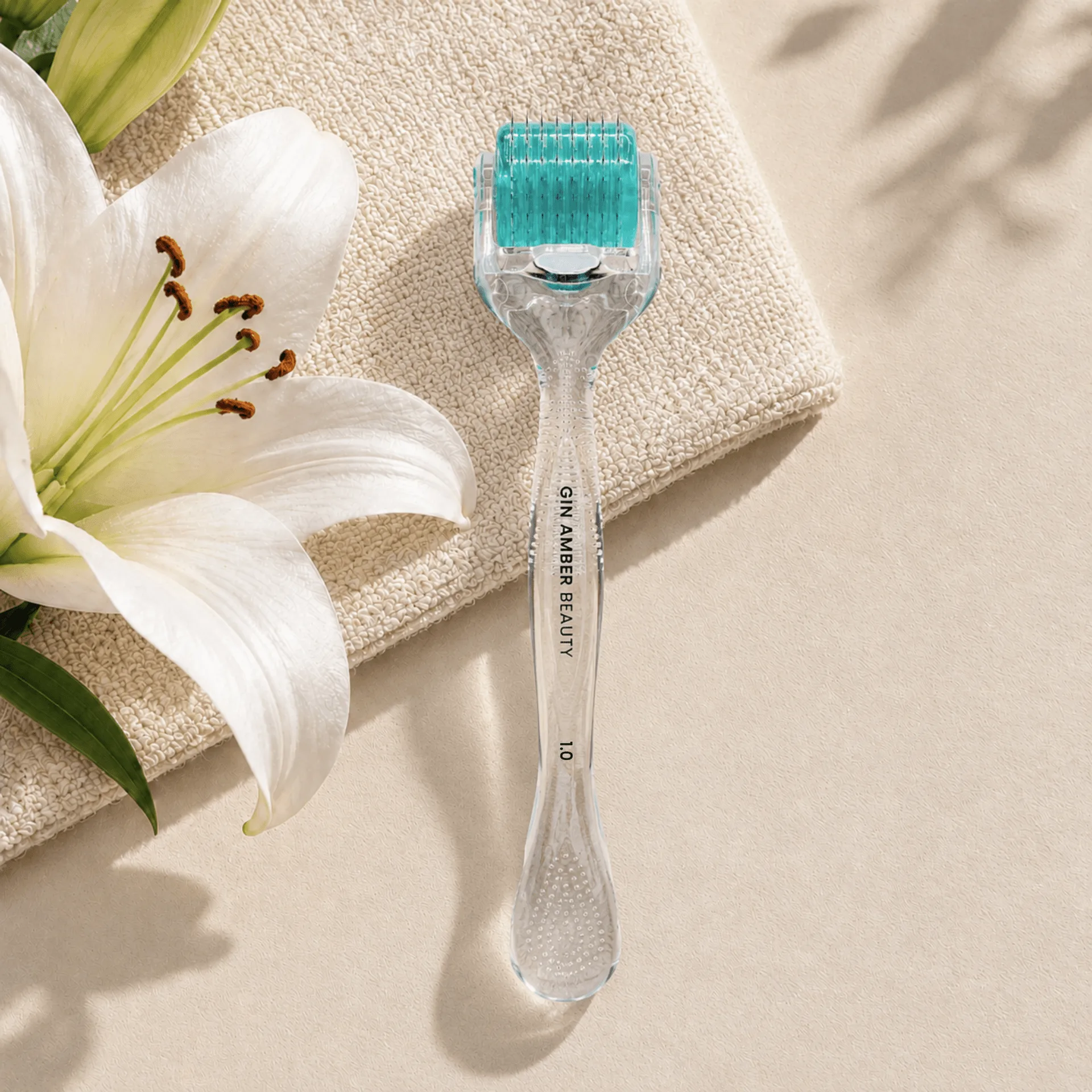
Fixed-head dermarollers are the most common. They require the same cleaning routine, but you must be careful not to submerge the handle in water if it’s not waterproof. Check the manufacturer’s instructions. For 1.0mm Dermaroller, which is often used on the body, the needles are longer, so ensure they are fully immersed in alcohol.
Derma stamps, like the 0.5mm Derma Stamp, have a different shape. Clean the stamp head by dipping it in alcohol, but avoid getting the handle wet. Use a cotton swab to clean around the needles.
Storing Your Dermaroller to Maintain Hygiene
After sanitizing, store your dermaroller in a clean, dry container. Many come with a protective case. If you don’t have a case, use a zip-lock bag or a dedicated tool pouch. Keep it away from moisture and direct sunlight. For extra protection, you can wrap the roller head in a clean, lint-free cloth.
If you use a Skincare Headband during your routine, remember to wash it regularly too, as it can harbor bacteria that may transfer to your skin.
Properly sanitizing your dermaroller is a simple yet critical step in your skincare routine. By following these steps, you protect your skin from infection and ensure your tool remains effective for years to come. Remember to always prioritize hygiene over convenience—your skin will thank you.