Quick answer
Seasoning cast aluminum cookware is a simple process that builds a natural nonstick layer and protects the surface. For daily care, hand wash with mild soap, avoid metal utensils, and store in a dry place to prevent oxidation.
Why Seasoning Matters for Cast Aluminum
Unlike raw cast iron, cast aluminum doesn't rust, but it can develop a dull patina or react with acidic foods if left unseasoned. A thin layer of oil baked onto the surface fills microscopic pores, creating a slick, nonstick finish that improves with use. This is especially useful for griddles and frying pans used for high-heat cooking like searing burgers or sautéing vegetables.
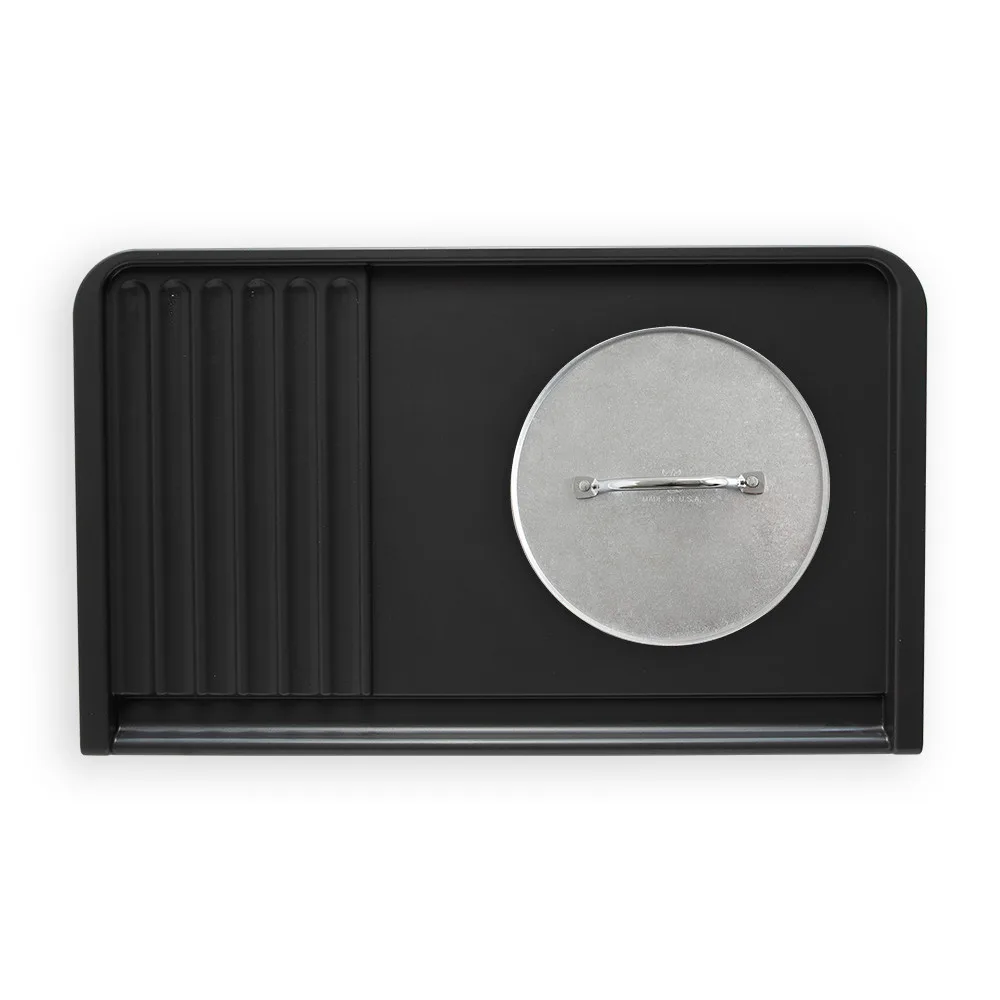
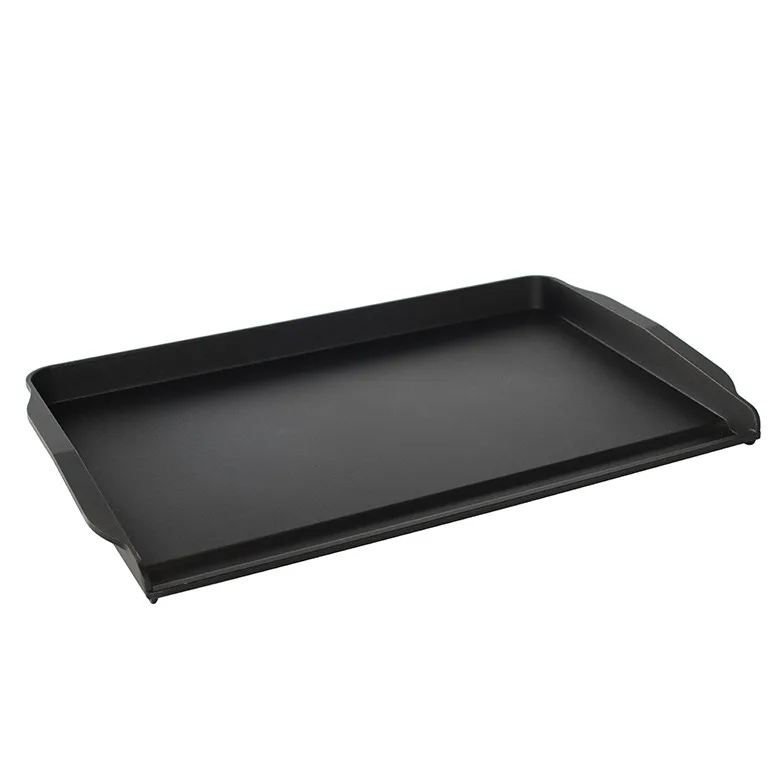
The Nordic Ware Double Backsplash Griddle, for example, is a cast aluminum piece designed for outdoor grills and stovetops. Seasoning it before first use helps food release easily and makes cleanup faster.
Daily Cleaning Do's and Don'ts
After cooking, let the pan cool slightly, then rinse with warm water and a soft sponge. Avoid abrasive scrubbers or steel wool—they can scratch the aluminum surface and strip the seasoning. For stuck-on bits, boil a little water in the pan for a minute, then scrape gently with a wooden spatula.
Mild dish soap is fine for occasional deep cleaning, but frequent use can gradually remove seasoning. If you notice food starting to stick, it's time for a fresh seasoning layer. Always dry the pan thoroughly before storing to prevent white oxidation spots from forming.
Step-by-Step: Seasoning Cast Aluminum Cookware
- Wash and dry thoroughly: Wash the pan with warm soapy water to remove any factory residue. Rinse and dry completely with a towel. Checkpoint: If any moisture remains, the oil won't bond evenly during heating.
- Apply a thin oil layer: Use a paper towel to rub a high-smoke-point oil (like grapeseed, avocado, or canola) all over the interior surface. Wipe off as much as possible—the layer should look dry, not greasy. Common mistake: Too much oil creates a sticky, uneven finish. Less is more.
- Heat to set the seasoning: Place the pan upside down on a stovetop burner or in a 400°F oven for 30–60 minutes. Let it cool completely inside the oven or on the burner. Checkpoint: If the pan smokes heavily, the oil is burning—reduce heat slightly next time.
- Repeat for a stronger layer: For best results, repeat steps 2 and 3 two or three times. Each layer builds a harder, more durable nonstick surface. Verdict: A well-seasoned cast aluminum pan will darken over time and release eggs, fish, and vegetables effortlessly.
Cookware That Benefits from Proper Care
- Double Backsplash Griddle | Cast Aluminum Cookware: Really like the backsplash griddle by Nordicware. Originally got it for making fajitas on a Trager grill but soon found it works great for all kinds of cooking needs… hamburgers, hotdogs, steaks, etc. Great for doing a reduction on an outdoor grill, sauteed, etc. Consider it part of your essential outdoor cooking gear! This cast aluminum griddle is versatile for high-heat outdoor cooking, so seasoning it properly ensures food won't stick and the surface stays easy to clean after every use.