Carrying a rifle while hiking is a challenge that demands both safety and accessibility. Whether you're heading into the backcountry for hunting or long-range practice, knowing how to properly secure your rifle in a pack can make the difference between a smooth trek and a dangerous one. A loose rifle can shift, damage your gear, or even cause injury. This guide will walk you through the essential techniques and gear to keep your rifle stable, protected, and ready when you need it.
At Eberlestock, we design packs with the shooter in mind, offering features like dedicated rifle straps, scabbards, and modular attachments. But even the best pack requires proper technique. In this article, we'll cover the key principles of rifle pack carry, from choosing the right carrying method to balancing weight and maintaining quick access. Whether you're using a dedicated rifle pack or a daypack with add-ons, these tips will help you secure your rifle effectively.
Why Proper Rifle Security Matters
When hiking with a rifle, the primary concern is safety. A rifle that isn't securely attached can slide, fall, or even discharge if not properly handled. Additionally, a loose rifle can throw off your balance, especially on uneven terrain, increasing the risk of falls and injuries. Properly securing your rifle not only protects you but also your firearm from impacts, dirt, and moisture.
Another critical aspect is accessibility. In many hunting scenarios, you need to unshoulder your pack and retrieve your rifle quickly. A well-secured rifle should be easy to release without fumbling. This balance between security and accessibility is the hallmark of good rifle pack carry. By understanding the mechanics of your pack and using the right straps or scabbard, you can achieve both.
- Always ensure the rifle is unloaded before securing it in a pack.
- Check all straps and buckles for wear before each trip.
Choosing the Right Carry Method: Scabbard vs. Straps
There are two primary methods for carrying a rifle in a pack: using a dedicated scabbard or using compression straps. A scabbard is a sleeve that holds the rifle securely, often integrated into the pack or attached externally. It offers the best protection and stability, keeping the rifle close to your back and reducing movement. Many hunters prefer scabbards because they allow the rifle to be carried muzzle-up or down, depending on the design, and they distribute weight evenly.
On the other hand, using pack rifle straps is a more versatile option. Many Eberlestock packs feature adjustable straps that can cinch down on the rifle, holding it securely against the pack. This method is lighter and allows for quick access, but it may not offer as much protection from the elements. For shorter hikes or when you need frequent access, straps are often preferred. However, for long treks or rough terrain, a scabbard is generally the safer choice.
- Consider the terrain and duration of your hike when choosing between a scabbard and straps.
- Practice removing and re-securing your rifle at home to build muscle memory.
Step-by-Step: Securing Your Rifle with Straps
If your pack has rifle straps, start by loosening them completely. Place the rifle against the pack with the action facing away from your body to prevent accidental trigger engagement. Position the rifle so that the butt sits at the bottom of the pack and the barrel points upward, but not so high that it interferes with your head movement. Adjust the straps so they cross over the rifle at two points: one near the receiver and one near the barrel. Cinch them down firmly, but not so tight that you risk damaging the rifle or the pack.
Ensure that the straps are not covering the ejection port or the scope. If your rifle has a scope, you may need to use a scabbard or a padded case to protect it. After securing, give the rifle a gentle shake to test for any movement. If it shifts, tighten the straps further. It's also a good idea to use a secondary retention point, like a bungee cord, for extra security on rough trails.
- Always position the rifle with the muzzle pointed down or away from your body.
- Use a barrel sock or cover to protect the muzzle from dirt and debris.
Using a Rifle Scabbard Effectively
A rifle scabbard is an excellent investment for serious hikers. When using a scabbard, ensure it is properly attached to your pack. Many Eberlestock packs have integrated scabbard sleeves that slide into a dedicated pocket. If you're using an external scabbard, make sure it's strapped securely to the pack's side or back. The rifle should fit snugly inside, with the action protected and the scope (if any) covered by a padded portion.
When hiking, the scabbard should be positioned so that the rifle's weight is balanced. Ideally, the rifle should be placed on the side of your dominant hand for easier access. However, for long hikes, you may want to center the weight to reduce fatigue. Always check that the scabbard's zippers or straps are fully closed and secured. A common mistake is leaving the scabbard partially open, which can allow the rifle to slip out.
- If your scabbard has a drainage hole, ensure it's clear to prevent water buildup.
- Practice drawing your rifle from the scabbard to ensure smooth access.
Balancing Weight and Comfort
A rifle adds significant weight to your pack, and how you distribute that weight affects your comfort and stability. The rifle should be positioned as close to your center of gravity as possible. This usually means placing it high on the pack, near your shoulders, to keep the weight centered. However, if you're using a scabbard on the side, you'll need to compensate by adjusting other gear to maintain balance.
For example, if your rifle is on the left side, place heavier items like water or food on the right side of the pack. This counterbalance prevents the pack from pulling you to one side. Additionally, consider the total weight of your pack. A loaded rifle can add 8-10 pounds, so it's essential to pack efficiently and avoid unnecessary gear. Regularly adjust your shoulder straps and hip belt to ensure the weight is distributed across your hips and shoulders, reducing strain on your back.
- Use a hip belt to transfer weight to your hips and reduce shoulder fatigue.
- Take breaks to adjust the pack if you feel any discomfort or imbalance.
Accessorizing for Better Rifle Carry
Several accessories can enhance your rifle-carrying experience. A Utility Pouch attached to your pack's waist belt or shoulder strap provides quick access to ammunition, ear protection, or a multi-tool without removing your pack. Similarly, a Sustainment Pouch can hold extra magazines or a hydration bladder, keeping your essentials within reach.
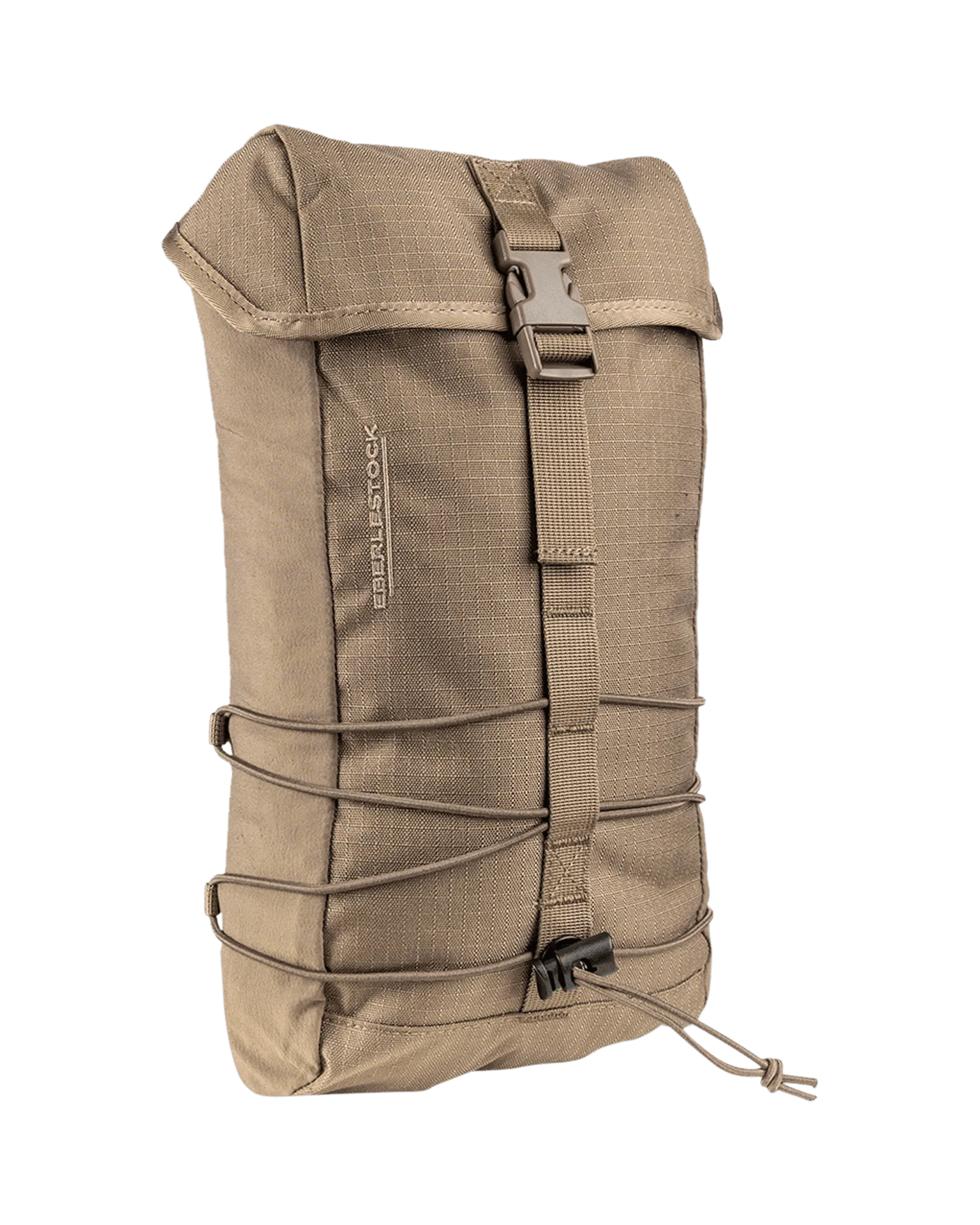
Sustainment Pouch
For protecting your rifle from rain and moisture, consider a Featherweight Pack Rain Cover. While designed to cover your entire pack, it can also be used to shield your rifle in a scabbard or when strapped to the outside. This is especially useful in wet climates where keeping your firearm dry is crucial to prevent rust and malfunctions.
- Attach a small pouch to your pack's shoulder strap for easy access to essentials.
- Use a rain cover to protect both your pack and rifle from the elements.
Securing your rifle in a pack for hiking is a skill that combines the right gear with proper technique. By choosing between straps and scabbards, balancing weight, and using accessories like pouches and rain covers, you can ensure a safe and comfortable hike. Remember to practice at home and always prioritize safety. For more tips on rifle carry and to explore our range of packs and accessories, visit our website and find the perfect setup for your next adventure.