Quick Answer
For street performances, prioritize tricks that are visual, self-contained, and resilient to interruptions. Look for effects that don't require resetting or table space, and that work with borrowed or ordinary objects. Start with a versatile card trick that you can perform surrounded, then add a signature piece that creates a memorable moment.
Street performing is a unique beast. Unlike a stage show, you're competing with traffic noise, curious passersby, and the unpredictable elements. The magic you choose needs to cut through distractions and create an instant connection. That means the selection process is less about what's 'cool' and more about what's practical in an open, often standing-room-only environment.
When you're choosing street magic, you're really filtering for three things: visual clarity, portability, and the ability to handle spectator chaos. A trick that works beautifully on a close-up mat in a quiet room can fall flat when someone bumps your arm or a dog runs through your performance space. This guide gives you concrete rules to evaluate any trick against those street-specific demands.
three things
Rule 1: Visual Impact Over Verbal Buildup
On the street, you have seconds to grab attention. A trick that relies on a long story or intricate setup will lose people before the payoff. Instead, look for effects where the magic moment is unmistakable—something that makes people gasp or do a double-take from a few feet away. Visual transformations, sudden appearances, and impossible reactions all read well in an open environment.
grab
Consider how the effect looks from different angles. Street audiences often gather in a semicircle, and some viewers will be off to the side. If the magic only works from one angle, you'll need to manage your positioning carefully. Effects that are '360-degree' or that can be performed surrounded are worth their weight in gold for street work.
- Watch performance videos with the sound off to judge visual clarity.
- Test the effect in a bright, busy environment to see if it still reads.
Rule 2: Minimal Setup, Maximum Reset Speed
Street sets are often short—you might perform for a small group and then move on, or you might do a longer set that builds a crowd. Either way, you don't want to be fiddling with gimmicks between effects. Choose tricks that reset in seconds or that you can perform repeatedly without a break. A trick that requires you to retreat to a case to reset will kill the flow of your performance.
Also, think about what happens if you need to stop mid-effect. A street performer might have to pause for a siren, a heckler, or a sudden downpour. Can you gracefully bail out of the trick without exposing the method? If not, that's a risk you're taking every time you perform it.
- Time your reset during practice; if it takes longer than the effect itself, reconsider.
- Have an 'out' for every trick—a way to end cleanly if interrupted.
Rule 3: Durability and Weather Resistance
Street conditions are harsh. Sun, wind, and moisture can ruin cards, silks, and paper props. When selecting tricks, think about the materials involved. Will a deck of cards survive being dropped on concrete? Will a silk get dirty if it touches the ground? You might need to adapt tricks to use more durable props, or you might choose effects that don't rely on fragile items.
If you're performing in a city, you're also dealing with dirt and grime. Tricks that involve handling by spectators—like signing a card—need to be resilient to sweaty hands and rough handling. Look for effects that are described as 'borrowed deck' friendly, because that means you can use a spectator's deck and avoid wear on your own.
- Carry a spare deck in a protective case.
- Consider laminating paper props or using plastic-coated cards.
Rule 4: Interaction and 'Wow' Factor
Street magic thrives on audience participation. A trick where a spectator chooses a card, signs it, or holds an object creates a sense of ownership that makes the magic more personal and memorable. Look for effects that build in a moment of interaction, even if it's just a free choice or a simple instruction.
But interaction also means unpredictability. The more you invite spectators to handle things, the more you need to be prepared for them to do the unexpected. Choose tricks that give you control even while offering freedom—like a force that feels like a free choice, or a trick that works with any card they name. This balance is the heart of good street magic.
- Practice with real people before you hit the street—friends, family, coworkers.
- Learn to read your audience; if they seem hesitant, adjust your approach.
Decision Rules for Street Magic Selection
- The Visual Rule: Does the climax of the trick produce a clear, visual image that can be seen from at least a few feet away? If a spectator blinks, will they miss it? Choose effects with a strong visual payoff that doesn't rely on verbal explanation. If the magic moment isn't obvious without words, it's not street-ready.
- The Reset Rule: Can you perform the effect multiple times in a row without a noticeable pause? Does it require a table, a special surface, or a quiet environment? Street magic must be self-contained and quick to reset. Time your reset; if it takes longer than the effect, find another trick.
- The Interaction Rule: Does the effect involve the spectator in a meaningful way—like choosing a card or signing it? Does it work with a borrowed or ordinary object? Interaction creates investment, and borrowed objects eliminate the need to carry fragile props. If the spectator is just a passive observer, consider adding a more involving effect.
Product Examples That Fit the Street
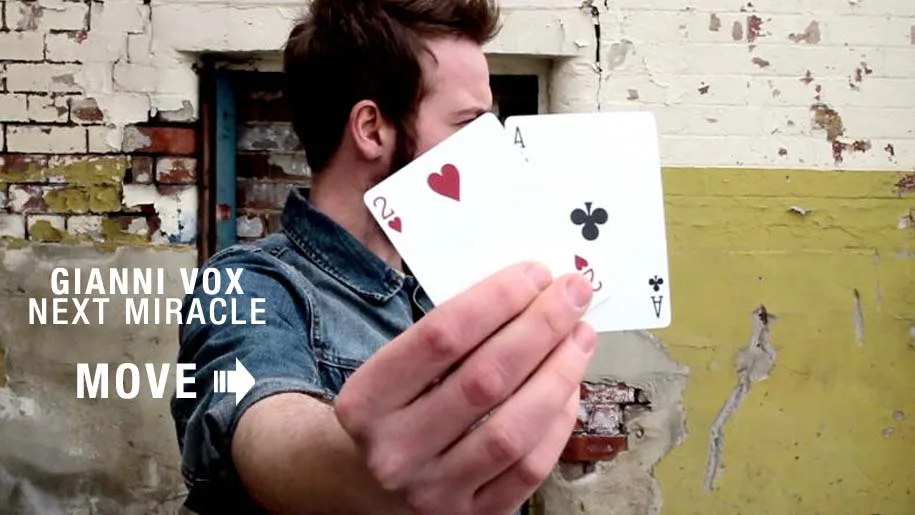
- Revive: The world's first ultra visual, super practical, no palming, no extra pieces, easy 360 degree torn and restored... and it's signed! This effect ticks several street boxes: it's visual, can be performed surrounded, and doesn't require palming or extra pieces that might be difficult in a crowded environment. The signed element adds a personal touch that street audiences love.
- Throw: The deck is spread and the spectator asked to name any card they see, before being cleanly squared and placed on the table. The deck is quickly riffled up the side and a single Joker expertly thrown into the side. The cards are immediately spread, and the face-up Joker and the card below it withdrawn. This trick has a strong visual moment (the throw) and involves spectator participation. However, it requires a table or flat surface, which might be a limitation for pure street work. Consider if you have a portable surface or if you can adapt the handling.
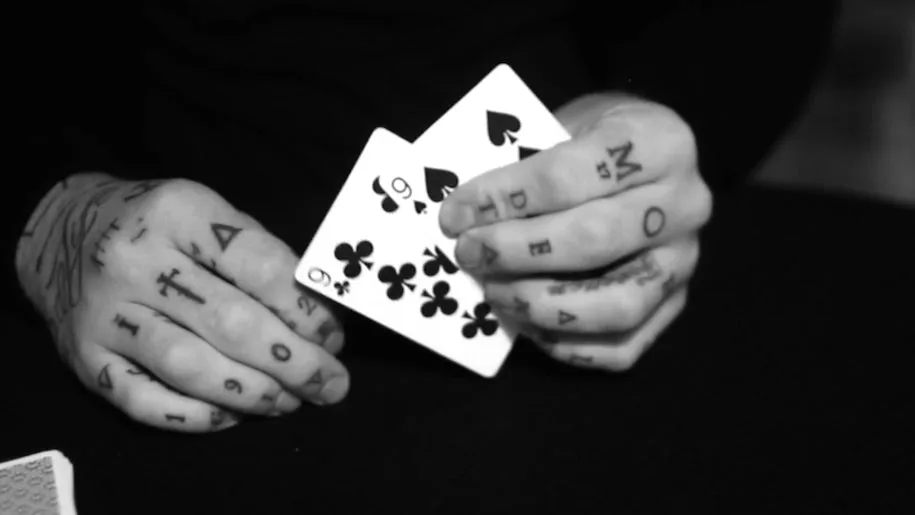
- 4 Aces: With a borrowed deck, you can perform a simple yet SHOCKING effect. Where the spectator takes a shuffled deck and cuts directly to the Four Aces. Using a borrowed deck is perfect for street because you don't need to carry your own cards, and it eliminates reset time. The effect is straightforward and can be done surrounded, making it a strong choice for walk-up performances.
Who Should Choose What
Best for
- Street performers who need visual, self-contained tricks that work surrounded by pedestrians.
- Magicians who prefer using borrowed decks to minimize props and reset time.
Not for
- Performers who have a dedicated table or stage setup and can use larger props.
- Those who prefer close-up, intimate settings where subtlety is more important than visual impact.
Selecting street magic is about matching the trick to the environment. Keep your choices visual, practical, and interactive, and you'll be ready to handle whatever the sidewalk throws at you. Test your selections in real conditions, and don't be afraid to adapt or replace effects that don't hold up.