Quick Answer
To set up a calming sensory corner, choose a quiet, low-traffic area and define it with a soft rug or mat. Add comfortable seating, a sensory swing if space allows, and a few calming tools like fidgets or liquid tiles. Keep it simple, organized, and free of clutter to create a space that promotes self-regulation.
A calming sensory corner can be a game-changer for kids (and adults) who need a quiet spot to reset during a busy day. Whether you're setting one up in a classroom or a cozy corner of your living room, the goal is to create a space that feels safe, cozy, and inviting—not overstimulating.
This guide walks you through the essential steps, from choosing the right location to selecting sensory tools that actually help. We'll also point out common mistakes to avoid, so you can build a corner that works in practice, not just in theory.
Step 1: Choose the Right Location
Start by picking a spot that's away from high-traffic areas and loud noises. In a classroom, that might be a corner near a wall, away from the door and pencil sharpener. At home, look for a nook in the living room or bedroom that feels relatively quiet and separate from the main play area.
The location should have enough space for a mat or rug and allow the child to move freely without bumping into furniture. Also consider lighting: natural light is great, but if it's too bright, you can add a dimmer or use a lampshade to soften the glow.
- Check the area for potential distractions like windows with busy views or noisy heating vents.
Step 2: Define the Space with a Mat or Rug
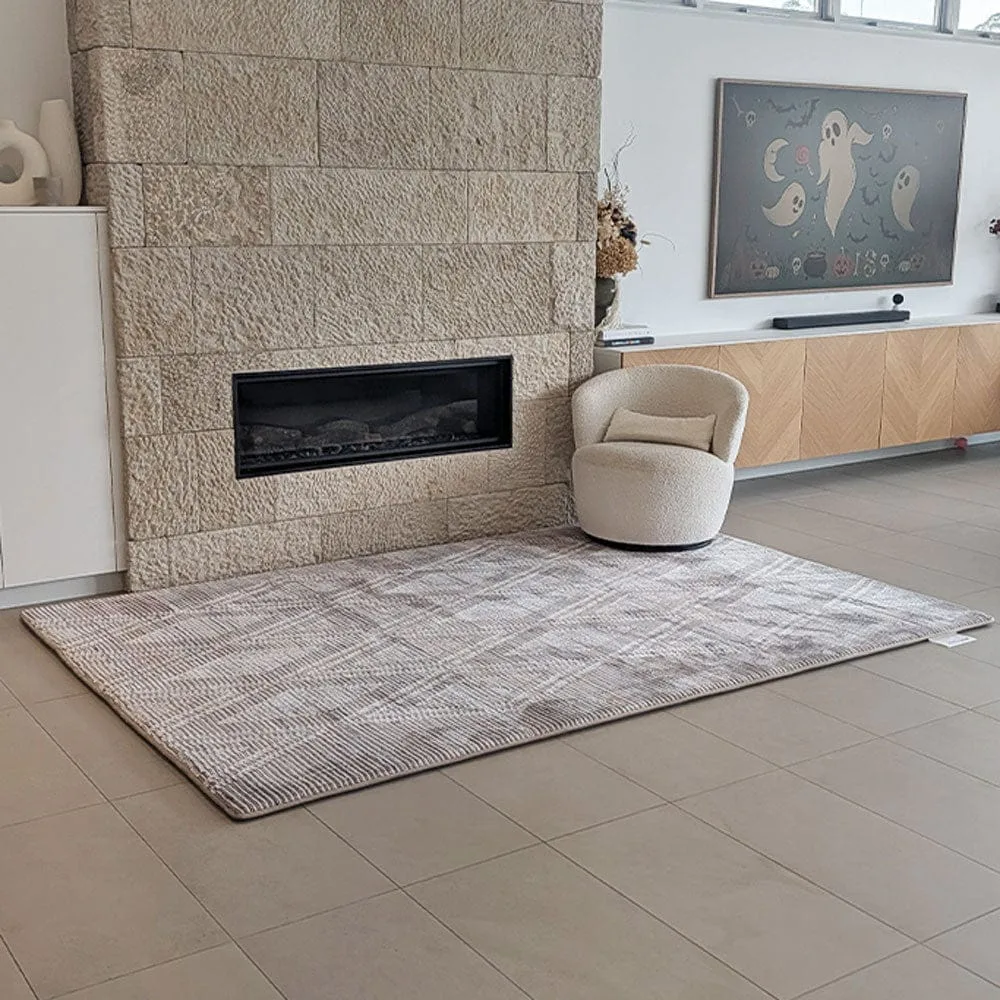
A mat or rug helps visually and physically mark the boundary of the sensory corner, signaling to the child that this is a special place. Look for something soft and supportive that can cushion sitting or lying down. The Mellow Mat® Soft Orbit 3D, for example, features raised circular patterns that add tactile interest and a luxurious feel underfoot, making it both comfortable and engaging.
When placing the mat, make sure it's on a flat surface and doesn't create a trip hazard. In a classroom, you might need to tape down the edges or choose a mat with a non-slip backing. Remember, the mat is the foundation of your corner, so invest in quality that can withstand daily use.
- Consider the size: a mat that's too small won't define the space, and one that's too large may overwhelm the area.
Step 3: Add Comfortable Seating and Support
Seating should allow the child to sit comfortably while engaging in calming activities. Beanbags, floor cushions, or a low chair work well. For kids who need to move while sitting, a wobble stool can provide gentle rocking and bouncing, which helps some children focus and settle.
If you're using a traditional chair, make sure it's the right height for the child's feet to touch the floor. For floor seating, you can add pillows or a weighted lap pad for extra comfort. The key is to offer options so the child can choose what feels best for their body.
- Avoid seating that's too confining; the child should be able to get in and out easily.
Step 4: Incorporate Movement with a Sensory Swing
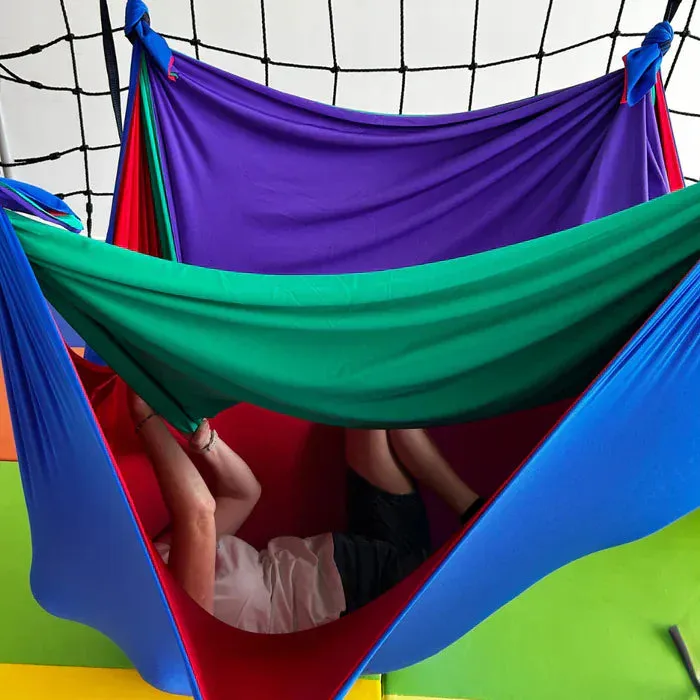
A sensory swing can be a powerful addition to a calming corner, providing deep pressure and vestibular input that promote calm and body awareness. If you have ceiling support or a sturdy frame, a Layered Lycra Therapy Hammock creates a cocoon-like space that many children find soothing.
When installing a swing, always follow the manufacturer's safety guidelines and check weight limits. Ensure there's enough clearance around the swing and that the mounting point is secure. If a swing isn't feasible, consider other movement options like a rocking chair or a balance board.
- If you're renting or can't drill into ceiling, look for a freestanding swing frame.
Step 5: Choose Calming Tools and Activities
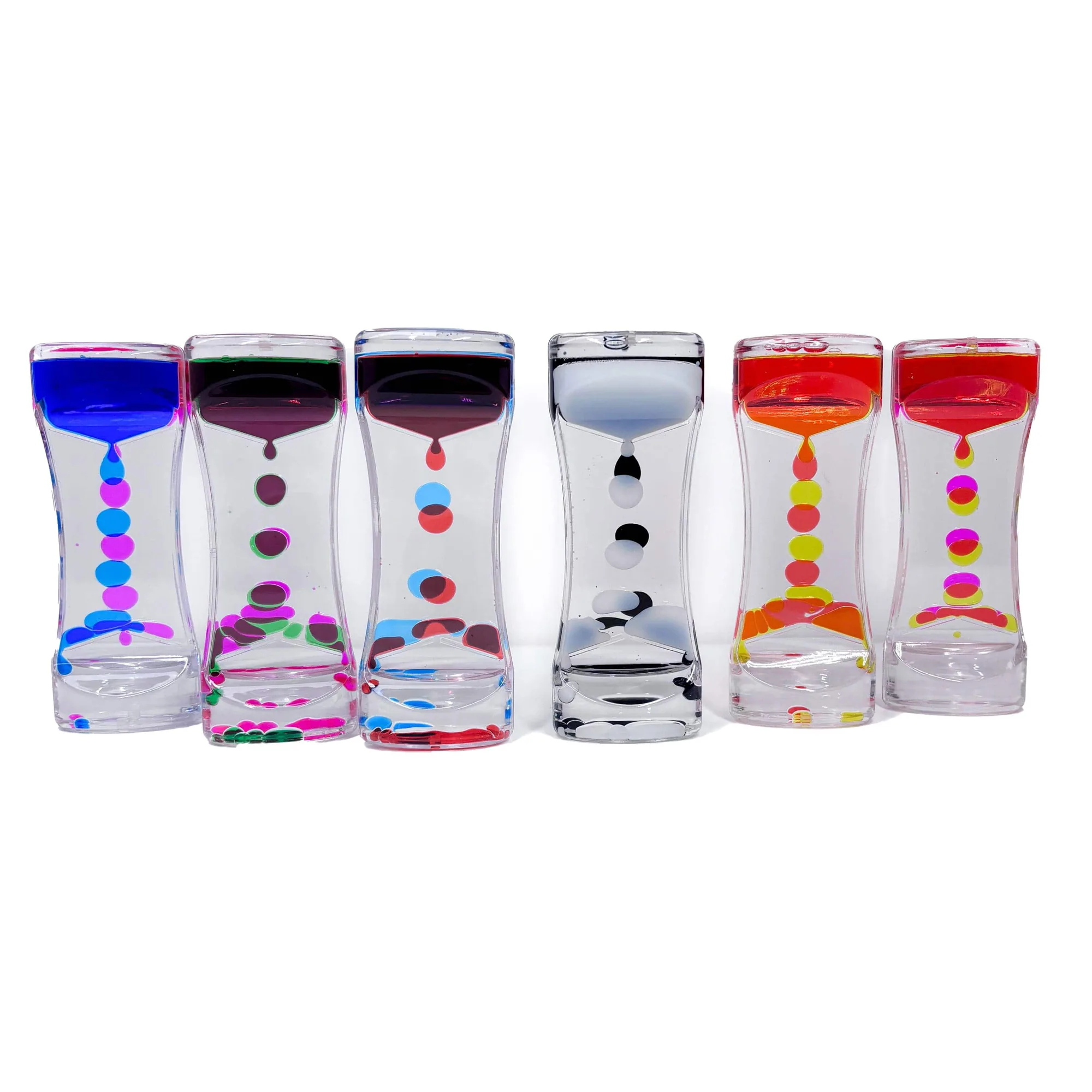
The tools you place in the corner should support the child's sensory needs without causing clutter. A few well-chosen items are better than a pile of toys. Consider including fidgets, squishy balls, or liquid floor tiles that provide visual and tactile feedback. For example, Square Liquid Floor Tiles ripple and swirl with pressure, offering a mesmerizing, calming effect that encourages focus.
Other ideas include noise-canceling headphones for auditory sensitivity, a visual timer to help with transitions, or a feelings chart for emotional expression. Rotate items periodically to keep the corner interesting, but avoid overstimulating with too many choices.
- Ask the child what they find calming and include their preferences.
Step 6: Establish Rules and Routines
A sensory corner works best when there are clear guidelines for its use. In a classroom, you might set a rule that one child at a time can use the corner, or that it's for taking a break, not for playtime. At home, you can create a visual schedule that shows when it's appropriate to use the corner.
Teach the child how to use the space: for example, take three deep breaths, use the swing for a few minutes, or simply lie on the mat until they feel calm. Model the behavior yourself and be consistent. Over time, the child will learn to self-regulate and use the corner independently.
- Post visual reminders of the steps to calm down, like 'breathe', 'squeeze', 'rest'.
Step-by-Step Setup Checklist
- Pick a quiet spot: Choose a low-traffic area away from noise and distractions. Consider light and space for movement. Check: Is there enough room for a mat and a child to stretch out?
- Lay down a mat or rug: Use a soft, supportive mat to define the area. Ensure it's non-slip and safe. Check: Does the mat feel comfortable and inviting?
- Add flexible seating: Include options like floor cushions, a small chair, or a wobble stool for movement-friendly sitting. Check: Can the child sit comfortably and get up easily?
- Install a sensory swing (optional): If space and structure allow, add a therapy hammock or swing. Follow safety instructions and verify weight limits. Check: Is the swing securely mounted and clear of obstacles?
- Select calming tools: Choose a few items like fidgets, liquid tiles, or headphones that match the child's sensory needs. Check: Are the tools organized and not overwhelming?
- Set clear guidelines: Explain how and when to use the corner. Use visuals or a timer to support routine. Check: Does the child understand the expectations?
Products That Help Build Your Sensory Corner
- The Mellow Mat® Soft Orbit 3D (Soft Touch Sensory Tatami Rug) 3D06: Its raised circular patterns add depth and movement underfoot, crafted in a warm ivory tone that adds a clean, elevated finish to any room. The tactile surface provides gentle sensory input while defining the corner's boundaries, making it both comfortable and functional for sitting or lying down.
- Layered Lycra Therapy Hammock - 4 or 6 Layers: A premium layered Lycra therapy hammock that creates a soft, cocoon-like space for movement, calm, and sensory exploration, offering deep pressure plus gentle vestibular and proprioceptive input. This hammock can be a focal point of your sensory corner, providing a safe space for children who need deep pressure to calm and self-regulate.
- Square Liquid Floor Tiles, Set of 6 for Sensory Play: Squishy, colour-filled tiles that ripple and swirl as you step, press or crawl across them, with a clean square shape that makes them easy to line up into paths or grids. These tiles offer calming visual and tactile stimulation, perfect for a quiet activity that helps children focus their attention and relax.
Setting up a calming sensory corner doesn't require a big budget or a lot of space. With a thoughtful location, a comfortable mat, and a few purposeful tools, you can create a retreat that helps children self-regulate and refocus. Start small, observe what works, and adjust as needed. The best sensory corner is one that meets the unique needs of the child who uses it.