Quick Answer
Set up Barenpark by giving each player a park board and placing the tiles and animal houses within reach. On your turn, choose a tile, place it on your board, and possibly claim an animal house. Score points for completed enclosures and animal houses at game end.
Understanding the Goal and Key Concepts
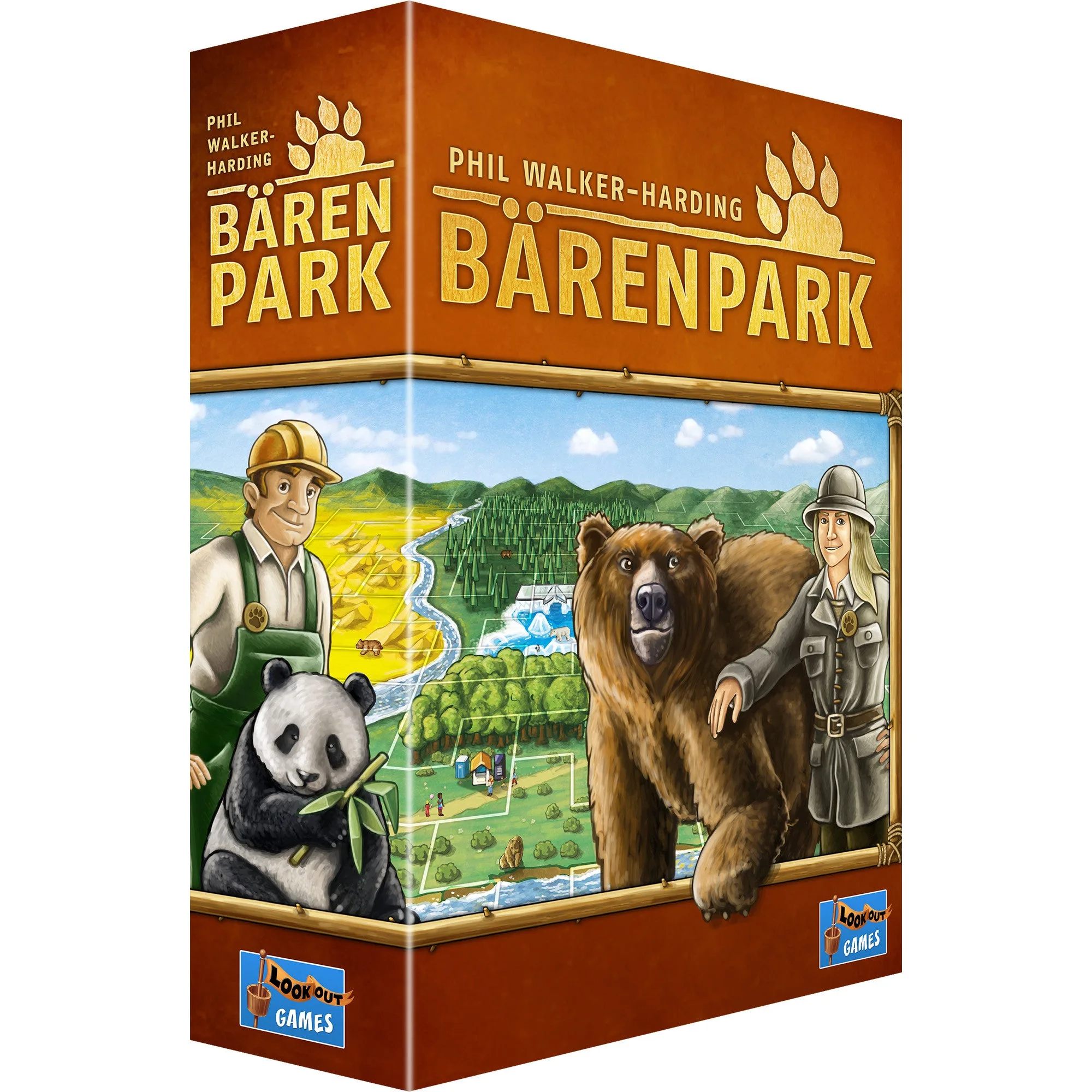
Barenpark is a competitive tile-laying game where you build a bear park by fitting polyomino tiles into your park board. Each tile shows a bear enclosure or a facility like a restroom or kiosk. You also place animal houses that give bonus tiles and points. The player with the most points after all tiles are placed wins.
A common mistake is rushing to fill your board without considering future tile shapes. Leave room for larger tiles that score more points.
What You Need to Know Before Your First Game
Barenpark plays 2 to 4 players and takes about 30-45 minutes. The game includes a main board with four tile queues, four park boards (one per player), and several types of tiles and animal houses. The rulebook is straightforward, but the scoring can be tricky for new players.
One trade-off: claiming an animal house early gives you bonus tiles, but it also uses up a valuable space on your board. Decide whether the bonus is worth the space cost.
Step-by-Step Guide to Playing Barenpark
- Set Up the Game: Place the main board in the center. Shuffle the tile tiles and place four face-up in the queue. Give each player a park board, a set of starting tiles (the three small green tiles), and a player aid. Place the animal houses and bonus tiles nearby. Make sure the tile queue is always refilled to four tiles after each pick.
- Take Your Turn: Choose and Place a Tile: On your turn, choose one tile from the queue and place it on your park board. Tiles must fit entirely within the grid and cannot overlap. You may rotate the tile but not flip it. After placing, refill the queue from the draw pile. Check the tile shape before committing—some tiles are harder to fit later. A common mistake is picking a tile that doesn't leave room for a larger tile you need.
- Claim an Animal House When Eligible: If your placed tile covers a space with a paw print icon, you may immediately take the corresponding animal house tile from the main board. Place it on your park board, covering the paw print. Animal houses give you bonus tiles (like the green starting tiles) that you can use on future turns. Claiming an animal house early can give you more options, but it also uses up a space. Only claim it if the bonus tile helps your strategy.
- Continue Playing Until All Tiles Are Placed: Players take turns in clockwise order. The game ends when the draw pile is empty and no more tiles can be placed from the queue. Each player may have a few empty spaces left on their board. Don't panic about empty spaces—they don't lose points. Focus on completing enclosures and animal houses for the highest score.
- Score the Game: Score points as follows: each completed enclosure (a 2x2 or larger area of the same tile type) scores points based on its size (e.g., 2x2 = 4 points, 3x3 = 9 points). Each animal house scores 3 points. Bonus tiles from animal houses also score points as indicated on the tile. The player with the highest total wins. A common scoring mistake is forgetting to count bonus tiles from animal houses. Double-check your animal house tiles and their point values.
Product Details
-
Barenpark: Your town is planning a new bear park, and you have been hired to build it! Since animal welfare and species-appropriate housing is a matter dear to your heart, you're going to build large enclosures and specious animal houses. This theme explains why you want to fit large tiles and animal houses into your park board—they score more points and reflect the game's focus on animal welfare.
Barenpark