Quick answer
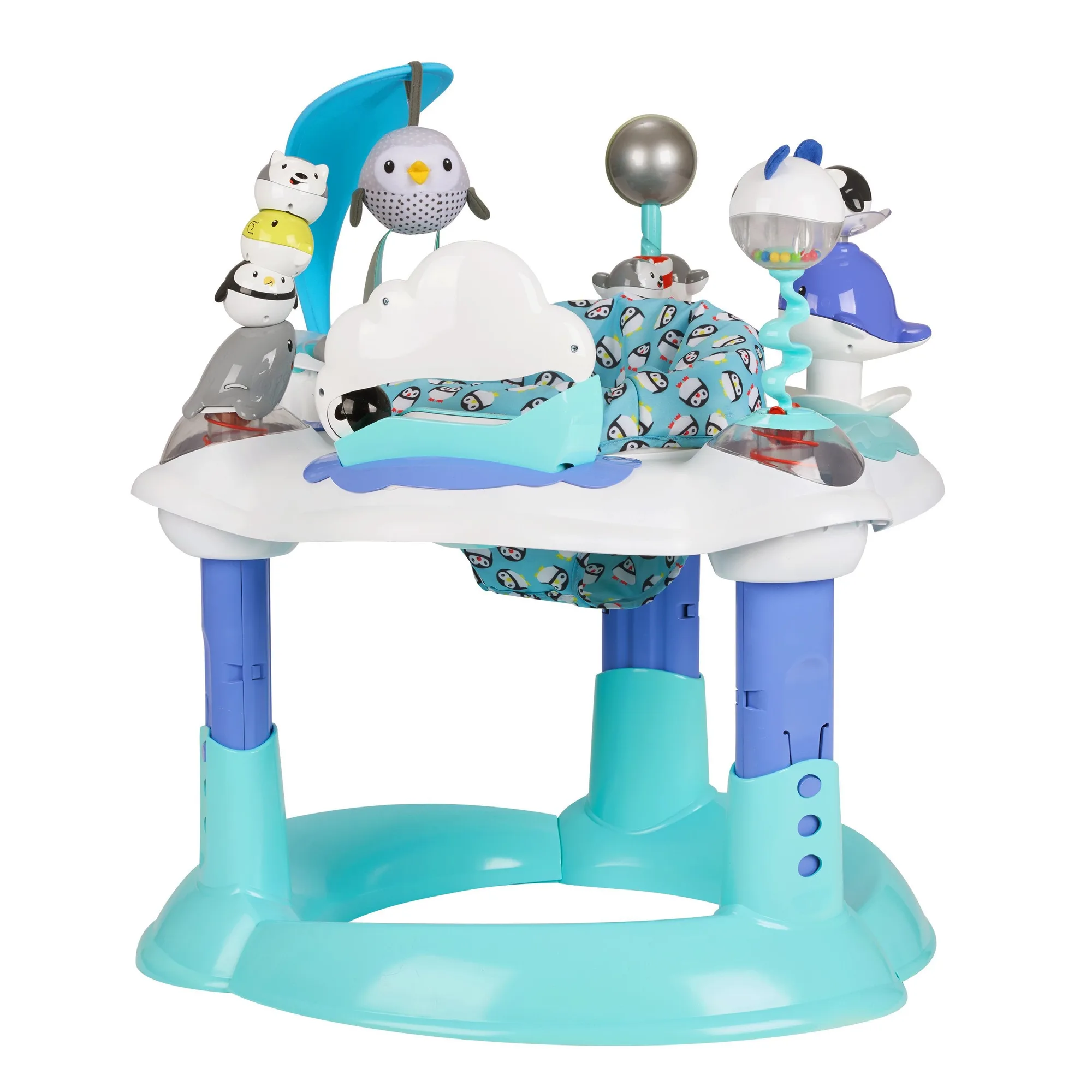
Set up a baby activity center on a flat, stable surface in a room where you can see your baby at all times. Clear at least a few feet of open floor space, check that the seat rotates freely and all toys are secure, and confirm your baby meets the activity center age range before the first use. Most activity centers are designed for babies who can hold their head up steadily and are not yet walking, so check the manufacturer's instructions for your specific model.
Choose the right spot before you unpack the box
The best location for a baby activity center is a room you use often, such as the living room or kitchen, so your baby stays within sight while you cook, fold laundry, or answer email. Avoid placing it near stairs, space heaters, floor lamps, or furniture with sharp corners. A flat, hard floor or a low-pile rug works better than thick carpet because a stable base keeps the activity center from tipping when your baby leans or bounces.
Measure your floor space and clear the zone
Baby activity center floor space matters more than most parents expect. You need enough room for the activity center itself plus a buffer zone on all sides so your baby cannot reach shelves, cords, pet bowls, or hot drinks. As a rule of thumb, leave at least two feet of clear space around the entire unit. If you are short on room, a compact activity center or a doorway jumper may fit better, but never squeeze a full-size unit into a tight corner where it cannot be circled safely.
Assemble the activity center and check every connection
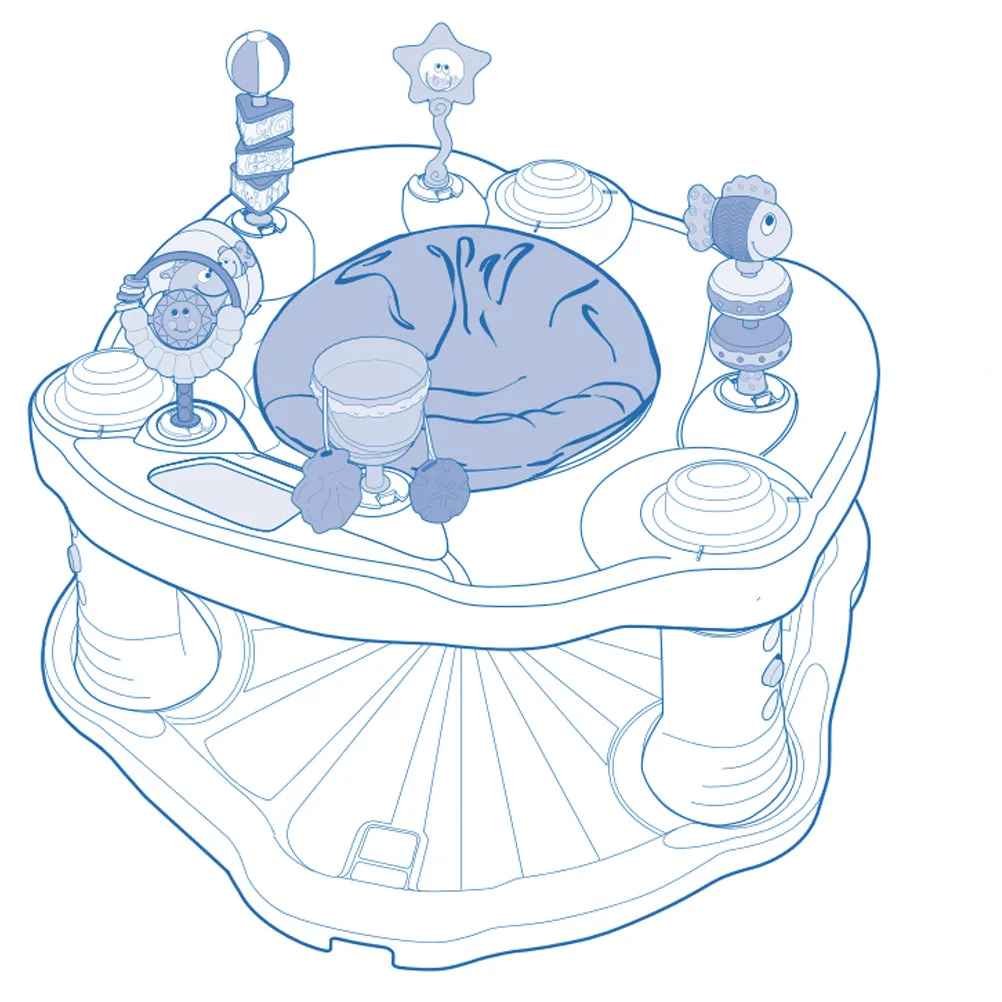
Follow the manufacturer's assembly instructions in order and tighten all screws, bolts, and clips fully. Give the seat a firm push and pull to confirm it is locked into the base, then spin it through a full rotation to make sure it moves smoothly without catching. Check that all toys, mirrors, and electronic components are attached securely and that battery compartments are screwed shut. A common mistake is leaving a toy loosely clipped or a strap dangling, which a curious baby can grab and pull.
Confirm your baby is ready for an activity center
The activity center age range varies by model, but most are intended for babies who can hold their head up without support, typically around four to six months, and who are not yet walking or climbing out. Always check your specific product manual for the exact weight and height limits. If your baby cannot yet sit with head control or is already pulling to stand, an activity center may not be the right choice. When in doubt, ask your pediatrician whether your baby's physical development matches the activity center's design.
Set a daily routine and supervise every session
Use the activity center for short, supervised play sessions rather than as a container where your baby spends long stretches. Many pediatric physical therapists suggest limiting time in any stationary seat and balancing it with floor play, tummy time, and free movement. Keep sessions to 15–20 minutes at a time, and always stay in the same room. If your baby falls asleep, becomes fussy, or tries to climb out, take them out right away.
Do a quick safety check before every use
Before you place your baby in the activity center, scan for hazards: cords within reach, small objects on the floor, pets underfoot, and any loose parts on the unit. Make sure the base is fully open and locked, the seat is at the correct height for your baby's legs, and the surrounding floor is dry. If your home has hard flooring, consider placing a thin, non-slip mat underneath to keep the activity center from sliding.
Baby-proof the surrounding room while you are at it
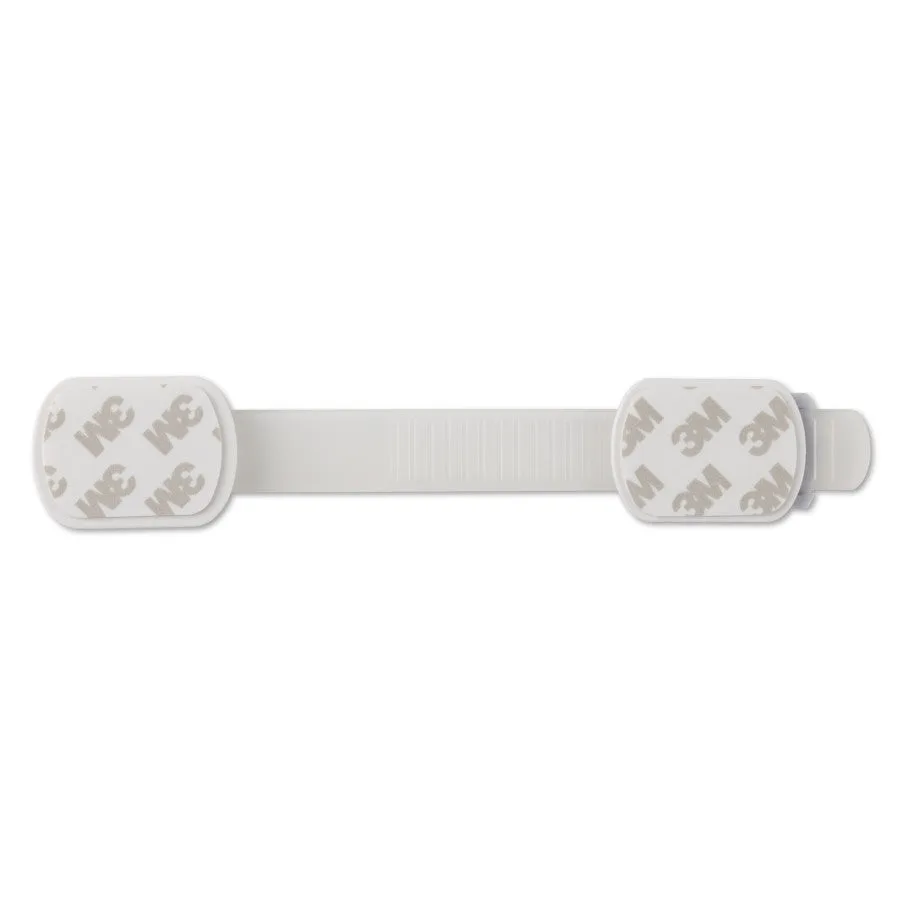
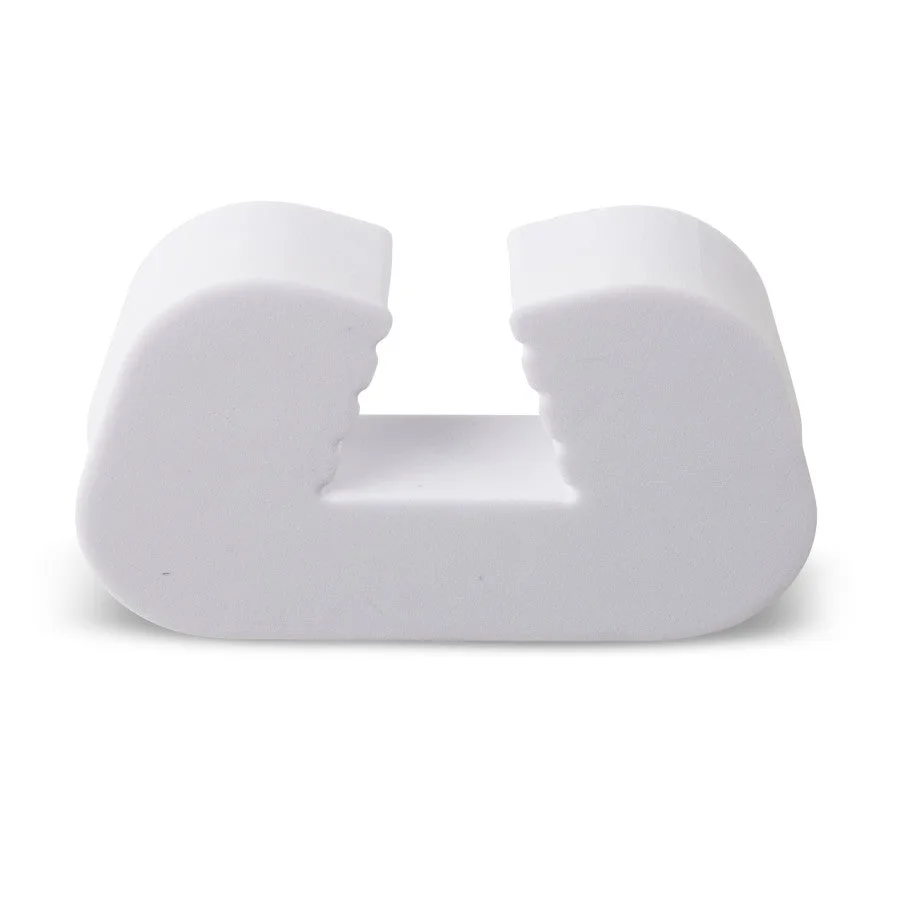
An activity center keeps your baby occupied, but it does not baby-proof the room. While your baby plays, they can still reach doorknobs, cabinets, and outlets nearby. Evenflo Doorknob Covers are a simple addition for rooms you want to keep off-limits; they snap around most standard round doorknobs and twist on to stay secure. Combine them with outlet covers, cabinet latches, and cord shorteners so the whole play zone is safer, not just the activity center itself.
Step-by-step activity center setup
- Pick a supervised, flat spot: Choose a room you are in often and place the activity center on a flat, stable surface away from stairs, heaters, and cords. Checkpoint: you can see and reach your baby within a few steps.
- Clear the floor space: Leave at least two feet of open space on all sides so your baby cannot grab shelves, pet bowls, or dangling cords. Common mistake: pushing the unit into a corner where you cannot walk around it.
- Assemble and lock everything: Follow the manual, tighten all fasteners, spin the seat through a full rotation, and tug each toy to confirm it is secure. Checkpoint: no wobble in the base and no loose straps or toys.
- Match the age and size limits: Use the activity center only when your baby can hold their head up steadily and is within the weight and height range in your manual. Common mistake: assuming all activity centers fit all babies—check your specific model.
- Keep sessions short and supervised: Limit activity center time to 15–20 minutes and balance it with floor play and tummy time. Checkpoint: your baby is calm, upright, and not trying to climb out.
- Do a pre-use safety scan: Before each session, check for cords, small objects, pets, and that the base is fully open and locked. Next step: baby-proof nearby doors and cabinets so the whole area is safer.
Product facts that support a safe setup
- Doorknob Covers Support: Evenflo Doorknob Covers are made of high-quality plastic and fit most standard, round doorknob sizes. They install by snapping the top and bottom halves together around the knob, then twisting the threaded round face cover on until secure. If your activity center is near a door you want to keep closed, these covers add a layer of baby proofing without tools or permanent changes.