Quick answer
Set up a concealed everyday carry chest rig by choosing a low-profile, elastic or laser-cut platform that sits flat against your torso, then limit your loadout to the essentials: a holster or insert, one spare magazine or tool, and cable management. Wear it under a loose mid-layer or jacket, and test your draw and access before you rely on it. The goal is a discreet tactical carry that doesn't print or shift during normal movement.
Choose a platform that stays flat under clothing
Not every chest rig is suited for concealed everyday carry. Look for a minimal chest rig build with a thin, flexible back panel and elastic or laser-cut slots rather than bulky pouches. A rig that lies flat against your chest will not create obvious ridges under a jacket. Avoid rigid, thick platforms that are designed for overt tactical use, because they will print through most civilian clothing. If you already own a larger rig, consider whether it can be stripped down or whether a dedicated low-profile option makes more sense.
Build a minimal loadout for everyday carry
The more you attach, the harder it is to conceal. For everyday carry chest rig use, start with a single holster or insert for your primary tool, one spare magazine or essential accessory, and nothing else. If you carry a phone, a small light, or a tourniquet, use flat, elastic pouches that hug the body. Remember that anything with hard corners or buckles will create a visible outline. Test your loadout by wearing it under your chosen cover garment and checking in a mirror from multiple angles.
Route and secure cables and wires
If you run communications gear, a battery pack, or any wired accessory, cable management is critical for both comfort and concealment. Loose wires can snag during a draw or create lumps under clothing. Use small hook-and-loop cable ties or adhesive clips to route wires along the rig's surface and keep them close to the body. Make sure any cable loops are flat and do not interfere with your access to the holster or pouches.
Adjust fit for comfort and concealment
A concealed chest rig should sit high on the chest, roughly between the collarbone and the lower sternum, so it stays above the waistline and doesn't collide with a belt or pants. Tighten the straps just enough to prevent shifting, but not so tight that it restricts breathing or creates pressure points. Wear it over a thin base layer and under a loose mid-layer or jacket. Walk, sit, and reach overhead to confirm the rig stays put and doesn't print. If you need a belt-based option for additional load, consider a dedicated battle belt, but keep the chest rig itself minimal for true concealment.
Step-by-step concealed chest rig setup
- Start with a flat, low-profile rig: Choose a chest rig with a thin back panel and elastic or laser-cut slots. Avoid bulky pouches or rigid platforms that add thickness. Checkpoint: Put on the empty rig under your cover garment and look for any obvious outline before adding gear.
- Mount only the essentials: Attach a holster or insert for your primary tool and one spare magazine or accessory. Use flat, elastic pouches for anything else. Common mistake: Overloading the rig with admin pouches or hard objects that print through clothing.
- Manage cables and wires: Route any comms or battery cables along the rig using hook-and-loop ties or clips. Keep them flat and away from your draw path. Checkpoint: Tug gently on each cable to ensure it stays secured during movement.
- Adjust the fit high and snug: Position the rig between your collarbone and lower sternum. Tighten straps until it stays in place without restricting breathing. Common mistake: Wearing the rig too low, where it interferes with a belt or pants and becomes uncomfortable when sitting.
- Test concealment and access: Wear your normal cover garment and practice drawing or accessing your gear. Move around, sit, and reach overhead. Checkpoint: If you see printing or feel shifting, remove one item or adjust the fit before carrying daily.
Gear that supports a discreet setup
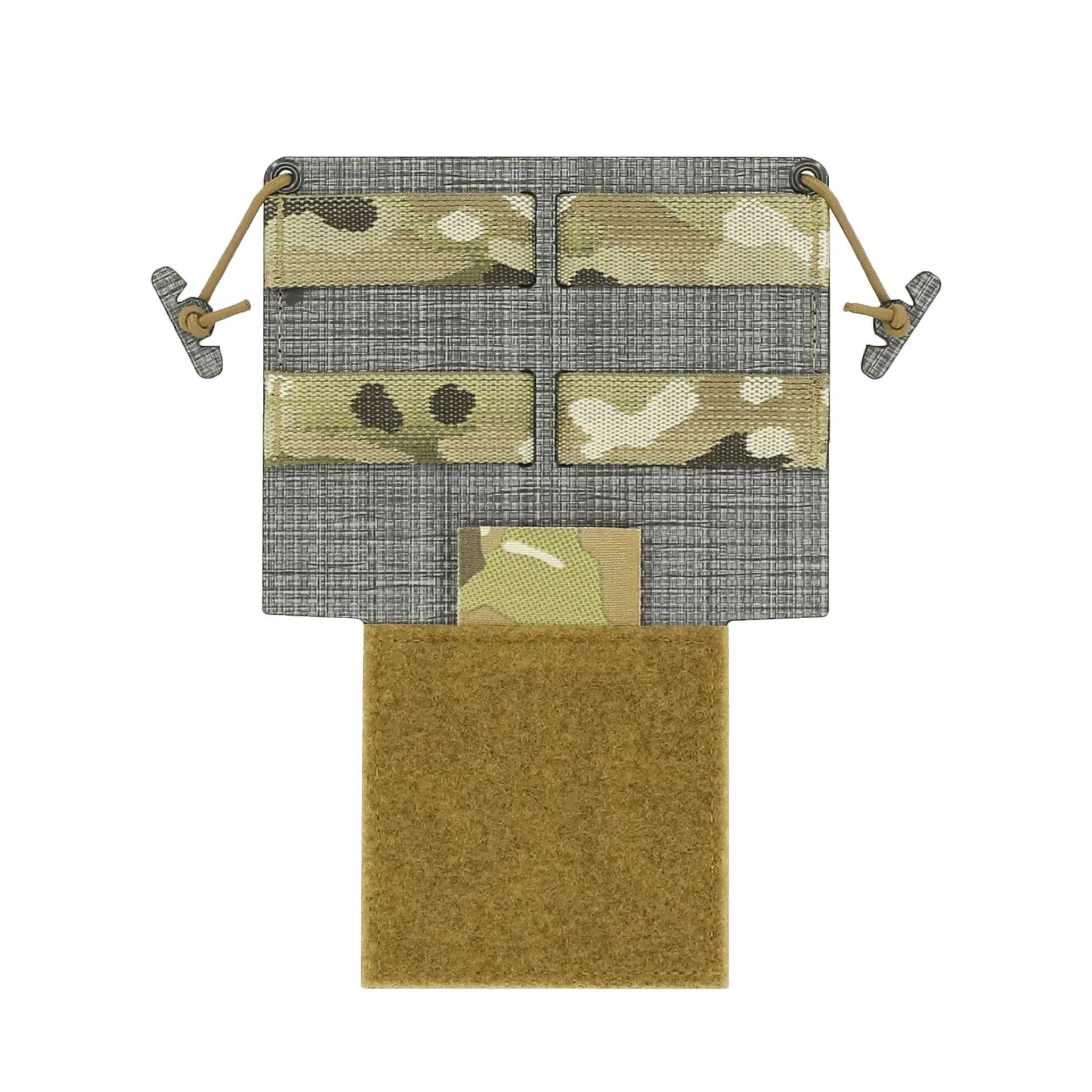
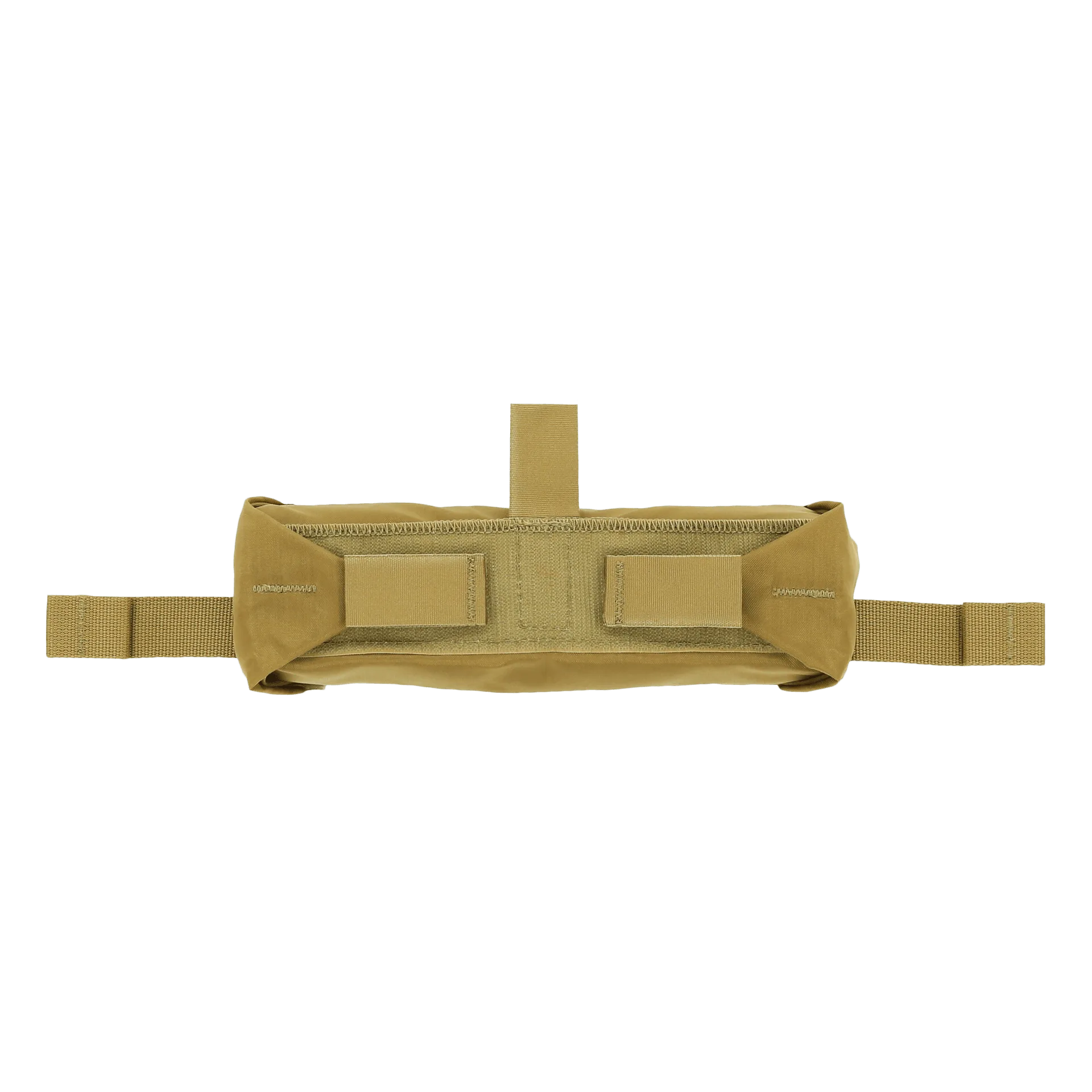
- Chesty ATAK Panel: The Chesty ATAK Panel is a simple and secure way to integrate an ATAK device to the chest area of the Chesty Rig platform. It is constructed from laser-cut thermoplastic. If you use an ATAK device for navigation or team coordination, this panel adds that capability directly to your chest rig without a separate mount, keeping your setup streamlined.
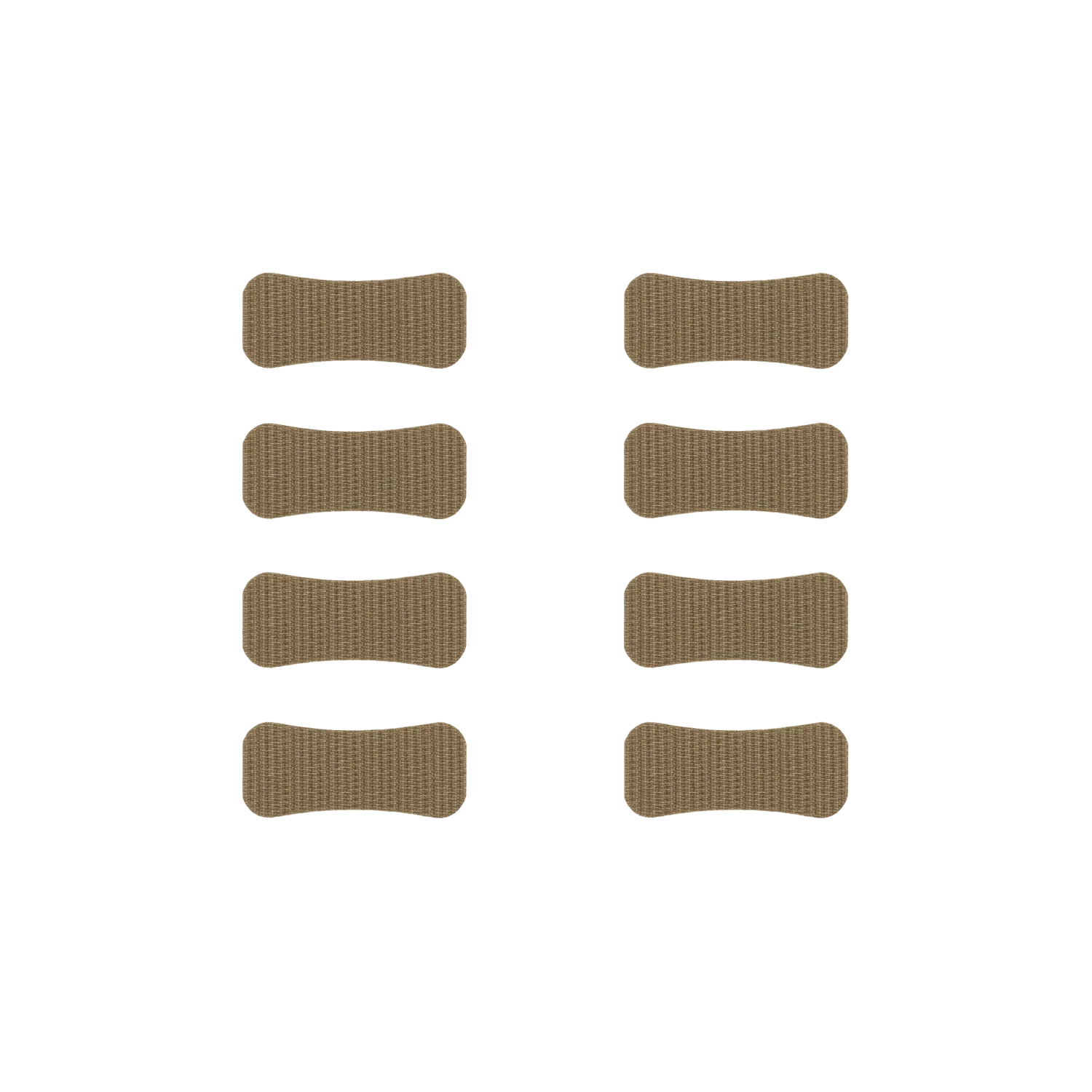
- CableAids™: CableAids are small pieces of Velcro designed to make cable management easier. They are one-sided hook Velcro, cut for optimal contact, and come in a set of 8. These let you secure NVG battery pack cables, comms wires, or any other cord flat against your rig, reducing snags and visible lumps under a jacket.
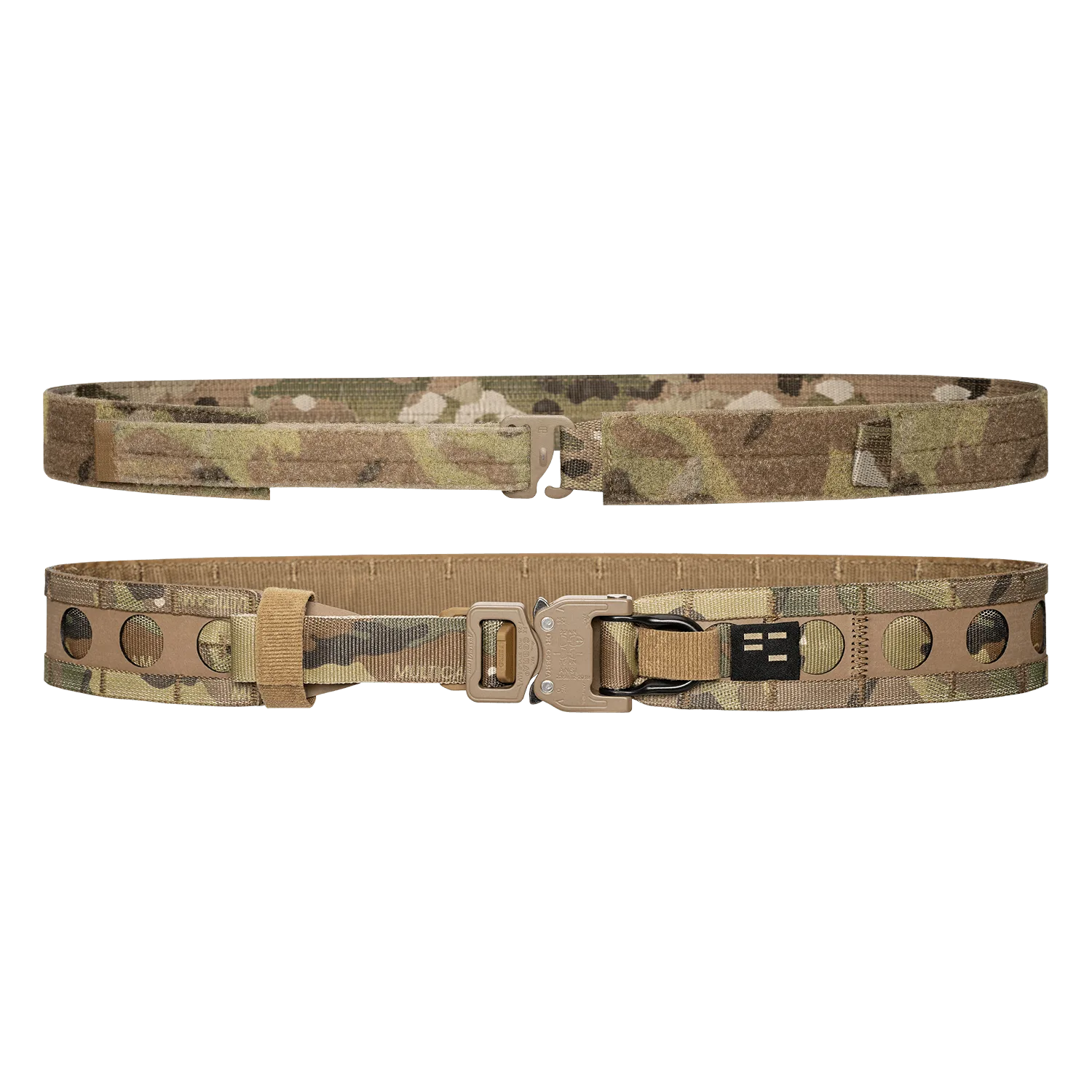
- Bora Belt™: The Bora Belt is sized to your actual waist, not your pants size. It was developed with special operations and law enforcement professionals as a rugged platform for your loadout. If you prefer to distribute some everyday carry weight to your waist, a properly sized belt keeps the chest rig lighter and more concealable.