Quick Answer
Treat water resistant canvas like a medium-heavy woven: use a fresh 90/14 or 100/16 needle, all-purpose or polyester thread, and a slightly longer stitch length of 3.0 to 3.5 mm. Avoid backstitching over coated seams, press with low heat from the wrong side, and clip or bind raw edges because WRC fabric can fray. Test on a scrap of the same fabric before you sew your project.
Water resistant canvas behaves differently from regular cotton canvas, and that difference shows up the moment your needle hits the coating. The weave is usually tighter, the surface is smoother, and the fabric has less give, so the same machine settings that work on plain canvas can produce skipped stitches, puckers, or wavy seams here.
This guide walks through a practical order of operations for sewing water resistant canvas, from needle choice to finishing seams. It focuses on what actually changes your results: needle size, stitch length, pressing, and how you handle bulk at corners and strap joins.
Choose the Right Needle and Thread
A sharp needle matters more on WRC fabric than on uncoated canvas because the coating resists penetration. Start with a 90/14 sharp or universal needle for lighter weights and move to a 100/16 for heavier WRC or when you sew through multiple layers. If you see skipped stitches or hear a popping sound, change the needle before you change anything else.
For thread, a bonded polyester or all-purpose polyester works well because it has slight stretch and resists abrasion. Cotton thread can work, but it has less give and may break more often on tight curves. Match thread weight to your project: 40-weight for general bag making, 30-weight when you want a visible topstitch.
- Change your needle at the start of every WRC project. A dull needle is the most common cause of skipped stitches.
- If your machine skips, try a larger needle before adjusting tension.
Set Stitch Length and Tension for Coated Fabric
Coated or tightly woven fabric does not compress the way plain canvas does, so a standard 2.5 mm stitch can perforate and weaken the seam line. Increase stitch length to 3.0 to 3.5 mm. This reduces the number of holes per inch and helps the thread lock properly without puckering.
Tension is usually best left near the middle setting. If the fabric puckers, lower the top tension slightly rather than changing the bobbin. Always test on a scrap with the same number of layers you will sew in the real project, because WRC behaves differently when it is doubled or interfaced.
- Sew a test seam on two layers plus interfacing before you start the actual project.
- If the seam ripples, reduce top tension by a quarter turn and test again.
Handle Bulk at Corners and Strap Joins
Water resistant canvas can be bulky, and bulk is where most sewing mistakes happen. At corners, stop with the needle down, lift the presser foot, and pivot. If the corner is too thick, trim the seam allowance inside the corner before turning. For strap joins, grade the seam allowance by trimming one layer shorter than the other to reduce lumpiness.
When you sew over a thick intersection, hand-turn the flywheel for the first few stitches. This gives you control and prevents needle deflection. A hump jumper or a folded scrap of fabric under the back of the presser foot can help the foot stay level as it crosses the thick spot.
- Never force the fabric through. If it will not feed, hand-turn the wheel.
- Trim and grade seam allowances at bulky joins before you topstitch.
Press and Finish Seams Without Damaging the Coating
Heat can damage the water resistant finish, so press from the wrong side with a low to medium iron and no steam. Use a pressing cloth if you must press from the right side. Let the fabric cool flat before you move it, because pressing while hot can stretch the weave.
WRC fabric can fray, so finish raw edges inside bags with a bound seam, a zigzag stitch, or a French seam if the project allows it. For exposed seams, consider binding with a lightweight woven tape or bias strip. This also gives the seam a cleaner look and adds durability.
- No steam. Steam can leave marks and may affect the coating.
- Test your iron temperature on a scrap before pressing the finished project.
Pair WRC Fabric with the Right Zippers and Webbing
Water resistant canvas pairs well with nylon coil zipper tape because the tape is soft and sews easily without breaking needles. Size #5 zipper tape is a practical choice for handbags and pouches, and it can be cut to any length. If you want a metal look without the weight, choose a nylon coil tape with a metallic finish.
For straps and handles, printed webbing adds detail without extra bulk. Polyester webbing is strong, holds up to wear, and works on a domestic sewing machine. Match the webbing width to your hardware, and test how it folds at the ends before you commit to the final strap length.
- Use a zipper foot for coil tape and move the needle position if needed.
- Finish webbing ends with a fold and a few rows of stitching to prevent fraying.
Step-by-Step: Sewing a Water Resistant Canvas Bag
- Prepare your pattern and cut pieces: Cut all fabric pieces with sharp scissors or a rotary cutter. Mark seam allowances on the wrong side with a removable marker. Do not use pins in the coating if you can avoid it; use clips instead. Checkpoint: your pieces should lie flat without curling. If they curl, press them flat with low heat before sewing.
- Interface and stabilize where needed: Add interfacing to the pieces that need structure, such as the bag base and flap. Use a fusible interfacing appropriate for medium-weight fabric and follow the manufacturer's temperature settings. Always test on a scrap first. Common mistake: over-fusing, which can make WRC stiff and hard to turn. Use the lightest interfacing that gives the structure you want.
- Install zippers before assembling the bag body: Sew your zipper tape to the zipper opening while the pieces are still flat. Use a zipper foot and a 3.0 mm stitch length. If you are using nylon coil tape, you can sew close to the teeth and trim the tape afterward. Checkpoint: open and close the zipper several times before you sew the bag together. Fix any puckers now, not later.
- Sew the main seams with a longer stitch: Join the bag body with a 3.0 to 3.5 mm stitch length. Use a 90/14 or 100/16 needle. If the fabric is thick, hand-turn the flywheel at the start of each seam to set the stitches. Common mistake: backstitching over thick coated seams, which can break needles. Instead, leave thread tails and tie them off by hand.
- Grade and finish seam allowances: Trim seam allowances to reduce bulk, especially at corners and where the strap joins. Finish raw edges with a zigzag stitch, bound seam, or bias tape. WRC fabric can fray, so do not leave edges raw inside a bag that will see heavy use. Checkpoint: run your finger along the inside seam. If you feel a hard lump, trim or grade it before turning the bag.
- Attach straps and hardware: Sew webbing straps to the bag with a box-X stitch or several rows of straight stitching. Use a longer stitch length and a heavy needle if the webbing is thick. Test the strap placement with the bag empty before you sew. Common mistake: sewing through too many layers at once. Sew one strap end at a time and hand-turn the wheel over thick spots.
- Press and inspect the finished bag: Press the bag from the wrong side with low heat and no steam. Check all seams, zipper ends, and strap joins. Clip any loose threads and test the zipper one last time. Final checkpoint: the bag should sit flat when empty and the zipper should slide smoothly. If not, adjust before you use it.
Products That Work Well with Water Resistant Canvas
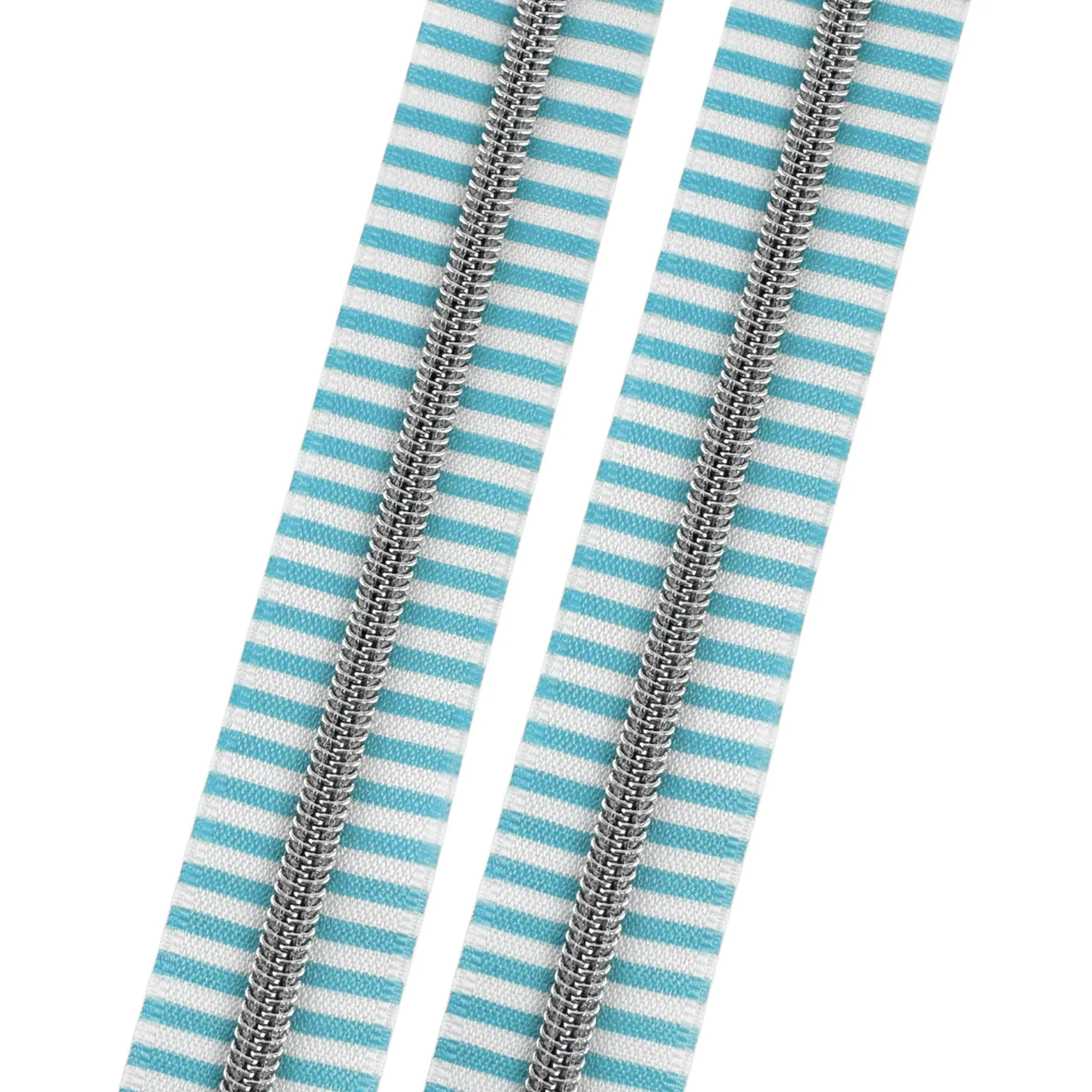
- Cloud Nine - #5 Silver Nylon Coil Zipper Tape: Size #5 zipper tape is ideal for handbags, pouches, and backpacks, and the nylon teeth can be sewn over without breaking your needles. You can cut the tape to any length and sew directly across it, which simplifies installation in WRC bags where a metal zipper would add weight and bulk.
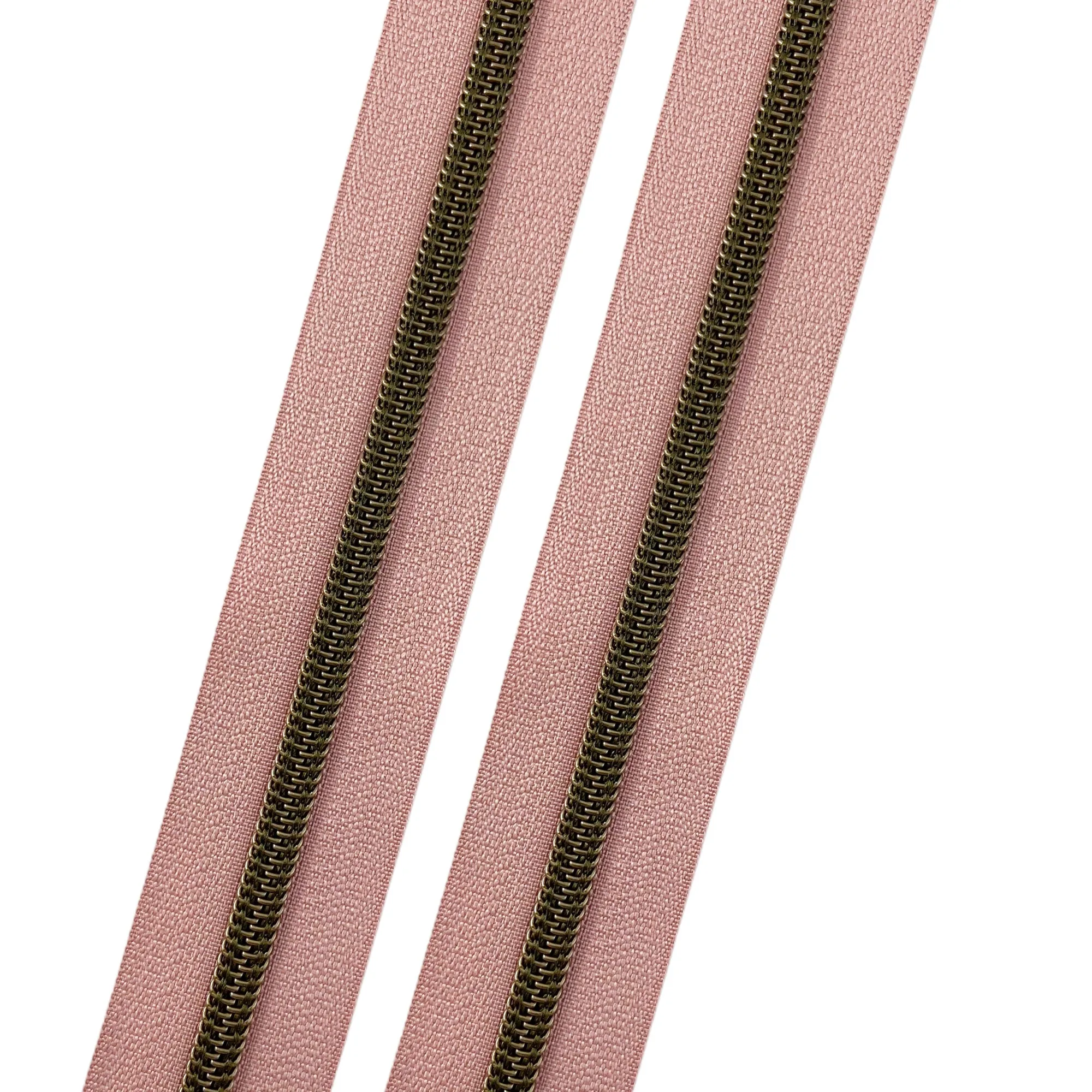
- Dusty Rose - #5 Bronze Nylon Coil Zipper Tape: This zipper tape is durable, premium, and designed to look high-end, with nylon teeth that look like metal but sew like nylon. It gives you a metallic look without the needle-breaking risk, so it pairs well with water resistant canvas on bags and pouches.
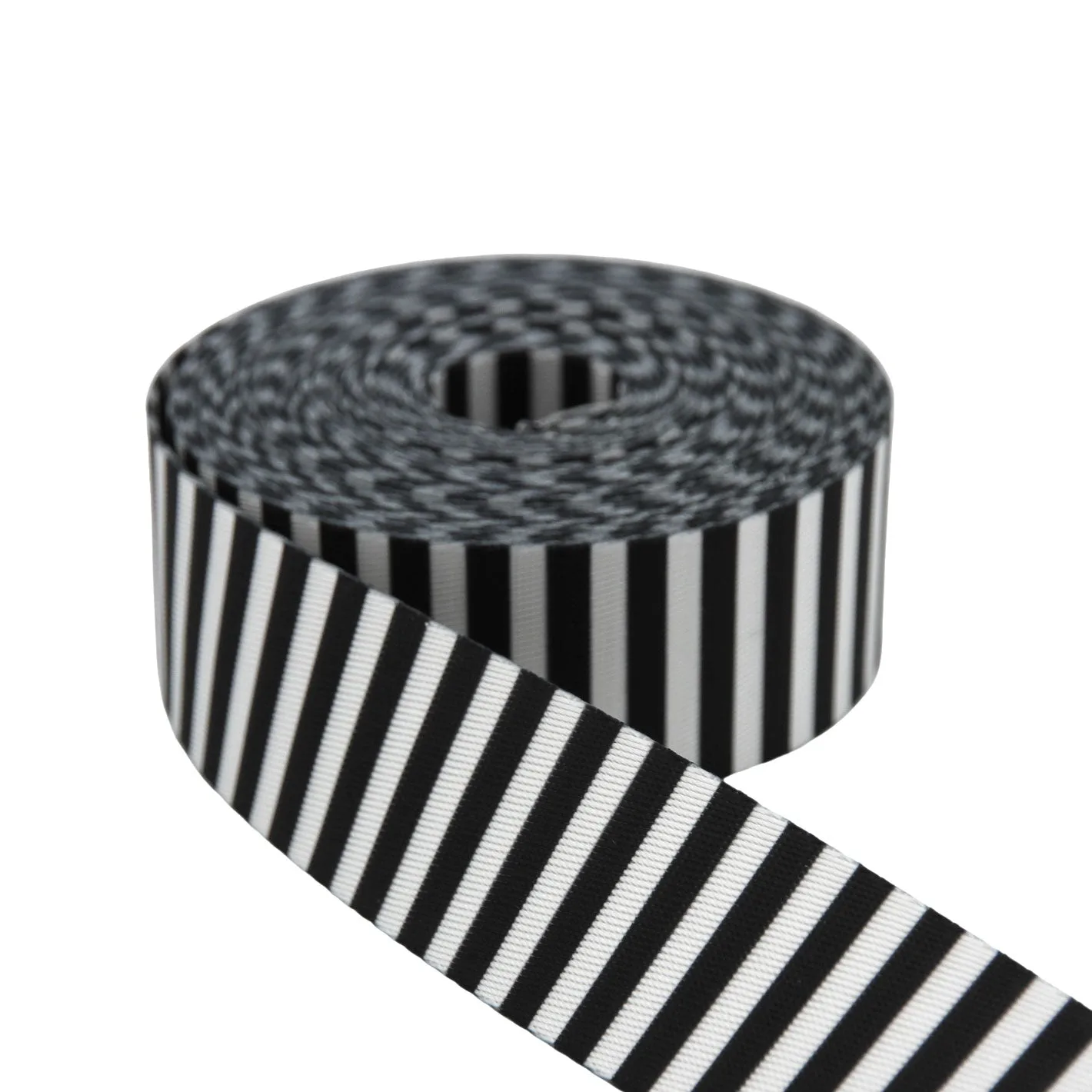
- Zebra - Printed Webbing: This printed webbing is made from polyester, is soft and pliable, and works on a domestic sewing machine without special tools. It is a practical choice for bag straps and handles that need to hold up while still being easy to sew alongside WRC fabric.
Sewing water resistant canvas comes down to a few repeatable habits: a fresh needle, a longer stitch, low-heat pressing, and careful handling at bulky seams. Test on scraps, use nylon coil zipper tape and polyester webbing where they make sense, and your WRC projects will come out cleaner and last longer.