Quick Answer
To sharpen kitchen knives at home, use a whetstone for a keen edge or a sharpening steel for routine honing. Maintain them by hand-washing, drying immediately, and storing safely. For best results, sharpen every few months and hone weekly.
A sharp knife is safer and more efficient than a dull one. It slices cleanly, reduces effort, and minimizes the risk of slips. But even the best knives lose their edge with use, so knowing how to sharpen kitchen knives at home is a valuable skill.
This guide walks you through the essentials of kitchen knife maintenance, from choosing between a sharpening steel and a whetstone to step-by-step sharpening and daily care. You'll also discover practical accessories that help protect your blades and keep them performing.
Understand Your Knife Edge and Sharpening Tools
Kitchen knives have a bevel—the angled edge that does the cutting. Over time, this edge rolls or dulls. Sharpening removes metal to create a new edge, while honing realigns the existing edge without removing material. Both are part of regular kitchen knife maintenance.
Two common tools are sharpening steel and whetstone. A sharpening steel (often called a honing rod) is used frequently to keep the edge aligned. A whetstone (soaked in water) removes more metal and is used for actual sharpening. Choose based on your needs: if your knife feels dull but still cuts, hone it; if it struggles to slice a tomato, sharpen it.
- Hone weekly with a steel to maintain the edge.
- Sharpen with a whetstone every 2-3 months or when honing no longer helps.
Step-by-Step: How to Sharpen Kitchen Knives with a Whetstone
Start by soaking your whetstone in water for 10-15 minutes. Place it on a damp cloth to prevent slipping. Hold the knife at a 15-20 degree angle against the stone. Using light pressure, slide the blade across the stone from heel to tip, as if slicing a thin layer off the stone. Repeat 10-15 times per side.
After sharpening, rinse the blade to remove metal filings. Test the edge by slicing a piece of paper—if it cuts cleanly, you're done. If not, repeat with a finer grit stone. Always finish with a few strokes on a honing steel to align the edge.
- Maintain a consistent angle—use a guide if needed.
- Don't press too hard; let the stone do the work.
Using a Sharpening Steel for Routine Maintenance
A sharpening steel is ideal for quick touch-ups between sharpenings. Hold the steel vertically with the tip resting on a cutting board. Place the knife blade against the steel at a 15-20 degree angle, then draw the blade down and across, from heel to tip. Alternate sides, repeating 5-10 times per side.
This process realigns the edge, keeping your knife sharp for longer. It's not a substitute for sharpening but an essential part of kitchen knife care tips. Use it weekly or whenever you notice reduced performance.
- Always hone before each major cooking session for best results.
- Use a steel with a coarser surface for more aggressive honing.
Daily Care and Storage to Prolong Blade Life
Proper kitchen knife maintenance goes beyond sharpening. Hand-wash your knives with mild soap and warm water, then dry them immediately. Avoid the dishwasher—it can dull blades and damage handles. Store knives in a block, on a magnetic strip, or with blade guards to prevent nicks and protect your hands.
Use a cutting board made of wood or plastic; glass or stone boards can dull edges quickly. Never cut on metal or ceramic surfaces. These simple habits will keep your knives sharp longer and reduce the frequency of sharpening.
- Hand-wash and dry immediately after use.
- Store knives separately to avoid blade contact.
Your 5-Step Home Sharpening Routine
- Assess the edge: Check if your knife is dull by slicing a tomato or paper. If it tears rather than cuts, it needs sharpening. If it still cuts but with effort, honing may suffice.
- Soak your whetstone: Submerge the stone in water for 10-15 minutes to reduce friction and prevent metal buildup. Don't skip soaking—it protects both stone and blade.
- Sharpen at a consistent angle: Hold the knife at 15-20 degrees and slide across the stone from heel to tip, 10-15 times per side. Use light pressure; let the stone do the work.
- Hone with a steel: After sharpening, run the blade along a honing steel 5-10 times per side to align the edge. This step removes burrs and leaves a cleaner edge.
- Test and clean: Slice a piece of paper to test sharpness. Rinse the blade, dry it, and store safely. A sharp knife is ready for your next meal prep.
Useful Westmark Accessories for Knife Care
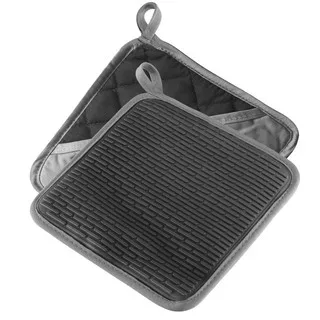
- 2 Pot holders: These Westmark pot holders are a practical addition to any kitchen, offering protection when handling hot pots, pans, and dishes. Sold as a set of two, they provide a convenient pair for everyday cooking needs. While not directly for knife sharpening, having reliable pot holders lets you safely handle hot cookware when you're prepping and cooking, so you can focus on using your sharp knives without rushing.
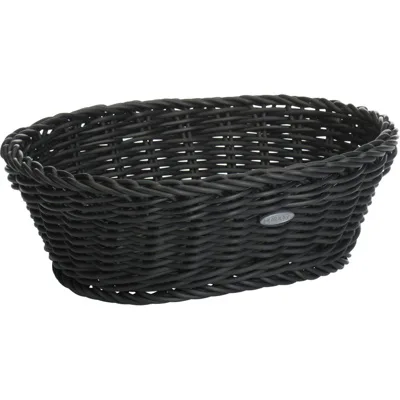
- Bowl oval, 25,5 x 19 x 8 cm, black: This Westmark oval bowl offers a sleek and practical addition to your kitchen. Measuring 25.5 x 19 x 8 cm, it is well-suited for serving or food preparation. Use this bowl to hold ingredients while you slice and dice—keeping your workspace organized and your sharp knife in action without clutter.
With these steps, you can keep your kitchen knives sharp and safe at home. Regular honing, occasional whetstone sharpening, and proper daily care will extend the life of your blades. Pair your maintenance routine with practical Westmark accessories to make your kitchen work more enjoyable.