Quick Answer
Start with the overhand shuffle to build confidence, then progress to the riffle shuffle and bridge finish for a more impressive and thorough mix.
Why the Overhand Shuffle Comes First
The overhand shuffle is the easiest technique to learn and requires minimal dexterity. It's a great way to get comfortable handling a deck and develop a natural rhythm. While it doesn't mix cards as thoroughly as the riffle shuffle, it's perfect for casual games and for beginners building foundational skills.
Riffle Shuffle: Mixing Power and Precision
The riffle shuffle offers a much better mix of the cards and is the standard for most card games. It takes more practice to master the split, the interlace, and the bridge finish. Once you get the hang of it, you'll appreciate the smoother handling and the satisfying sound of a well-executed bridge.
Deck Quality and Shuffling Ease
The condition of your playing cards significantly affects how easy they are to shuffle. New decks are stiff and can be harder to riffle, while well-used decks become more flexible and shuffle more smoothly. A quality deck, like one made of firm coated paper, will hold up well to repeated shuffling and maintain its feel over time.
Step-by-Step: Master the Overhand and Riffle Shuffle
- Step 1: Master the Overhand Shuffle: Hold the deck in your non-dominant hand. With your dominant hand, grip a small packet from the top and pull it away, letting the remaining cards fall into your palm. Repeat this motion, varying the packet size, until the deck is thoroughly mixed. Check that you're not dropping cards. Keep a firm but relaxed grip.
- Step 2: Learn the Riffle Shuffle: Split the deck into two roughly equal halves. Hold each half in your hands, with your thumbs on the top edges. Release the cards from each half so they interlace, then push them together to form a single deck. Check that the cards interlace evenly. If they don't, adjust the pressure of your thumbs.
- Step 3: Add the Bridge Finish: After the riffle shuffle, hold the interlaced cards with your thumbs on top and your fingers underneath. Apply gentle pressure with your thumbs and bend the cards upward slightly, then release to create a smooth bridge that pushes the cards together. Check that the bridge is smooth and doesn't bend the cards permanently. Practice on a soft surface to avoid damage.
Cards That Shuffle Well
-
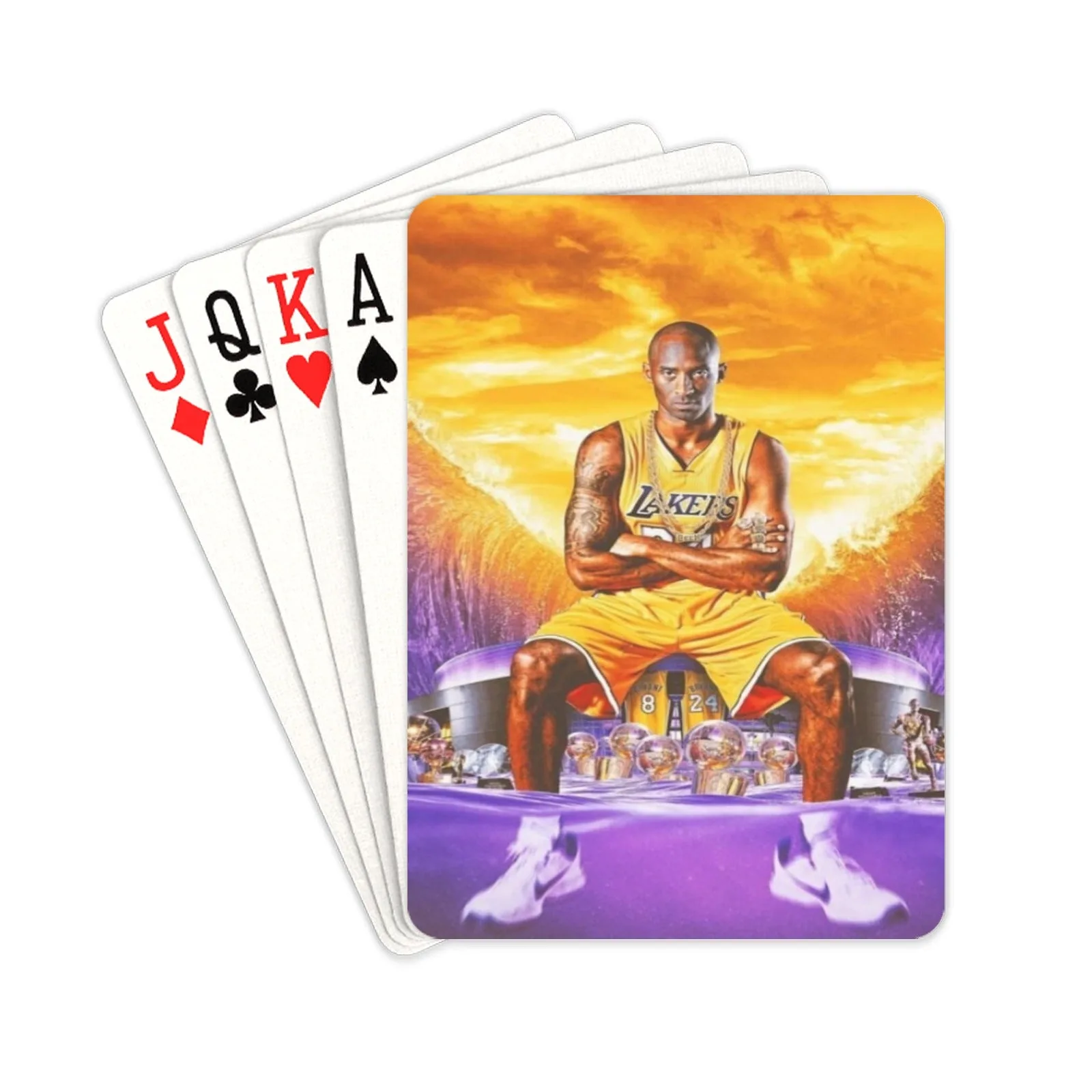
158780596_2957049451284359_7657496109331670305_n Playing Cards 2.5"x3.5": Made of firm coated paper with 54 playing cards in a 2.5" x 3.5" size. A sturdy, standard-size deck is easier to handle and shuffle, making it ideal for practicing these techniques.
158780596_2957049451284359_7657496109331670305_n Playing Cards 2.5"x3.5"