Quick answer
Measure one card from each game first, buy sleeves that match that measurement, then sleeve in small batches and store decks flat in a lidded box with a desiccant pack. For Set a Watch and Maximum Apocalypse, standard board game card sleeves fit the base card sizes, and the biggest long-term win is consistent storage rather than the sleeve brand itself.
Set a Watch
Sleeving and storing cards for Maximum Apocalypse and Set a Watch is less about buying the fanciest sleeves and more about matching sizes, keeping decks flat, and controlling moisture. Both games see heavy shuffling and repeated setup, so the cards take more wear than a typical one-and-done board game.
This guide walks through the process in order, from measuring a card to long-term storage. Each step includes the mistake that most often undoes the work, so you can avoid re-sleeving an entire deck twice.
Why these two games need sleeves and smart storage
Maximum Apocalypse and Set a Watch both rely on drawing, discarding, and reshuffling decks many times per session. That repeated handling wears card edges and dulls the finish, which makes shuffling harder and can eventually mark cards so players can identify them from the back. Sleeves absorb that wear and keep the original cards protected.
Storage matters just as much. Cards stored loose in a bag or pressed unevenly in a crowded box can warp, and humidity can cause them to stick together. A simple sleeve-and-store routine solves both problems without turning your game night into a craft project.
- Sleeve before the first play if you can, so the original cards never take shuffle damage.
- Store decks flat and slightly loose rather than crammed tight against the box wall.
Step 1: Measure one card from each game
Pull a single card from Set a Watch and one from Maximum Apocalypse and measure the width and height in millimeters with a ruler. Standard board game cards are typically around 63.5 by 88 millimeters, often called standard or poker size, but you should confirm with your own copy rather than assume. Write the two measurements down before you shop.
If a measurement comes out between two sizes, round up to the larger sleeve. A slightly loose fit still protects the card, while a sleeve that is too tight will bow the card and make the deck sit unevenly.
- Checkpoint: if the card does not slide in easily, stop and re-measure before buying more sleeves.
Step 2: Choose the right sleeve type
For games that get shuffled often, standard thickness sleeves are the practical default because they shuffle well and do not add too much bulk to the deck. Thicker premium sleeves feel better in hand but can make a large deck tall enough that it no longer fits the original insert. If you store cards in the game box, measure the insert depth before committing to a thick sleeve.
Penny sleeves are the cheapest option and fine for storage, but they are slippery and tend to split at the seam during heavy shuffling, so they are a poor fit for a deck you handle every session.
- Buy one pack first and test the fit on a full deck before ordering sleeves for the whole collection.
- Keep all sleeves for a single game the same brand and thickness so the deck stacks evenly.
Step 3: Sleeve in small batches
Work in batches of ten to twenty cards rather than trying to sleeve an entire deck at once. Slide each card in with the open edge of the sleeve facing down when the card is in the deck, so dust and moisture are less likely to enter. Press the air out gently as you go instead of forcing the card, which can crease the sleeve or bend the card corner.
Once a batch is sleeved, square the stack and give it a light riffle to check that no card is catching. This catches a mis-loaded card immediately, before it gets buried in a full deck.
- Checkpoint: a properly sleeved card sits flush with no visible bow along the long edge.
- Set aside any sleeve with a split seam right away rather than using it on a card.
Step 4: Store decks flat and dry
Store sleeved decks flat in a lidded box, a deck box, or the original insert if it still fits. Flat storage keeps the cards from warping, and a lid keeps dust off the sleeve surfaces. Add a small desiccant packet to the storage box if you live in a humid climate, and replace it every few months.
Keep stored games away from direct sun, radiators, and damp basements. Heat and moisture are the two things that damage cards even when they are sleeved, and neither is fixed by a better sleeve.
- Label deck boxes so expansions and variants do not get mixed into the wrong deck.
- If a deck feels sticky, air it out before adding more cards to the box.
Step 5: Maintain and re-sleeve over time
Check your most-used decks every few months. Sleeves that have gone cloudy, sticky, or split should be replaced, and it is worth replacing a whole deck at once so the shuffle stays consistent. If only a few sleeves fail, replace just those, but keep a note of the brand and size so the replacements match.
When you add an expansion, sleeve the new cards before mixing them into the base deck. Mixing sleeved and unsleeved cards creates an obvious thickness difference that players can feel while shuffling.
- Keep a spare pack of your chosen sleeve size on hand for quick replacements.
- Re-check the fit whenever you buy a new printing of a game, since card stock can vary slightly.
Sleeve and store checklist
- Measure one card per game: Use a ruler on a single Set a Watch card and a single Maximum Apocalypse card, and record both measurements before shopping. Checkpoint: if the card does not slide in easily, re-measure before buying more.
- Pick one sleeve type and stick with it: Standard thickness sleeves balance shuffle feel and deck height; test one pack on a full deck before ordering in bulk. Checkpoint: the sleeved deck should still fit your storage box.
- Sleeve in batches of ten to twenty: Insert cards with the open edge facing down in the deck and press air out gently instead of forcing the card. Checkpoint: a properly sleeved card sits flush with no bow along the long edge.
- Store flat, lidded, and dry: Use deck boxes or the original insert with a lid, add a desiccant pack in humid climates, and keep games out of sun and heat. Checkpoint: no deck should be compressed tight against the box wall.
- Review and re-sleeve twice a year: Replace cloudy or split sleeves, and sleeve expansion cards before mixing them into a base deck. Checkpoint: keep a spare pack of your chosen size on hand.
Games worth sleeving first
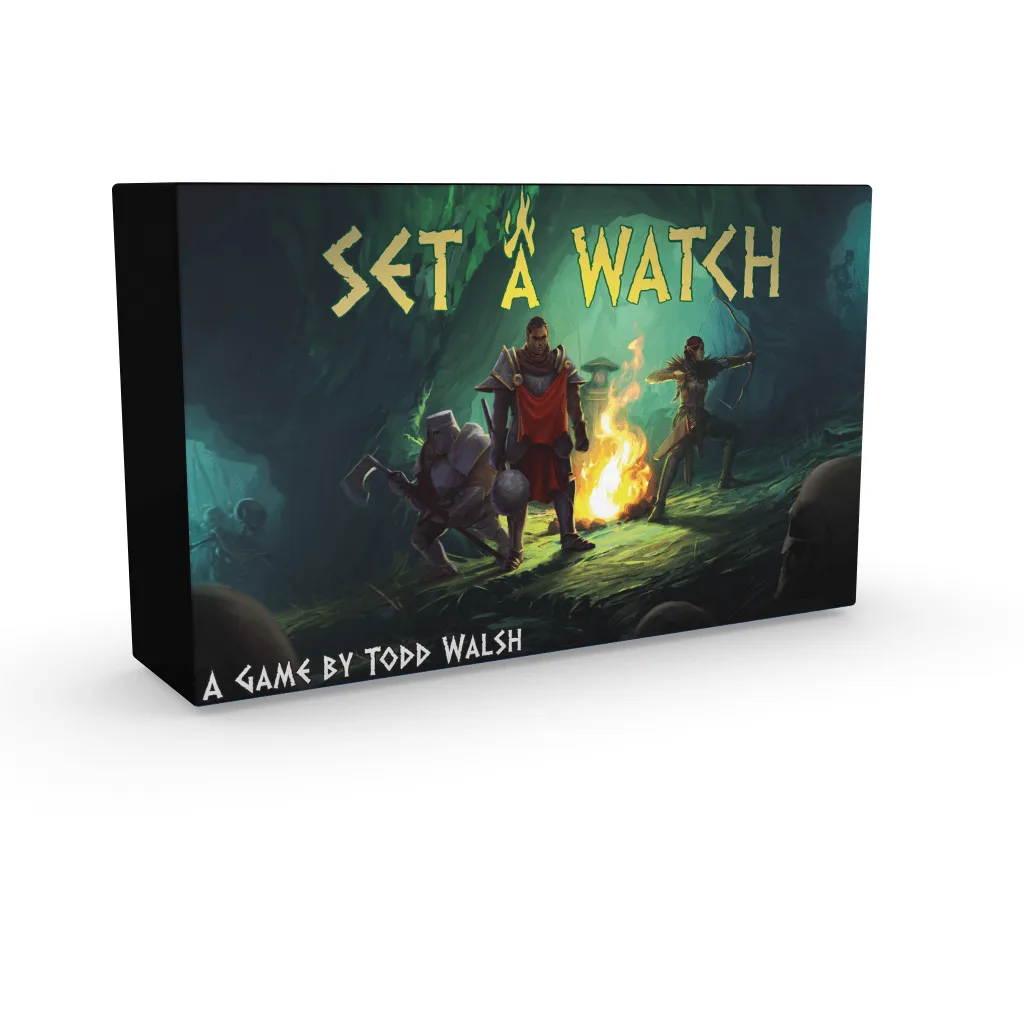
- Set a Watch: Set a Watch is a 1-4 player cooperative puzzle adventure game where players fight for the light before the evil Unhallowed consume the world in darkness. The cooperative puzzle structure means the deck gets handled and reshuffled repeatedly, so sleeving it early protects the cards that carry the whole game.
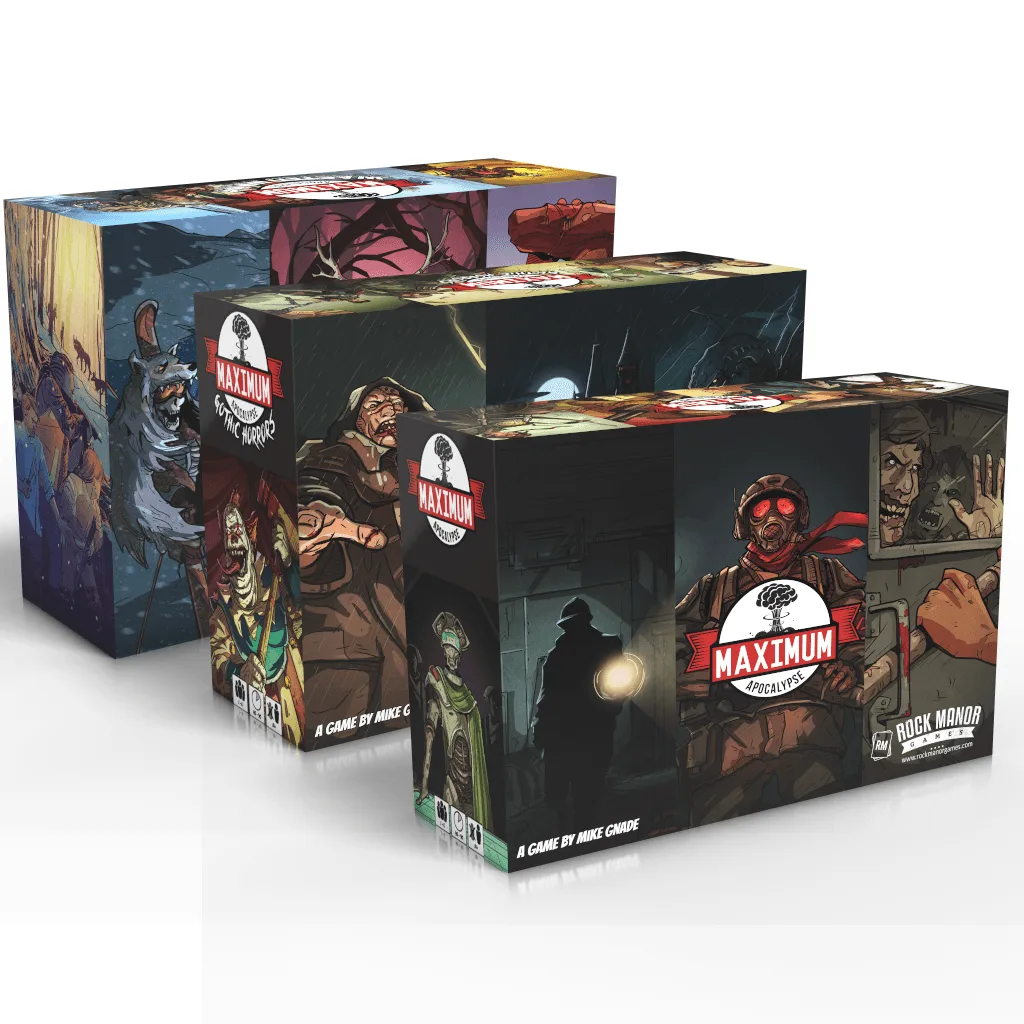
- Maximum Apocalypse Trilogy: Maximum Apocalypse Trilogy brings together all three standalone Maximum Apocalypse games from Rock Manor Games in one collection at a discounted bundle price. A three-game collection means a lot of cards to sleeve and store, so buying one consistent sleeve size in bulk is cheaper and keeps every deck shuffling the same way.
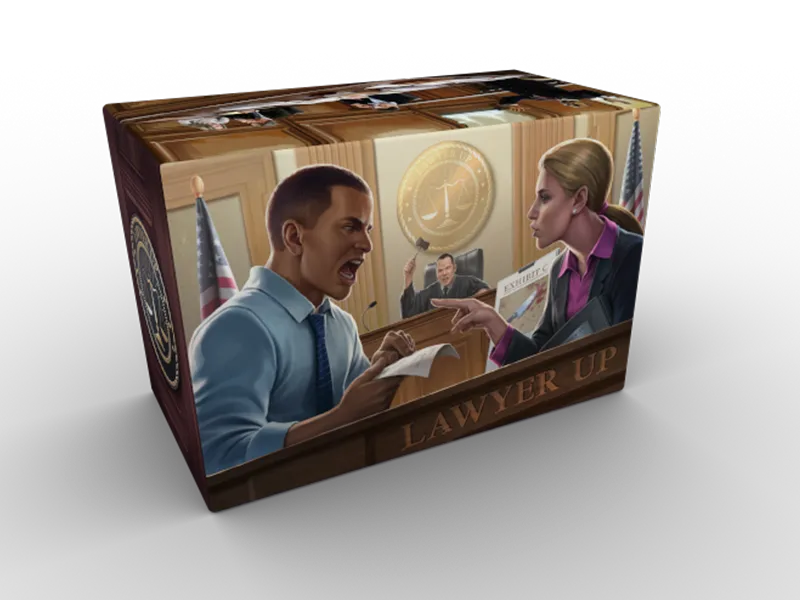
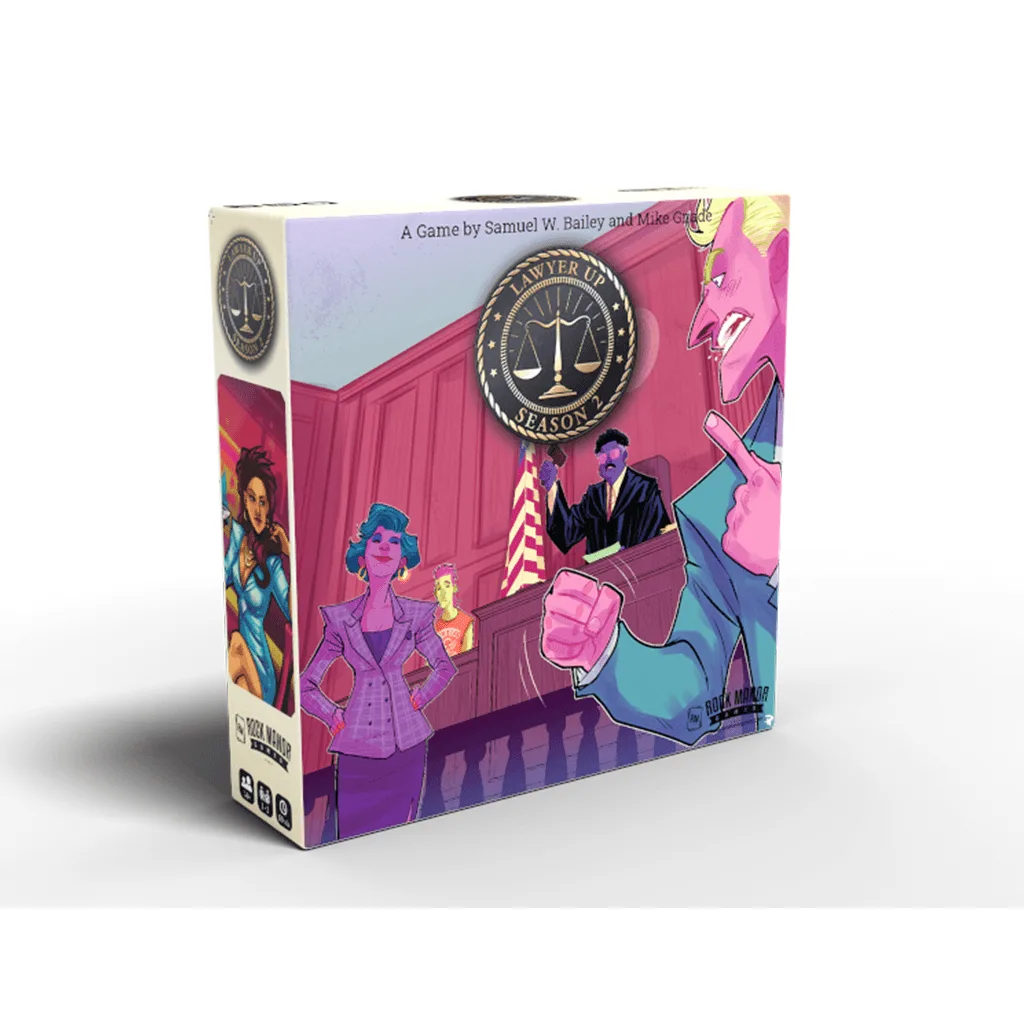
- https://rockmanorgamesdz.com/products/lawyer-up-season-2-89095f2728794da0b64efbab-1730828Lawyer Up: Season 2: Lawyer Up: Season 2 includes three new cases plus a solo expansion for the asymmetrical two-player courtroom card game. Expansion cards should be sleeved in the same size as the base game before mixing, so the combined deck stacks evenly.
Sleeving and storing cards for Maximum Apocalypse and Set a Watch comes down to measuring once, buying one consistent sleeve type, and keeping decks flat and dry. Do that, and your cards will shuffle smoothly and survive years of game nights.