Quick Answer
To solve a 2000 piece puzzle efficiently, start by sorting pieces into edge, color, and pattern groups, then build the border and work inward using a structured assembly strategy.
Why a 2000 piece puzzle needs a different approach
A 2000 piece puzzle is roughly double the size of a standard 1000 piece puzzle, so the time and space commitment is significantly larger. Without a clear strategy, you can easily feel overwhelmed by the sheer number of pieces. A systematic method not only saves time but also makes the process more enjoyable.
The key difference is sorting. With more pieces, you need to be more thorough in categorizing by color, pattern, and edge pieces. This upfront investment pays off later when you can quickly find the pieces you need.
Common challenges and how to overcome them
One common issue is running out of table space. A 2000 piece puzzle can be large, so ensure you have a dedicated area that can accommodate the full size. Use a puzzle mat or board if needed.
Another challenge is staying motivated. Because it takes longer, you might hit a plateau. Break the puzzle into smaller sections and celebrate each completed segment to keep momentum.
Step-by-Step Assembly Process
- Sort the pieces: Begin by separating all pieces into edge pieces and interior pieces. Then, further sort interior pieces by dominant color or pattern. Use trays or small boxes to keep groups organized. A common mistake is skipping this step—invest time here to save hours later.
- Build the border: Assemble the edge pieces to create the frame. This gives you a defined workspace and a reference for the overall image. Check that the border fits together correctly before moving on; a misaligned edge can cause issues later.
- Assemble distinct sections: Focus on one color zone or recognizable element at a time, such as a bright flower patch or a building. Build these sections separately, then connect them to the border. Work on a flat, well-lit surface and rotate pieces as needed to see their shapes clearly.
- Connect sections to the frame: Once you have several completed sections, attach them to the border. Use the image on the box as a guide to position each section correctly. If a section doesn't fit, double-check your sorting—pieces with similar colors can be misleading.
- Fill remaining gaps: For the final pieces, sort by shape (tabs and blanks) and use the image to find their place. This is the most methodical part, so patience is key. Take breaks to keep your eyes fresh; fatigue leads to mistakes.
Puzzles that suit this strategy
-
Field Song | 2000 Piece: Field Song features a charming country scene with birds gathered around an old mailbox, offering a mix of natural colors and distinct shapes. The varied colors and recognizable elements make it easier to sort and assemble, ideal for practicing this method.
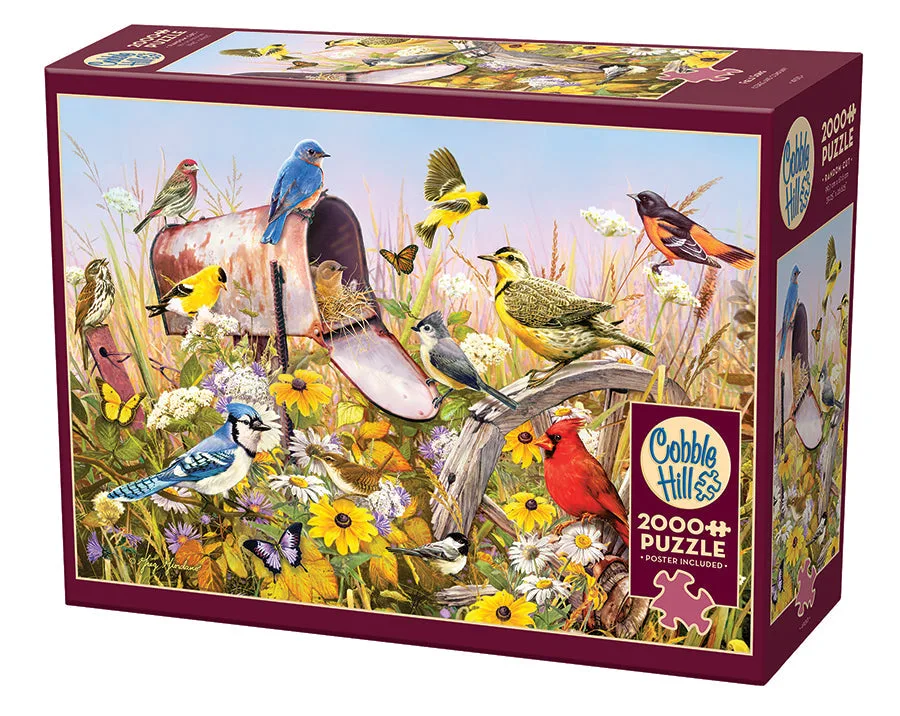
Field Song | 2000 Piece
-
The Gloaming | 2000 Piece: The Gloaming depicts a sunset with pinks and oranges, green fields, and wildlife, providing a rich palette and clear zones. The distinct color bands and landscape sections help you break the puzzle into manageable chunks, perfect for a structured approach.
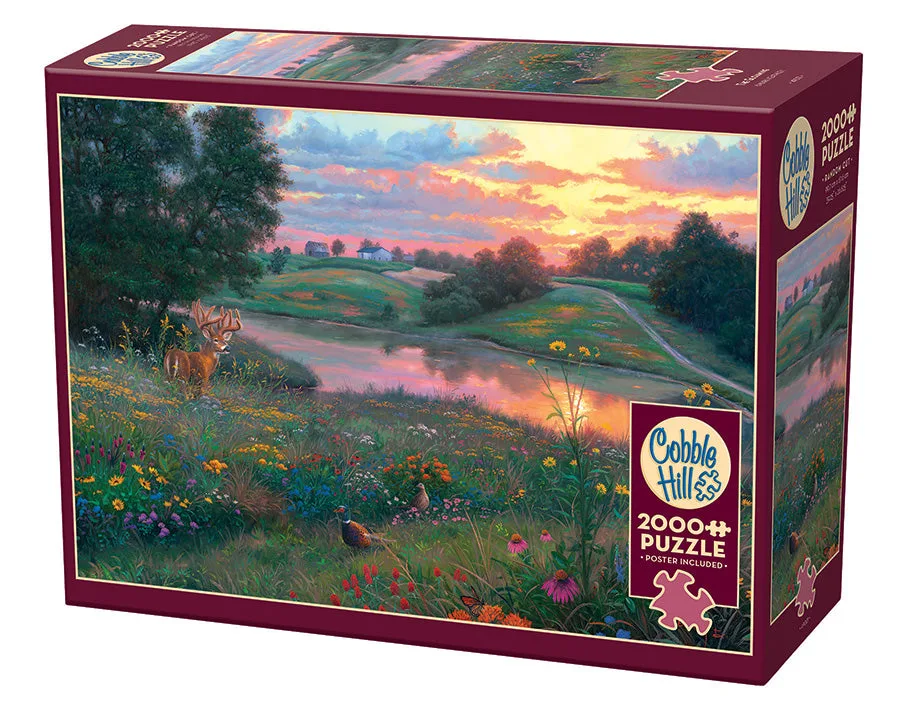
The Gloaming | 2000 Piece