Quick Answer
Start by sorting pieces by color and edge pieces, then build the frame and work inward. Use a flat surface, good lighting, and take breaks to keep your mind fresh. Whether you're a beginner or a pro, these puzzle solving strategies will help you finish faster and have more fun.
A 500-piece puzzle is the perfect challenge: big enough to be engaging, but small enough to finish in a weekend. Whether you're new to jigsaw puzzles or a seasoned pro looking to speed up, the right approach makes all the difference. Here's how to solve a 500-piece puzzle efficiently and enjoyably.
Many people jump straight into connecting pieces randomly, but a little planning can save hours. From sorting to final assembly, these jigsaw puzzle techniques will turn frustrating sessions into satisfying accomplishments.
Set Up Your Workspace
Before you open the box, choose a flat, stable surface with enough room to spread out all pieces. A puzzle board or a large piece of cardboard works well. Good lighting is essential—natural light or a bright lamp reduces eye strain and helps you spot subtle color differences. Also, keep pets and kids away from your workspace to avoid accidental mix-ups.
Consider using a sorting tray or small containers to organize pieces. This prevents them from sliding around and keeps your area tidy. A clean, dedicated space makes the puzzle-solving process more relaxing and efficient.
- Use a puzzle mat if you need to roll up and store your work in progress.
- Sort pieces into groups by color, pattern, or edge pieces before you start.
Sort and Organize Pieces
The first step in any puzzle solving strategy is sorting. Separate edge pieces from interior pieces—these will form the frame. Then, group the interior pieces by color, pattern, or distinct features like text or shapes. This makes it easier to find what you need later.
Don't over-sort; too many categories can be overwhelming. Aim for 5-10 groups depending on the puzzle image. For a 500-piece puzzle, you might have groups for sky, water, buildings, and so on. Use small trays or bags to keep groups separate.
- Sort edge pieces first; they are the easiest to identify and form the puzzle's border.
- If the puzzle has a clear background, group those pieces by shade or texture.
Build the Frame First
Once sorted, assemble the border. This gives you a defined area to work within and a sense of accomplishment. Start by connecting edge pieces that have straight sides, then fill in the corners. The frame acts as an anchor, making it easier to place interior pieces.
Common mistake: trying to build the interior before the frame. This can lead to misaligned sections. Always complete the border first, even if it takes time. It also helps to have the box lid or picture nearby for reference.
- Use the box image as a guide to place edge pieces correctly.
- If you get stuck, move to another section and come back later.
Work on Sections, Not the Whole Puzzle
Instead of trying to fill the entire puzzle at once, focus on one distinct area at a time. For example, if the puzzle has a house, a tree, and a sky, complete each section separately. This approach is more manageable and gives you a sense of progress.
Start with sections that have unique colors or patterns, as they are easier to solve. Use the box image to identify these areas. As you complete each section, connect it to the frame or other completed parts. This method is a proven jigsaw puzzle technique for both beginners and pros.
- Look for pieces with obvious patterns like letters, faces, or distinct shapes.
- Keep completed sections together to avoid breaking them apart.
Use Effective Piece-Finding Techniques
When searching for a specific piece, scan the group systematically. Instead of randomly picking up pieces, look for the shape and color you need. Many solvers find it helpful to sort pieces by shape (e.g., tabs and blanks) within each color group.
Another technique is to place a piece you're looking for in your mind's eye and then scan the group. This visual search method speeds up the process. Also, rotate pieces to see if they fit from different angles—sometimes a piece looks wrong but fits perfectly when flipped.
- Sort pieces by shape (tabs and blanks) to narrow down options.
- Take breaks if you feel frustrated; a fresh perspective often helps.
Finish Strong: Fill Gaps and Review
As you near completion, you'll have a few remaining gaps. Use the box image to identify what should go where. Look for pieces with specific colors or patterns that match the gap. Sometimes pieces that seem to fit multiple places are easier to place once the surrounding area is filled.
Before declaring victory, double-check that all pieces are correctly placed. Look for any misaligned edges or obvious color mismatches. If you find a mistake, carefully remove the piece and try another. Patience is key in these final steps.
- Take a photo of the completed puzzle for memories before breaking it down.
- If you plan to glue and frame the puzzle, do so carefully.
Step-by-Step Puzzle Solving Checklist
- Step 1: Set Up: Clear a flat surface with good lighting. Gather sorting trays or containers. Checkpoint: Ensure your workspace is comfortable and free from distractions.
- Step 2: Sort Pieces: Separate edge pieces from interior pieces. Group interior pieces by color, pattern, or distinctive features. Checkpoint: Don't over-sort; aim for 5-10 groups.
- Step 3: Build the Frame: Assemble the border using edge pieces. Use the box image as a reference. Checkpoint: The frame should be complete before moving inward.
- Step 4: Work in Sections: Focus on one distinct area at a time, using the box image to identify patterns. Checkpoint: Complete sections and connect them to the frame as you go.
- Step 5: Find Pieces Efficiently: Sort by piece shape within color groups. Rotate pieces to test fits. Checkpoint: Take breaks to avoid frustration and improve accuracy.
- Step 6: Finish and Review: Fill remaining gaps by matching colors and patterns. Double-check all placements. Checkpoint: Ensure no pieces are misplaced before finishing.
Puzzle Accessories and Games to Enhance Your Experience
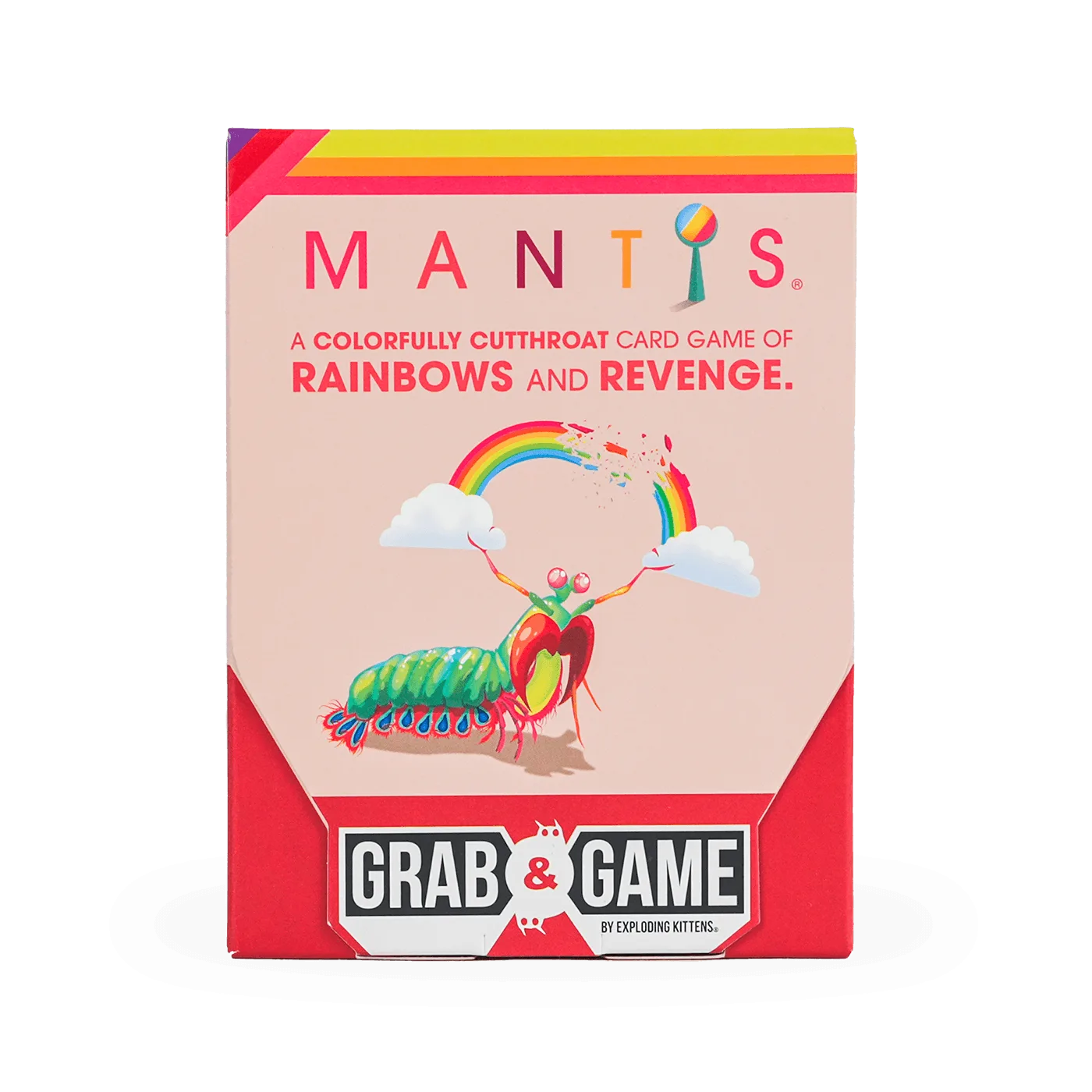
- Mantis: Grab & Game Edition: A travel-friendly, colorfully cutthroat card game of rainbows and revenge! Take a break from puzzle solving with this quick card game. Its compact size makes it easy to stash in your puzzle bag or on a nearby table.
- Exploding Kittens: NSFW Edition: A version of Exploding Kittens for those of us ages 17+ ONLY. For adult game nights, this adds a spicy twist. It's a fun way to unwind after a puzzle session with friends.
Solving a 500-piece puzzle is a rewarding experience that combines patience, strategy, and a little creativity. By following these steps, you'll not only finish faster but also enjoy the process more. Remember, the goal is to have fun—so don't stress over the clock. Happy puzzling!