Quick Answer
To solve a jigsaw puzzle faster, start by sorting pieces by color and edge, build the border first, and work on distinct sections. Use a systematic approach to piece placement and minimize trial-and-error.
Jigsaw puzzles are a relaxing pastime, but when you're eager to see the final image, slow progress can test your patience. Whether you're a casual puzzler or aiming to beat your personal record, a few proven techniques can help you speed up without sacrificing the fun.
In this guide, you'll learn a step-by-step strategy to tackle puzzles more efficiently. From sorting to section-building, these methods will have you snapping pieces into place with confidence.
1. Sort and Organize
The first step to solving a jigsaw puzzle faster is effective sorting. Separate edge pieces from interior pieces, and further sort by color, pattern, or distinct features. This reduces the search area and makes it easier to locate the pieces you need.
Use trays or boxes to keep sorted pieces separated. This not only speeds up the process but also prevents pieces from getting lost or mixed up. A common mistake is skipping this step to dive straight into assembly—resist the urge; sorting saves time in the long run.
- Tip: Sort by color groups first, then look for unique shapes or patterns within each group.
2. Build the Border First
Constructing the border provides a clear framework for the rest of the puzzle. With edges sorted, you can quickly assemble the frame, giving you a defined workspace and a visual guide for piece placement.
Start with the corners, then connect the straight-edged pieces. This step is straightforward and gives a sense of accomplishment early on. A checkpoint: ensure all edge pieces are correctly oriented before moving inward.
- Tip: Use the picture on the box to identify which edge pieces belong to which side.
3. Work on Distinct Sections
Instead of tackling the entire puzzle randomly, focus on distinct sections based on colors or patterns. For example, if the image has a bright red area, gather all pieces with red and assemble that section. This approach reduces complexity and speeds up progress.
By completing smaller sections, you can then attach them to the border. This method is especially effective for puzzles with clear color divisions. A common mistake is jumping between sections; stay committed to one area until it's done.
- Tip: If a section seems too large, break it down into even smaller clusters.
4. Use a Systematic Approach
When placing pieces, use a systematic scanning method: look for a specific shape or color and try it in multiple positions. Avoid random trial-and-error. Instead, compare piece shapes to the gaps you need to fill.
Develop a mental checklist: check the piece's color, pattern, and shape. Then test it in potential spots. This reduces the time spent on futile attempts. A checkpoint: if a piece doesn't fit after two tries, set it aside and move on.
- Tip: Rotate pieces systematically to see all orientations before giving up.
5. Optimize Your Workspace
A well-lit, clutter-free workspace is essential for speed. Good lighting reduces eye strain and helps you distinguish subtle color differences. Use a puzzle mat or board that lets you move sections if needed.
Keep reference images handy, such as the box lid, to check details. Organize your sorting trays within easy reach. A common mistake is working on a surface that's too small, forcing you to rearrange pieces frequently.
- Tip: Use a white or neutral-colored surface to make pieces stand out.
Quick-Start Steps for Faster Puzzle Solving
- Sort pieces: Separate edges from interiors, then group by color or pattern. Checkpoint: You should have clear piles before starting assembly.
- Build the border: Find corners and edge pieces to create the puzzle frame. Checkpoint: The frame should be complete and correct before moving on.
- Assemble distinct sections: Focus on one color or pattern area at a time. Checkpoint: Each section should be fully assembled before attaching to the border.
- Systematically place pieces: Compare shapes and test pieces methodically, rotating as needed. Checkpoint: If a piece doesn't fit after two tries, set it aside temporarily.
Puzzles to Practice With
- Donut Lover's 1000-Piece Jigsaw Puzzle: Connect 1000 pieces to reveal 55 varieties of our favorite fried treat. This could get sticky—confession: we've never been able to finish this puzzle without stopping to eat something sweet. But we always wash our hands! With 55 distinct donut varieties, this puzzle offers clear color and pattern sections, making it ideal for practicing sorting and section-building techniques.
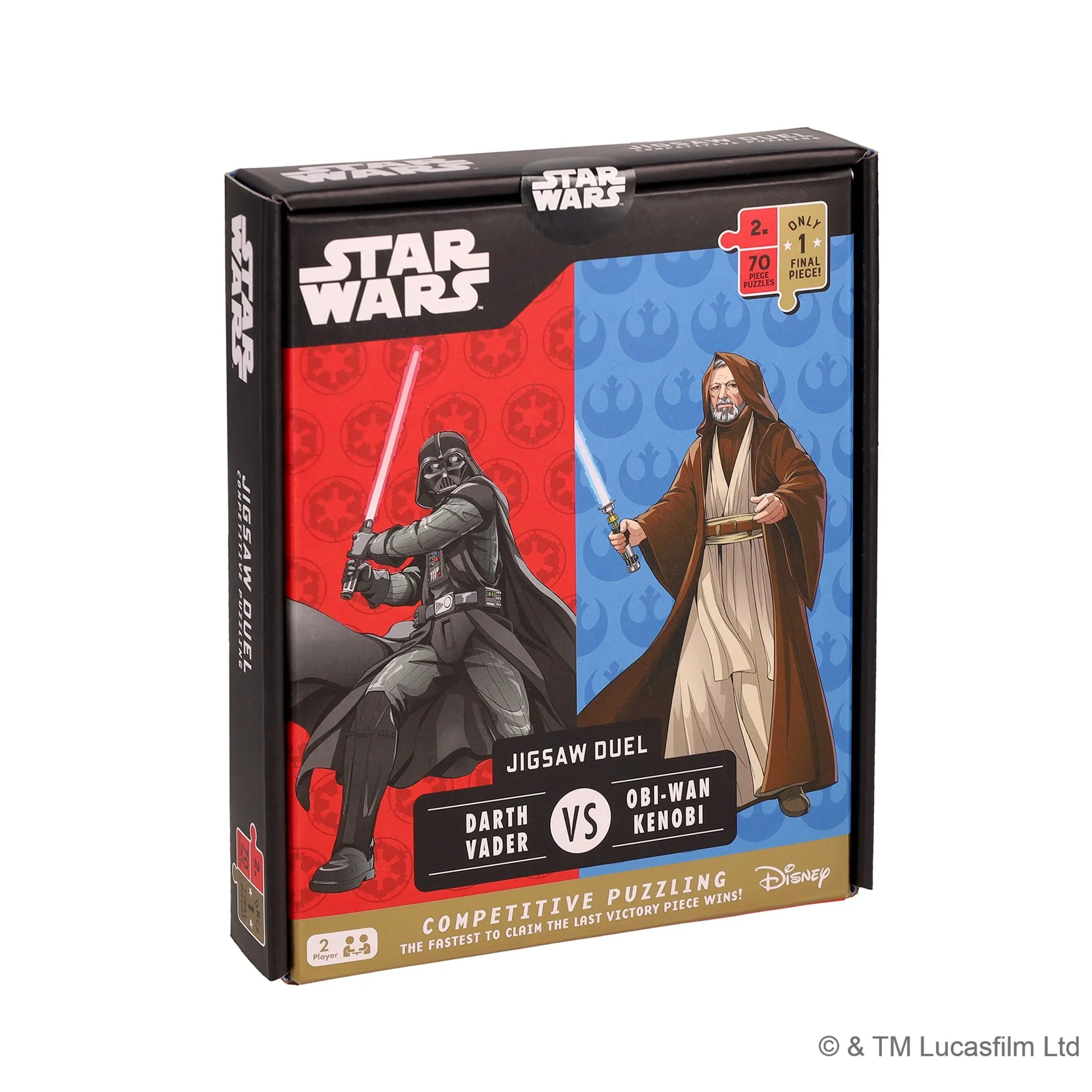
- Marvel Iron Man vs. Thanos Jigsaw Duel: Each player has a 70-piece jigsaw to complete—but there is only one final piece that fits both puzzles. Choose your side and get ready to race your opponent. This competitive puzzle adds a speed element, challenging you to apply efficient strategies under time pressure—perfect for honing your puzzle-solving speed.
By incorporating these techniques into your puzzling routine, you'll find that you can finish jigsaw puzzles more quickly and with less frustration. Remember, the goal is to enjoy the process—speed is just a bonus. So grab a puzzle, apply these strategies, and watch your time improve.