Welcome aboard the Blood In The Water mystery—a yacht murder case that will test your detective skills. This immersive game from Hunt A Killer drops you into a high-stakes whodunit where every clue matters. Whether you're a seasoned sleuth or a first-time player, our step-by-step guide will help you navigate the evidence and catch the killer.
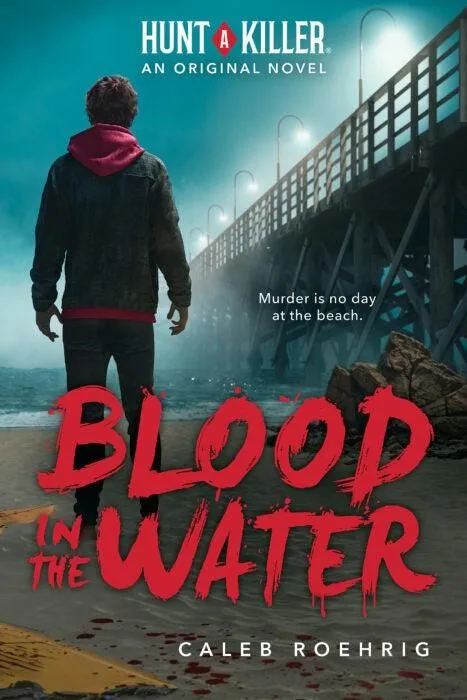
Blood In The Water
In this guide, we'll walk you through the key phases of solving the yacht murder: from unpacking the box to making your final accusation. We'll share practical tips on organizing evidence, avoiding common pitfalls, and getting the most out of your game experience. Let's set sail into the investigation.
Step 1: Organize Your Investigation Area
Before diving into the case, set up a dedicated workspace. Clear a table where you can spread out documents, photos, and physical items. Use folders or envelopes to sort evidence by type—witness statements, forensic reports, personal effects. This organization will save you time and prevent overlooked clues.
Many players find it helpful to use a corkboard or large sheet of paper to map connections. As you progress, pin up key suspects, timelines, and relationships. For example, if you're also playing the Lakeside Slaughter: The Last Vacation, you might notice similar evidence patterns, but each case is unique. Stay focused on the yacht murder.

Lakeside Slaughter: The Last Vacation
- Tip: Use sticky notes to flag important clues and move them around as your theory evolves.
Step 2: Read All Materials Carefully
Blood In The Water comes with a variety of documents: letters, newspaper clippings, crime scene photos, and more. Read everything at least once without trying to solve the case. This gives you a broad understanding of the story and characters. Pay attention to dates, names, and locations—they often hide crucial details.
Take notes as you read. Jot down initial suspicions, inconsistencies, or questions. For instance, if a character's alibi seems shaky, mark it. Later, you can cross-reference with physical evidence. Remember, the game is designed to reward careful observation, so don't rush.
- Tip: Highlight or underline any mention of motives, means, or opportunity.
Step 3: Examine Physical Evidence Closely
Physical items—like a torn note, a key, or a fabric sample—are often the linchpin of the case. Handle them gently and examine them under good lighting. Look for hidden text, watermarks, or unusual markings. Some clues may require you to combine items or view them in a specific way.
For example, a bloodstained map might reveal a hidden location when folded correctly. Don't be afraid to manipulate objects. If you're stuck, consider how the evidence might relate to the yacht's layout or the victim's last known movements. The game's designers have hidden layers of meaning in everyday objects.
- Tip: Use a magnifying glass or your phone's camera zoom to inspect fine details.
Step 4: Build a Timeline of Events
Constructing a timeline is essential for understanding the sequence of events leading up to the murder. Use the documents to establish when the yacht departed, when the victim was last seen, and when the body was discovered. Note any gaps or overlaps in characters' whereabouts.
Compare the timeline with alibis. For instance, if a suspect claims to have been in the galley at 9 PM but another witness places them on deck, you've found a contradiction. The timeline will also help you identify the window of opportunity for the murder. Keep refining it as new evidence emerges.
- Tip: Use a spreadsheet or a large sheet of paper with columns for time, location, and character.
Step 5: Analyze Suspect Motives and Relationships
Every suspect in Blood In The Water has a reason to want the victim dead—or at least something to hide. Review each character's background, financial troubles, secret affairs, or grudges. Look for emotional reactions in their written statements; sometimes what they don't say is as telling as what they do.
Create a motive matrix: list each suspect and their potential motive, means, and opportunity. Cross-reference with physical evidence. For example, if a suspect had access to a weapon and a motive, they're a strong candidate. But beware of red herrings—the game loves to misdirect. Trust the evidence over gut feelings.
- Tip: Consider the victim's actions too—they might have provoked someone.
Step 6: Use the Detective's Puzzle Book for Extra Challenges
If you own The Detective's Puzzle Book, you can use its logic puzzles to sharpen your reasoning skills. While not required for Blood In The Water, the puzzles train your brain to spot patterns and think critically—skills that directly apply to solving the yacht murder.
Try tackling a few puzzles before returning to the case. You might find yourself noticing new connections. Alternatively, if you're playing with friends, take turns solving mini-challenges to keep everyone engaged. The puzzle book is a great companion for any Hunt A Killer game.
Step 7: Make Your Accusation with Confidence
Once you've gathered all evidence and built a solid case, it's time to accuse the killer. Blood In The Water typically provides a final solution mechanism—a sealed envelope, a website, or a phone number—where you submit your answer. Double-check your reasoning before committing.
If you're wrong, don't be discouraged. Many players enjoy replaying to catch missed clues. The journey is as rewarding as the reveal. And if you're looking for more mysteries, consider the Camp Calamity Premium Game or the Nancy Drew: Mystery at Magnolia Gardens for a change of setting.
- Tip: Write down your final theory in a few sentences, then verify each piece of evidence supports it.
Solving Blood In The Water is a thrilling voyage through deception and deduction. By following these steps—organizing, reading, examining, timing, profiling, and finally accusing—you'll maximize your chances of nailing the culprit. Remember, the best detectives are patient and thorough. Now go solve that yacht murder!