Quick answer
Start by reading each puzzle's full description in The Book before touching any pieces. Then work in small batches, grouping similar colors or shapes first, and always check the hand-drawn illustrations for subtle clues that text alone might miss.
Why a method matters for hand-illustrated puzzles
The Book from Hungry Minds is crafted entirely by hand, with each illustration painstakingly designed by talented artists. Unlike mass-produced puzzles, every line and shade is intentional, so a random approach can miss the visual cues built into the artwork. A structured method helps you spot those cues faster and reduces the frustration of staring at a pile of similar-looking pieces.
Setting up your workspace for success
Good lighting and a flat, clutter-free surface are essential. The Japanese version of The Book features delicate, detailed illustrations that reward close inspection. Spread pieces on a light-colored mat or board so edges and subtle color differences stand out. Keep the book open to the puzzle's reference page nearby — you will refer to it often.
Step-by-step puzzle-solving process
- Read the puzzle brief twice: Open The Book to the puzzle page and read the description and any side notes aloud. Hand-illustrated books often hide clues in the margins or in the way a fact is presented. Checkpoint: If you cannot summarize the puzzle goal in one sentence, read it again before touching any pieces.
- Sort pieces by visual family: Group pieces by dominant color, line direction, or recurring shapes such as gears, leaves, or geometric patterns. The hand-drawn style means similar elements share the same artist's stroke, making families easier to spot. Common mistake: Sorting by piece shape alone ignores the strongest visual clues. Always prioritize illustration details over cut patterns.
- Assemble the border or anchor element first: Find the most distinct object in the illustration — a large machine, a central figure, or a bold border — and build that section first. This gives you a reference point for placing the rest. Checkpoint: Once the anchor is complete, compare it to the book's reference image. If proportions feel off, you may have swapped similar-looking pieces from different sections.
- Fill in using context, not brute force: For each remaining piece, ask: What part of the illustration could this belong to? Use the hand-drawn lines and shading to guide placement rather than trying every slot. Common mistake: Forcing a piece into a spot because it fits mechanically. If the illustration lines do not flow naturally, the piece belongs elsewhere.
- Take a break when stuck: Step away for 10-15 minutes. The Book's intricate artwork can cause visual fatigue, and a fresh look often reveals connections you missed. Checkpoint: After the break, review the anchor section first. A small misplacement there can throw off the entire puzzle.
Products that help you practice these tips
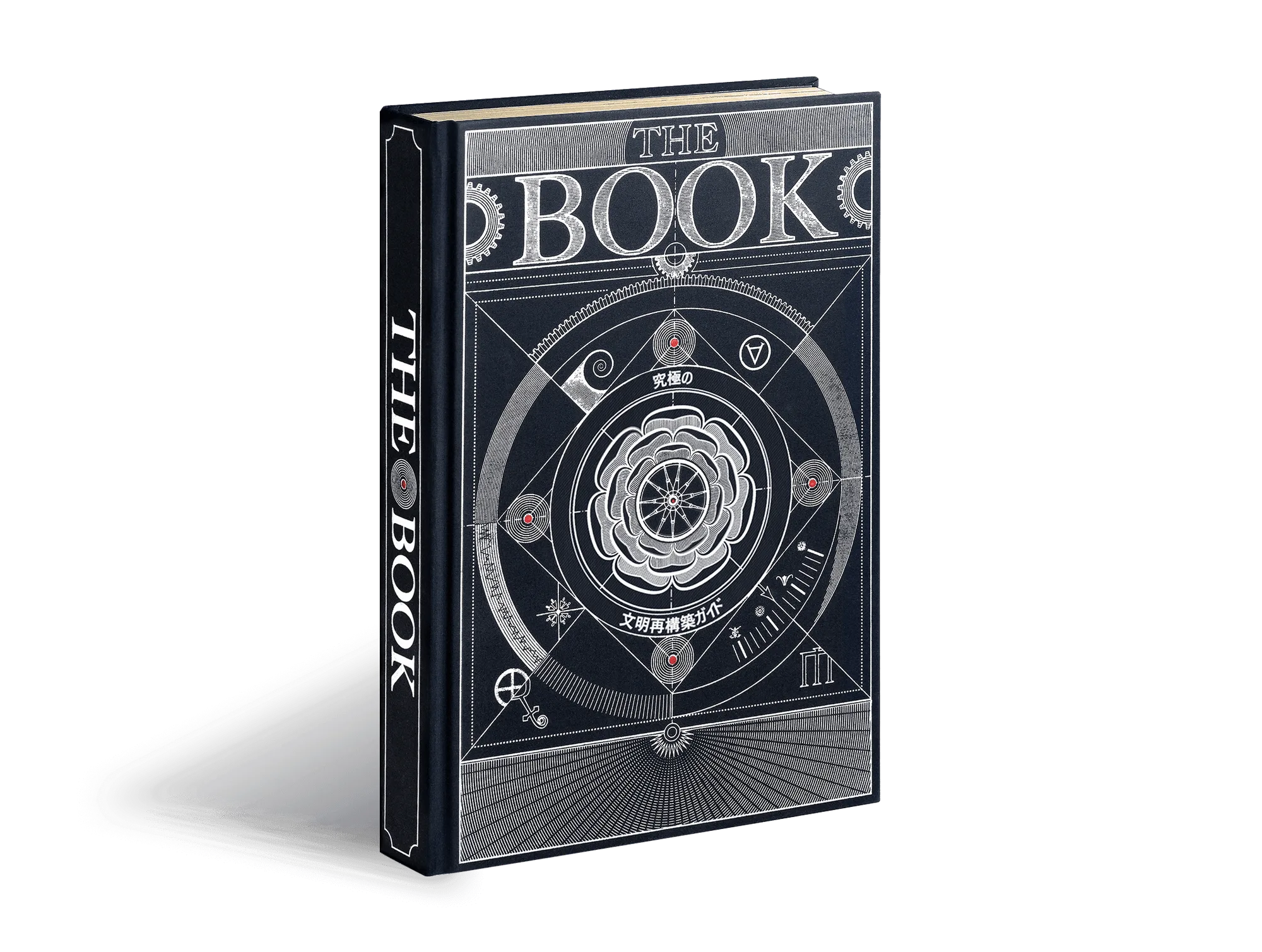
- The Book. The Ultimate Guide to Rebuilding Civilization. Japanese version: Crafted entirely by hand, with each illustration painstakingly designed by talented artists and every fact rigorously researched. Because each illustration is handmade, the visual style is consistent and full of intentional details — perfect for training your eye to recognize the artist's signature shapes and shading patterns.
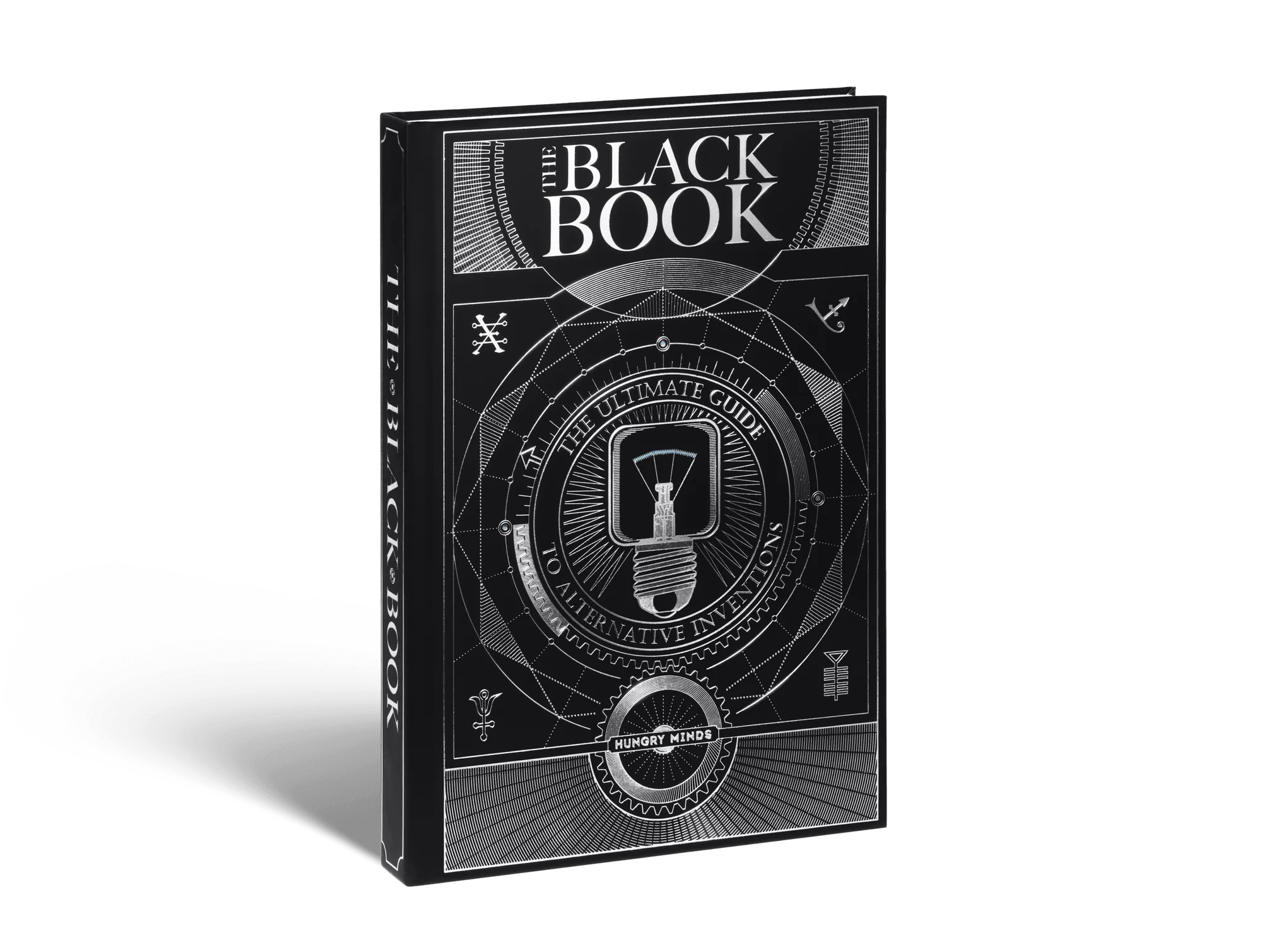
- The Black Book. The Ultimate Guide to Alternative Inventions: A hand-illustrated book, co-created with Noah Charney, dedicated to inventions that never became part of everyday life. The alternative-invention theme means puzzles often rely on historical context and quirky visual cues. Understanding the story behind each invention can unlock puzzle solutions that pure pattern-matching would miss.