Quick answer
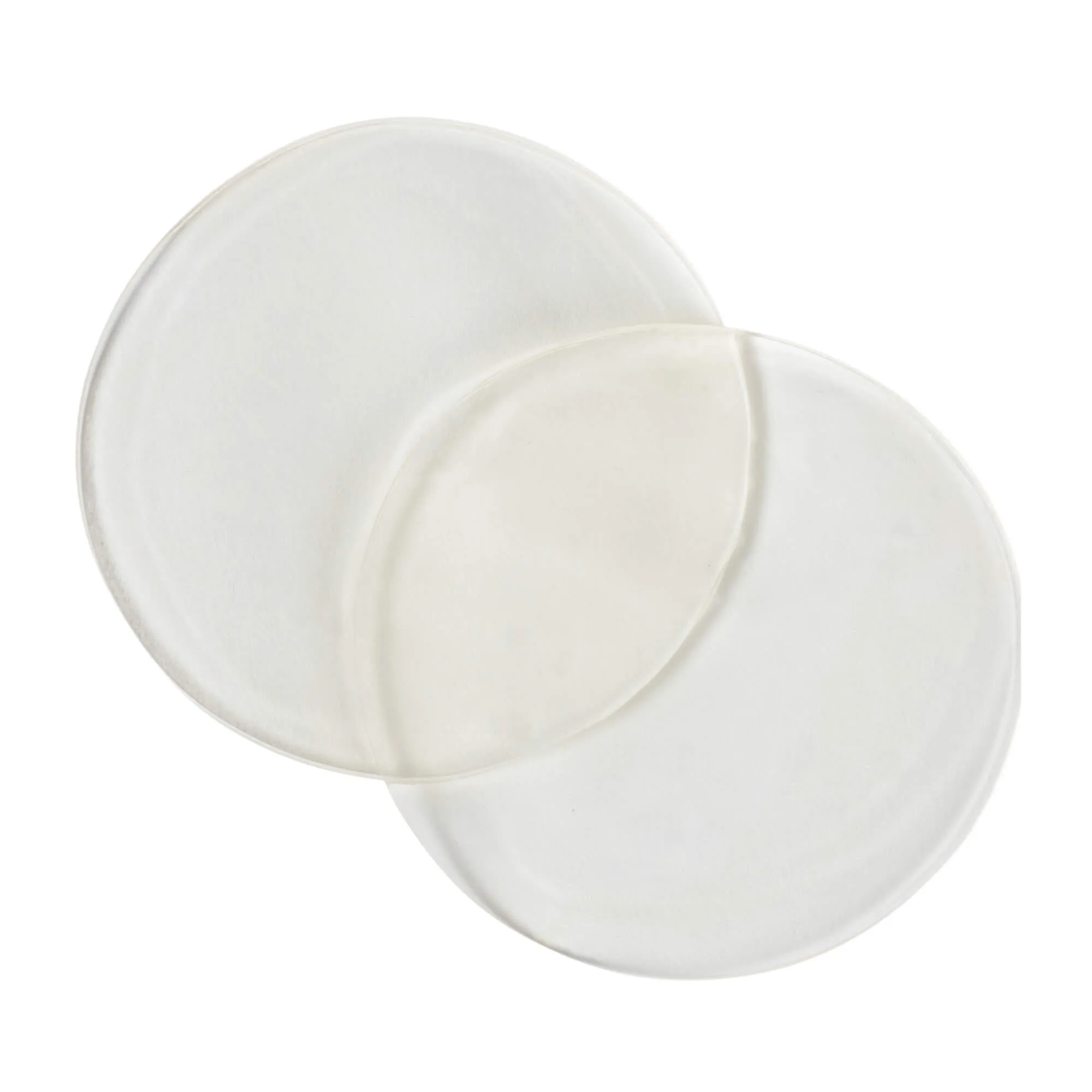
For sore nipples caused by friction, rubbing, or healing tissue, Ameda ComfortGel HydroGel Pads can provide soothing, cooling relief and a moist wound environment while you breastfeed. Chill one pad, place it against the nipple inside a nursing bra, and leave it on between feeds; rinse and reuse as directed. If pain comes with fever, a hot swollen breast, or cracked bleeding that does not improve, stop self-care and contact your provider.
Symptom: what sore nipples actually feel like
Sore nipples are not a single problem. You may feel a sharp sting at latch-on that fades after a minute, a burning ache that lasts the whole feed, or raw, cracked skin that hurts even when you are not nursing. Clothing rubbing against sensitive tissue can make every movement uncomfortable. The pattern matters because it points to the cause and tells you whether a cooling pad will help or whether you need to fix the latch first.
Likely cause: friction, moisture, or a shallow latch
The most common cause of sore nipples in the early weeks is a shallow latch, where the baby compresses the nipple instead of taking a deep mouthful of breast tissue. That creates friction and trauma at the tip. A second common cause is moisture and rubbing: damp skin from leaks plus a bra edge or pad seam can irritate the nipple between feeds. ComfortGel pads are designed for the friction-and-healing side of this picture. They fit discreetly and securely inside most nursing bras for extra cushioning and protection from rubbing against clothing while healing. They do not correct a shallow latch, so if pain starts within the first minute of every feed and continues, get a latch check from a lactation consultant or your provider.
Corrective action: how to use ComfortGel pads
Start with clean, dry hands. If you want cooling relief, refrigerate the pad first; do not freeze it. Unwrap one pad and place it directly over the nipple and areola, gel side against the skin, then settle your nursing bra over it. The pad should sit flat with no folded edges. Wear it between feeds for the time your provider or the package directs, then remove it before nursing so your baby is not feeding against the gel. These long-lasting pads can be rinsed and reused, so follow the rinse instructions and let them air dry fully before the next wear. If you leak heavily, pair the hydrogel pad with a washable nursing pad over the top to catch moisture without adding bulk against the nipple.
When to stop and choose another option
Stop using hydrogel pads and switch to a different nipple care product if you develop a rash, itching, or increasing redness under the pad, or if the gel surface tears or becomes tacky. For dry, cracked skin without much friction pain, a medical-grade lanolin such as Ameda Triple Zero Lanolin Nursing Cream may be a better fit because it soothes and moisturizes without the bulk of a gel pad. If you mainly need leakage protection and a discreet shape under clothing, Ameda Contoured Washable Nursing Pads are the more practical daily choice. And if sore nipples come with fever, flu-like aches, a red hot wedge on the breast, or pain that worsens after a week of careful care, stop self-treating and call your provider, because those signs point to something a pad cannot fix.
Diagnosis: match the symptom to the right nipple care step
- Sharp pain at latch-on that fades: Usually a shallow latch. Break the suction, reposition the baby with a wider mouthful, and use a ComfortGel pad between feeds for cushioning while the tissue recovers. If pain lasts the whole feed for more than a few days, get a latch evaluation.
- Burning or aching after feeds: Often friction or moisture irritation. Chill a ComfortGel pad, wear it inside the bra between feeds, and keep the area dry with a washable nursing pad over it if you leak. Stop the pad and call your provider if you see a rash or spreading redness.
- Dry, cracked, or raw skin: A moisturizing barrier may help more than a gel pad. Apply Ameda Triple Zero Lanolin Nursing Cream after feeds to soothe and protect the skin. If cracks bleed or do not improve in a few days, seek help rather than layering more products.
Product facts that matter for sore nipple relief
- Ameda® ComfortGel® HydroGel Pads: ComfortGel Extended-Use Hydrogel pads may provide soothing, cooling relief and protection from nipple pain or trauma related to breastfeeding, and they help create a moist wound environment that is recommended for optimal wound care. This is the core reason to choose a hydrogel pad over a dry cloth or plain nursing pad when the goal is cooling and a healing environment between feeds.
- Ameda® ComfortGel® HydroGel Pads: The pads fit discreetly and securely inside most nursing bras for extra cushioning and protection from rubbing against clothing while healing, and they can be rinsed and reused. Reusability lowers the cost per use, and the secure fit means you can wear them during the day without a bulky outline under clothes.
- Ameda Triple Zero Lanolin Nursing Cream, 35g/1.2oz: Triple Zero Lanolin is among the purest lanolin available in the market to help soothe sore nipples when moms experience nipple pain due to breastfeeding, with zero additives, zero preservatives, and zero BPA. A good alternative when the problem is dryness and cracking rather than friction, or when you want a cream you can apply after feeds without a pad.
- Ameda Contoured Washable Nursing Pads: Ameda Contoured Washable Nursing Pads feature a unique contoured shape for a discreet appearance and are machine washable for repeated use, with three separate layers that wick moisture away from the skin and maximize leakage protection. Useful when the priority is keeping the bra and nipple dry between feeds, especially if you leak heavily and want a reusable option.