Quick answer
You cannot confirm authenticity from a single blurry photo or a low price. The reliable way to spot a bootleg anime patch online is to check the listing for specific manufacturer, release year, item number, and box size details, then compare those against the official product record. If those details are missing or vague, treat it as a warning sign rather than proof.
Why most online patch listings fail the authenticity check
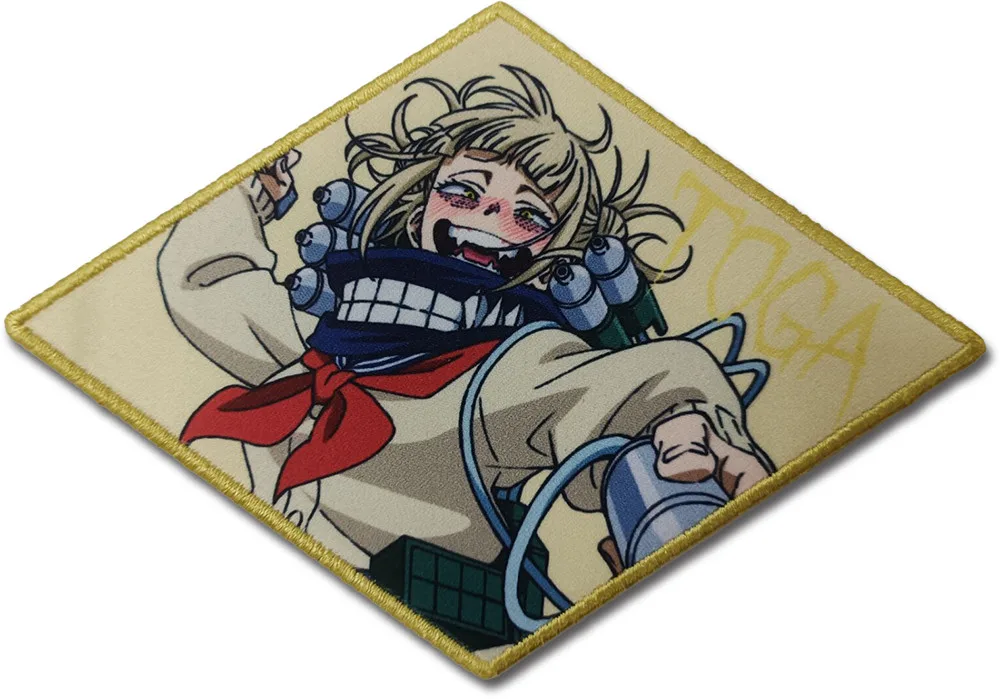
A legitimate anime patch listing usually includes concrete catalog data: who made it, when it was released, the item number, and the approximate box or figure size. For example, a GE Animation patch from 2023 might list a box size of roughly 1.5 x 3.5 inches and an item size of about 3 inches. A bootleg listing often skips those specifics because the seller does not have the official packaging to copy from.
This does not mean every sparse listing is counterfeit. Some small shops photograph patches loose and write short descriptions. But when you are trying to verify anime merch online, missing catalog facts are a decision limitation. You cannot confirm what you cannot see, so you either ask the seller for those details or you buy from a listing that already provides them.
The packaging details that separate real patches from copies
Official patches from established manufacturers typically arrive with branded backing cards or header bags that carry the manufacturer name, release year, and item number. Those printed details are hard to fake convincingly because they must match the patch itself. If a seller shows only the patch and never the packaging, ask for a photo of the back of the card or the bag header.
Pay attention to the item number format. A real product record uses a consistent numeric string, such as 195284511011 for one Ouran High School Host Club patch and 195284511042 for another from the same release. Bootleg sellers often reuse a single generic number across unrelated characters or omit it entirely. A mismatched or recycled item number is one of the clearest fake anime patch signs.
Price is a clue, not a verdict
A low price alone does not prove a patch is a bootleg. Catalog comparison prices can sit well above the actual selling price, especially on older or overstocked items. Seeing a patch listed at a few dollars instead of the original comparison price is normal retail behavior, not automatically a red flag.
The real problem is a low price combined with missing product facts. If a listing undercuts everyone else and also refuses to name the manufacturer, release year, or item number, that combination is what should slow you down. Price becomes meaningful only when you read it alongside the catalog details.
A practical pre-purchase checklist for anime patch buying online
Before you pay, run the listing through a short set of checks. This takes about a minute and catches most of the obvious problems.
First, confirm the manufacturer and release year are stated. Second, look for an item number and check that it is not shared with a completely different character. Third, compare the stated box or item size against the photos. Fourth, ask the seller for a photo of the packaging if it is not shown. If any of these steps fails and the seller will not clarify, buy elsewhere.
- Manufacturer and release year are named in the listing.
- Item number is present and unique to that character.
- Box or item size is stated and matches the photos.
- Packaging photo is available on request.
- Seller answers specific questions instead of giving generic replies.
Verdicts on common patch authenticity claims
- Claim: A low price means it is a bootleg.: Catalog comparison prices are often higher than the actual selling price, so a discount by itself proves nothing. The real signal is a low price paired with missing manufacturer, year, or item number details. Verdict: Not true on its own. Check the catalog facts before deciding.
- Claim: If the listing has photos, it is authentic.: Photos show the front of a patch, not its packaging or item number. Bootleg sellers can photograph a copy just as easily as an official patch. You need packaging details and a matching item number to verify anything. Verdict: False. Photos alone do not confirm authenticity.
- Claim: You cannot check authenticity until the patch arrives.: You can check most of it before buying. Ask the seller for the manufacturer, release year, item number, and a photo of the packaging. A real listing can supply those; a bootleg listing usually cannot. Verdict: False. Do the check before you pay, not after.
- Claim: All patches from the same manufacturer use the same item number.: Item numbers change by character and release. Two Ouran High School Host Club patches from GE Animation in 2023 use different item numbers, 195284511011 and 195284511042. A shared number across different characters is a warning sign. Verdict: False. Matching item numbers across unrelated patches is a red flag.
Catalog facts worth checking on real listings
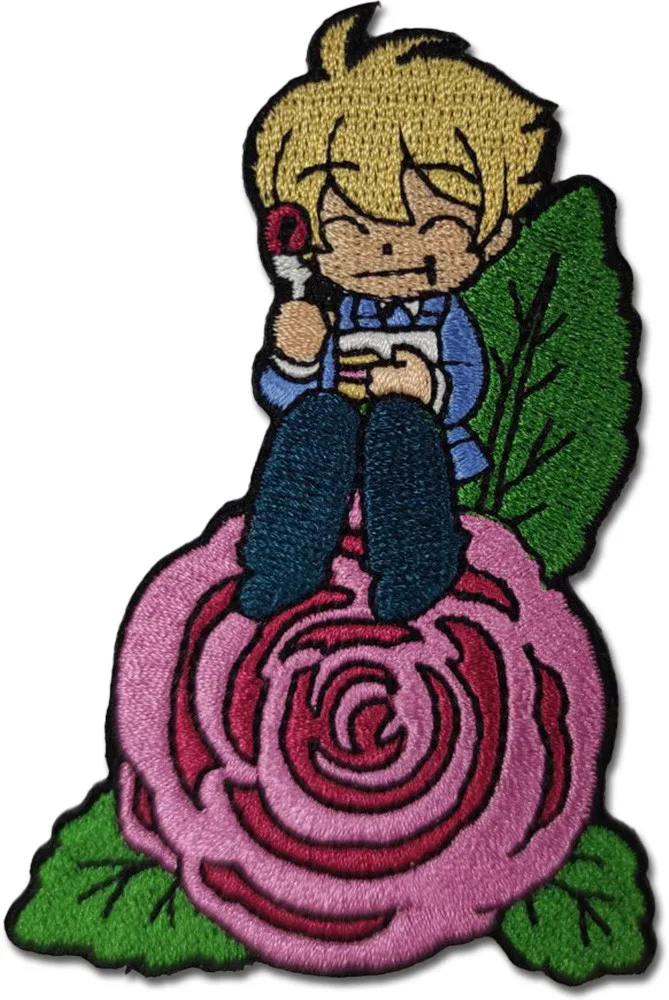
- Ouran High School Host Club - Sd Kaoru Patch(105085962) - Entertainment Hobby Shop Jungle: GE Animation, release year 2023, box size approximately 1.5 x 3.5 inches, item size approximately 3 inches, item number 195284511011. A legitimate listing should be able to state these same details. If a seller cannot provide manufacturer, year, size, or item number, you have no way to verify the patch against the official record.
- Ouran High School Host Club - Sd Mitsukuni Patch(105061288) - Entertainment Hobby Shop Jungle: GE Animation, release year 2023, box size approximately 2 x 3.5 inches, item size approximately 3 inches, item number 195284511042. Notice the item number changes between characters from the same release. A bootleg seller who reuses one number across different patches is giving you a concrete fake anime patch sign.
- Chainsaw Man: Patch - Denji #1(105085970) - Entertainment Hobby Shop Jungle: GE Animation, release year 2023, box size approximately 3 x 3 inches, item size approximately 3 inches, item number 195284513145. Different patch lines can share a manufacturer and year but use different box dimensions and item numbers. Matching those specifics to the listing is how you verify anime merch without guessing.