Quick answer
Start with the seller, not the figure: buy from stores that show real product photos and state the series and options clearly. Then verify the packaging seal, print quality, material feel, and series-specific details before you pay. If any checkpoint fails, walk away—genuine blind box figures are consistent, and counterfeit collectible figures usually are not.
Why blind box fakes are hard to catch online
Blind boxes hide the figure inside, so you cannot inspect the toy before purchase. Counterfeiters exploit this by copying the box art and inserting a cheap cast. The result often looks acceptable in a thumbnail but fails on material, paint, and packaging details. Because the category is built on surprise, the unboxing moment is exactly when fakes become obvious—too late for a refund in many cases.
The practical fix is to shift your checks earlier: confirm the seller's sourcing, ask for real photos of the sealed box, and learn the series-specific tells before you commit. This guide walks through that sequence in order.
Check the seller and listing before you inspect the box
A legitimate listing names the series, brand, and available options—single box or full set—without vague language like 'style may vary' or 'random model.' Look for real photos of the actual product rather than only official renders. If the price is far below the catalog comparison price across the board, treat that as a warning sign rather than a bargain.
On DidaPop, for example, listings show the series name and option types such as style or set size, and prices sit near the catalog comparison price rather than at implausible discounts. That transparency is your first filter.
Inspect the packaging seal and print quality
Genuine blind box packaging uses clean, sharp printing with consistent color registration. Counterfeit boxes often show blurry logos, mismatched fonts, or a seal that looks resealed—wrinkled shrink wrap, double tape, or glue residue along the flap. Check the bottom and side panels, not just the front.
A common mistake is judging only the front artwork. Fakes frequently copy the front well but fail on the back panel, where legal text, barcodes, and safety marks are smaller and harder to reproduce cleanly.
Compare series-specific details against official references
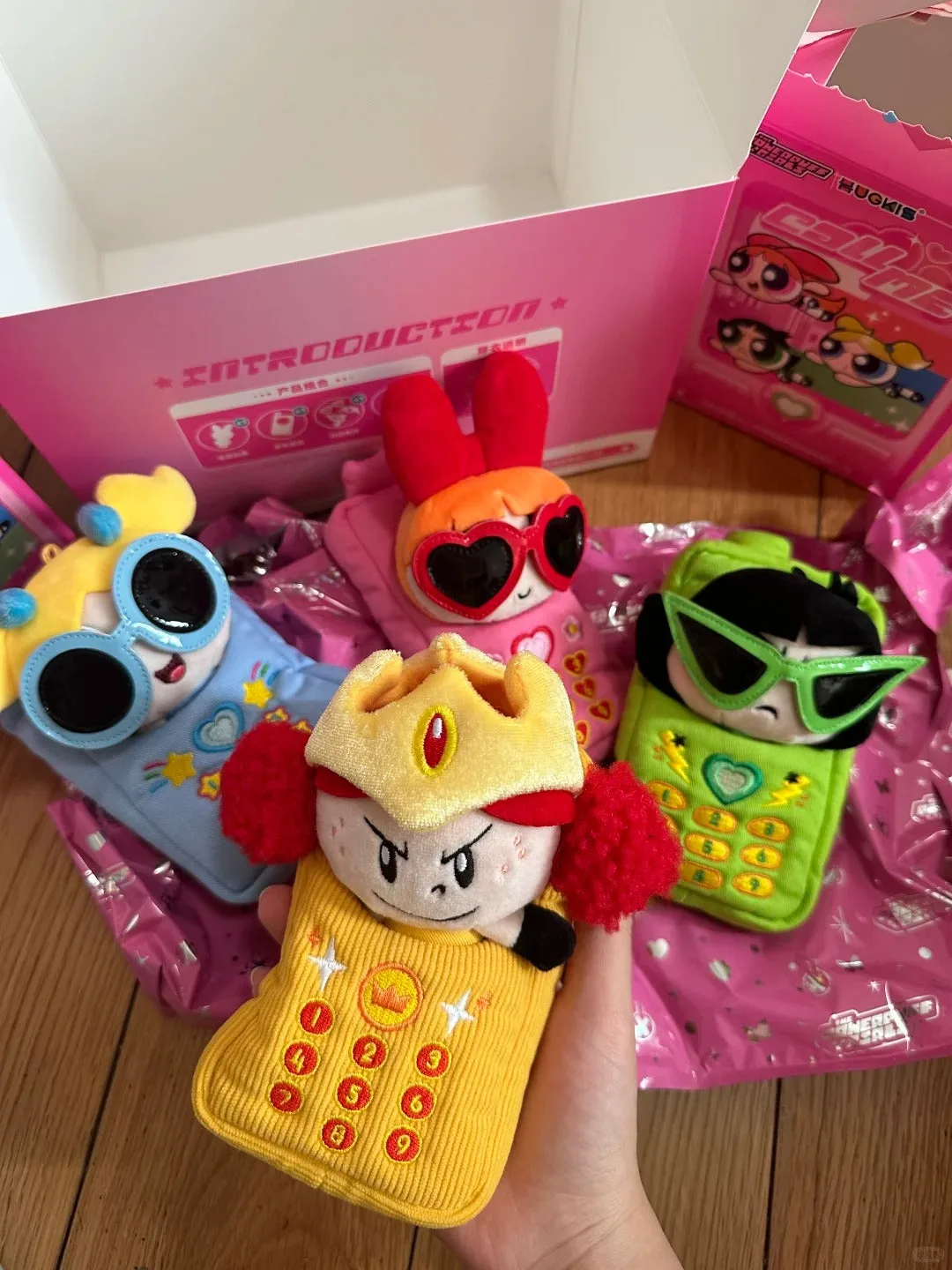
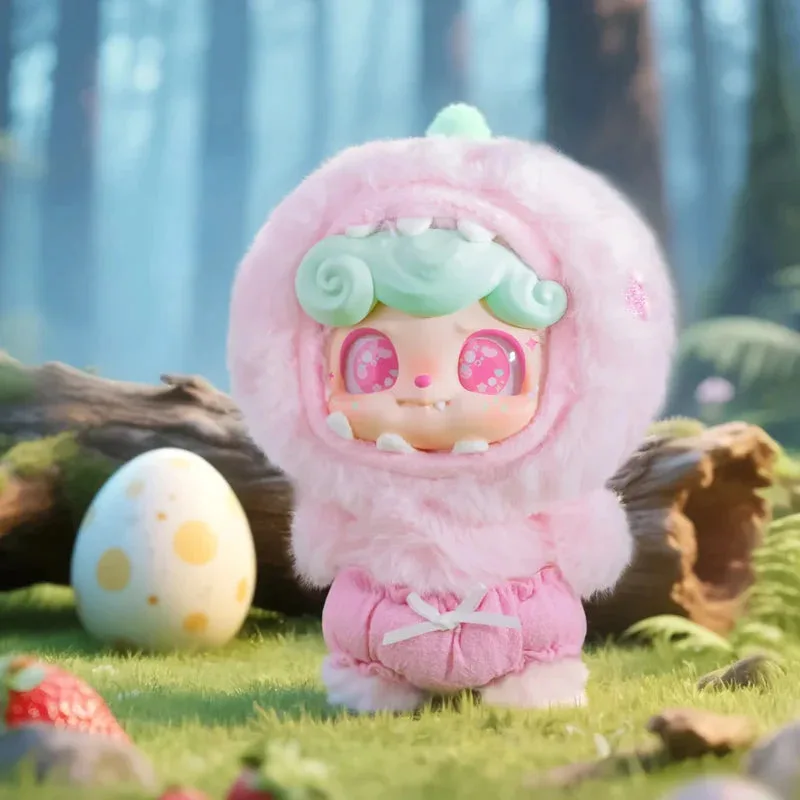
Each series has its own visual language. For plush lines, the character treatment matters: PPG's Call Me series poses figures mid-call or holding small phones, and Q.kid Fairy Tales filters classic characters like Cinderella and Red Riding Hood through the brand's own aesthetic. A counterfeit often gets the costume right but misses the pose logic or accessory theme.
Use the official product page or the brand's own images as your reference. If the figure's pose, accessory, or color palette does not match the series concept, that is a checkpoint failure—even if the box looks convincing.
Feel the material and check paint on arrival
Genuine plush blind boxes use soft, dense fabric with even stitching; counterfeit plush often feels thin, sheds fibers, or has loose seams. For mini figures, check paint edges: authentic figures have clean transitions between colors, while fakes show bleed, overspray, or missed spots in recessed areas.
Do this check immediately after unboxing, while the packaging is still intact. If the material or paint fails, photograph the figure next to the box and contact the seller before discarding anything.
Your 7-step blind box authenticity check
- Verify the seller's product photos: Ask for real photos of the sealed box and the figure if the listing only shows official renders. Legitimate sellers can provide them. Checkpoint: no real photos, no purchase.
- Confirm the series name and option types: The listing should state the exact series and whether you are buying a single box or a set. Vague 'random style' wording is a common fake-listing tell. Checkpoint: if the series name is missing, stop.
- Inspect the box seal and shrink wrap: Look for clean, tight wrap with no wrinkles, double tape, or glue residue. Resealed boxes are a top counterfeit signal. Checkpoint: any sign of resealing is a fail.
- Read the print quality on all panels: Check the back and bottom panels for sharp text, correct fonts, and a legible barcode. Blurry small print is hard for counterfeiters to reproduce. Checkpoint: blurry legal text means walk away.
- Match the figure to the series concept: Compare the pose, accessories, and color palette to official images. For example, PPG Call Me plush should include a phone-themed pose or prop. Checkpoint: theme mismatch is a red flag.
- Feel the material and check stitching: Genuine plush feels dense and soft with even seams. Thin fabric, shedding, or loose stitches suggest a fake. Checkpoint: if it feels cheap, it probably is.
- Inspect paint and details after unboxing: Look for clean paint edges and no missed spots. Photograph any flaw next to the packaging before contacting the seller. Checkpoint: document first, then request a return.
Series details that help you verify authenticity
- PPG Call Me Series Plush Blind Box - Soft Stuffed Toy: PPG's Call Me plush series gives each character a phone-themed treatment—posed mid-call, holding small phones, or carrying call-themed accessories—and is sold as a single piece or a 4-box set. When checking a PPG plush, confirm the phone prop or call pose matches the series concept; a figure without that theme is a red flag.
- Q.kid Fairy Tales Plush Series Blind Box: Q.kid Fairy Tales presents characters such as Cinderella, Snow White, and Red Riding Hood through Q.KID's specific visual language, making them recognizable but filtered through the brand's aesthetic. A genuine Q.kid Fairy Tales plush should look like Q.KID's interpretation, not a generic fairy-tale doll; compare the face shape and styling to official images.
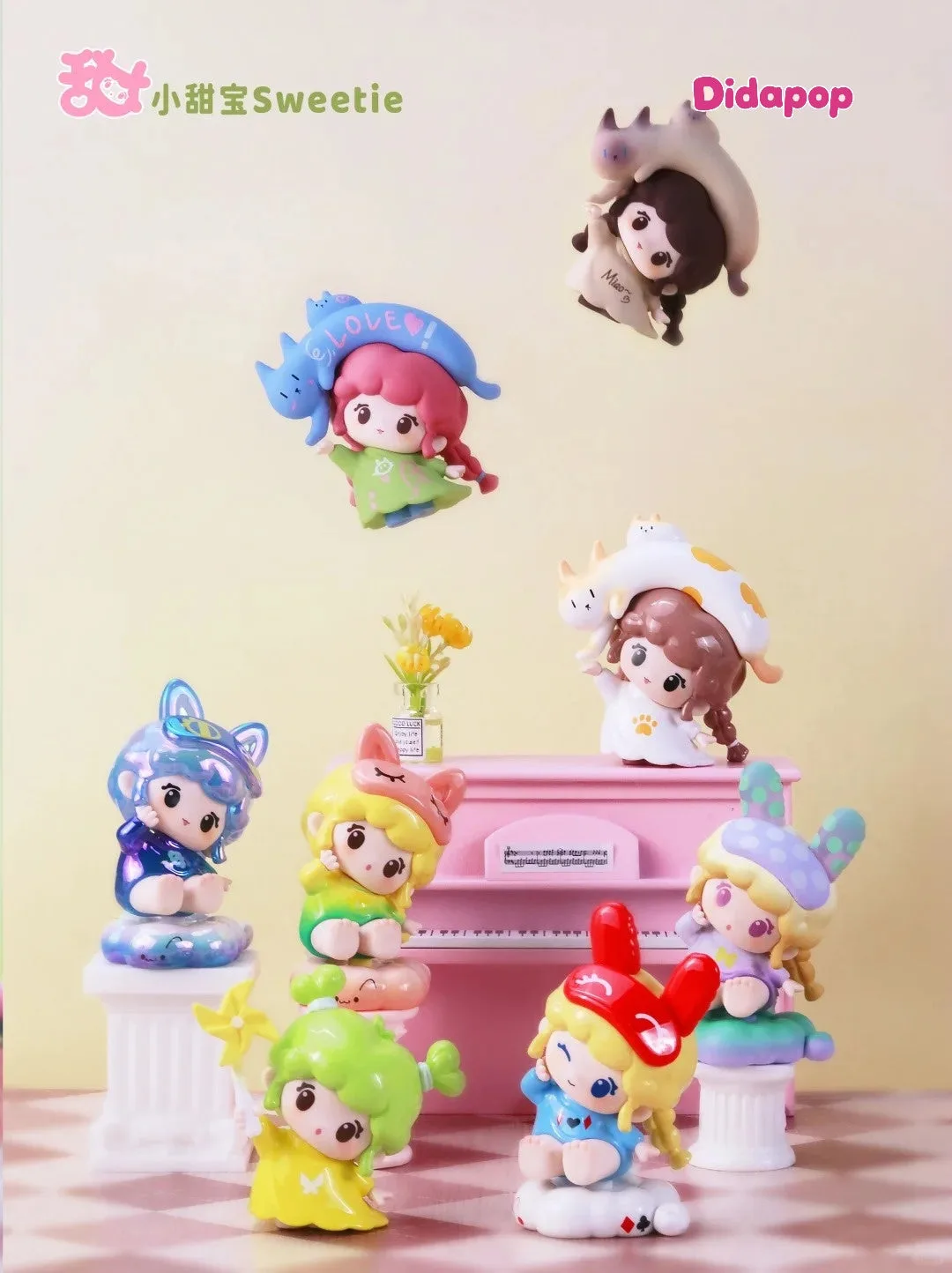
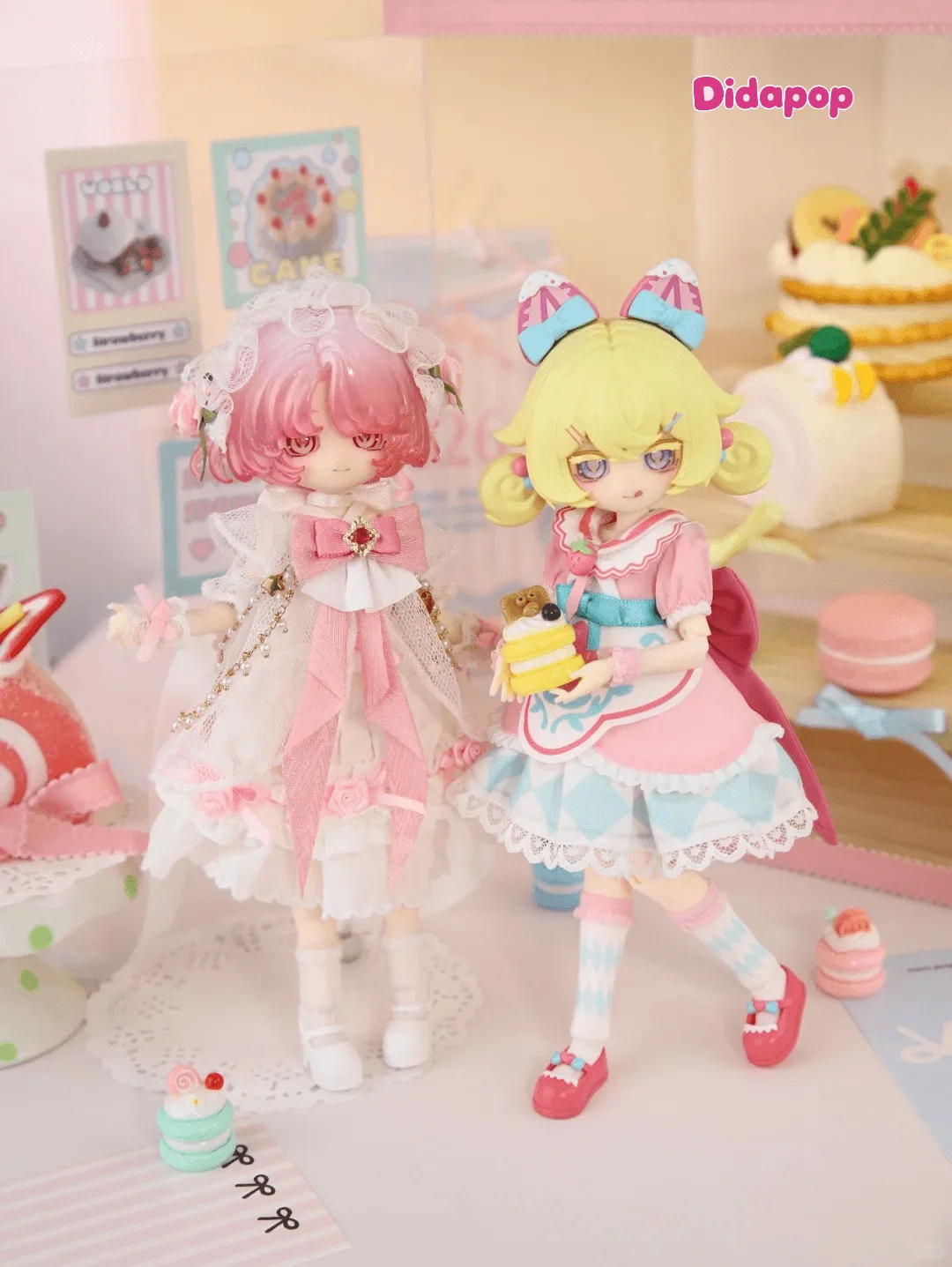
- SWEETIE Sweet Day Series Mini Figures Blind Box: SWEETIE's Sweet Day series uses pastel palettes, sweet-themed character details, and playful poses in a mini-figure lineup, sold as a single box or a complete 10-box set. Check that the pastel palette and candy-coded details are consistent across the figure; muddy colors or missing sweet-themed details suggest a counterfeit.