Quick answer
Spotting fake designer toys requires a systematic check of packaging, materials, paint application, and provenance. Always buy from reputable retailers and verify the artist's official channels. If a deal seems too good to be true, it likely is.
the artist
The designer toy market is booming, but so is the counterfeit industry. Fake sofubi and vinyl figures flood online marketplaces, tricking even seasoned collectors. Understanding how to spot fakes protects your wallet and your collection's integrity.
Counterfeiters have become sophisticated, replicating packaging and even adding fake holograms. However, they often cut corners on materials, paint, and weight. This guide will walk you through the key indicators of authenticity, from unboxing to close inspection.
Start with the Packaging: First Red Flags
Authentic designer toys come in high-quality packaging with crisp printing, correct fonts, and accurate colors. Counterfeiters often use lower-resolution scans, leading to blurry text or mismatched logos. Check for spelling errors, as these are common in fake products.
Examine the seal and any stickers. Many official releases have a unique holographic sticker or a specific tape pattern. Compare with official product images from the artist or manufacturer. If the packaging feels flimsy or the cardboard is thin, be suspicious.
Also, verify the barcode and any serial numbers. While not always present, when they are, they should match the official product. A quick online search can help you confirm the correct barcode for the specific edition.
- Compare the packaging with official photos from the artist or store.
- Look for misspellings or low-resolution graphics.
- Check for official holographic stickers or seals.
Material and Weight: The Feel of Authenticity
Authentic soft vinyl figures have a distinct feel. They are made from high-quality vinyl that is slightly flexible and has a certain weight to it. Counterfeit figures often use cheaper, harder plastic that feels lighter or hollow. Pick up the figure; does it feel substantial?
The surface texture is also a clue. Genuine sofubi often have a smooth, matte finish, while fakes may be glossy or have a rough texture. Look for seams and mold lines; authentic figures have clean seams, whereas fakes may have rough edges or visible flash.
For figures like the Pigora Varied Tit by Konatsu, which is made from Japanese Soft Vinyl, the material is a key part of its charm. A counterfeit might use PVC instead, which feels different and may have a stronger chemical smell.
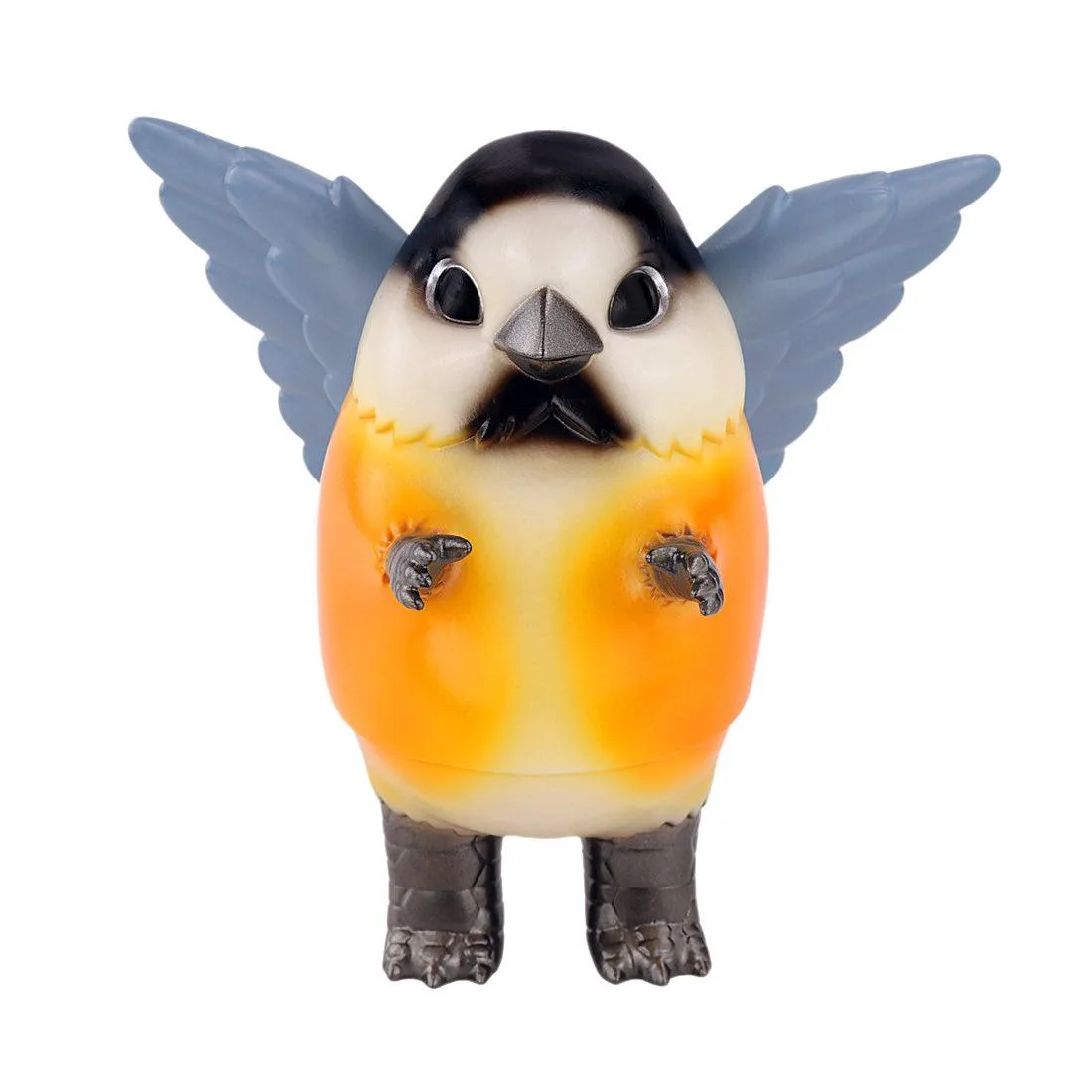
Pigora Varied Tit by Konatsu
- Compare the weight with official specs if available.
- Smell the figure; a strong chemical odor is a red flag.
- Gently press the vinyl; authentic sofubi should have some give.
Paint and Finish: The Devil in the Details
Paint application is where counterfeiters often fail. Authentic figures have clean, precise paint lines with no overspray or bleeding. Check the eyes, edges, and small details. Fakes may have sloppy paint, uneven colors, or missing details.
Look for the paint's finish. Authentic sofubi often have a subtle matte or semi-gloss finish, while fakes may be overly glossy or dull. Also, check for paint rubs or chips, which can indicate a rushed production.
The Shibara Raindrop by Konatsu is a great example of detailed paintwork. The raindrop pattern requires precision, and a fake might have smudged or misaligned drops.
- Use a magnifying glass to inspect fine details.
- Check for consistent paint thickness and color saturation.
- Compare with high-resolution official photos.
Provenance and Pricing: The Importance of Source
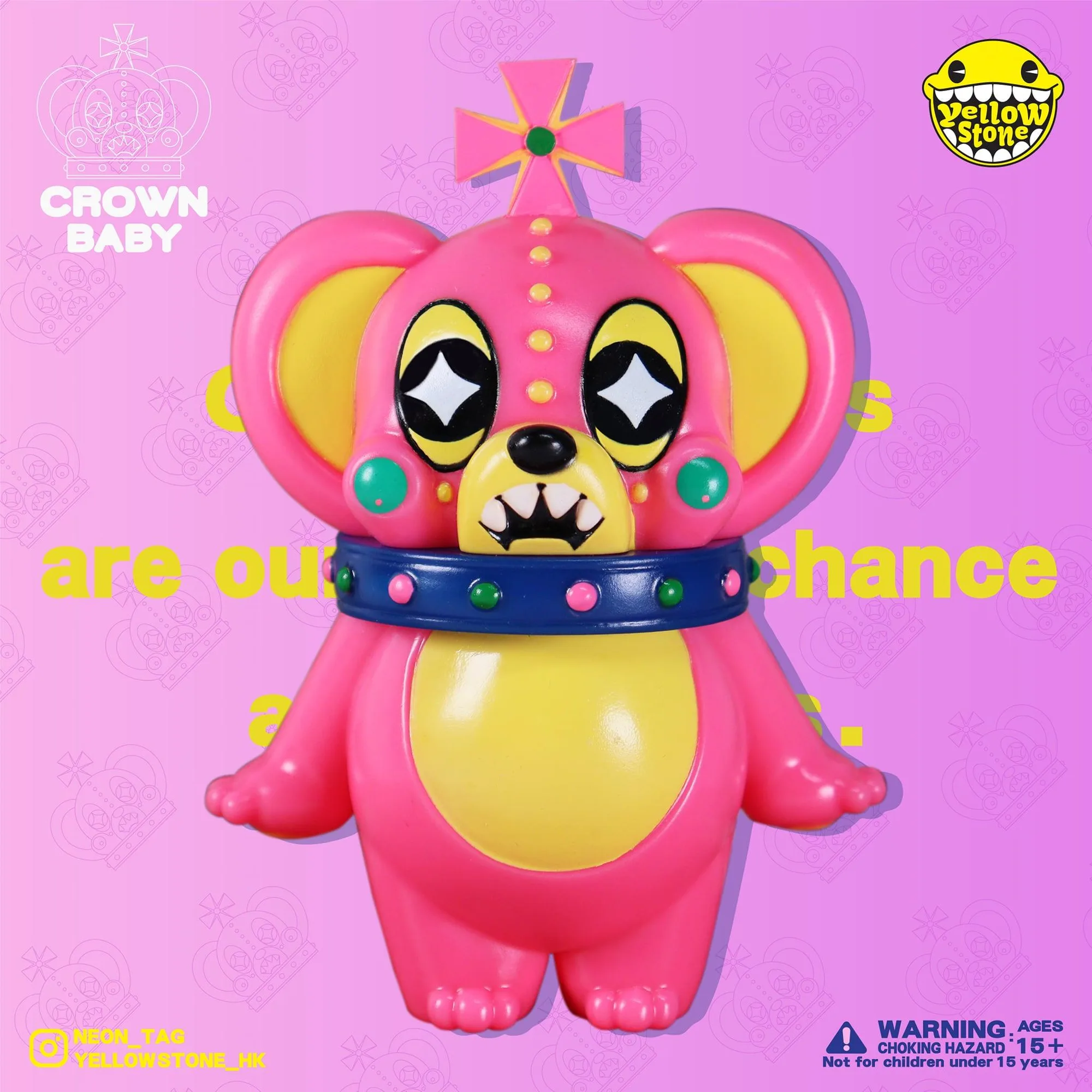
Where you buy matters. Authorized retailers and official artist stores are your safest bet. Be wary of deals that are significantly below the retail price. For instance, a legitimate Crown Baby by Neon Tag x Yellowstone Creative is priced at $40, so a listing at $15 is a massive red flag.
Check the seller's history and reviews. If they have a pattern of selling 'too good to be true' items, avoid them. Ask for proof of purchase or original packaging. Many collectors share photos of their purchases online; you can compare those with the listing.
Also, verify the artist's official channels. Many artists announce their releases and authorized retailers on their social media. If a seller claims to have a rare piece that isn't listed anywhere, it's likely fake.
- Always buy from reputable sellers with positive feedback.
- Compare prices with official retail prices.
- Ask for additional photos or proof of authenticity.
Diagnosis: Is It Fake?
- Symptom: The figure is significantly cheaper than retail, or the packaging has visible flaws. Stop and investigate further before purchasing.
- Likely Cause: Counterfeiters often undercut prices and rush packaging to maximize profit. If the price is too low, assume it's fake unless proven otherwise.
- Corrective Action: Compare the product with official photos, verify the seller, and ask for additional details. If any red flags remain, walk away and find a reputable source.
- Stop or Choose Another Option: If the seller cannot provide proof of authenticity or the deal remains suspicious, stop the transaction. Look for the same figure from an authorized retailer, even if it costs more.
Know Your Products: Catalog Facts to Guide You
- Pigora Varied Tit by Konatsu: Size: 3 inches tall, Material: Japanese Soft Vinyl, by artist Konatsu known for sumi-e style. Authentic pieces will match these specs exactly; any deviation in size or material indicates a fake.
- Shibara Raindrop by Konatsu: Size: 3.5 inches tall, Material: Japanese Soft Vinyl, by artist Konatsu known for sumi-e style. Check the raindrop pattern and size; fakes often have inaccurate dimensions and poor paint.
- Crown Baby by Neon Tag x Yellowstone Creative: Catalog price USD 40.00, inspired by Hong Kong Museum of History's enamel tray. Price is a key indicator; if the deal is far below $40, it's likely counterfeit.
Protecting your collection starts with vigilance. By checking packaging, materials, paint, and provenance, you can avoid counterfeit designer toys. When in doubt, rely on trusted retailers like Bubble Wrapp Toys, which source directly from artists and manufacturers. Explore our selection of authentic sofubi and designer toys to build a collection you can trust.