Quick Answer
To spot fake Dragon Ball figures before buying, inspect the box seal and print quality, compare paint application and joint construction to known authentic samples, and verify the seller's import chain. Start with the seal and printing because bootlegs most often fail there first. If the seal is missing, the print is blurry, or the seller cannot explain the import source, walk away.
Why Bootleg Dragon Ball Figures Are So Common
Dragon Ball is one of the most bootlegged anime franchises because demand is global and the character designs are easy to copy at low cost. Counterfeiters target popular characters like Goku, Vegeta, and Frieza because those names sell quickly online. The problem is that many fakes now use decent molds, so you cannot rely on a single obvious flaw. Instead, you need a repeatable inspection process that checks several points in order. This guide gives you that process so you can evaluate any Dragon Ball figure, whether you are browsing a convention table or a marketplace listing.
What You Need Before You Start
You do not need special tools, but a few items make the check faster and more reliable. A phone camera with a close-up lens or a magnifying app helps you inspect small print. A small flashlight or your phone flash reveals uneven paint and mold seams. If you are buying in person, ask to hold the box under good light. If you are buying online, request additional photos of the box seal, the bottom of the base, and the copyright text. Sellers who refuse these requests are a red flag. For reference, authentic Japanese figures from brands like Bandai Namco and Good Smile Company usually include clear copyright lines and a manufacturer logo that is sharp, not smudged.
Step 1: Check the Box Seal and Shrink Wrap
The box seal is your first and fastest checkpoint. Authentic Japanese figures are typically sealed with a clean, consistent shrink wrap or a circular tape seal that sits flat and does not pucker. Bootlegs often use loose, cloudy plastic that feels thin and wrinkles easily. On a genuine box, the seal should not cover or obscure the manufacturer logo or the copyright text. If the seal looks resealed, has double layers of tape, or leaves sticky residue, treat it as suspicious. One common mistake is assuming that any seal means authenticity. A resealed box can still contain a fake figure, so the seal is a starting point, not a final proof.
Step 2: Inspect Print Quality and Copyright Text
Print quality is where most bootlegs fail under close inspection. Look at the character name, the series logo, and the small copyright line. Authentic boxes use sharp, high-resolution printing with consistent color. Fakes often have slightly blurry text, misaligned color layers, or a copyright line that is missing, misspelled, or uses the wrong font. Check the bottom or side panel for the manufacturer name and the official license mark. If the box says Dragon Ball but lists a manufacturer you cannot verify, that is a warning sign. A genuine import from Japan will usually include Japanese text and a JAN code that matches the product. You can search that code to confirm the release.
Step 3: Examine Paint Application and Mold Seams
Once the box passes the print check, look at the figure itself if you can see it through a window or in photos. Authentic figures have clean paint boundaries, especially around the eyes, hair, and muscle lines. Fakes often show paint bleed, uneven skin tone, or a glossy finish where the original is matte. Mold seams are another tell. Real production figures have seams, but they are usually trimmed and placed in less visible areas. Bootlegs often leave rough seams on the arms, legs, or hair. If the figure is displayed in a way that hides the seams, ask for a photo from the back or side.
Step 4: Verify the Seller and Import Chain
Even a perfect-looking figure can be a fake if the seller cannot explain where it came from. Ask whether the item is a Japanese domestic release or an international version, and whether it was purchased from an authorized distributor. Legitimate import sellers can usually tell you the release window and the manufacturer. If the price is far below the normal market range, that is a strong signal of a bootleg. Be cautious with listings that use stock photos only, have no return policy, or pressure you to pay outside the platform. A seller who welcomes questions and provides extra photos is more likely to be legitimate.
Step 5: Compare Against a Known Authentic Reference
The most reliable way to spot bootleg anime figures is to compare the item to a known authentic version of the same release. Search for unboxing photos or collector forum posts that show the original box and figure details. Pay attention to the exact color of the hair, the position of the logo, and the shape of the base. If you already own an authentic figure from the same line, use it as a side-by-side reference. Small differences in plastic texture, weight, and joint tightness can confirm a fake even when the paint looks close. When in doubt, compare the product ID or JAN code on the box to the official release information.
Your 5-Step Bootleg Check
- Check the box seal: Look for clean, flat shrink wrap or a circular tape seal that does not cover the logo. Resealed or cloudy plastic is a red flag. If the seal looks tampered with, stop and ask for more photos.
- Read the copyright and print: Verify sharp text, correct manufacturer name, and a JAN code you can search. Blurry or missing copyright lines indicate a fake. A genuine box always has clear, legible licensing information.
- Inspect paint and seams: Check for paint bleed, glossy finish, and rough mold seams on arms, legs, and hair. Authentic figures have clean boundaries and trimmed seams. If you cannot see the figure, request side and back photos.
- Vet the seller and price: Ask about the import source and return policy. Prices far below market value usually mean a bootleg. A seller who avoids questions is not worth the risk.
- Compare to a known authentic: Use unboxing photos or your own authentic figure from the same line. Match the hair color, logo placement, base shape, and weight. When in doubt, compare the JAN code to the official release.
Authentic Japanese Figures That Show Correct Packaging Standards
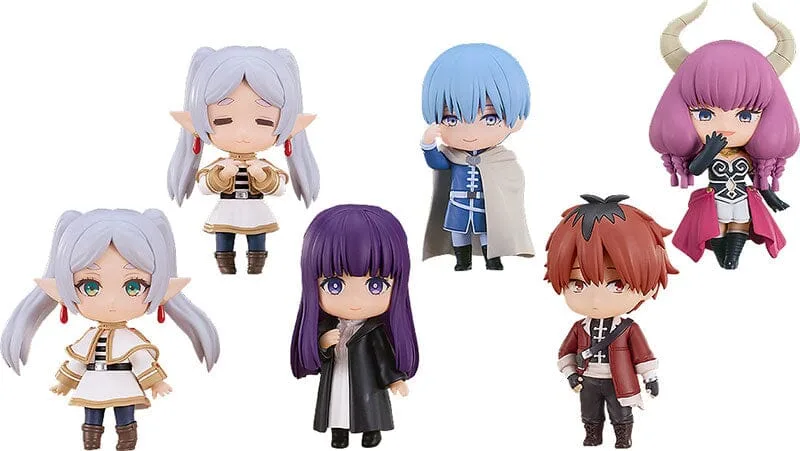
- Nendoroid Surprise Figure - Frieren: Beyond Journey's End (6Pcs/BOX): This is an authentic Nendoroid Surprise Figure - Frieren: Beyond Journey's End (6Pcs/BOX) from Good Smile Company Figure collection in Japan. This box contains a complete set with lineup: Frieren, Himmel, Fern, Stark, Aura. Use this as a reference for how a genuine Good Smile Company box lists the full lineup and manufacturer, which helps you compare print quality and seal style when checking Dragon Ball figures.
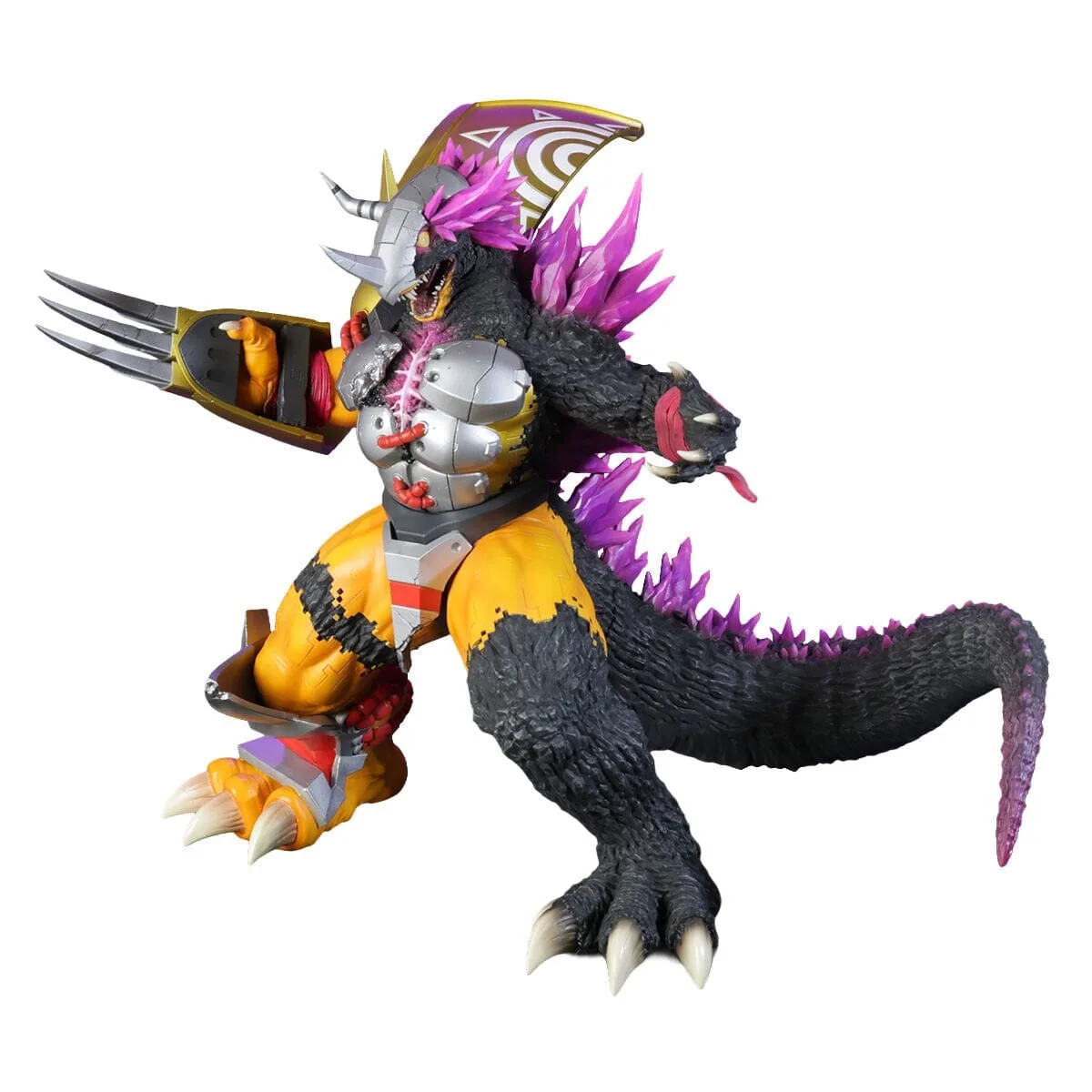
- WarGreymon Toho Daikaiju Series Figure -G Erosion Mode- Digimon x Godzilla 70th Edition Anniversary: This is an authentic WarGreymon Toho Daikaiju Series Figure -G Erosion Mode- Digimon x Godzilla 70th Edition Anniversary from Bandai Namco Figure in Japan. Contents: Main figure, Tail Wing, Display base, Instruction manual. Dimensions: Approx. H26cm. Bandai Namco packaging typically includes a detailed contents list and dimensions. If a Dragon Ball figure box omits these details or uses vague measurements, that is a warning sign.
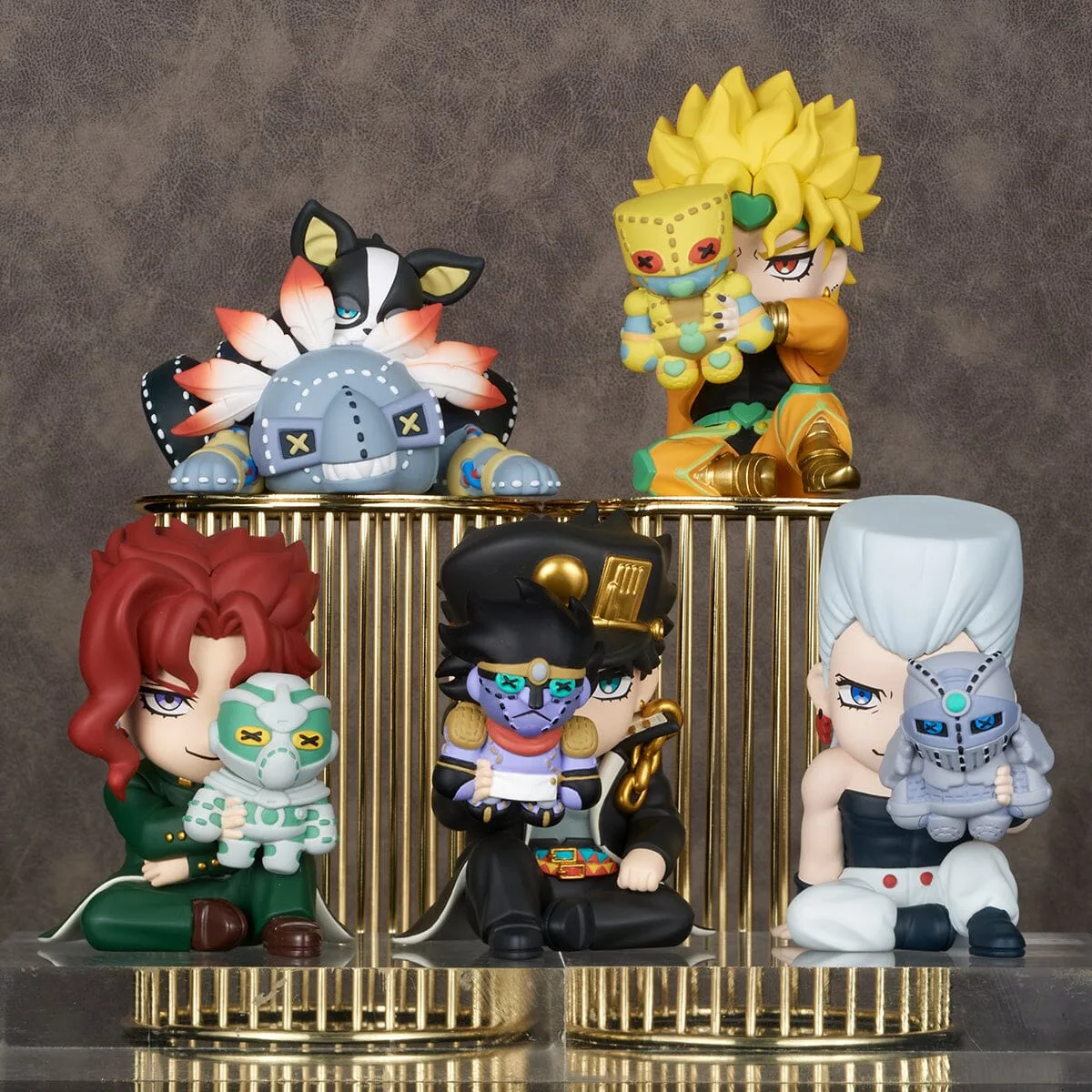
- PERIHAPI! Hide & Seek Figure - JoJo's Bizarre Adventure: Stardust Crusaders (8Pcs/BOX): This is an authentic PERIHAPI! Hide & Seek Figure - JoJo's Bizarre Adventure: Stardust Crusaders (8Pcs/BOX) from Takara Tomy Figure in Japan. All 5 types will be collected by purchasing 1 BOX. Line-up: Jotaro Kujo, Noriaki Kakyoin, Jean Pierre Polnareff, Iggy, DIO, SECRET, SECRET, SECRET. Contents: x8 Figures. Dimension: Approx. H80mm. Authentic Japanese blind-box figures often include secret variants and a clear contents count. Fake boxes may list the lineup incorrectly or promise a full set when the original release was randomized.