Quick answer
To spot a fake Pokémon plush, start with the tag: authentic Japanese plush from Pokémon Center carry a woven tush tag with the Pokémon Center name, a Japanese manufacturer line, and a clean copyright block. Then check stitching density, embroidery edges, and fiberfill. If the tag is printed paper, the font is blurry, or the seller cannot name the origin, treat it as counterfeit until proven otherwise.
Why counterfeits are so common in Pokémon plush
Pokémon is one of the most counterfeited plush categories because demand is global and the characters are easy to copy. A counterfeit maker only needs a rough pattern and cheap fabric; they do not need licensing, safety testing, or official packaging. That is why two plush of the same character can look similar in a listing photo but differ completely in person.
The tag is your first and strongest checkpoint
Official Pokémon plush sold in Japan usually have a woven tush tag, not a printed paper tag. The tag should show the Pokémon Center name, a Japanese manufacturer or distributor line, and a copyright block. On legitimate plush, the text is crisp and evenly spaced. On counterfeits, the tag is often a thin paper rectangle with blurry text, missing Japanese characters, or a generic 'Made in China' line with no brand.
- Check the hang tag too: authentic plush often include a paper hang tag with the Pokémon Center logo and a barcode.
- If the tag says 'Pokémon' but not 'Pokémon Center' or a known Japanese maker, be cautious.
- A missing tush tag is a major red flag, even if the plush looks correct.
Inspect stitching, embroidery, and seams
Authentic plush use tight, consistent stitching and clean embroidery. Look at the eyes, mouth, and any pattern on the body. On real plush, embroidery edges are smooth and the thread color matches the design. On fakes, you often see loose threads, uneven stitch length, or embroidery that sits slightly off-center. Seams should be straight and hidden; visible glue or frayed edges are signs of a counterfeit.
Feel the fabric and fill
Official Pokémon plush typically use soft, dense fabric and resilient fiberfill. The plush should hold its shape when you squeeze it and return without lumps. Counterfeits often use thinner fabric that feels slick or papery, and fill that bunches or feels empty in places. If the plush feels stiff, has a chemical smell, or sheds fibers immediately, it is likely not official.
Compare proportions and details to official references
Counterfeit makers often get proportions wrong. A Dedenne should have a specific ear shape and tail curve; a Ditto-colored plush should match the official cap and face placement. Search the exact product name plus 'Pokémon Center' to find official photos. If the seller's plush has a different eye shape, missing details, or a color that looks off, it is probably a copy.
Buy from sellers who can prove origin
The safest way to avoid counterfeits is to buy from a seller who specializes in authentic Japanese merchandise and can describe the product's origin. Ask where the plush was purchased and whether it includes the original tag. A seller who cannot answer basic questions about the tag or manufacturer is a risk. Stores that import directly from Japan, like Ichiba Japan, reduce that risk because the product record ties back to a specific Japanese release.
Step-by-step authentication process
- Step 1: Flip the plush and find the tush tag: Look for a woven tag sewn into a seam, usually near the bottom. It should name Pokémon Center or a known Japanese manufacturer and include a copyright line. Checkpoint: if the tag is missing, printed on paper, or has blurry text, stop here.
- Step 2: Read the tag text closely: Authentic tags have crisp, evenly spaced text with Japanese characters and a clean copyright block. Counterfeits often have misspellings, missing characters, or a generic 'Made in China' line with no brand. Checkpoint: take a photo of the tag and zoom in; blurry text is a common fake signal.
- Step 3: Inspect embroidery and stitching: Check the eyes, mouth, and any pattern. Real plush have tight, consistent stitches and smooth embroidery edges. Fakes show loose threads, uneven stitch length, or off-center embroidery. Checkpoint: run your finger along the embroidery; if it feels raised or scratchy, be suspicious.
- Step 4: Squeeze the plush and feel the fill: Official plush use dense, resilient fiberfill that springs back. Counterfeits feel lumpy, empty in spots, or stiff. A chemical smell or immediate shedding is a strong fake indicator. Checkpoint: if the plush does not return to shape after squeezing, it is likely not official.
- Step 5: Compare proportions to official photos: Search the exact product name plus 'Pokémon Center' and compare ear shape, tail curve, and color. Counterfeits often get proportions or details wrong. Checkpoint: if the seller's photo differs from official references, ask for more angles before buying.
- Step 6: Ask the seller about origin: A legitimate seller can tell you where the plush was purchased and whether it includes the original tag. Vague answers or refusal to provide tag photos are red flags. Checkpoint: buy only from sellers who specialize in authentic Japanese merchandise and can document the source.
Authentic examples to compare against
- Dedenne Plush Mugyutto: This is an authentic Dedenne Plush Mugyutto from Pokémon Center in Japan. Use this as a reference for the correct tag format and official Pokémon Center branding when checking a Dedenne plush.
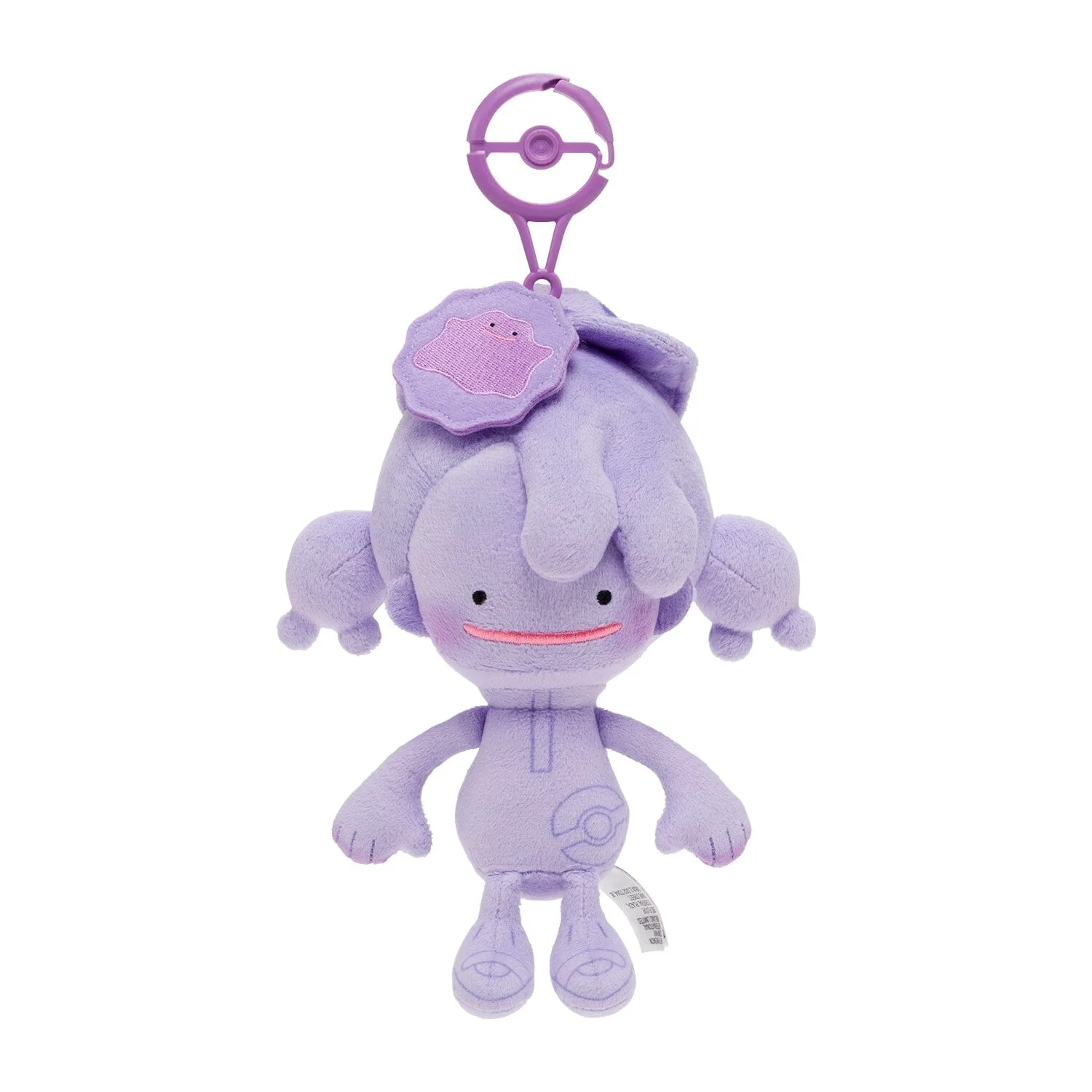
- Ditto-colored Plush With Cap Pokémon Pokopia: This is an authentic Ditto-colored Plush With Cap Pokémon Pokopia from Pokémon Center in Japan. Dimension: Approx. 13×7.5×22 cm. The listed dimensions give you a concrete size to compare against a counterfeit, which often runs smaller or larger.
- Amy Mascot Plush - SONIC&FRIENDS & you: This is an authentic Amy Mascot Plush - SONIC&FRIENDS & you from SEGA in Japan. Dimension: Approx. 6×4×10cm. Shows that authentic Japanese plush from other brands use similar tag and sizing standards, so the same checks apply.