Quick Answer
To spot a recalled or defective figure, check for official recall notices, inspect packaging and materials for red flags, and test joints and paint for stability. If you notice sharp edges, strong chemical smells, or loose parts that could be a choking hazard, stop handling the figure and contact the manufacturer or retailer.
Every collector eventually faces a moment of doubt: is this figure safe to display, or is it a defective piece that slipped through quality control? While many figure quality issues are cosmetic, some defects can pose real safety risks, especially for younger fans. Knowing how to perform a defective figure check before you unbox—or after you’ve already opened—can save you from headaches and keep your collection safe.
Recalled toy figures are rare, but they do happen. Manufacturers issue recalls when a defect could cause injury, such as choking hazards, sharp edges, or toxic materials. As a collector, you don’t need to be a safety inspector to catch most problems. A few simple checks on packaging, materials, and construction can reveal whether a figure is safe to keep or should be returned.
Start with the Packaging and Official Notices
Before you even open the box, look at the packaging. Official recall notices often appear on retailer websites, manufacturer pages, or government consumer safety sites. If you suspect a figure might be part of a recall, search the exact product name and the word “recall” before you unbox. You can also check the packaging for a batch number or manufacturing date—these details help you confirm whether your specific unit is affected.
Inside the box, inspect the figure for any signs of damage during shipping. A crushed box doesn’t automatically mean the figure is defective, but it can indicate rough handling that may have caused hidden stress fractures. If the packaging looks tampered with or the seal is broken, be extra cautious. A figure that arrives with missing parts or broken pieces is a clear sign of a quality issue, and you should contact the seller immediately.
- Always keep the original packaging and receipt until you’ve confirmed the figure is in good condition.
- Take photos of the packaging and figure before removing it from the box—this helps if you need to file a return.
Inspect Materials for Safety Red Flags
Once the figure is out, focus on the materials. A strong chemical smell—like a heavy plastic or paint odor—can indicate that the figure was made with unsafe solvents or that the paint hasn’t cured properly. While some new figures have a slight “new toy” smell, a pungent odor that lingers is a reason to stop and consider returning the item.
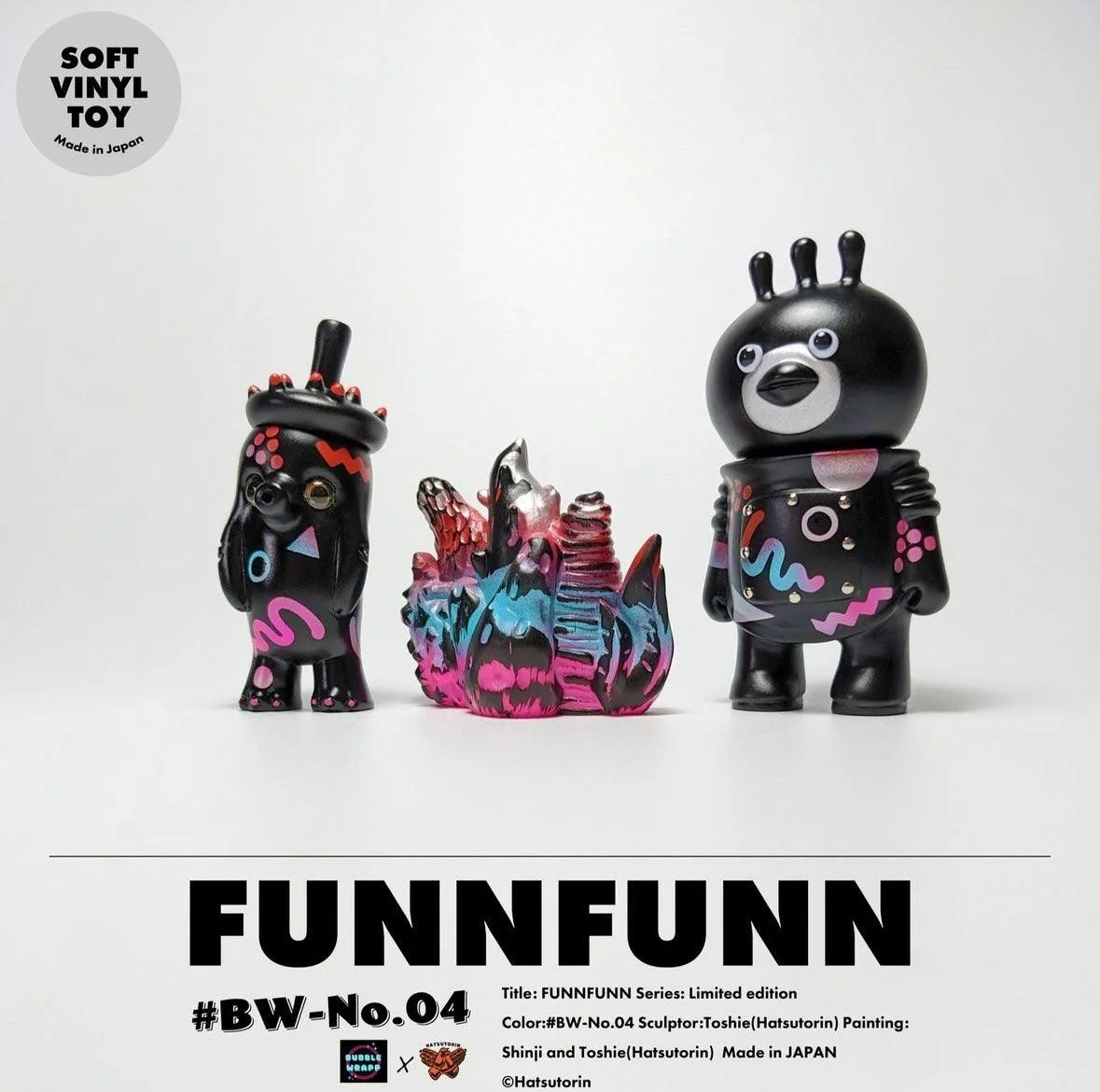
Check for sharp edges or rough seams, especially on figures with intricate details. Soft vinyl figures, like those from Sofubi lines, are generally flexible, but they can still have mold lines that are sharp if not properly finished. Run your fingers gently along edges and joints. If you feel any pointy or jagged areas, that’s a potential injury risk, particularly if the figure is displayed within reach of children.
- If a figure smells strongly of chemicals, air it out in a well-ventilated area for a day. If the smell doesn’t fade, consider returning it.
- Use a soft cloth to wipe the figure—if paint easily transfers or smudges, that’s a sign of poor quality control.
Test Joints, Stability, and Paint Application
Figure quality issues often show up in the joints and paint. For articulated figures, gently move each joint through its full range of motion. A defective joint might be too loose, causing the figure to slump, or too tight, risking a snap when you apply pressure. Neither is ideal, but a snapped joint is a bigger problem because it can create sharp plastic edges.
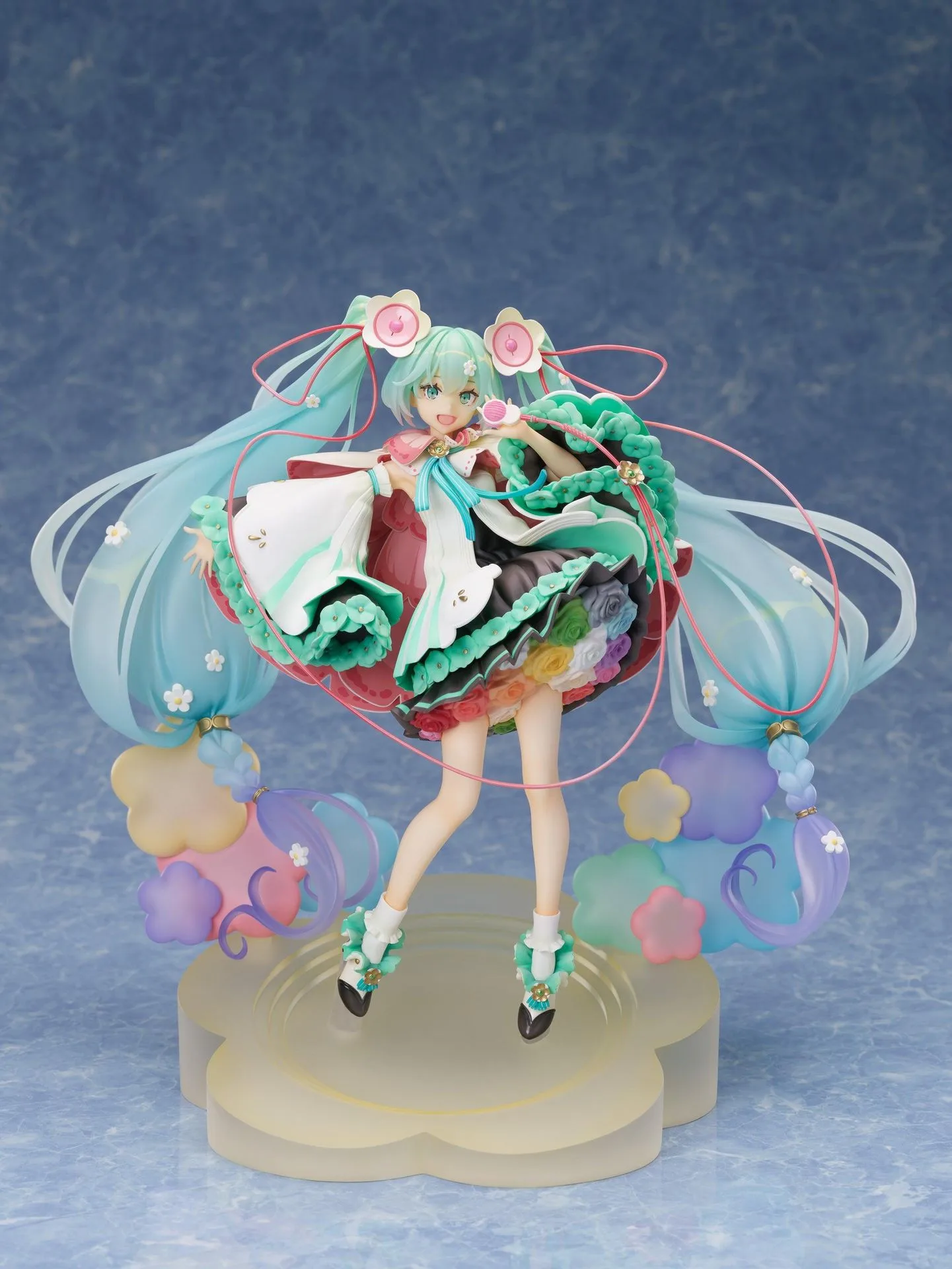
Paint application is another common defect area. Look for paint that is misaligned, chipped, or has bubbles. While minor imperfections are normal in mass-produced figures, large areas of missing paint or paint that appears to be flaking off could indicate a defective batch. For figures with intricate details, like the flower motifs on a Hatsune Miku figure, check that the paint is crisp and doesn’t bleed outside the intended lines.
- Test each joint slowly and stop if you feel resistance—forcing a stiff joint can cause breakage.
- If you notice paint flaking, place the figure in a sealed bag and contact the manufacturer for a replacement.
Diagnosis: Symptom, Cause, and Action
- Symptom: Strong chemical smell: A pungent odor that doesn't dissipate after airing out. Stop handling the figure and contact the manufacturer. This could indicate unsafe materials.
- Symptom: Loose or broken joints: Joints that don't hold a pose or snap when moved. If a joint snaps, stop and check for sharp edges. Return the figure if it's within the return window.
- Symptom: Paint chipping or flaking: Paint that easily transfers, smudges, or flakes off the figure. This is a quality issue. Contact the retailer for a replacement or refund, and isolate the figure to prevent paint from getting on other items.
- Symptom: Sharp edges or rough seams: Any pointy or jagged areas, especially on soft vinyl figures. If the figure is for display only, you might sand the edge carefully. If it's for a child, choose another option instead.
Real Examples: What to Look For
- Hatsune Miku Magical Mirai Ver. 1/7 Scale Figure: This 1/7 scale figure captures intricate details, from the warm color palette to the stunning flower motifs and the meticulously arranged panniers of blossoms. When a figure has such detailed paintwork, check for any bleeding or smudging in the flower motifs—a common sign of quality issues in complex figures.
- Daioh Negora Polarized - Purple & Navy by Konatsu: This Japanese soft vinyl figure is made from soft vinyl, a material known for its flexibility and durability. Soft vinyl can sometimes have mold lines or rough seams; run your fingers along the figure to ensure there are no sharp edges that could be a safety concern.
Performing a quick defective figure check before and after unboxing can prevent safety issues and preserve the joy of collecting. If you spot any of the warning signs—strong smells, sharp edges, loose joints, or poor paint—don't hesitate to stop and contact the seller. Your safety and the integrity of your collection are worth more than any single figure.