Quick Answer
Check your Ninni pacifier before every use for cracks, tears, sticky surfaces, or discoloration, and replace it at the first sign of damage or every 2 months, whichever comes first.
Why Regular Checks Matter
A pacifier goes through a lot: constant sucking, teething, and repeated sterilization. Even a high-quality pacifier like the Ninni, designed to feel like a breast and support healthy dental development, will eventually show wear. Catching damage early prevents small issues from becoming safety hazards.
The Ninni pacifier is made from soft, flexible silicone that mimics the breast. While this material is durable, it is not indestructible. Regular inspection is key to ensuring it remains safe and effective for your baby.
Common Wear Signs You Might Miss
Some signs of wear are obvious, like a visible tear. Others are subtle: a slight change in texture, a sticky or tacky feel, or a faint discoloration. These can indicate that the silicone is breaking down, even if the pacifier still looks intact.
Also, pay attention to how the pacifier feels when you squeeze it. If it loses its bounce or feels permanently compressed, it's time for a new one.
Step-by-Step Inspection Guide
- Wash and dry your hands: Before handling the pacifier, wash your hands thoroughly with soap and water. Dry them completely to avoid transferring oils or moisture that could make it harder to spot damage. A clean inspection surface ensures you don't miss subtle defects.
- Look for cracks and tears: Hold the pacifier under bright light and slowly rotate it, examining the nipple, shield, and handle. Stretch the nipple gently to reveal any hidden cracks or tears. If you see any, replace the pacifier immediately. Cracks can harbor bacteria and may worsen quickly, so don't wait.
- Feel for sticky or tacky surfaces: Run your fingers over the entire surface. If the silicone feels sticky, tacky, or has lost its smoothness, the material may be degrading. This can happen with repeated sterilization or exposure to heat. A change in texture is a sign to replace, even if there are no visible cracks.
- Check for discoloration or cloudiness: Compare the pacifier to a new one if possible. Yellowing, cloudiness, or dark spots can indicate breakdown of the silicone. While some staining from food is normal, any change in color that doesn't wash off should be a red flag. Discoloration often precedes loss of structural integrity.
- Test the shield and handle: Gently pull the shield and handle in opposite directions. They should feel sturdy and not stretch excessively. If the shield bends too easily or the handle tears, the pacifier is no longer safe to use. A weakened shield could pose a choking hazard.
- Replace on schedule or at first sign of damage: Even if the pacifier looks fine, replace it every 2 months, or sooner if your baby is teething heavily or you notice any of the above signs. Always have a backup on hand, like the Ninni Pacifier Cocoa, so you're never caught without a safe option. Regular replacement is the best way to ensure your baby's pacifier is always safe.
Product Spotlight
-
Ninni Pacifier Cocoa 1 Pack: The Ninni Pacifier Cocoa is designed to support healthy dental and oral development and is recommended for ages 0-24 months. Because it's meant to be used for up to two years, regular wear checks help you maintain the pacifier's dental benefits and safety over time.
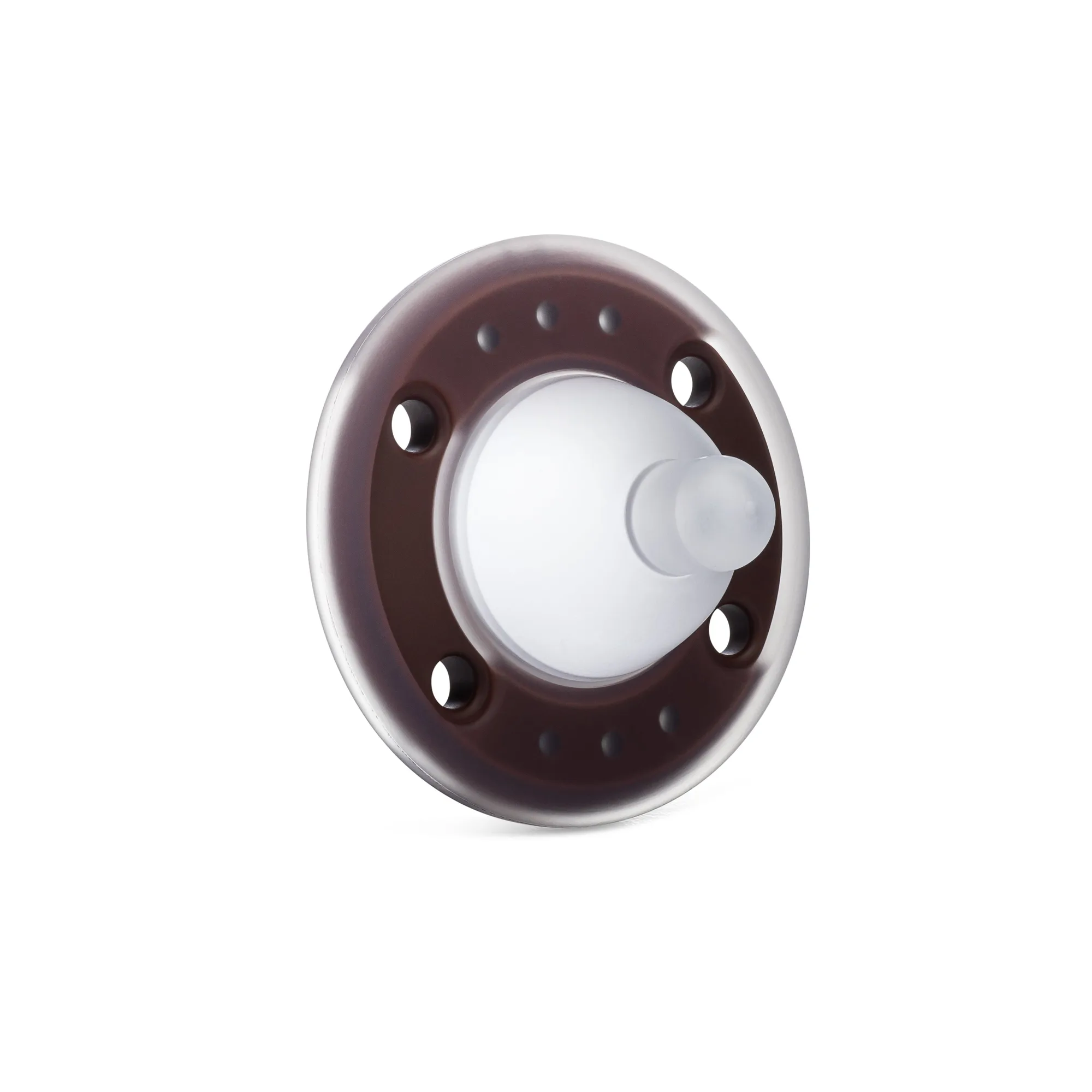
Ninni Pacifier Cocoa 1 Pack