If you’ve ever wondered why one cup of coffee tastes like blueberries and another like dark chocolate, a coffee journal is your answer. Keeping a coffee diary transforms your daily brew from a routine into a rich, sensory exploration. It helps you remember what you loved, refine your brewing technique, and discover patterns in flavor that you might otherwise miss.
Whether you’re a curious beginner or a seasoned home barista, a coffee journal is the simplest tool to elevate your coffee hobby. You don’t need fancy equipment—just a notebook, a pen, and a willingness to pay attention. In this guide, we’ll show you exactly how to start, what to record, and how to use your notes to brew better coffee every time.
Why Keep a Coffee Journal?
A coffee journal is more than a log of what you drank. It’s a personal map of your taste preferences, brewing experiments, and coffee discoveries. Over time, you’ll notice that certain origins, roast levels, or processing methods consistently appeal to you. This awareness helps you make smarter buying decisions and avoid wasting money on beans you don’t enjoy.
Journaling also sharpens your palate. When you write down specific tasting notes—like lemon acidity, floral aroma, or buttery body—you train your brain to recognize those flavors in future cups. It turns every sip into a learning opportunity. Plus, looking back at old entries can be surprisingly nostalgic, like revisiting a travel diary filled with delicious memories.
- Improves your ability to identify flavor notes and aromas
- Helps you replicate your best brews consistently
- Encourages mindful drinking and reduces mindless caffeine consumption
What to Include in Your Coffee Diary
Start with the basics: date, coffee name, origin, and roast level. Then add brewing details like method, grind size, water temperature, and brew time. These variables directly affect taste, so recording them lets you troubleshoot later. For example, if a cup tastes bitter, you can check whether your water was too hot or your grind too fine.
Next comes the fun part—tasting notes. Describe the aroma, acidity, sweetness, body, and aftertaste. Use simple words at first: fruity, nutty, floral, chocolatey. Over time, you’ll develop a more nuanced vocabulary. Don’t forget to rate your overall enjoyment on a scale of 1 to 10. This quick score helps you compare coffees at a glance.
Finally, leave space for personal observations. Did you pair it with food? Was the weather affecting your mood? These context clues can explain why the same coffee tastes different on different days. A coffee journal is your own experiment log—there are no wrong answers.
- Date, coffee name, origin, roast level
- Brew method, grind size, water temp, brew time
- Aroma, acidity, sweetness, body, aftertaste, overall score
Tools to Enhance Your Coffee Journaling Experience
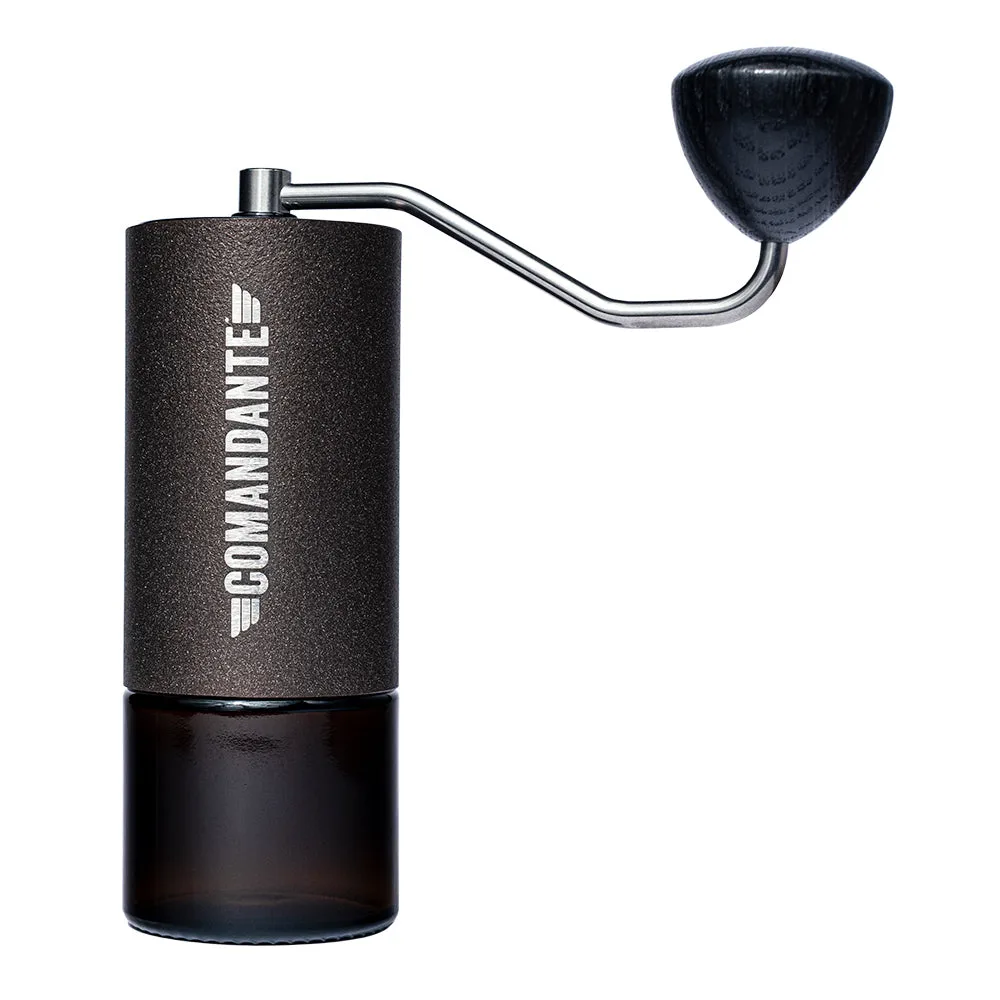
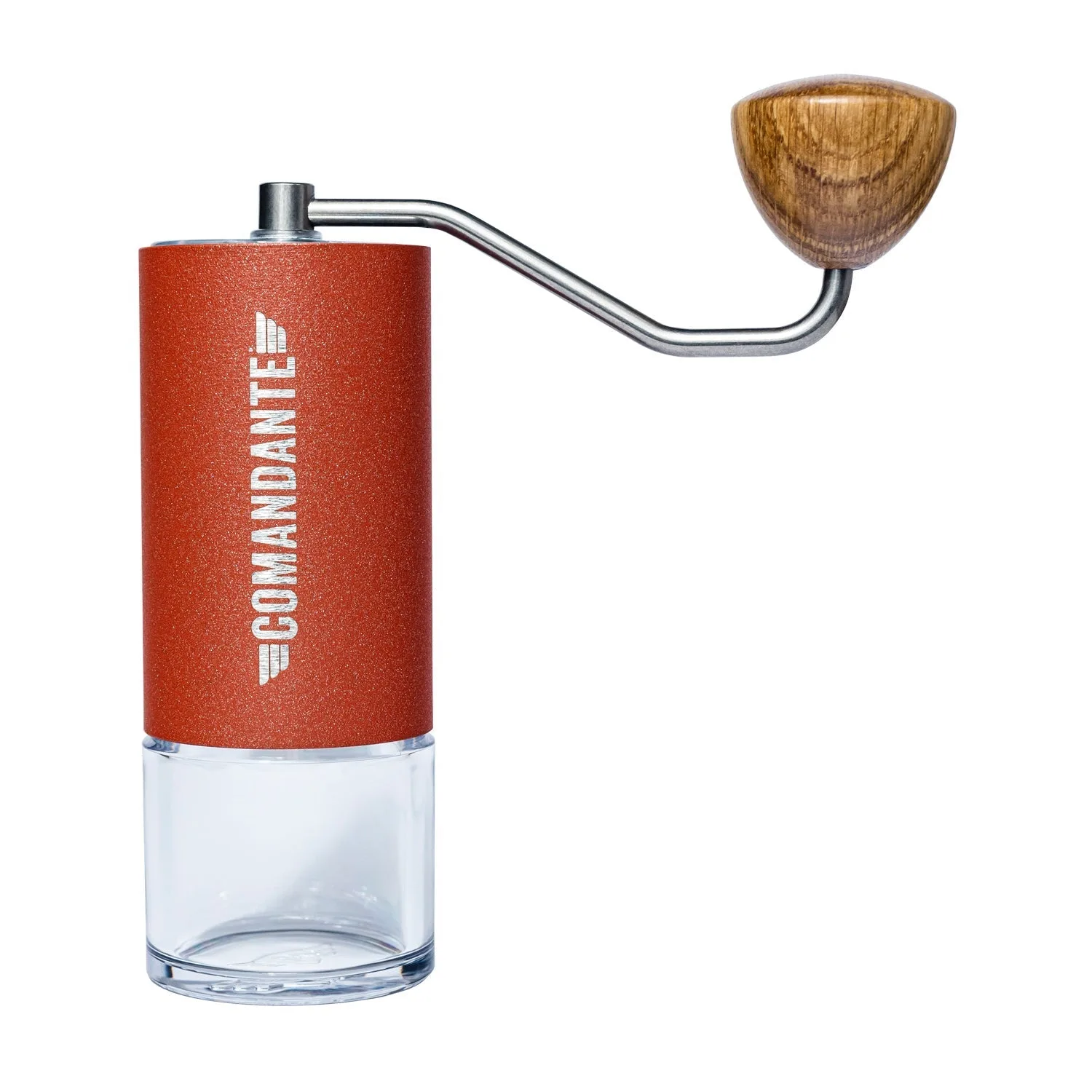
While a simple notebook works perfectly, a few tools can make your coffee diary more precise and enjoyable. A good digital scale ensures consistent brew ratios. A thermometer takes the guesswork out of water temperature. And a quality grinder, like the https://beansyai.shop/products/comandante-c40-nitro-blade-coffee-grinder-mk4-133625https://beansyai.shop/products/comandante-c40-nitro-blade-coffee-grinder-mk4-133626https://beansyai.shop/products/comandante-c40-nitro-blade-coffee-grinder-mk4-133627https://beansyai.shop/products/comandante-c40-nitro-blade-coffee-grinder-mk4-133628Comandante C40 Nitro Blade Coffee Grinder MK4, gives you uniform particles for even extraction—making your tasting notes more reliable.
For those who love structured data, consider using a printed template or a digital app. But don’t overcomplicate it. The best coffee journal is the one you’ll actually use. Start with a few key fields and expand as you get comfortable. The goal is to build a habit, not to create a chore.
- Digital scale for precise coffee-to-water ratios
- Thermometer for water temperature control
- Quality burr grinder for consistent grind size
How to Write Tasting Notes Like a Pro
Tasting notes are the heart of your coffee journal. But if you’re new to describing flavor, start by comparing what you taste to familiar foods. Does the coffee remind you of berries, nuts, or caramel? Use the SCA flavor wheel as a guide, but don’t stress about using fancy terms. Honest, simple descriptions are more useful than forced jargon.
Break down each sip into stages: first impression, mid-palate, and finish. The aroma hits your nose before you drink. The acidity might feel bright or mellow on your tongue. The body can be light like tea or heavy like cream. The finish is the aftertaste—does it linger pleasantly or fade quickly? Writing these separate observations trains your palate to notice nuance.
Over time, you’ll develop a personal flavor vocabulary. Words like “juicy,” “earthy,” or “winey” will become second nature. Revisit old entries to see how your taste has evolved. You might be surprised to find that a coffee you disliked six months ago now tastes completely different.
- Use familiar food comparisons (e.g., ‘tastes like blackberry jam’)
- Describe aroma, acidity, body, and finish separately
- Revisit old entries to track palate development
Using Your Journal to Choose Better Coffee
Once you have a few weeks of entries, patterns will emerge. You might discover that you consistently rate Ethiopian coffees higher than Brazilian ones, or that natural-processed beans suit your taste better than washed. This insight guides your next purchase. Instead of guessing, you can confidently pick beans that match your preferences.
For example, if you love bright, fruity flavors, look for single-origin Gesha or Typica varieties. If you prefer chocolatey, full-bodied cups, explore darker roasts or blends. Your coffee journal becomes a personal recommendation engine. It also helps you appreciate limited releases, like the 023 - Typica Mejorado Tyoxidator, by giving you a baseline to compare against other rare lots.
- Identify your preferred origin, process, and roast level
- Compare similar coffees side by side in your journal
- Use past notes to decide which new beans to try
Making Coffee Journaling a Sustainable Habit
Consistency is more important than perfection. You don’t need to write a novel for every cup. A few bullet points take less than two minutes. Try to journal at least once a day, preferably with a coffee you’re brewing intentionally rather than a rushed morning cup. Over time, those short entries add up to a valuable record.
Keep your journal near your brewing station so it’s easy to grab. Set a reminder on your phone for the first week. And don’t be afraid to skip a day—just pick it back up tomorrow. The goal is to deepen your connection with coffee, not to add stress. A coffee diary is a tool for joy, not a homework assignment.
- Keep your journal next to your coffee gear
- Start with one entry per day, even if brief
- Celebrate progress—notice how your palate grows
Starting a coffee journal is one of the most rewarding steps you can take in your coffee journey. It turns every cup into a lesson and every sip into a memory. Grab a notebook, brew your favorite coffee, and begin recording your discoveries today. To make your journaling even more precise, pair it with a tool like the Comandante C40 Nitro Blade Coffee Grinder MK4 for consistent grinds that let your tasting notes shine.