Have you ever sipped a cup of specialty coffee and wondered why the bag says it tastes like blueberry, chocolate, or even jasmine? Coffee tasting notes are not just fancy marketing—they are a window into the bean's origin, processing, and roasting. Understanding these flavors can transform your daily brew into a richer, more enjoyable experience. Whether you are a curious beginner or an aspiring home barista, this guide will help you decode the language of coffee and start tasting like a pro.
Specialty coffee vocabulary might seem intimidating at first, but it is built on simple sensory concepts. By learning a few key terms and practicing mindful tasting, you can identify the subtle notes that make each coffee unique. In this article, we will walk through the basics of coffee cupping, common flavor descriptors, and how to train your palate—plus how to explore these flavors with our fresh-roasted single origins.
What Are Coffee Tasting Notes?
Coffee tasting notes are the flavors, aromas, and mouthfeel characteristics that professional tasters (called cuppers) identify in a brewed coffee. These notes come from the bean's genetics, the soil and climate where it was grown (terroir), the processing method, and the roast level. For example, a washed Ethiopian coffee might have bright citrus and floral notes, while a natural Brazilian coffee could offer nutty, chocolatey sweetness.
The Specialty Coffee Association (SCA) uses a standardized flavor wheel to help tasters describe coffee. The wheel starts with broad categories like fruity, floral, or spicy, then narrows down to specific descriptors like blackberry, jasmine, or cinnamon. As a beginner, you don't need to memorize the entire wheel—just start with a few common terms and practice noticing them in your cup.
- Start with the basics: sweet, sour, bitter, salty, and umami are the five primary tastes that form the foundation of coffee flavor.
- Aroma is just as important as taste—try smelling your coffee before sipping to pick up on fruity or nutty notes.
- Mouthfeel describes the texture: is it light and tea-like, or heavy and syrupy?
Essential Coffee Terminology for Beginners
To talk about coffee like a connoisseur, you need to know a few key terms. Acidity refers to the bright, tangy quality that makes coffee lively—think of a crisp apple or lemon zest. Body is the weight or thickness of the coffee on your tongue, ranging from light (like black tea) to full (like whole milk). Balance means that no single flavor overpowers the others, creating a harmonious cup.
Other important terms include 'clean' (no off-flavors), 'complex' (multiple layers of flavor), and 'finish' (the aftertaste that lingers after swallowing). When you read a coffee's description, you might see notes like 'dark chocolate, caramel, and stone fruit.' These are the flavors you can expect to find if you brew it properly. For example, our Banko Dhadhato, Ethiopia offers a vibrant, fruity profile with hints of berry and wine, perfect for exploring bright acidity.
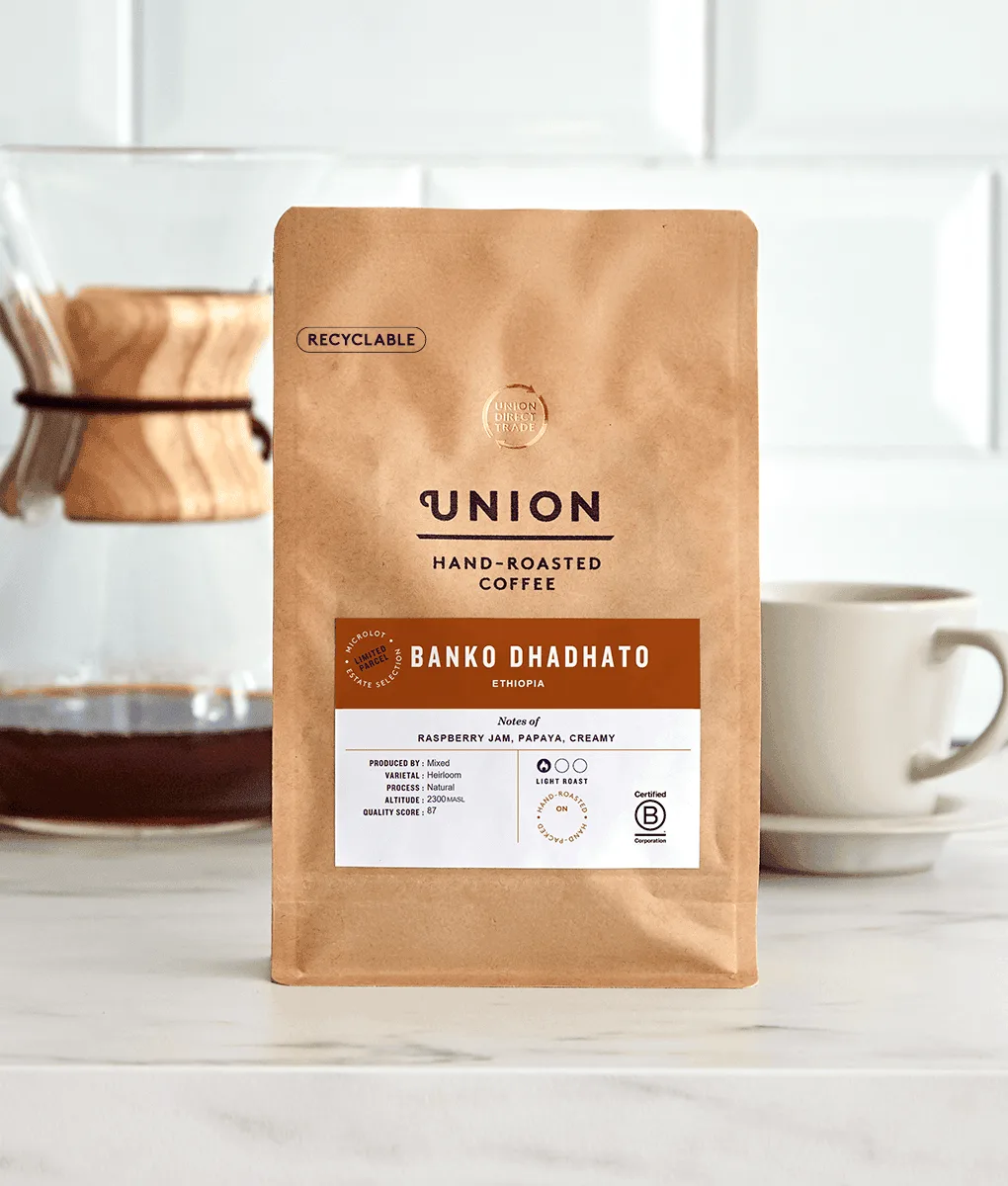
Banko Dhadhato, Ethiopia
- Acidity: Not sour or bitter, but a pleasant sharpness that adds brightness.
- Body: The mouthfeel—light, medium, or full.
- Finish: The lingering taste after you swallow.
- Aroma: The smell of the brewed coffee, which often hints at the flavor.
How to Taste Coffee Like a Pro: A Simple Cupping Guide
Coffee cupping is the professional method for evaluating coffee, but you can do it at home with just a few tools. Start by grinding fresh coffee—use a medium-coarse grind similar to sea salt. Pour hot water (about 200°F) over the grounds and let it steep for four minutes. Then, break the crust by stirring with a spoon and inhale the aroma deeply. This is where you first detect floral, fruity, or nutty notes.
After the crust is broken, skim off the foam and let the coffee cool slightly. Use a spoon to slurp the coffee loudly—this aerates it and spreads it across your palate. As you taste, note the acidity, body, and specific flavors. Write down what you perceive, even if it seems simple. Over time, your palate will become more sensitive. To practice, try our Verde Alto, Costa Rica, known for its balanced sweetness and bright citrus notes.
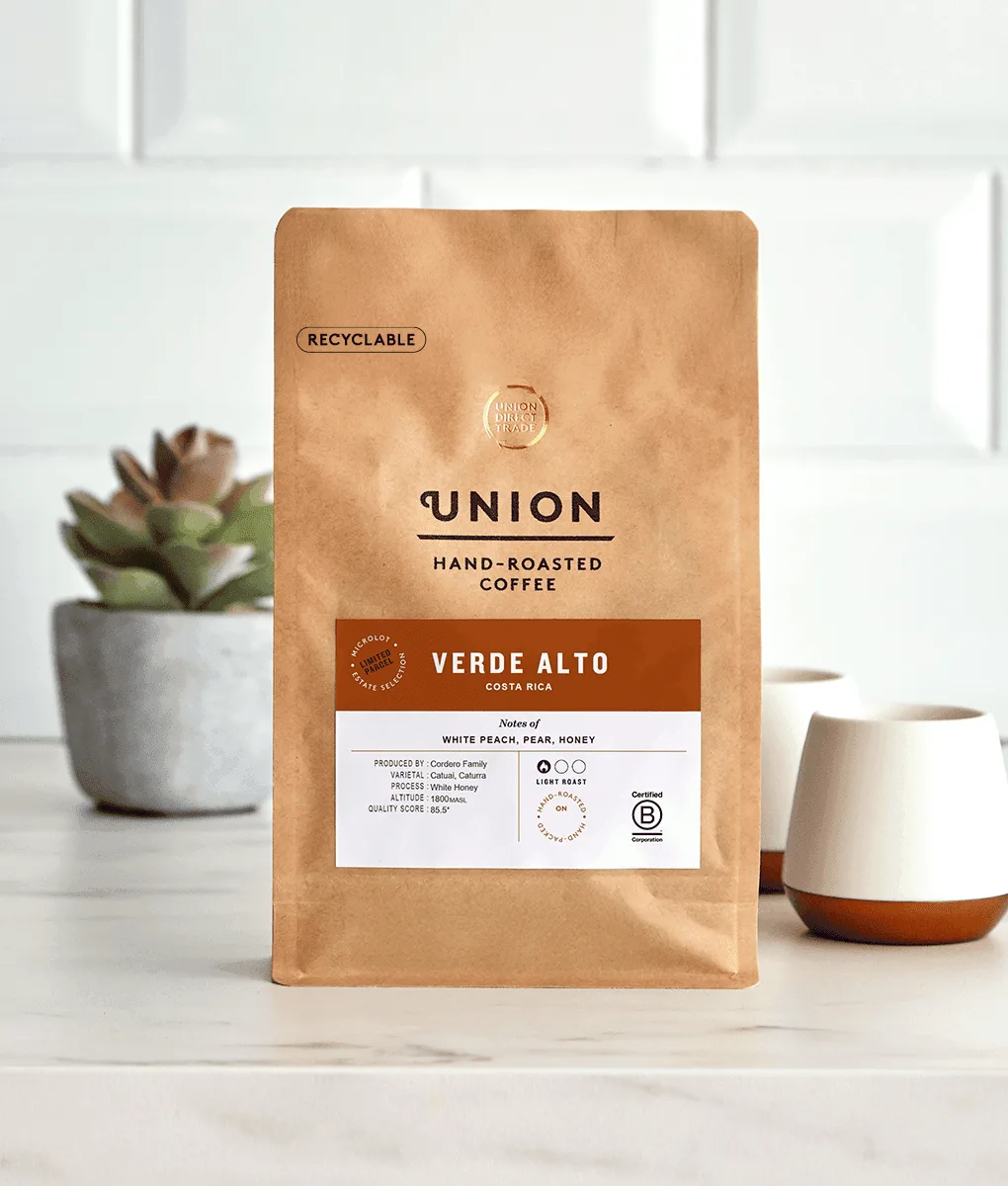
Verde Alto, Costa Rica
- Use a clean spoon and fresh, filtered water for best results.
- Slurp! It helps you taste more flavors by aerating the coffee.
- Compare two different coffees side by side to spot differences more easily.
Common Flavor Profiles in Single Origin Coffees
Single origin coffees come from one specific region or farm, and their flavors reflect that place. African coffees, like those from Ethiopia, often feature floral, fruity, and wine-like notes. Central American beans, such as those from Costa Rica, tend to be balanced with bright acidity and caramel sweetness. South American coffees, especially from Brazil, are known for chocolate, nut, and low-acid profiles.
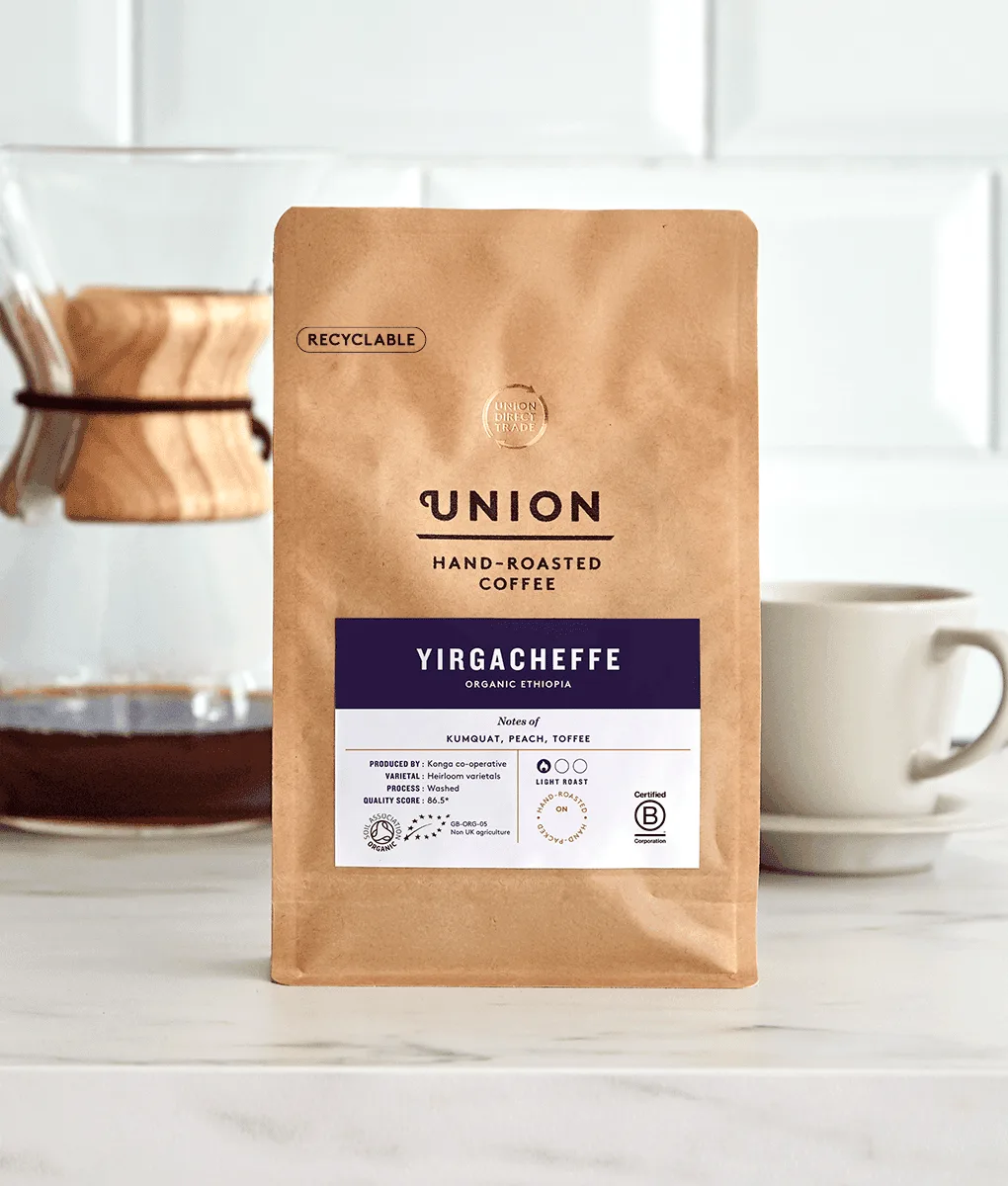
For example, our Yirgacheffe, Organic Ethiopia is a classic African coffee with delicate floral and citrus notes, while our Bobolink, Brazil offers a smooth, chocolatey body with hints of roasted nuts. Trying different origins is the best way to expand your flavor vocabulary and discover what you love. Each cup tells a story of its origin, and understanding those notes makes every sip more meaningful.
- Africa: floral, fruity, wine-like (e.g., Ethiopia, Kenya).
- Central America: balanced, bright, caramel (e.g., Costa Rica, Guatemala).
- South America: chocolate, nutty, low acid (e.g., Brazil, Colombia).
Tips for Developing Your Palate at Home
Improving your coffee tasting skills takes practice, but it's fun and rewarding. Start by tasting the same coffee brewed with different methods (e.g., pour-over vs. French press) to see how extraction affects flavor. Keep a tasting journal where you note the date, coffee name, brew method, and your impressions. Over time, you will notice patterns and become more confident in describing what you taste.
Another helpful exercise is to taste coffee alongside familiar foods. For instance, compare a coffee described as 'berry-like' with actual berries to see if you can match the note. You can also join a coffee subscription like our Discovery, Coffee Subscription to receive new single origins regularly and broaden your palate. The more you taste, the more nuanced your perception becomes.
- Taste the same coffee hot and as it cools—flavors change!
- Compare two different coffees side by side for a clearer contrast.
- Don't worry about getting it 'right'—your personal perception is valid.
Ready to explore the world of coffee tasting notes for yourself? Start with our carefully selected single origins and put your new vocabulary to the test. Whether you crave bright, fruity African beans or smooth, chocolatey South American roasts, we have something to delight your palate. Check out our Banko Dhadhato, Ethiopia for a vibrant, complex cup that will sharpen your tasting skills.