Have you ever dreamed of turning your passion for coffee into a thriving business? Starting a coffee roasting business is an exciting venture that combines craftsmanship, entrepreneurship, and a love for flavour. Whether you’re aiming to supply local cafes, launch your own brand, or simply sell to friends and family, the journey from green bean to roasted perfection is both rewarding and challenging.
In this beginner’s guide, we’ll walk you through the essential steps to launch your own coffee roasting business. From choosing the right equipment and sourcing quality green beans to developing your roast profile and building a customer base, you’ll gain practical insights to get started with confidence. Let’s brew up something special.
Why Start a Coffee Roasting Business?
The specialty coffee market continues to grow, with consumers increasingly seeking fresh, high-quality beans roasted with care. A small batch coffee roasting business allows you to control every aspect of the flavour, from sourcing to roasting to packaging. You can experiment with single origins, create unique blends, and build a loyal following among coffee enthusiasts who appreciate artisanal quality.
Moreover, starting small keeps overheads low and lets you test the market before scaling. Many successful roasters began with a single bag of green beans and a home roaster. With the right approach, you can turn a hobby into a profitable enterprise that brings joy to your community.
- Low startup costs compared to other food businesses
- High demand for fresh, locally roasted coffee
- Opportunity to build a personal brand and connect with customers
Essential Equipment for Small Batch Roasting
Your choice of roaster will define your business. For beginners, a small batch drum roaster or a fluid bed roaster is ideal. Look for models that roast 1–5 kg per batch, giving you room to experiment without wasting beans. You’ll also need a reliable grinder, a scale, and a thermometer to monitor roast curves accurately.
Beyond the roaster, invest in proper ventilation, cooling trays, and storage containers for green and roasted beans. A quality espresso machine like the Lelit Kate Espresso Machine can help you test your roasts and dial in flavours. Don’t forget to stock up on brewing essentials such as the Barista Coffee Bags for sampling and customer tastings.
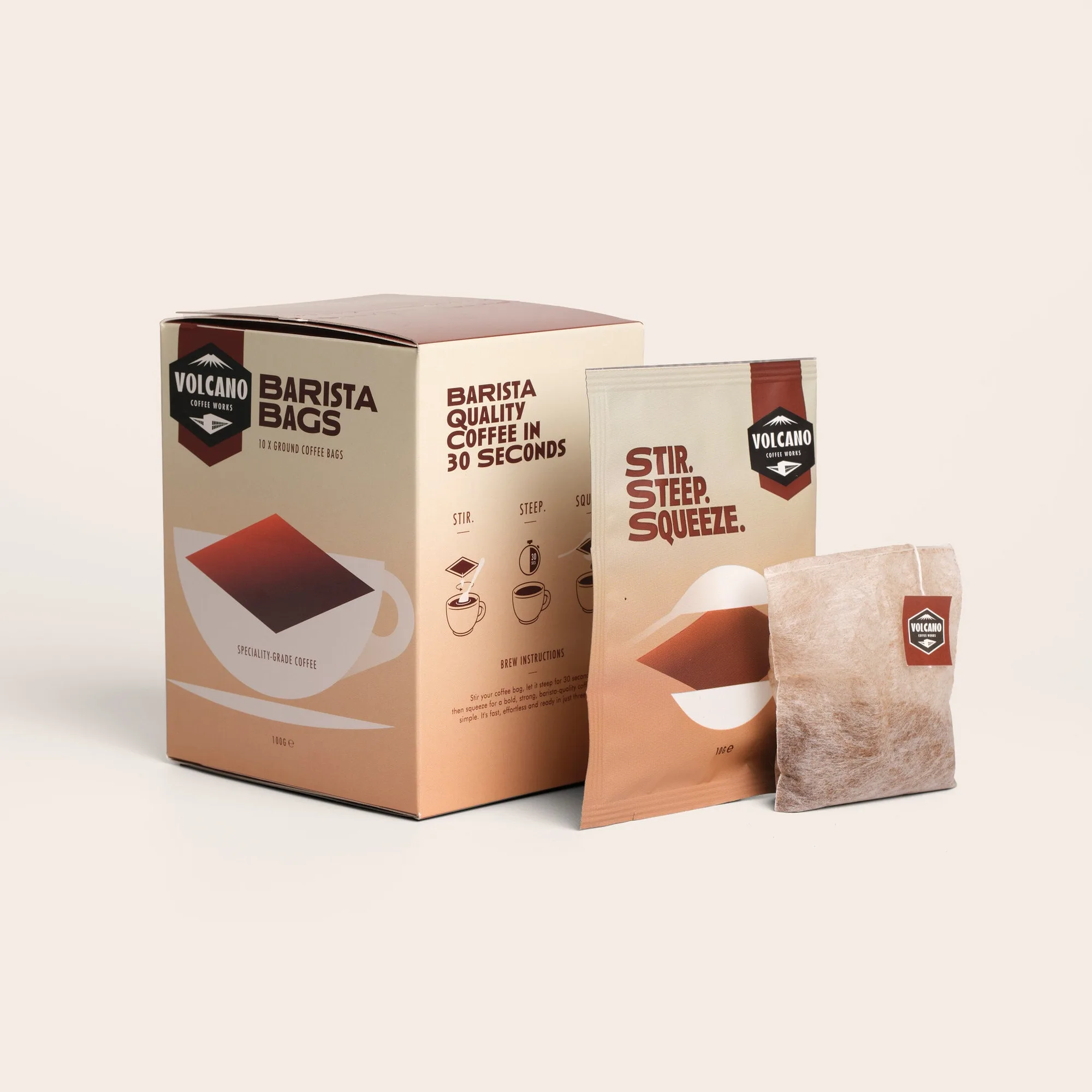
Barista Coffee Bags
- Start with a 1–5 kg batch roaster to minimize waste
- Use a coffee grinder with consistent particle size
- Always cup your roasts to refine your profile
Sourcing Green Coffee Beans
The foundation of any great coffee is the green bean. Build relationships with reputable importers who prioritize quality, sustainability, and traceability. Look for single origins from renowned regions like Ethiopia, Colombia, or Costa Rica. For example, the Hermosa - Costa Rica offers bright acidity and a clean finish that appeals to specialty drinkers.
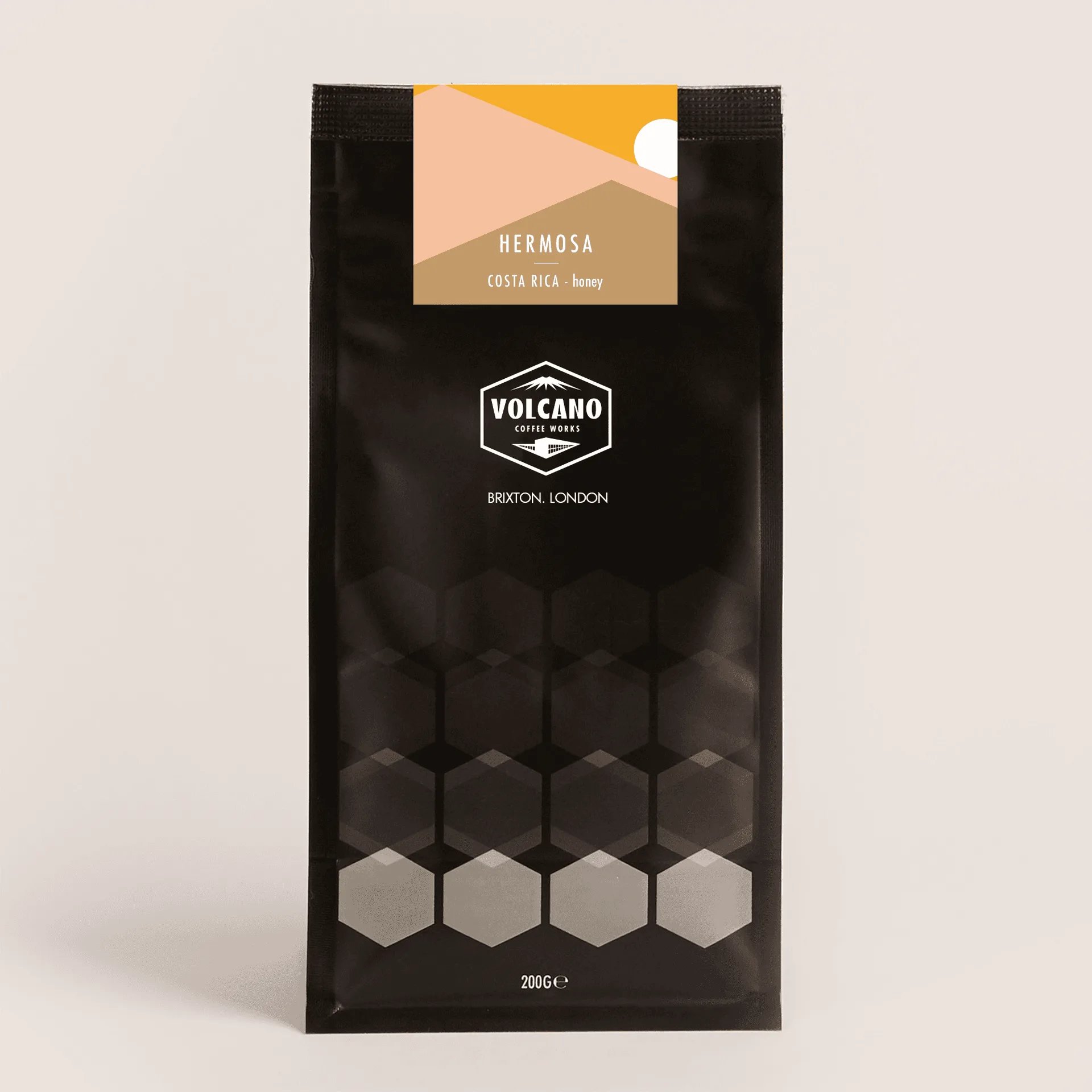
Hermosa - Costa Rica
When sourcing, consider the seasonality of crops and the availability of microlots. Many importers offer sample packs so you can evaluate different origins before committing. As you grow, you may want to develop a signature blend, such as a balanced espresso or a fruity filter roast. The Raspberry Ripple Coffee is a playful example of how flavour notes can differentiate your brand.
- Request samples before buying in bulk
- Check for fair trade or direct trade certifications
- Store green beans in a cool, dry place away from sunlight
Developing Your Roast Profile
Roasting is both science and art. Start by learning the basics of roast profiles—time, temperature, and airflow—and how they affect flavour. Light roasts preserve origin characteristics, while darker roasts develop deeper caramelization. Use a roasting log to track each batch and adjust variables systematically.
Practice cupping your roasts regularly to identify off flavours and refine your technique. Invite friends or local baristas for feedback. Once you’re confident, create a core lineup of 2–3 roasts, such as a daily drinker, a single origin, and a decaf option. The Fullsteam Espresso is a classic profile that works well for milk-based drinks and straight shots alike.
- Keep detailed notes on time, temperature, and airflow
- Roast small batches until you achieve consistency
- Use a moisture meter to track bean density and roast development
Branding and Packaging Your Coffee
Your brand is the story you tell. Choose a name, logo, and packaging that reflect your values and aesthetic. Resealable bags with one-way valves keep coffee fresh and allow customers to see the beans. Include roast date, origin, tasting notes, and brewing recommendations on the label.
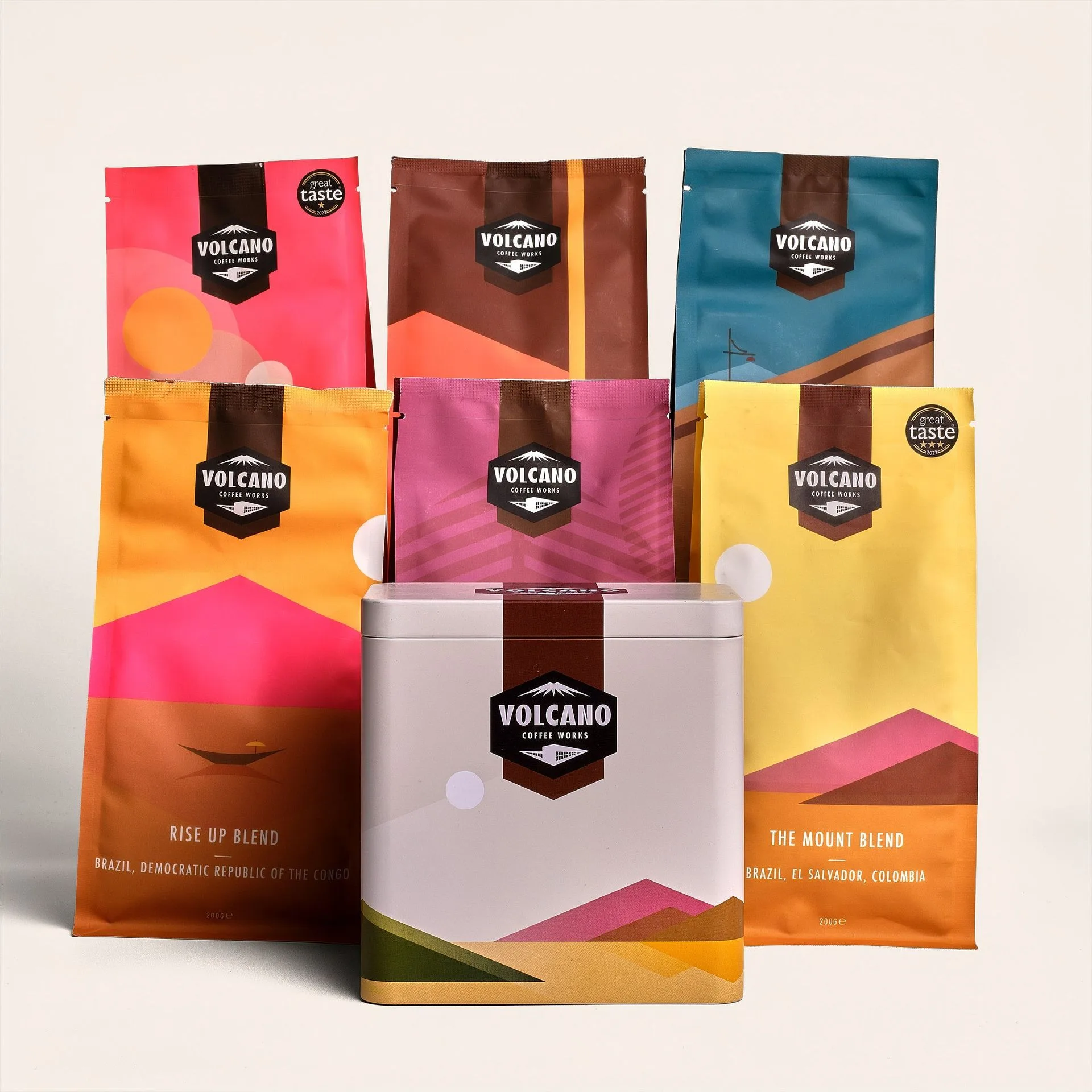
Consider offering a subscription model to generate recurring revenue. For example, a monthly delivery of freshly roasted beans can build customer loyalty. You might also create curated boxes like the Speciality Coffee Starter Box to introduce newcomers to your range. Invest in professional photography and a simple website to showcase your products.
- Use compostable or recyclable packaging to appeal to eco-conscious buyers
- Offer sample packs to encourage trial
- Leverage social media to share your roasting journey
Licensing, Regulations, and Food Safety
Before selling to the public, ensure you comply with local food business regulations. You may need a food handler’s permit, a business license, and approval from your local health department. Coffee roasting is generally considered low-risk, but you must still follow hygiene and labelling laws.
Check if your home kitchen is allowed for commercial roasting or if you need a separate facility. Many beginners start in a garage or rented commercial kitchen. Keep records of your bean sources and roast batches for traceability. Insurance is also wise to protect against liability.
- Research your local cottage food laws
- Register your business name and obtain an EIN
- Consider product liability insurance
Marketing and Selling Your Roasted Coffee
Start by selling to friends, family, and local coworkers. Attend farmers’ markets, pop-up events, and coffee festivals to reach new customers. Build an email list and offer discounts for first-time buyers. Collaborate with local cafes or offices to supply their break rooms—subscriptions like The Mount Blend Subscription are popular for workplace coffee programs.
Online sales are essential. Create a simple e-commerce site with clear product descriptions and brewing guides. Use SEO to attract organic traffic, and consider paid ads on social media. Encourage customer reviews and user-generated content to build trust. Word-of-mouth remains one of the most powerful tools in the coffee community.
- Offer free samples at local events
- Partner with complementary businesses (e.g., bakeries, bookstores)
- Share behind-the-scenes content on Instagram and TikTok
Starting a coffee roasting business is a journey of passion, patience, and precision. By focusing on quality sourcing, consistent roasting, and authentic branding, you can carve out a niche in the growing specialty coffee market. Ready to take the first step? Explore our range of green beans and equipment to begin your roasting adventure today.