Quick answer
Start your gilded playing cards collection by focusing on limited releases with small print runs, authenticating gilding quality, and choosing a theme or artist that resonates with you. Begin with one or two affordable gilded decks to learn the market before investing in rare editions.
Why gilded decks stand out in a collection
Gilded playing cards have metallic edges—usually gold, silver, or colored foil—applied to the card edges after cutting. This finish adds a premium feel and protects the edges from wear. For collectors, gilded decks often come in limited runs, making them more scarce than standard decks. The Lance Mountain Doughboy Limited Edition Gilded Playing Cards, for example, had only 50 of each color made, which is a typical scale for true limited gilded releases.
What to look for in a gilded deck
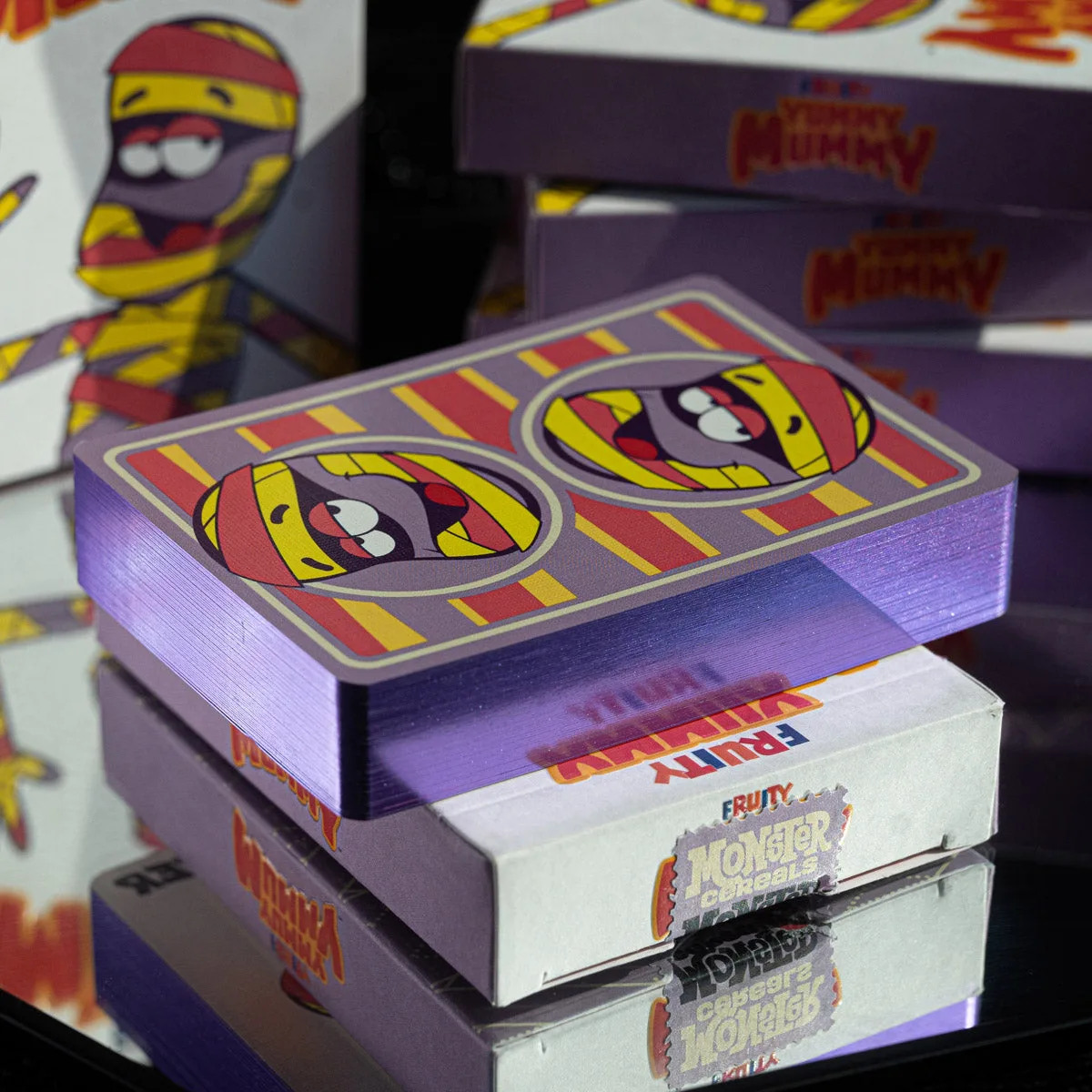
Not all gilded decks are equal. Look for consistent edge application without gaps or peeling. Check whether the gilding is part of a limited edition or a standard production run—limited runs hold value better. Also consider the tuck box quality, as gilded decks often come in embossed or foil-stamped boxes that protect the cards. The FULTON PRESENTS STEAMBOAT WILLIE PLAYING CARDS, while not gilded, show how foil and embossing on the tuck box can complement a collectible deck.
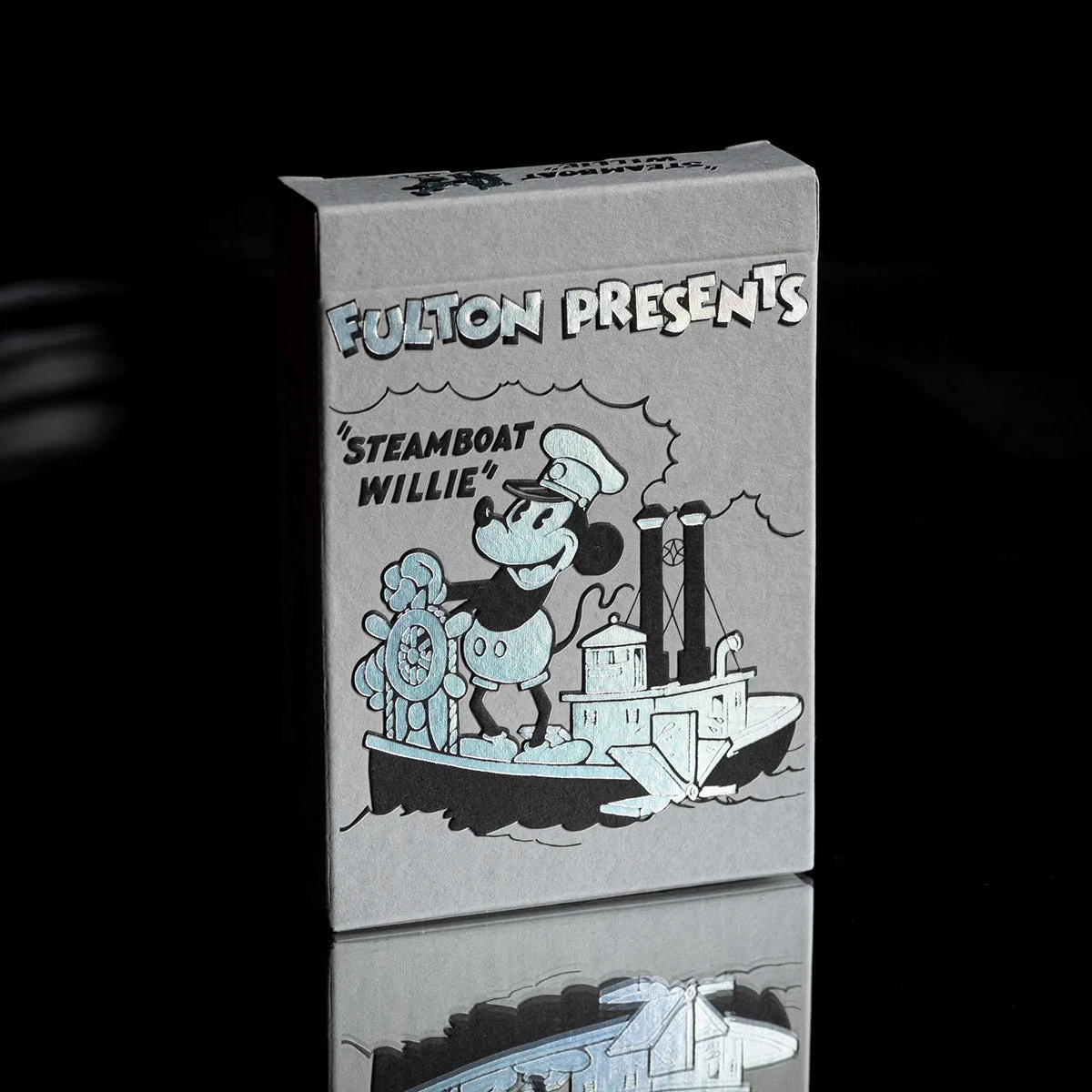
FULTON PRESENTS STEAMBOAT WILLIE PLAYING CARDS
Steps to start your gilded deck collection
- Set a focus theme or artist: Decide if you want to collect gilded decks from a specific artist (like Lance Mountain), a theme (like vintage cartoons), or a brand (like Fulton's). This keeps your collection cohesive and easier to manage. Checkpoint: A focused collection is easier to display and more satisfying than a random pile of decks.
- Learn to verify gilding quality: Examine product photos and descriptions for edge finish. Look for terms like 'holographic foil,' 'colored seal,' or 'limited edition' that indicate higher production care. Avoid decks where gilding is only mentioned in passing without details. Common mistake: Assuming all gilded decks are the same quality—check for consistent edge coverage and protective packaging.
- Start with one or two affordable gilded decks: Begin with a gilded deck that fits your budget, such as the Lance Mountain Doughboy Limited Edition Gilded Playing Cards at around $39. This lets you experience the quality and handling without a large upfront investment. Checkpoint: Once you've handled your first gilded deck, you'll better understand what you value in the next purchase.
- Track print runs and edition sizes: Note how many decks were produced. A run of 50 or 100 is rare; runs of 500 or more are still collectible but less scarce. Keep a simple spreadsheet or notes app with deck name, edition size, purchase date, and price. Common mistake: Overlooking edition size—rarity directly affects long-term collectibility and resale potential.
- Store gilded decks properly: Keep decks in a cool, dry place away from direct sunlight. Gilding can tarnish or fade if exposed to humidity or UV light. Use a deck stand or display case if you want to show them off, but keep one deck sealed for preservation. Checkpoint: Proper storage preserves both the gilding and the tuck box, which is often part of the deck's value.
Gilded decks to know
- LANCE MOUNTAIN DOUGHBOY LIMITED EDITION GILDED PLAYING CARDS: Only 50 of each color were made. These come with a colored seal and are limited collectors editions curated by Lance. Diamond Blue Prism comes with a silver seal to denote its diamond like sheen in blue tones. Extremely low print runs like this make a deck highly collectible. The colored seal and silver seal also add authentication and visual uniqueness, which matters if you plan to resell or trade later.