Quick answer
You can sterilize breast pump parts without a microwave by boiling them for 5–10 minutes or by soaking them in a cold-water sterilizing solution. Always wash parts thoroughly with warm soapy water first, then choose the method that fits your kitchen and schedule. Boiling is fast and uses no chemicals; cold-water soaking is gentle on parts and works well when you need to sterilize several loads at once.
Prep your pump parts for sterilization
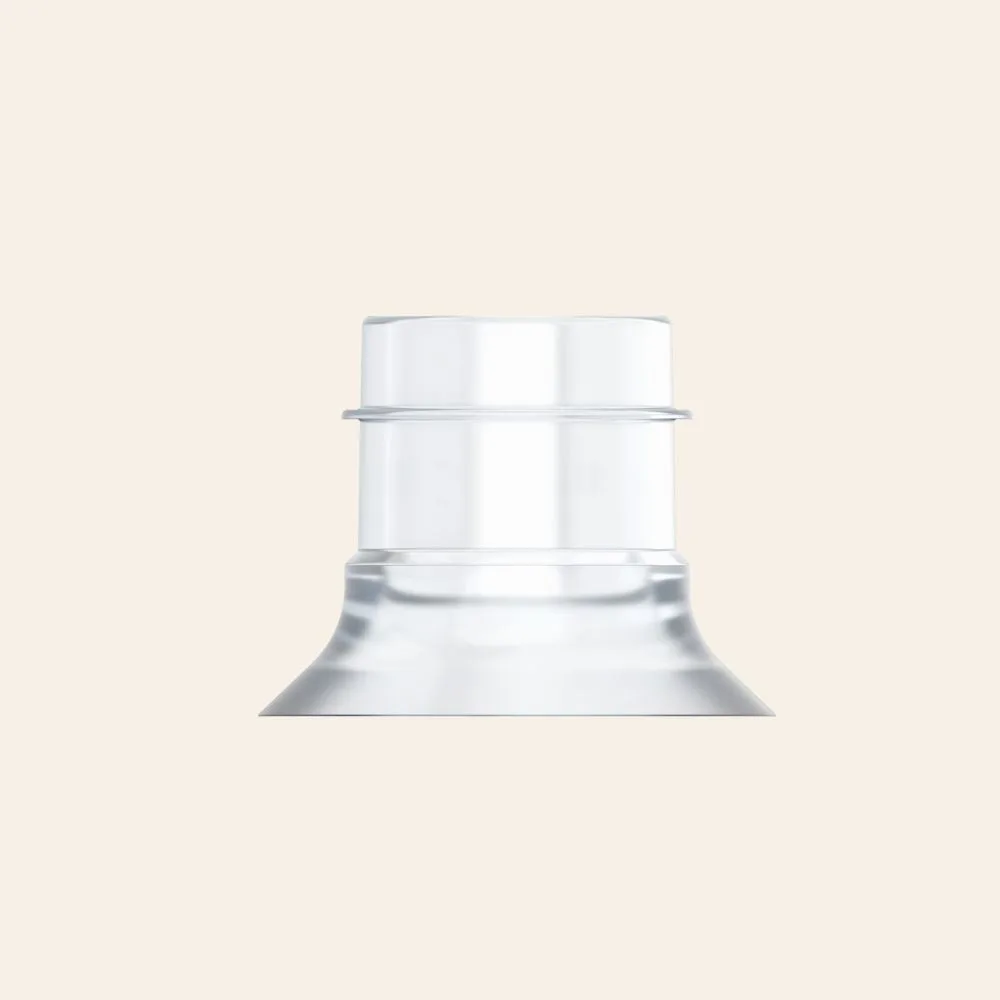
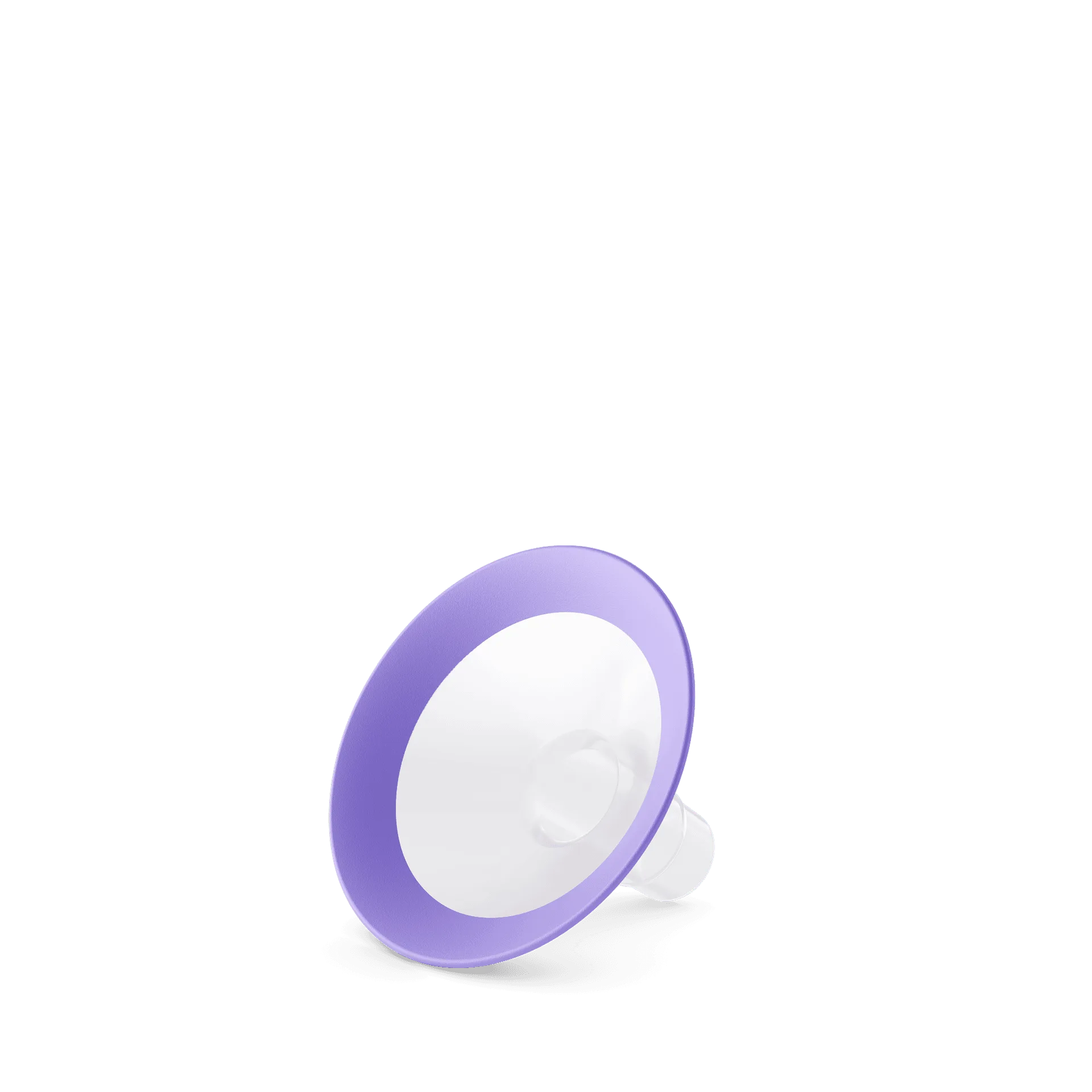
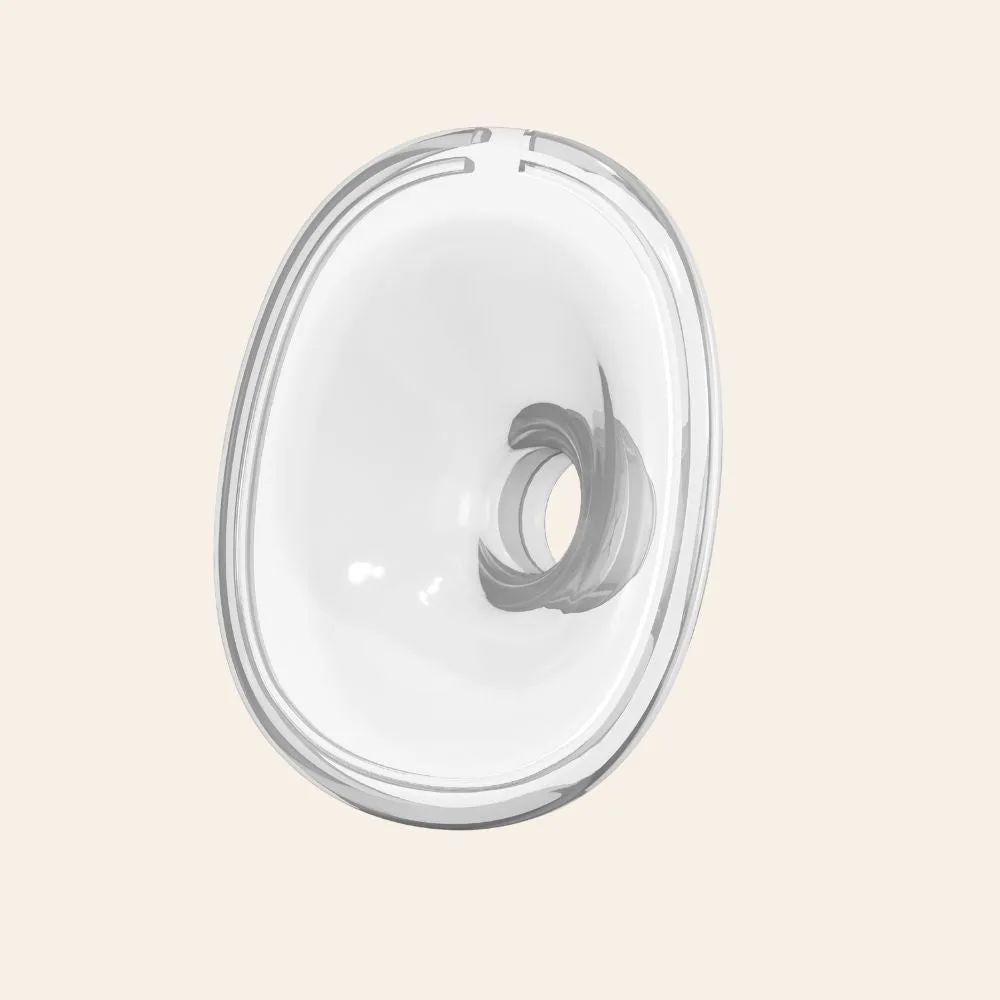
Before you sterilize, take the pump apart completely. Separate valves, membranes, diaphragms, breast shields, and bottles. Wash each piece in warm water with a mild dish soap, using a bottle brush to reach inside corners and ridges. Rinse well under running water to remove all soap residue. If you use a DiscreetDuo Wearable Pump, remove the diaphragm before washing and sterilizing; this small part can trap milk if left assembled. Set parts on a clean towel or drying rack while you prepare your sterilization method.
- Check manufacturer instructions for any part that should not be boiled, such as certain tubing or electrical components.
- Keep a dedicated basin or pot for pump parts only; do not use it for food.
- Wash your hands before handling clean parts.
Method 1: Boiling pump parts
Boiling is a straightforward way to sterilize breast pump parts without a microwave. Fill a clean pot with enough water to fully cover all parts. Bring the water to a rolling boil, then carefully add the disassembled parts. Boil for 5 to 10 minutes. Use clean tongs to remove parts, and place them on a clean towel or drying rack to air-dry. Avoid touching the parts with your hands until they are dry. Boiling is effective but can wear down soft parts over time, so inspect valves and membranes for tears after each boil.
- Do not let parts touch the bottom of the pot, where they can melt or scorch.
- If you have hard water, mineral deposits may build up on parts; descale your pot regularly.
- Boiling does not replace washing; always wash first.
Method 2: Cold water sterilizing
Cold water sterilizing uses a chemical solution, such as a sterilizing tablet or liquid, dissolved in cold water. Follow the product instructions for the correct dilution and soak time, which is often around 15 minutes. Submerge clean pump parts completely and make sure no air bubbles are trapped. After soaking, remove parts with clean tongs or washed hands, shake off excess solution, and use immediately or place on a clean surface. Cold water sterilizing is gentle on parts and works well for pump accessories that might degrade with repeated boiling. Always prepare a fresh solution according to the manufacturer’s directions and do not reuse it beyond the recommended time.
- Never mix different sterilizing products; use only one at a time.
- Keep the container covered and out of reach of children.
- If you notice a film or residue, rinse parts with cooled boiled water before use.
Steam bag alternative and when to replace parts
If you prefer a steam bag alternative but do not have a microwave, you can use a stovetop steamer or a dedicated electric steam sterilizer. These devices use steam to sanitize parts without a microwave. However, not all pump parts are steam-safe; check your pump manual. Over time, parts like valves, membranes, and diaphragms wear out. Replace them when they become cloudy, torn, or lose suction. For example, the DiscreetDuo Wearable Pump diaphragm is a single-count replacement part that helps maintain pump suction and performance. Keeping spare parts on hand means you can sterilize without interruption.
- Steam bags are typically single-use; do not reuse them.
- Inspect all parts after each sterilization and replace any that show signs of wear.
- Store clean, dry parts in a covered container to keep them sterile.
Step-by-step: sterilizing without a microwave
- Disassemble and wash: Take apart all pump parts, including valves, membranes, and diaphragms. Wash in warm soapy water with a bottle brush, then rinse thoroughly. Common mistake: skipping the wash step. Sterilizing does not remove milk residue.
- Choose your method: Decide between boiling and cold-water sterilizing based on part materials and your schedule. Boiling is quick and chemical-free; cold-water soaking is gentle and can handle multiple loads. Check your pump manual for parts that cannot be boiled or soaked.
- Boil or soak: For boiling: cover parts with water, boil 5–10 minutes, then remove with tongs. For cold-water sterilizing: submerge parts in correctly diluted solution for the recommended time, usually about 15 minutes. Do not let parts touch the pot bottom when boiling; use a timer to avoid over-boiling.
- Air-dry and store: Place sterilized parts on a clean towel or drying rack to air-dry completely. Store in a clean, covered container until next use. Avoid drying with a cloth towel, which can transfer germs.
- Inspect and replace: After each sterilization, check parts for wear, tears, or cloudiness. Replace worn parts like diaphragms and valves to maintain pump performance. Keep spare parts on hand so you are never caught without a clean, working pump.
Products that support pump part hygiene
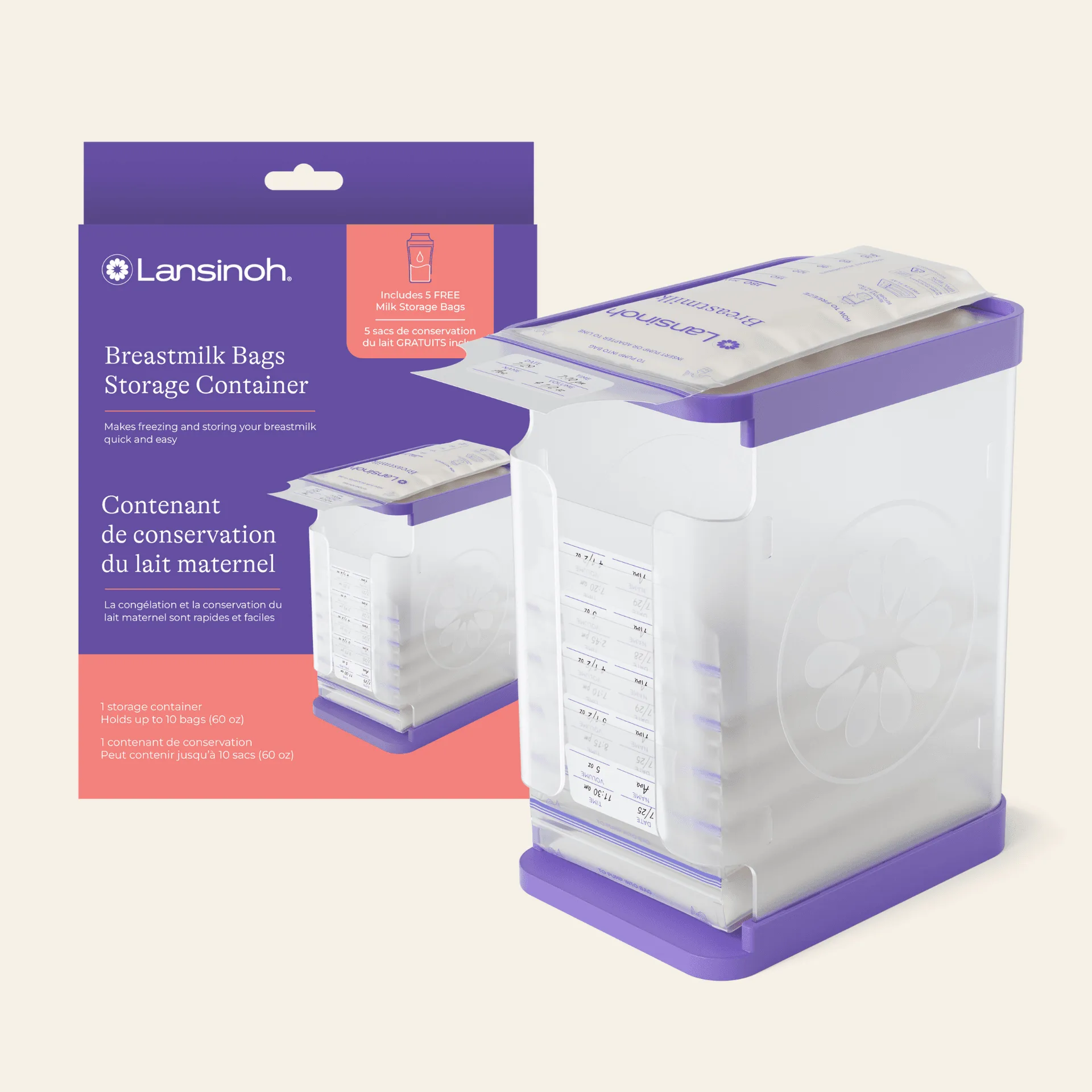
- Breastmilk Bags Storage Container: Breastmilk Bags Storage Container features a first-in, first-out design and a quick-freeze tray that helps milk storage bags freeze faster and flatter. Keeps your stored milk organized and makes it easier to rotate bags, so you can focus on cleaning and sterilizing pump parts without worrying about milk storage.
- Breastmilk Storage Bags 6oz (50ct) with 2 Pump Adapters: Breastmilk Storage Bags 6oz (50ct) with 2 Pump Adapters includes 50 bags and 2 pump adapters for direct pumping into the bag. Pumping directly into bags reduces the number of bottles and pump parts you need to wash and sterilize, simplifying your routine.
- DiscreetDuo Wearable Pump - Diaphragm (1 count only): DiscreetDuo Wearable Pump - Diaphragm (1 count only) is a genuine replacement diaphragm designed for hygiene and consistent performance. A clean, intact diaphragm helps maintain pump suction; replacing it when worn ensures your pump works efficiently between sterilizations.