Quick answer
Most slipping straps are caused by webbing that is too smooth for the buckle, a loose load, or a strap that was never threaded through the keeper loop. Re-thread the strap, tighten the load first, and use the adjustment points in order. If the webbing still slides through a clean, correctly threaded buckle, the hardware or strap material is mismatched and no amount of tightening will fix it.
Check the buckle and webbing first
Hold the strap between your thumb and forefinger and pull it through the buckle. If it moves with almost no resistance, the webbing is too slick or the buckle is worn. A properly matched buckle grips the webbing and requires a deliberate lift or angle to release. If your pack uses a simple slide buckle, the webbing should have a slightly textured or coated surface that creates friction. Smooth nylon webbing on a polished metal or hard plastic buckle will creep downward as you walk.
- Inspect the buckle for cracks, missing teeth, or a bent frame.
- Compare the webbing width to the buckle slot; a loose fit reduces grip.
- Look for a keeper loop or elastic band that should hold the excess strap flat.
Load the pack before you adjust the straps
A top-heavy or shifting load pulls the shoulder straps forward and down, which feels like the straps are slipping even when the buckles are tight. Pack heavier items closest to your back and centered between your shoulder blades. Use compression straps to reduce movement inside the main compartment. Once the load is stable, loosen the shoulder straps, tighten the hip belt or sternum strap if present, then re-tighten the shoulder straps. This sequence keeps the pack close to your body and reduces downward pull.
Use the adjustment points in the right order
Start with the hip belt or waist strap if your pack has one. Tighten it until it sits on your hip bones, not your waist. Next, tighten the shoulder straps until they curve over your shoulders without digging in. Finally, adjust the sternum strap across your chest to a comfortable height, usually two to three fingers below your collarbone. If you tighten the shoulder straps before the hip belt, the pack will sit too low and the straps will slide. Re-check the order every time you put the pack on.
When to stop adjusting and change your setup
If the webbing still slides after you have re-threaded it, tightened the load, and adjusted in the correct order, the problem is likely the hardware or strap material. Replacing a buckle is possible on some packs, but if the webbing itself is too smooth or worn shiny, the fix is a different pack. Also stop adjusting if the strap causes numbness, tingling, or red marks on your shoulders. That is a fit problem, not a slipping problem, and a different size or strap design is the better answer.
Slipping strap diagnosis
- Symptom: strap loosens gradually as you walk: The webbing slides through the buckle under load, often because the webbing is smooth or the buckle is worn. Re-thread the strap and test the buckle grip. If it still slides, the hardware is the limit.
- Symptom: strap digs in or slips off the shoulder: The pack is sitting too low or the load is shifting, so the shoulder straps are carrying weight they were not designed to hold. Tighten the hip belt first, then the shoulder straps, then the sternum strap.
- Symptom: one strap slips but the other stays put: The slipping strap may be threaded incorrectly, twisted, or missing its keeper loop. Compare both sides. If the threading matches and it still slips, that buckle or strap section needs repair or replacement.
- Stop point: numbness, tingling, or red marks: These are fit warnings, not slipping warnings. Continuing to tighten will not solve them. Choose a different pack size or strap design instead of adjusting further.
Packs with strap systems built for a stable carry
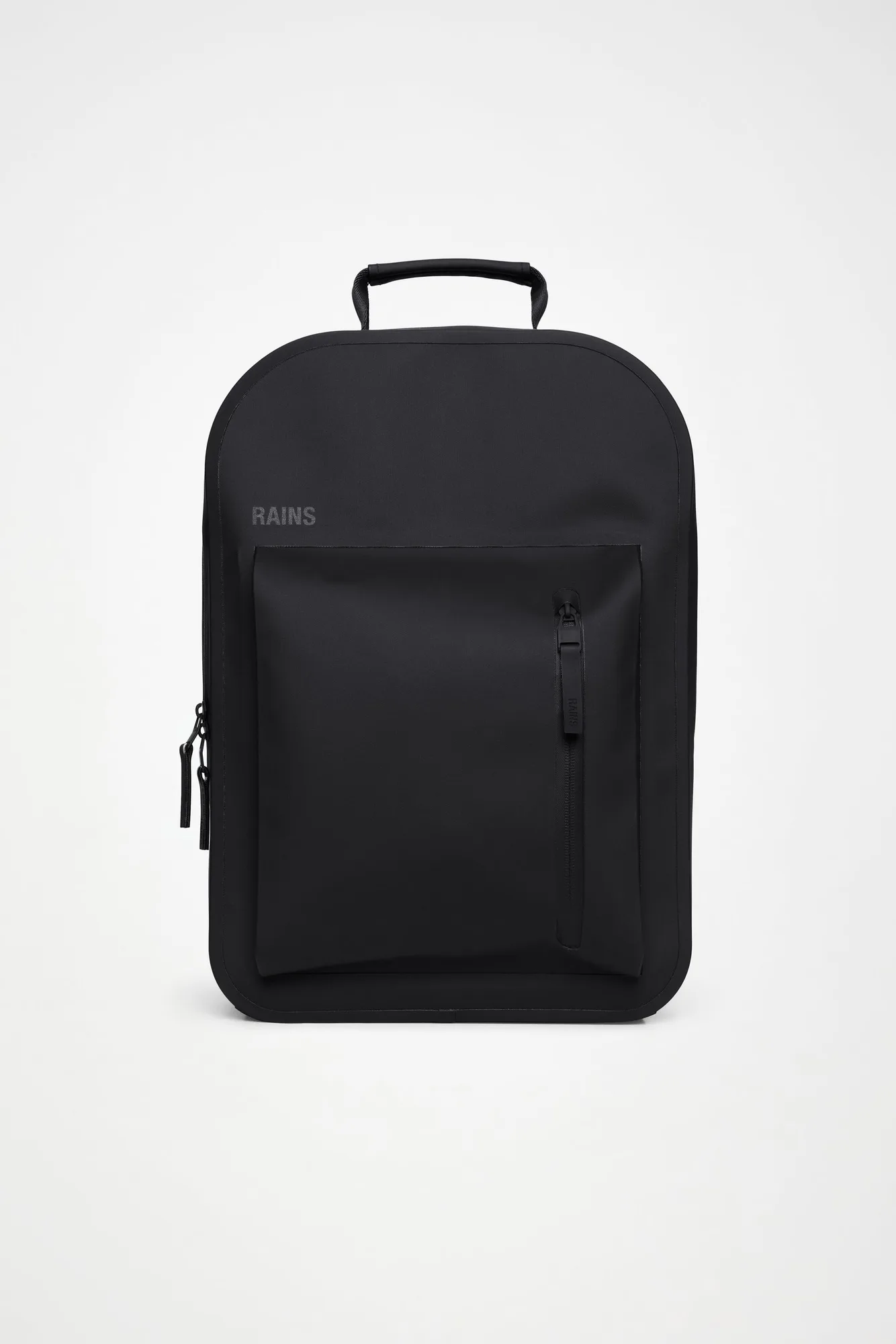
- Deepwater Day Backpack: Fully welded construction in durable, scratch-resistant TPU-coated fabric with a roomy internal compartment, front pocket, and streamlined exterior. A welded, streamlined body reduces external snag points and keeps the load closer to your back, which limits the shifting that makes shoulder straps creep.
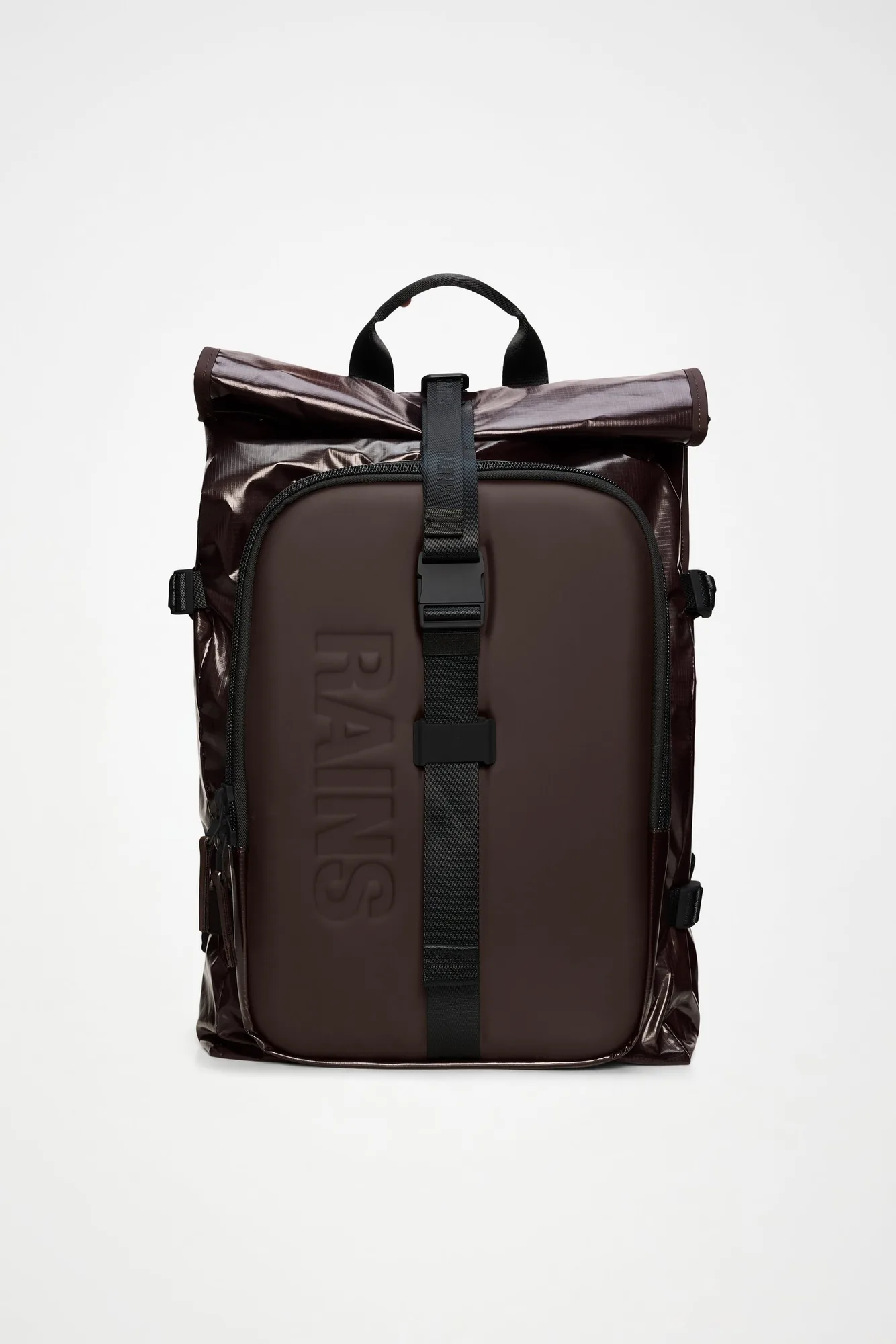
- Sibu Shield Backpack: Cut from lightweight ripstop with a waterproof TPU coating, a molded front pocket with plush lining, and a rolltop main compartment. The rolltop closure lets you compress the load as it shrinks during the day, so the pack stays tight and the shoulder straps keep their tension.
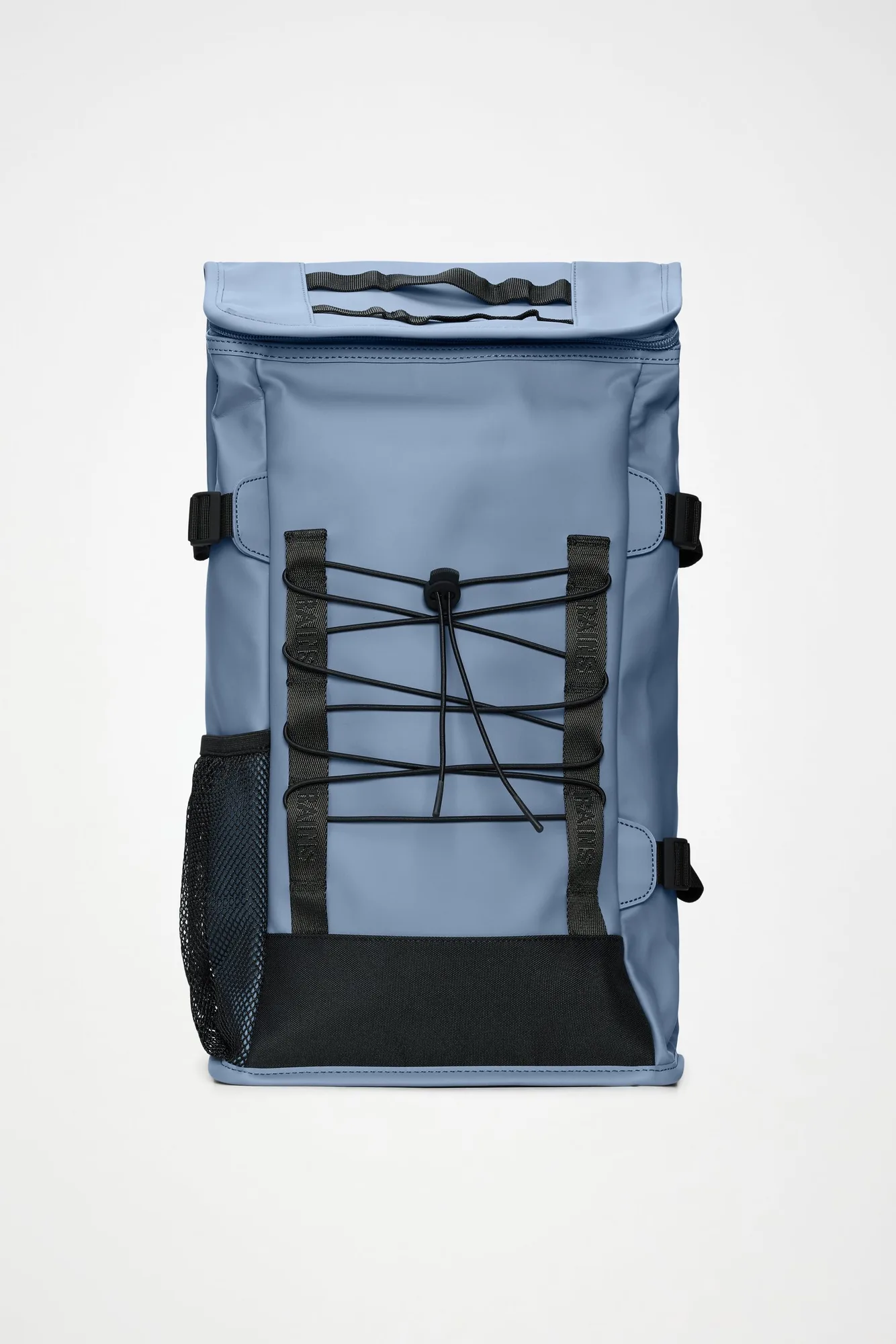
- Trail Mountaineer Bag: Waterproof bag with a squared silhouette, a spacious main compartment, a zip pocket at the top flap, a mesh water bottle pocket at the side, and bungee cords for external storage. External bungee cords let you secure a jacket-male-05a2e3cd05f2c3d9dca274e5-781567">jacket or bottle without overstuffing the main compartment, which helps prevent the load from shifting and pulling the straps loose.