Quick answer
Stop chocolate-dipped fruit from sticking by cooling pieces fully on parchment with space between them, then storing them in a single layer in a cool, dry place. If you must stack, separate each piece with parchment or wax paper. For longer storage, refrigerate in an airtight container only after the chocolate has set completely, and bring to room temperature before serving.
Why chocolate-dipped fruit sticks together
Chocolate-dipped fruit clumps for three main reasons: the coating was not tempered, pieces were packed before the chocolate fully set, or storage conditions let the chocolate soften and re-stick. Tempering gives chocolate a stable crystalline structure that stays dry and glossy at room temperature. Untempered chocolate may remain slightly tacky, especially in warm or humid conditions. Fruit with high moisture content, like fresh strawberries, can also release moisture that softens the coating from the inside. Dried fruit is less problematic because it contains less water, but its sticky surface can still cause pieces to cling if they touch before the chocolate hardens.
Choose the right fruit and chocolate for easy separation
Dried fruit is the easiest choice for make-ahead treats because it has less surface moisture than fresh fruit. If you use fresh fruit, dry it thoroughly with paper towels and consider dipping it in a thin layer of chocolate to seal it. For the coating, couverture or chocolate that you temper yourself will set firmer and shinier than chocolate chips or candy melts, which can stay soft. If you are short on time, a quick temper in the microwave works: melt two-thirds of the chocolate, then stir in the remaining third until smooth. This gives you a coating that snaps cleanly and resists sticking.
How to store chocolate-dipped fruit without clumping
Once your chocolate-dipped fruit is fully set, store it in a single layer in an airtight container. If you need to stack, place a sheet of parchment or wax paper between each layer. Keep the container in a cool, dry place away from direct sunlight and heat sources. The ideal temperature is around 65–68°F (18–20°C) with low humidity. Avoid the refrigerator for short-term storage, as condensation can form on the chocolate when you take it out, making it sticky. For longer storage or in warm climates, refrigeration is acceptable, but wrap the container well and let the fruit come to room temperature before opening to prevent condensation.
How to separate pieces that are already stuck
If your chocolate-dipped fruit has already clumped, don't pull them apart forcefully, which can crack the coating. Instead, chill the container in the refrigerator for 10–15 minutes to harden the chocolate, then gently twist each piece apart. If they still resist, use a thin knife to pry them apart. Any small cracks can be touched up by dipping the damaged area in a little melted chocolate and letting it set. To prevent this next time, make sure pieces are completely set and spaced apart before storing.
7 steps to keep chocolate-dipped fruit from sticking
- Temper your chocolate: Melt and temper chocolate to about 88–90°F (31–32°C) for dark chocolate or 86–88°F (30–31°C) for milk chocolate. Use a thermometer and stir constantly. If you skip tempering, the chocolate may stay soft and sticky even after cooling. Checkpoint: The chocolate should look glossy and feel dry to the touch when set.
- Dry the fruit thoroughly: Pat fresh fruit completely dry with paper towels. For dried fruit, ensure it is not sticky by lightly dusting with cocoa powder if needed. Moisture is the enemy of a firm chocolate shell. Mistake to avoid: Dipping wet fruit, which causes the chocolate to seize or stay tacky.
- Dip and let excess drip off: Dip each piece and allow the excess chocolate to drip back into the bowl. Too much chocolate creates a thick pool at the base that can glue pieces together. Aim for a thin, even coat rather than a heavy one.
- Place on parchment with space: Set each dipped piece on a parchment-lined tray, leaving at least 1 inch between pieces. Do not crowd the tray. If you run out of space, use a second tray. Checkpoint: Pieces should not touch while setting.
- Cool completely at room temperature: Let the chocolate set at room temperature (65–68°F) until firm, about 1–2 hours. Avoid refrigerating to speed this up, as sudden temperature changes can cause condensation and stickiness. The chocolate is ready when it releases cleanly from the parchment.
- Store in a single layer or with parchment between layers: Transfer set pieces to an airtight container. If stacking, place a sheet of parchment or wax paper between each layer. Keep in a cool, dry place. For long-term storage, refrigerate only if necessary and bring to room temperature before serving.
- Separate stuck pieces gently: If pieces stick, chill for 10–15 minutes, then twist apart gently. Use a thin knife if needed. Touch up cracks with a dab of melted chocolate. Prevention is easier: always ensure full set and proper spacing before storage.
Products that resist sticking
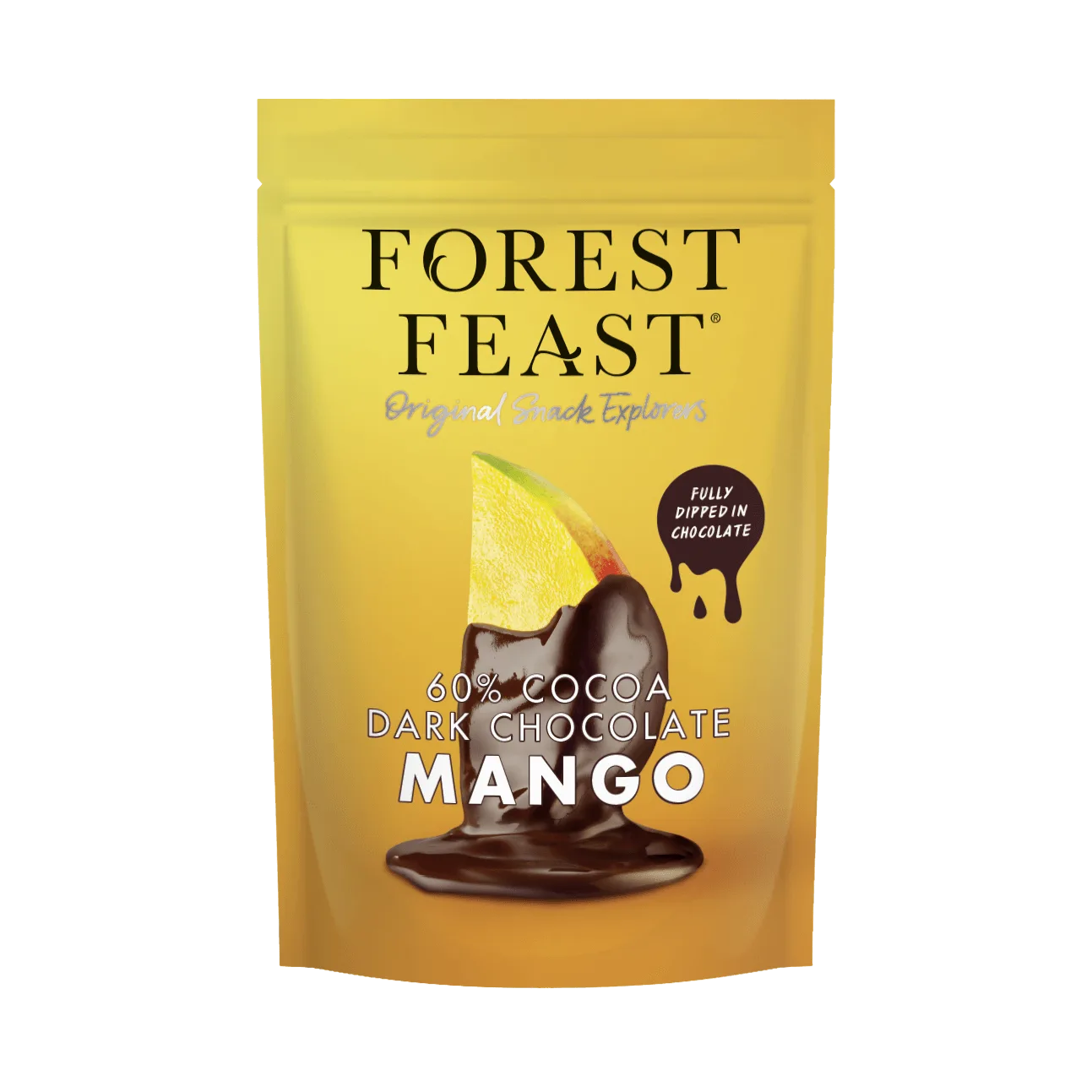
- 60% Cocoa Dark Chocolate Mango: 60% cocoa dark chocolate enrobes sustainably sourced dried mango from the warm tropics. Dried mango has less surface moisture than fresh fruit, so the chocolate sets firmly and pieces are less likely to stick together during storage.
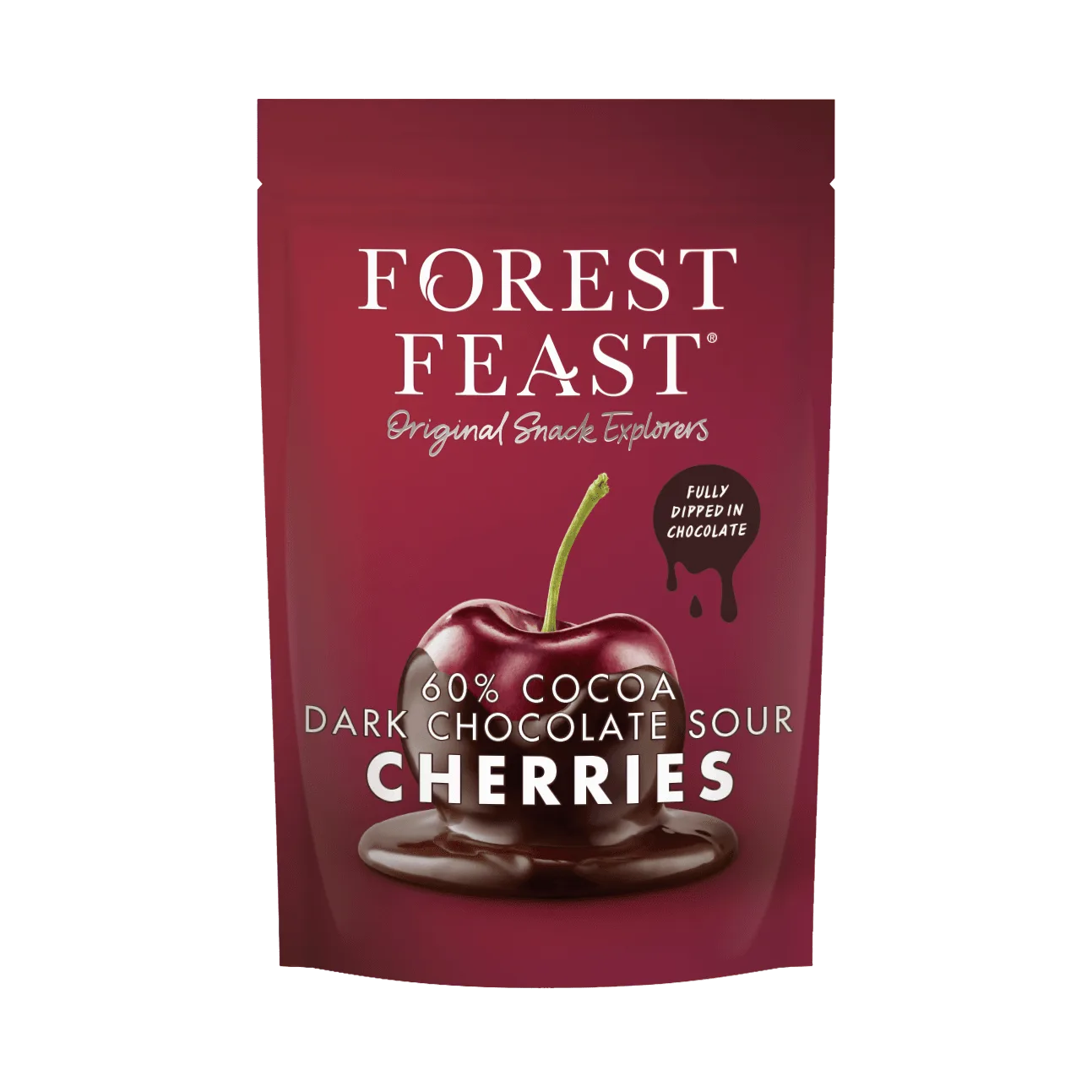
- Dark Chocolate Sour Cherries: Sour cherries are fully immersed in 60% cocoa dark chocolate for a sweet-tart contrast. The dried cherries release minimal moisture, helping the chocolate coating stay dry and separate easily.
- Peanut Butter & Milk Chocolate Dates: North African Deglet Nour dates are filled with creamy peanut butter and double-dipped in Belgian milk chocolate. The double chocolate layer creates a thicker shell that protects the chewy date and reduces sticking when stored properly.