Quick answer
Chocolate-dipped fruit sticks together when the chocolate softens, when pieces rest against each other under pressure, or when trapped moisture makes the surface tacky. Store it cool, dry, and separated: one layer, parchment between pieces, and a temperature that stays steady rather than dipping in and out of the fridge.
Why the coating turns tacky in the first place
Chocolate holds its snap only while it stays below the point where its cocoa butter softens. Every time the storage spot warms up, the surface relaxes and takes the shape of whatever it touches. Cool it again and that contact point has effectively been glued. This is why a box that was fine on day one can be a single fused slab by day five.
Moisture works differently but looks similar. Fruit carries its own water, and if that water reaches the chocolate surface it turns the coating dull and slightly sticky. Pieces pressed together then bond at those damp spots. The fix is not colder storage; it is drier, more stable storage with less contact between pieces.
Set up a storage spot that does not swing
Pick the coolest cupboard in the kitchen, away from the oven, kettle, radiator, and any window that catches afternoon sun. A steady 15 to 18°C (roughly 60 to 65°F) is the useful range for most chocolate-dipped fruit. If your only cool option is the fridge, use it deliberately rather than as a default, because the door opening and closing creates the temperature swings that cause sticking.
Keep the container sealed once the chocolate is fully set. An airtight tin or a sturdy box with a tight lid keeps out humid air, which is the main cause of a tacky surface in damp weather. Add a sheet of parchment or baking paper between layers, not cling film, which can cling to the chocolate and pull the coating away when you unwrap it.
Corrective action when pieces have already fused
Do not prise them apart cold. Let the container sit at room temperature for ten to fifteen minutes so the chocolate relaxes slightly, then lift pieces with a small offset spatula or a butter knife, working from the edge inward. If a piece still resists, slide the blade underneath rather than pulling upward, which is what tears the coating.
Once separated, move the pieces to a single layer on fresh parchment and return them to the cool spot. Any pieces that have gone soft or bloomed, with a pale, streaky surface, are still perfectly good to eat; the texture is just less crisp. Eat those first rather than trying to restore the finish.
Match the storage method to the fruit
Soft, syrupy centres behave differently from dense dried fruit. Dates and syrup-soaked ginger hold moisture and stay pliable, so they press into each other more readily under their own weight. That makes single-layer storage and parchment dividers more important for these than for a firm, dry piece of fruit.
If you are storing more than one kind together, keep the firm pieces on the bottom and the softer, heavier ones on top, or simply use separate containers. Mixing types also means mixing aromas, and a strongly spiced piece can scent a milder one over a few days.
When to stop storing and just eat it
If the chocolate has fully melted and re-set into a solid block, or if the fruit itself has started to weep, further storage will not bring the coating back. Chocolate-dipped fruit is at its best within the first week or two, and quality declines from there. Treat a fused, sweaty box as a sign to eat the contents soon rather than a problem to solve.
For long keeping, buy in quantities you will finish, or portion into smaller boxes so you only open one at a time. Every opening exposes the whole batch to room air, and repeated exposure is what undoes careful storage.
Diagnose your sticky box
- Symptom: pieces lift as one block: The chocolate softened, pieces touched under weight, and the coating re-set around the contact points. Warm the box briefly at room temperature, separate with a flat blade, and switch to a single layer with parchment.
- Symptom: surface looks dull and feels tacky: Moisture reached the chocolate, either from the fruit itself or from humid air in a loosely closed container. Move to an airtight container in a dry, cool cupboard and stop opening it daily.
- Symptom: pale streaks or a soft, grainy surface: This is bloom from temperature swings, not spoilage. The flavour is fine; the finish is not. Eat these first. Do not try to re-temper or re-dip at home.
- Stop point: melted, weeping, or fused solid: Once the coating has fully collapsed or the fruit is releasing liquid, storage has failed and the texture cannot be recovered. Discard any piece that smells off; eat the rest soon and buy smaller quantities next time.
How our dipped fruit behaves in storage
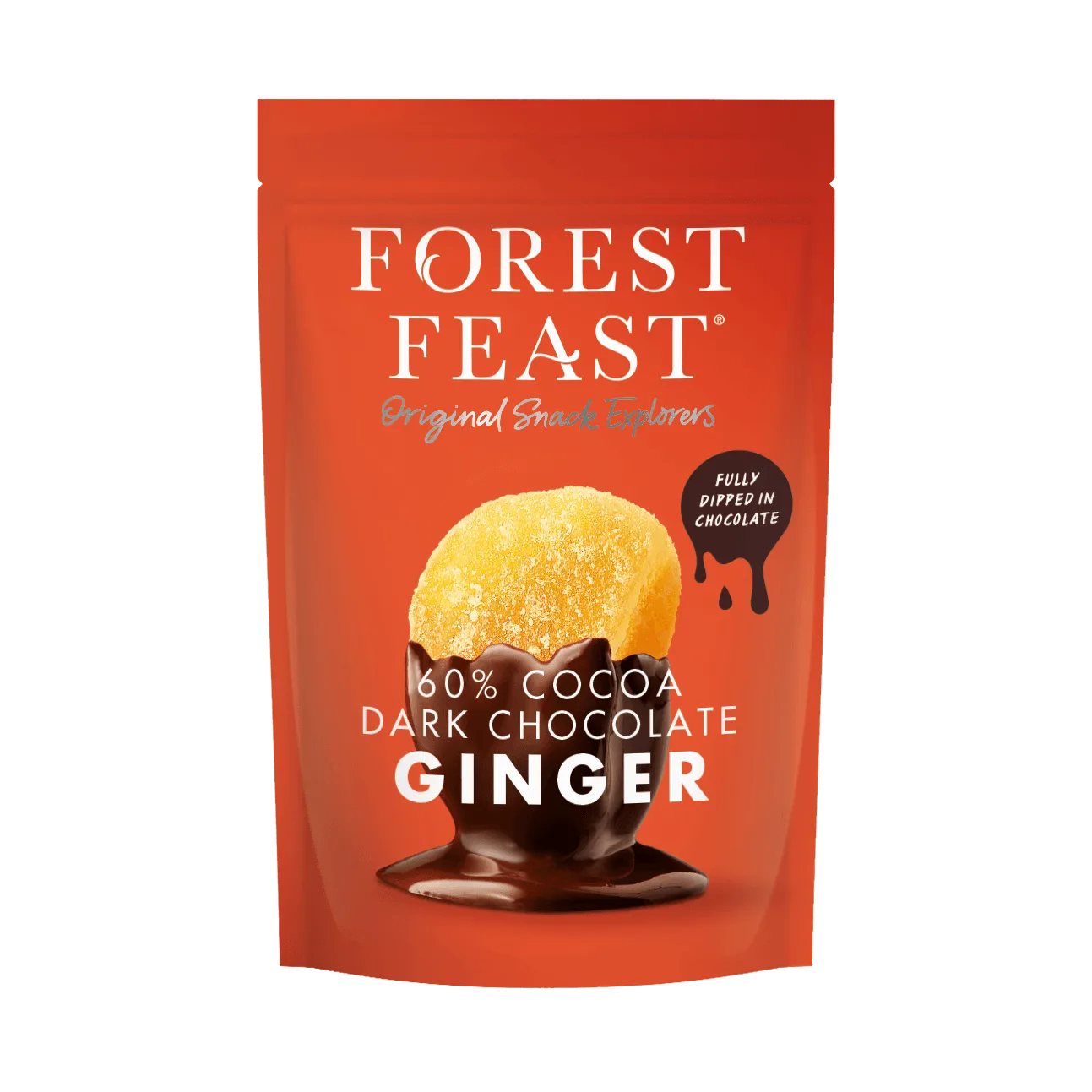
- 60% Cocoa Dark Chocolate Ginger: Stem ginger is immersed in syrup until tender, then wrapped in cocoa-rich dark chocolate. The syrupy centre stays soft, so these pieces press into each other and need a single layer with parchment between them.
- Peanut Butter & Milk Chocolate Dates: Chewy North African Deglet Nour dates are combined with creamy peanut butter and double-dipped in Belgian milk chocolate. The double coating adds weight and a second chocolate layer, so store these flat rather than piled, and keep them cool to protect the milk chocolate.
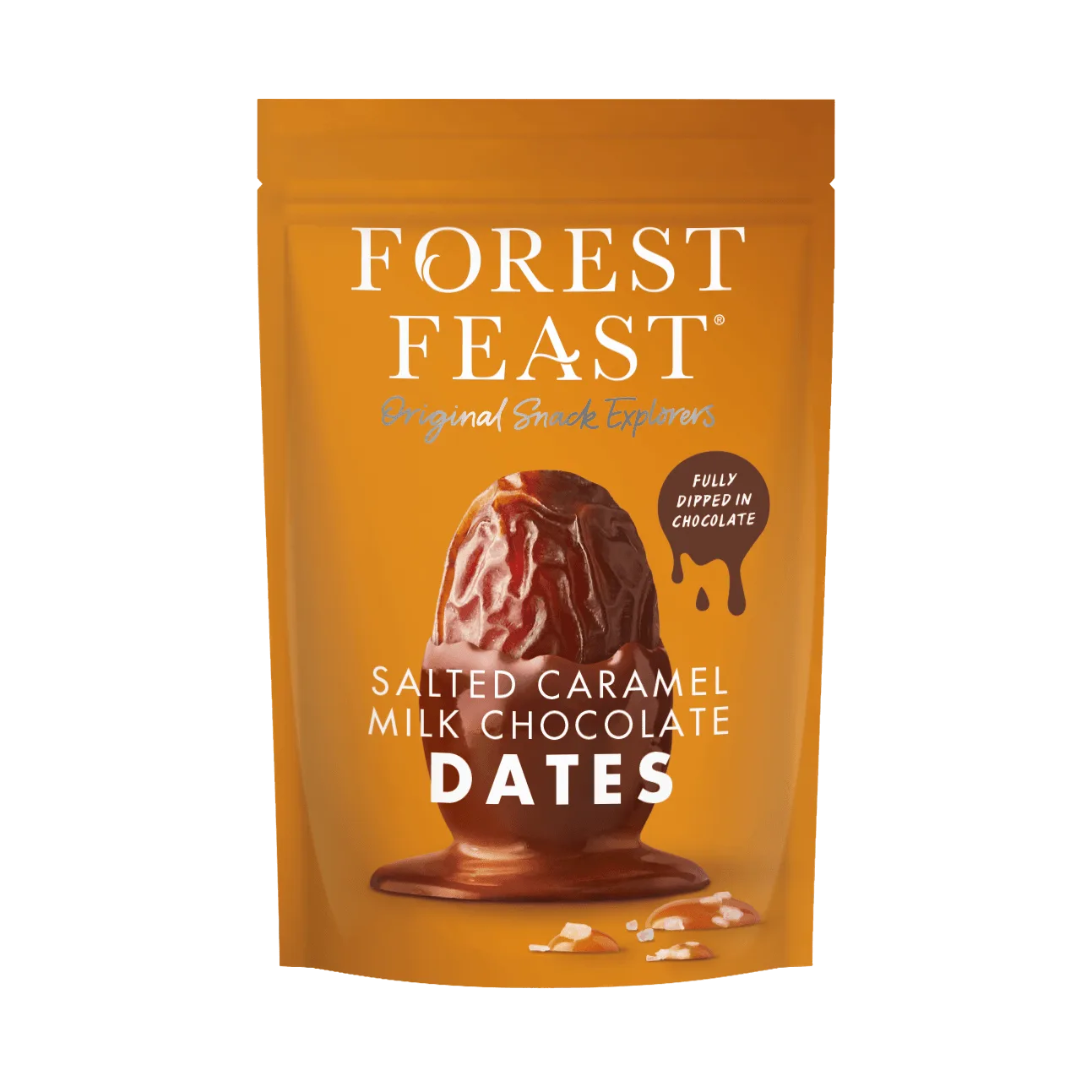
- Salted Caramel Milk Chocolate Dates: Tender dates are drenched in Belgian milk chocolate with buttery salted caramel flakes. The caramel flakes sit on the surface, so avoid stacking and use parchment to stop flakes transferring between pieces.