Quick answer
If your loose leaf tea tastes bitter, the cause is almost always one of three things: water that is too hot, steeping for too long, or using too many leaves for the amount of water. Fix one variable at a time, starting with temperature. Drop your water temperature by about 10°F (5°C) and shorten the steep by 30 seconds, then taste again. If the tea is still harsh after two adjustments, the leaf itself may be the issue.
Symptom: The first sip is fine, then a dry, harsh aftertaste builds
This is the most common bitterness pattern, and it usually points to oversteeping. The compounds that taste bright and sweet extract early; the ones that taste bitter and astringent extract later. When you leave the leaves in too long, you get both. For most black teas, 3 to 5 minutes is the window. For green and white teas, 2 to 3 minutes is enough. If your tea turns bitter halfway through the cup, you are likely steeping past the point where the good flavors have already been pulled out.
Cause: Water temperature is too high for the leaf type
Boiling water is fine for many black teas and herbal blends, but it scalds delicate green and white leaves, releasing bitterness before the sweet compounds have a chance to dissolve. As a starting point, use water around 175°F (80°C) for green tea, 185°F (85°C) for white tea, and 200°F (93°C) for oolong. Black tea and most herbal blends can take 200–212°F (93–100°C). If you do not have a variable-temperature kettle, boil water and let it sit for 2 to 3 minutes before pouring over green or white leaves.
Cause: Too many leaves for the amount of water
A heavy leaf-to-water ratio is a common culprit, especially when you switch from tea bags to loose leaf. A good starting ratio is 1 teaspoon of leaves per 6 to 8 ounces of water. For large-leaf teas or fluffy herbal blends, you may need 2 teaspoons to get the same strength. If your tea tastes strong and bitter at the same time, reduce the leaf amount by about a third and keep the steep time the same. You can always add more leaf next time, but you cannot take it out.
Fix: Adjust one variable at a time and taste as you go
Change only one thing per cup so you know what worked. Start with temperature: lower it by 10°F (5°C) and keep everything else the same. If the bitterness fades but the tea tastes weak, add 30 seconds to the steep. If it is still bitter, reduce the leaf amount slightly. Keep a small notebook or a note on your phone with the temperature, time, and leaf amount for each tea you drink. After three or four cups, you will have a repeatable recipe.
When to stop adjusting and choose a different tea
If you have tried lower temperature, shorter steeping, and less leaf, and the tea still tastes harsh, the leaf itself may be the limitation. Some teas are simply more astringent by nature, and no brewing adjustment will make them taste smooth. At that point, switch to a tea that is described as smooth or mellow rather than bold. For example, if you want a bergamot-flavored black tea without the bite, look for one that is blended for smoothness rather than intensity. Do not keep chasing a fix that the leaf cannot deliver.
Bitter tea diagnosis
- Symptom: Bitter from the first sip: The tea tastes harsh immediately, before it has had time to cool. This usually means the water was too hot for the leaf type. Lower your water temperature by 10°F (5°C) and try again.
- Symptom: Bitter aftertaste that builds: The tea starts pleasant but turns dry and astringent as you drink. This points to oversteeping. Shorten the steep by 30 seconds and taste at the shorter time.
- Symptom: Weak and bitter at the same time: The tea lacks flavor but still has a bitter edge. This often means too many leaves for the amount of water. Reduce the leaf amount by about a third and keep the steep time the same.
- Checkpoint: Still bitter after three adjustments: If temperature, time, and leaf amount are all dialed in and the tea is still harsh, the leaf itself may be the cause. Stop adjusting and switch to a tea described as smooth or mellow.
Teas to try while you troubleshoot
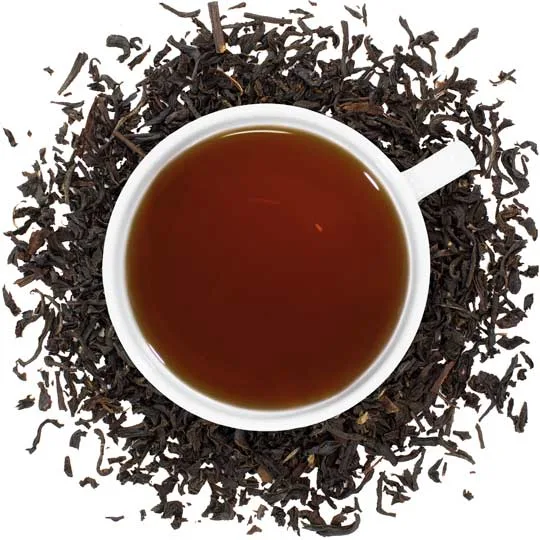
- Organic Earl Grey: Organic Earl Grey is a rich and smooth loose-leaf black tea infused with oil of bergamot, with high caffeine content. If your current Earl Grey turns bitter, this smooth black tea is a good baseline for testing temperature and steep time because its flavor is described as smooth rather than sharp.
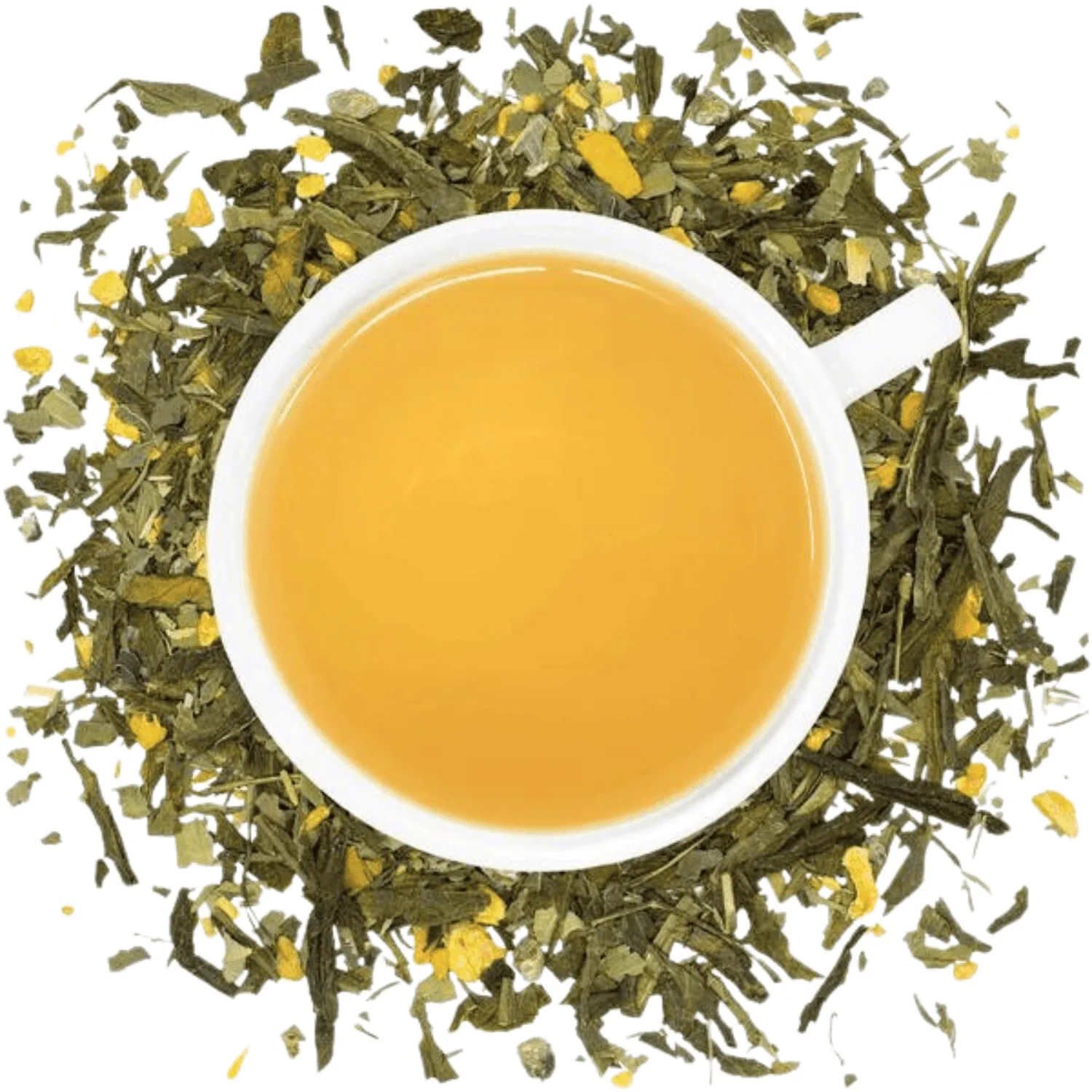
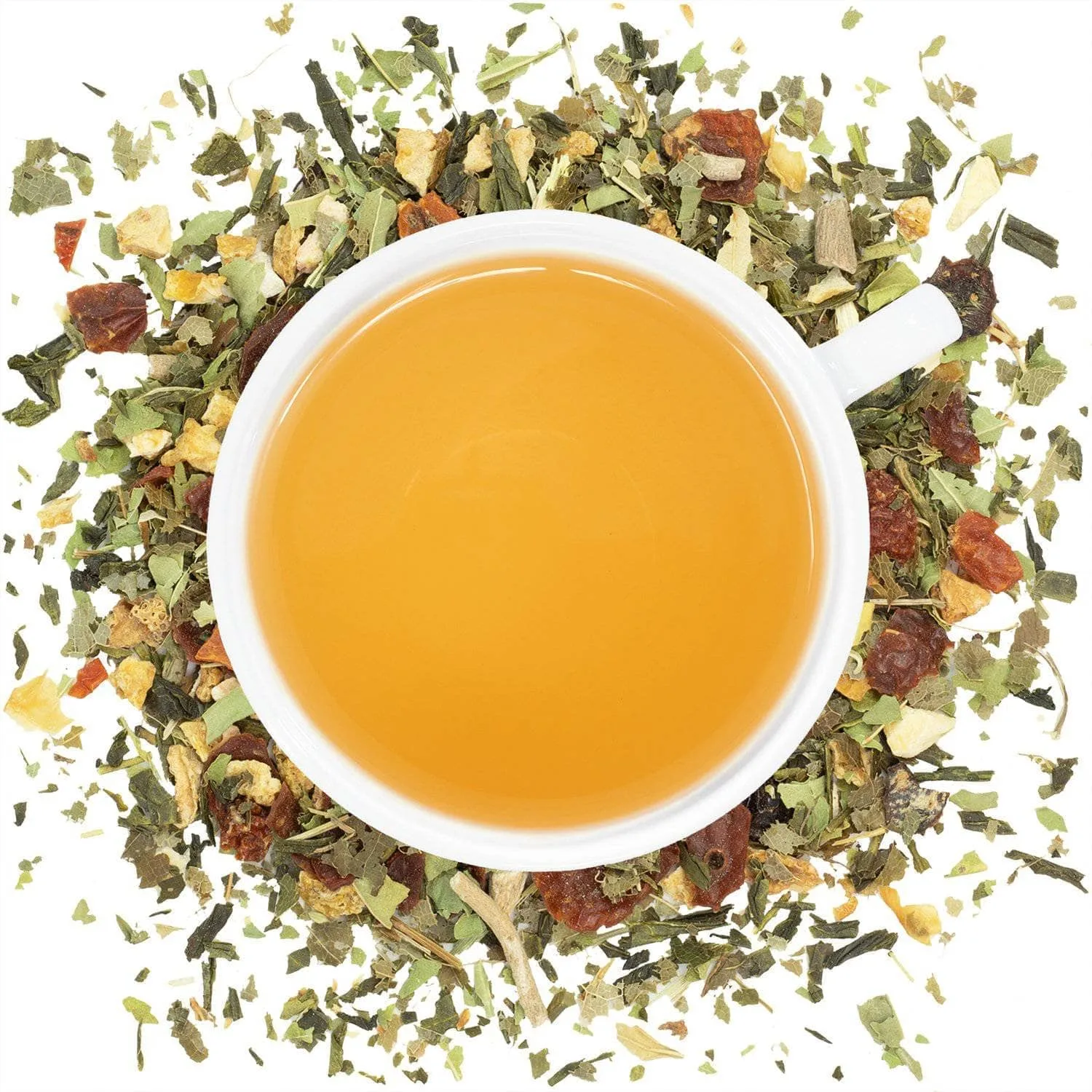
- Organic Decaf Joint Health: Organic Decaf Joint Health is a decaffeinated herbal blend with green tea, devil's claw, ginger, and lemon verbena, with a bright citrus flavor. Because it contains green tea, it benefits from cooler water (around 175–185°F) and a shorter steep, making it a practical tea to practice temperature control.