Quick answer
Wrinkles in vacuum seal bags come from three things: folding clothes along sharp creases, compressing them while damp or dirty, and leaving them squashed for days. Pack clean, bone-dry clothes, fold along existing seams, and add a buffer layer at every fold. If a garment still comes out creased, a quick steam or hang in the bathroom usually releases it.
Vacuum seal bags are the fastest way to turn a week of clothes into a weekend-sized stack. They also press every fold flat under pressure, which is why some travelers open their suitcase to a shirt that looks like it was ironed by a hydraulic press. The good news: wrinkles are predictable, and most of them are preventable with a few packing habits.
This guide separates the symptom from the cause, gives you a corrective action for each, and tells you when compression is the wrong tool for a particular garment.
Why vacuum seal bags crease clothes
A vacuum bag removes air, so the plastic pulls tight against fabric and holds every fold in place. The longer the bag stays sealed and the tighter the compression, the more those folds set. That is the trade-off: you save space, but you also lock in whatever shape the clothes are in when you seal the bag.
Heat makes it worse. A sealed bag in a hot car or a checked suitcase on a tarmac can bake creases in faster than the same clothes packed loosely. If your itinerary includes long transit days or warm destinations, plan for a little touch-up on arrival.
- Compression sets folds, so make the folds deliberate rather than accidental.
- Keep sealed bags out of direct heat when you can.
- Give delicate garments a buffer layer before you seal.
Pack clean, dry, and slightly loose
Damp fabric plus pressure equals set-in wrinkles, and it can also trap odors. Make sure everything is fully dry and clean before it goes into a vacuum bag. If you are packing at the end of a trip, do not seal yesterday's worn shirt; wash or air it first.
Do not overstuff the bag. A bag that is filled to the point where the zipper strains will compress unevenly, creating hard creases in some spots and loose pockets in others. Leave a little slack so the bag can collapse smoothly around the clothes.
- Dry clothes completely before sealing.
- Fill the bag about 80 percent so it compresses evenly.
- Roll rather than fold knits and t-shirts to avoid sharp crease lines.
Use folding and layering to prevent creases
The most effective vacuum bag wrinkle prevention is to fold along the garment's existing seams and then cushion the fold. Place a soft item, like a rolled sock or a thin t-shirt, along the crease before sealing. That buffer absorbs pressure instead of letting the plastic pinch the fabric.
For button-downs, fold the sleeves behind the back and fold the shirt in thirds rather than in half. For pants, fold along the front crease if there is one, or roll them. Stack items so the heaviest pieces are at the bottom of the bag and the most crease-prone pieces are on top, away from the valve.
- Buffer every sharp fold with a soft item.
- Fold shirts in thirds, not halves.
- Keep the valve side clear of delicate fabric.
Fix compression bag wrinkles after you arrive
If clothes still come out creased, do not panic. Hang them in the bathroom while you shower; the steam relaxes most fibers. A travel steamer or a quick press with an iron on low heat handles the rest. For knits, laying them flat and smoothing with your hands often works better than hanging.
If you are staying somewhere without an iron, pack one wrinkle-resistant outfit on top of your bag so you have something ready to wear while the rest of your clothes relax. That single outfit solves most arrival-day problems.
- Shower steam is the lowest-effort fix.
- Hang, do not stack, clothes that need to relax.
- Keep one wrinkle-resistant outfit accessible.
When to skip vacuum bags for a garment
Some items should not go into a vacuum bag at all. Structured blazers, garments with stiff interfacing, and anything with delicate embellishments can be permanently deformed by compression. For those, use a compression panel in your suitcase instead, which holds clothes in place without crushing them flat.
If your trip is short and your suitcase is not full, you may not need vacuum bags at all. Compression is a space tool, not a wrinkle tool. Use it when space is the problem, and use gentler packing when creases are the bigger risk.
- Skip vacuum bags for structured jackets and embellished pieces.
- Use a compression panel when you want hold without crushing.
- For short trips, pack loosely and skip compression.
Wrinkle diagnosis: symptom, cause, fix
- Sharp crease lines across shirts: The shirt was folded in half and compressed without a buffer, so the plastic pinched the fabric along one hard line. Refold in thirds, add a soft buffer at the fold, and reseal. If the crease is already set, steam it out.
- All-over crumpled texture: The bag was overfilled or sealed while clothes were damp, so compression was uneven and moisture helped the wrinkles set. Dry everything fully, fill the bag to about 80 percent, and reseal. If the fabric is still damp, do not seal it.
- Wrinkles only on arrival, not before: The sealed bag sat in heat or was packed for days, letting the folds set deeper. Open bags as soon as you reach your room, hang the contents, and use shower steam. Next trip, pack crease-prone items on top.
- Structured jacket came out deformed: Compression is the wrong tool for stiff interfacing and structured shoulders. Stop using vacuum bags for this garment. Use a compression panel or carry it as overflow instead.
TAKE OFF products that help
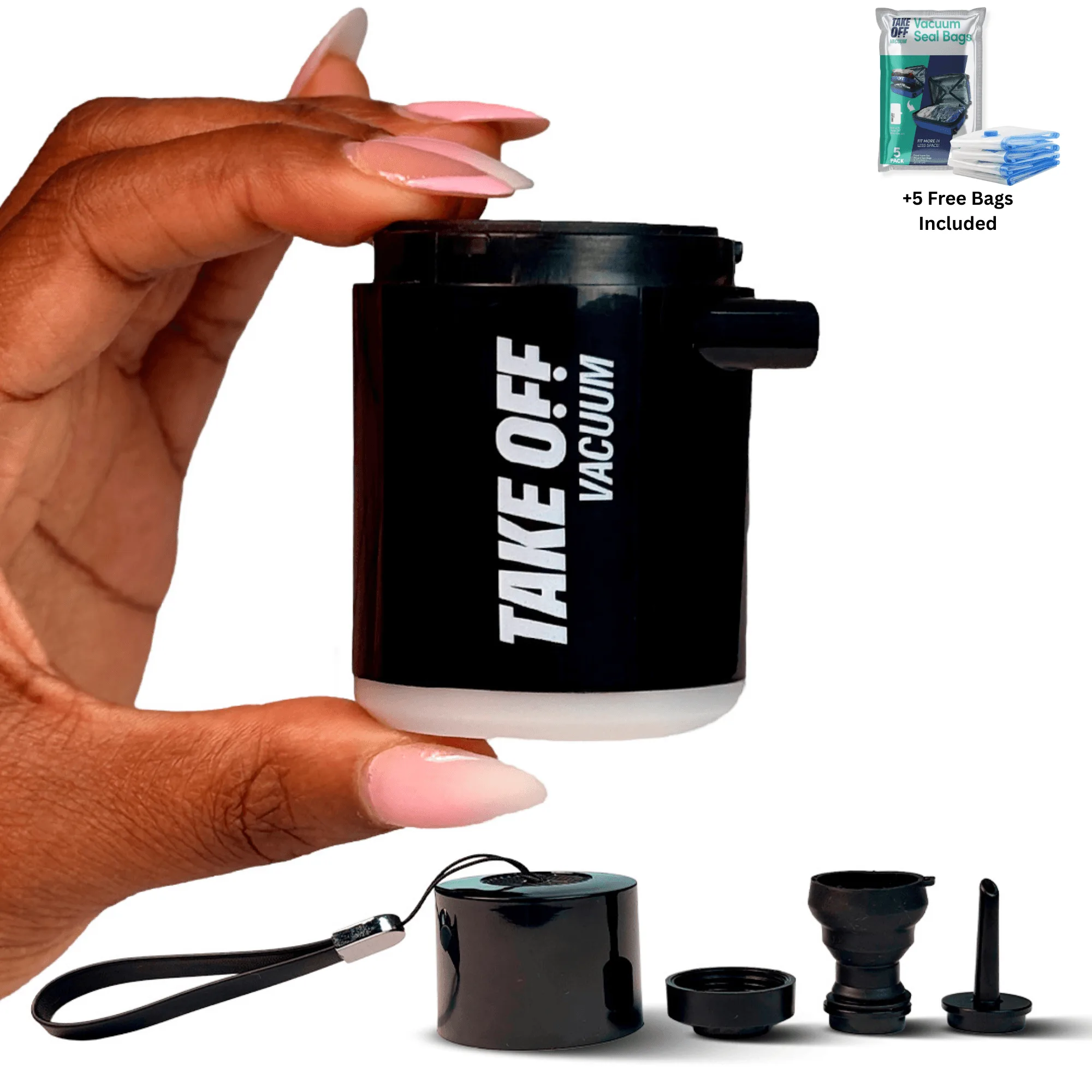
- Mini Vacuum Pump 2.0 (NEW) + Vacuum Bags (5 Pack) - Black: The pump shrinks bulky sweaters and outfits by about 50 percent and comes with five vacuum seal bags. A smaller, even compression is easier to control than a fully packed bag, which reduces hard creases.
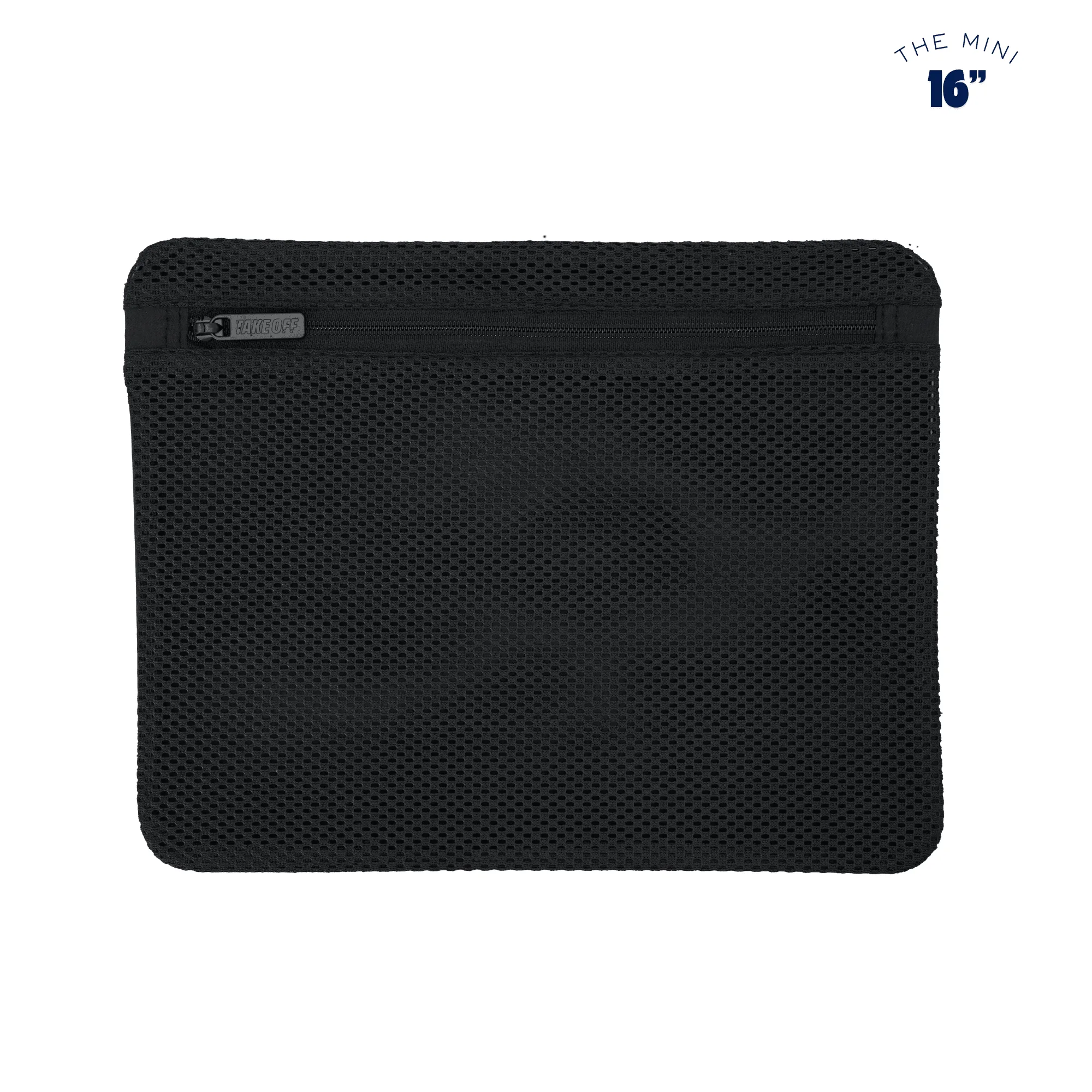
- Compression Panel 4.0 (Separate Divider): This panel straps down clothes to prevent shifting during transit and maximize space, and it is designed to lock down both sides of a suitcase. For garments you do not want to vacuum-seal, a compression panel holds them in place without flattening them.
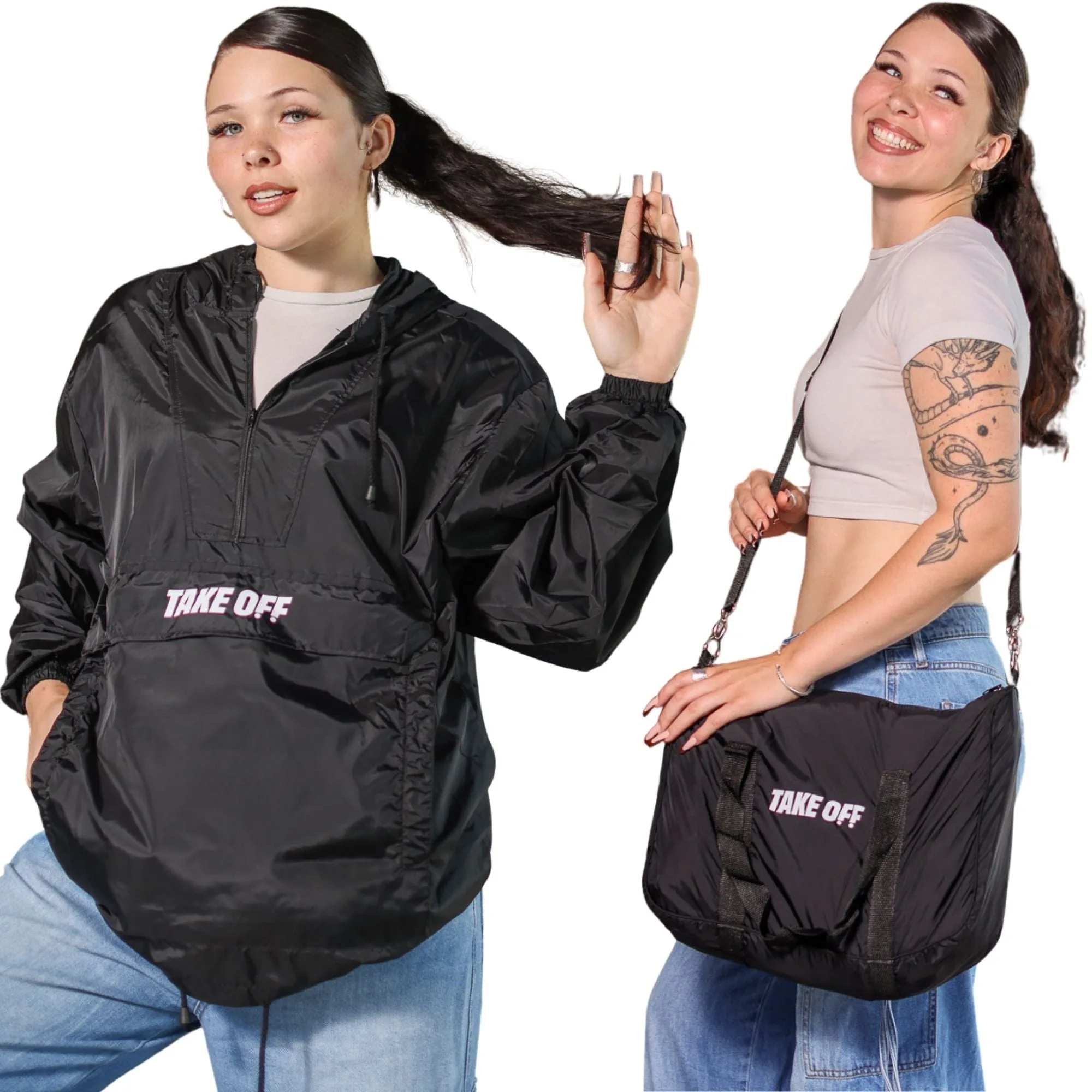
- Duffle Bag Jacket: It transforms from a duffle bag into a windbreaker in seconds and can hold overflow items that did not fit in your roller bag. If you would rather not compress a crease-prone outfit, carry it as overflow instead of forcing it into a vacuum bag.
Vacuum seal bags are a space tool, not a wrinkle-proofing tool. Pack clean, dry clothes, fold along seams, buffer the creases, and open the bag as soon as you can. If a garment is too structured to compress, choose a compression panel or carry it separately. Do that, and you get the space savings without the ironing.