Quick Answer
To stop your dog from chewing furniture, first identify the underlying cause—whether it's boredom, anxiety, teething, or lack of exercise. Then, combine management strategies like using a bitter-tasting deterrent spray and providing appropriate chew toys with consistent training to redirect the behavior. For persistent chewers, consider using a training collar to reinforce boundaries.
Furniture chewing is one of the most frustrating challenges for dog owners. You come home to find your favorite chair leg gnawed or your sofa cushions shredded. While it's natural for dogs to chew, especially puppies, destructive chewing on furniture is a problem that needs addressing. The good news is that with the right combination of deterrents, training, and environmental management, you can stop this behavior and protect your home.
In this guide, we'll walk you through the reasons behind furniture chewing, proven methods to deter it, and step-by-step training techniques. We'll also highlight some products from Mightypaw that can help, such as training collars and durable chew alternatives.
Why Dogs Chew Furniture: Understanding the Root Cause
Before you can stop the chewing, you need to understand why your dog is doing it. Dogs chew for a variety of reasons, and the right solution depends on the underlying cause. Common reasons include teething (in puppies), boredom, anxiety or separation anxiety, lack of exercise or mental stimulation, and natural instinct. Some dogs also chew to explore their environment or because they find the texture of wood or fabric appealing.
Observe when and where your dog chews. Is it only when you're away? Does it happen during certain times of day? Is your dog otherwise active and stimulated? These clues can help you pinpoint the trigger. For example, if your dog only chews when left alone, separation anxiety might be the issue. If it happens when your dog is bored, increasing exercise and providing interactive toys can help.
- Keep a log of chewing incidents to identify patterns.
- Consult your vet to rule out medical issues like nutritional deficiencies.
Effective Deterrents: Sprays and Physical Barriers
One of the most immediate ways to stop furniture chewing is to make the furniture taste unpleasant. Bitter-tasting deterrent sprays are a popular choice. These sprays are safe for pets and furniture but taste awful to dogs, discouraging them from chewing. Apply the spray to the areas your dog targets, and reapply as needed, especially after cleaning or if the smell fades.
Physical barriers can also be effective, especially during the training period. Use baby gates to restrict access to certain rooms, or cover furniture with protective covers or aluminum foil. Some owners use motion-activated alarms or citrus-scented sprays (though be cautious with essential oils). The goal is to make the furniture less appealing while you work on training.
- Test the deterrent spray on a small, hidden area first to ensure it doesn't stain.
- Combine deterrents with positive reinforcement for best results.
Training Techniques to Redirect Chewing Behavior
Training is the cornerstone of stopping destructive chewing. The key is to redirect your dog's chewing to appropriate items. Always have a variety of chew toys available, and when you catch your dog chewing furniture, calmly say 'no' and immediately offer a chew toy. Praise your dog when they take the toy. Consistency is crucial—everyone in the household must follow the same rules.
Teach the 'leave it' command to help your dog understand that furniture is off-limits. Start with a treat in your hand, say 'leave it,' and reward when your dog ignores it. Gradually progress to placing the treat near furniture. Also, make sure your dog gets plenty of physical and mental exercise. A tired dog is less likely to chew out of boredom. Puzzle toys and interactive games can provide mental stimulation.
- Rotate chew toys to keep them interesting.
- Use a crate or confined area when you can't supervise your dog.
Using Training Collars to Reinforce Boundaries
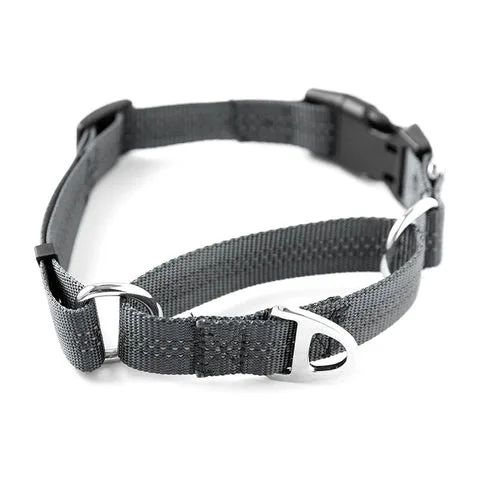
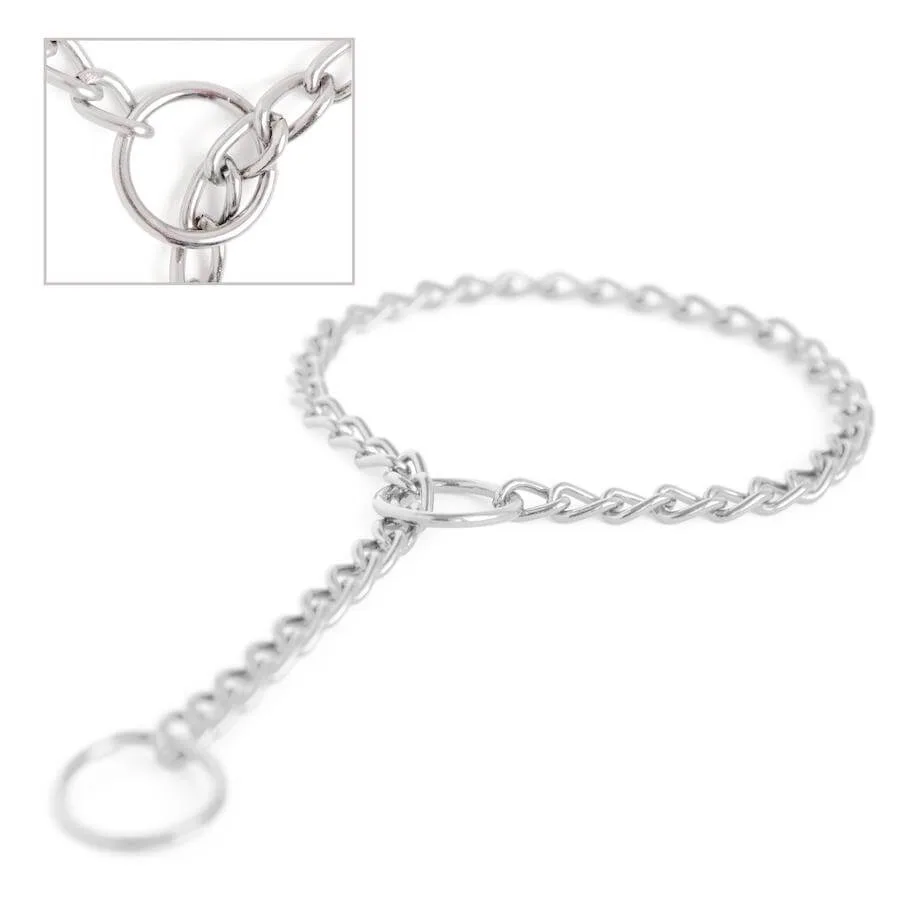
For persistent chewers, training collars can be a helpful tool when used correctly. A martingale collar or a slip collar can provide gentle correction during training sessions. These collars are not meant to be punitive but to get your dog's attention and reinforce your commands. For example, if your dog starts to chew furniture, a quick, gentle tug on the collar can interrupt the behavior and redirect your dog to a chew toy.
When using a training collar, it's essential to pair it with positive reinforcement. The goal is to teach your dog that chewing furniture leads to an unpleasant sensation, while chewing on appropriate items leads to praise and treats. Always follow the manufacturer's instructions and consult a professional trainer if you're unsure how to use them safely.
- Never leave a training collar on your dog unattended.
- Use the collar only during supervised training sessions.
Diagnosis: Is Your Dog's Chewing a Training Issue or Something More?
- Symptom: Your dog chews on furniture, shoes, or other household items, often leaving visible damage. Identify the specific items and times when chewing occurs.
- Likely Cause: Possible causes include teething, boredom, anxiety, lack of exercise, or natural chewing instinct. Observe patterns to determine the underlying trigger.
- Corrective Action: Implement deterrents like bitter sprays, provide appropriate chew toys, increase exercise, and use training techniques with positive reinforcement. Consider a training collar for persistent cases. Consistency is key; combine multiple strategies for best results.
- When to Stop or Choose Another Option: If your dog's chewing is severe, destructive, or accompanied by other signs of distress (e.g., excessive drooling, pacing), consult a veterinarian or professional dog trainer. Also, if you're uncomfortable using training collars, opt for harnesses or seek professional guidance. Safety first: never use harsh punishment, and always prioritize your dog's well-being.
Mightypaw Products That Can Help
- Stainless Steel Chain Slip Collar: This collar is a practical training tool designed for controlled correction and guidance. Its durable stainless steel construction offers reliable strength for everyday use, while the classic slip design allows for quick, effective communication during training sessions. When used properly, this collar can help you interrupt unwanted chewing and reinforce your training commands, making it a valuable tool for addressing destructive behavior.
- Nylon Martingale Cinch Collar: This collar combines the functionality of a standard collar with the safety features of a martingale collar, making it a favored choice among dog trainers. Constructed from premium quality nylon, this collar is built to last while ensuring comfort for your dog. A martingale collar provides gentle, controlled correction without choking, making it a safer option for training sessions aimed at stopping furniture chewing.
Stopping your dog from chewing furniture takes patience, consistency, and the right tools. By understanding the root cause, using deterrents, and implementing positive training, you can protect your home and strengthen your bond with your dog. For training support, explore the Nylon Martingale Cinch Collar from Mightypaw—it's a gentle yet effective tool to help you communicate boundaries clearly.