Quick Answer
To reduce excessive barking, identify what triggers your dog, then use positive reinforcement to teach a quiet command while rewarding calm behavior consistently.
Why Positive Training Beats Punishment
Punishing a dog for barking may suppress the noise temporarily, but it often increases anxiety and can make the behavior worse. Positive training focuses on rewarding the behavior you want, which builds trust and long-term results.
Every dog barks for a reason—alerting, boredom, fear, or excitement. Understanding the underlying cause helps you choose the right training approach and avoid frustration for both you and your dog.
Common Triggers and How to Manage Them
Excessive barking usually has a pattern. Doorbells, passing dogs, or being left alone are common triggers. Once you identify the trigger, you can manage the environment while you train, such as closing curtains or providing interactive toys.
For dogs that bark out of boredom, increasing physical and mental exercise often reduces the need to bark. A tired dog is naturally quieter.
5 Steps to Quieter Days
- Identify the Trigger: Observe when your dog barks excessively. Note the time, place, and what happens right before the barking starts. This tells you what to manage and what to train. If you can't name the trigger, you're guessing—so spend a few days tracking patterns.
- Remove or Reduce the Trigger: While training, limit exposure to the trigger. Close blinds, use white noise, or keep your dog away from windows. This prevents rehearsal of the barking habit. Management is not avoidance forever—it's temporary to make training easier.
- Teach the Quiet Command: When your dog barks, say 'quiet' in a calm, firm voice. The moment they stop, even for a second, reward with a treat and praise. Repeat consistently, gradually increasing the duration of silence before rewarding. Always reward the silence, not the barking. Timing matters—the treat must come immediately after the quiet moment.
- Reward Calm Behavior: Throughout the day, randomly give treats and attention when your dog is calm and quiet. This reinforces that being quiet is valuable, not just during training sessions. Make calmness more rewarding than barking—this shifts your dog's default behavior.
- Practice in Real Situations: Once your dog understands the quiet command at home, practice with the actual trigger. Have a friend ring the doorbell, or walk near a fence with another dog. Use the same reward sequence. If your dog can't respond in real life, go back to a less distracting setting and build up gradually.
Helpful Resources
-
Growling – Understanding Your Dog’s Language: This guide from Whole Dog Journal offers insight into what your dog's growls and barks mean. Understanding the meaning behind your dog's vocalizations helps you address the root cause of excessive barking.

Growling – Understanding Your Dog’s Language
-
The Dog Behavior Answer Book: Arden Moore answers questions about canine quirks and offers suggestions for modifying unacceptable behavior. This book provides practical, expert-backed solutions for common behavior problems like nuisance barking.
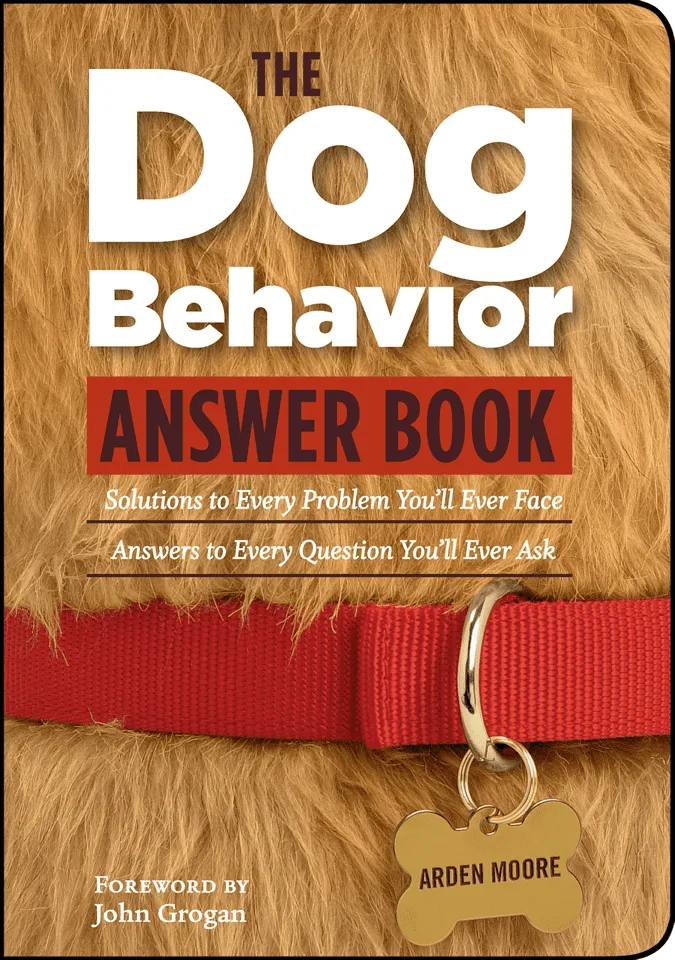
The Dog Behavior Answer Book