Quick answer
Most graphic t-shirt print cracking comes from heat and friction during washing and drying. Turn the shirt inside out, wash cold on a gentle cycle, skip the dryer or use low heat, and never iron directly on the print. If the print is already cracking, you can slow further damage but cannot fully reverse it.
You pull your favorite graphic tee out of the wash and notice thin white lines running through the design. That is print cracking, and it rarely happens overnight. It builds up from repeated heat, friction, and stretching until the ink layer finally splits.
The good news is that most cracking is preventable with a few changes to how you wash, dry, and store your tees. This guide walks through the symptoms, the likely causes, what you can do once cracks appear, and when it makes more sense to replace the shirt.
What print cracking actually looks like
Cracking shows up as fine lines, flaking edges, or a dull, broken texture across the printed area. On screen-printed tees, the ink sits on top of the fabric, so it can split when the fabric stretches or when heat makes the ink brittle. On newer tees, you might see a slight sheen or stiffness before any visible cracks form.
Not every mark is cracking. Fading is color loss from washing, while cracking is a physical break in the print layer. If you can see the fabric through the design or feel raised, separated edges, that is cracking. Catching it early gives you a better chance of slowing it down.
- Look at the print under bright light, since fine cracks are easy to miss indoors.
- Gently stretch the fabric sideways; if the print separates, the ink layer is already failing.
- Check the inside of the shirt for ink transfer, which can signal heat damage.
Why prints crack: heat, friction, and stretching
Heat is the biggest culprit. Hot water and a hot dryer make the ink layer expand and contract, which weakens its bond to the cotton. Over time, that stress turns into cracks. Friction makes it worse: tumbling against other clothes or a dryer drum rubs the print and wears down the surface.
Stretching also matters. If you pull a shirt over your head by the collar or hang it on a wire hanger through the print, you are tugging the ink layer. Cotton fabric moves, but the print does not stretch with it, so the ink eventually splits. Even folding a shirt tightly along the print can create crease lines that become cracks.
Detergent choice plays a smaller role. Harsh chemicals and bleach can degrade the ink over many washes, but heat and mechanical stress do most of the damage.
- Wash graphic tees inside out to protect the print from rubbing.
- Use cold water and a gentle cycle to reduce heat and agitation.
- Avoid fabric softener, which can leave a residue that makes prints look dull.
How to wash and dry a graphic tee to prevent cracking
Turn the shirt inside out before it goes in the machine. This puts the print against itself instead of against other garments, which cuts down on friction. Wash with like colors in cold water on a gentle or delicate cycle. If you can, use a mesh laundry bag for extra protection, especially for shirts with large prints.
Skip the dryer or use the lowest heat setting. Air drying is the safest option: lay the shirt flat or hang it by the hem, not by the shoulders, so the weight of the wet fabric does not stretch the print. If you must use a dryer, remove the shirt while it is still slightly damp and let it finish drying on a rack.
For stains, treat them before washing with a gentle spot cleaner and a soft cloth. Do not scrub the print directly. If you need to iron the shirt, turn it inside out and iron the back of the print, or place a thin cotton cloth between the iron and the design.
- Wash graphic tees separately from heavy items like jeans or jackets.
- Use a low spin speed to reduce pulling on the fabric.
- Never bleach a printed tee unless the care label explicitly allows it.
What to do when a print is already cracking
Once the ink layer has split, you cannot fully restore it. But you can slow the damage and keep the shirt wearable. Start by changing your care routine immediately: cold wash, inside out, air dry. That alone can stop small cracks from spreading quickly.
For minor cracking, some people use a thin layer of fabric medium or a specialized print repair product, following the manufacturer's instructions. This can soften the look of cracks but will not make them disappear, and it may change the texture of the print. Test on a small area first.
If the cracking is widespread or the print is flaking off, repair is not practical. At that point, the shirt becomes a good candidate for loungewear, layering under a jacket, or a DIY project. Do not keep washing it with your good tees, since flakes can transfer to other garments.
- Stop using the dryer as soon as you notice cracks.
- Avoid stretching the shirt over your head; step into it instead.
- Store folded, not hung, to keep the print from pulling.
When to stop trying to fix it and choose another shirt
If the print is cracked across more than a small area, or if flakes come off on your hands, it is time to let it go. Repair products can buy a little time, but they rarely look clean on a large design. The same goes for shirts where the fabric itself is thinning or the collar is stretched out.
When you replace a graphic tee, look for one with a print that feels slightly flexible rather than thick and rubbery. A print that moves with the fabric is less likely to crack. You can also check the care label before buying: if it recommends cold washing and low drying, the print is more likely to hold up.
Shopping secondhand is a smart way to find graphic tees that have already survived a few washes. If a pre-owned print still looks intact, that is a good sign the ink was applied well and cared for properly.
- Choose shirts with prints that feel soft and slightly stretchy.
- Check the inside of the print for any existing flaking before you buy.
- Ask yourself if you will actually follow the care instructions; if not, pick a simpler design.
Diagnose your print cracking
- Fine lines across the print: This is early cracking, usually from heat and friction. Switch to cold washing and air drying now. You can slow it down, but the lines will not fully disappear.
- Flaking or peeling edges: The ink is losing its bond to the fabric. This often happens after repeated hot drying or stretching. Repair is not practical for large areas; retire the shirt or use it for layering.
- Dull, faded print with no visible cracks: This is fading, not cracking. It comes from detergent residue and washing with harsh chemicals. Prevent further fading with gentle detergent and cold water, but the color will not return.
Graphic tees and printed pieces worth caring for
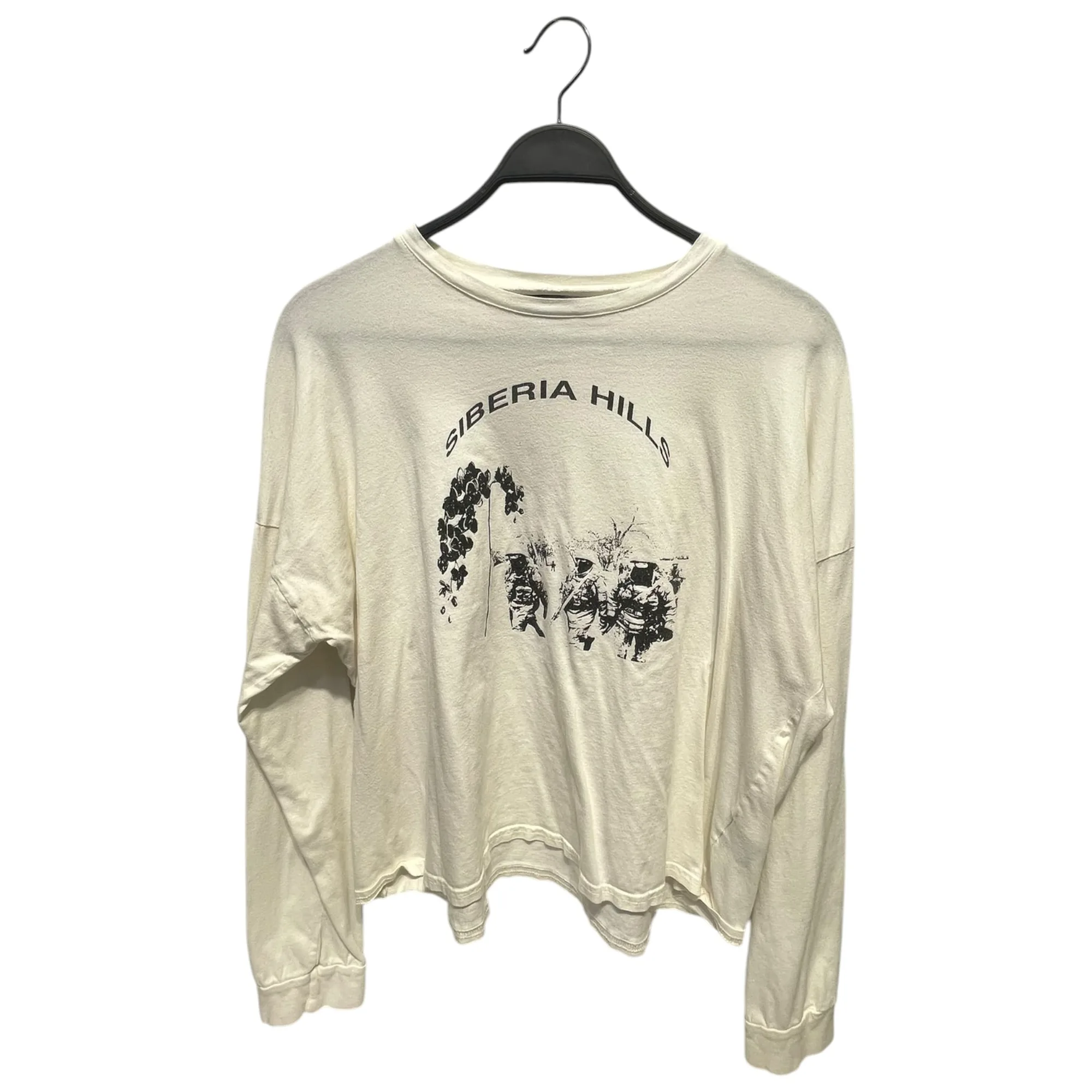
- SIBERIA HILLS/LS T-Shirt/L/Cotton/WHT/: Cotton, white, size L, chest 46 inches, length 21 inches, condition S_Used Like New. A like-new cotton tee with a clean print is a good candidate for a careful wash routine, since cotton responds well to cold water and air drying.
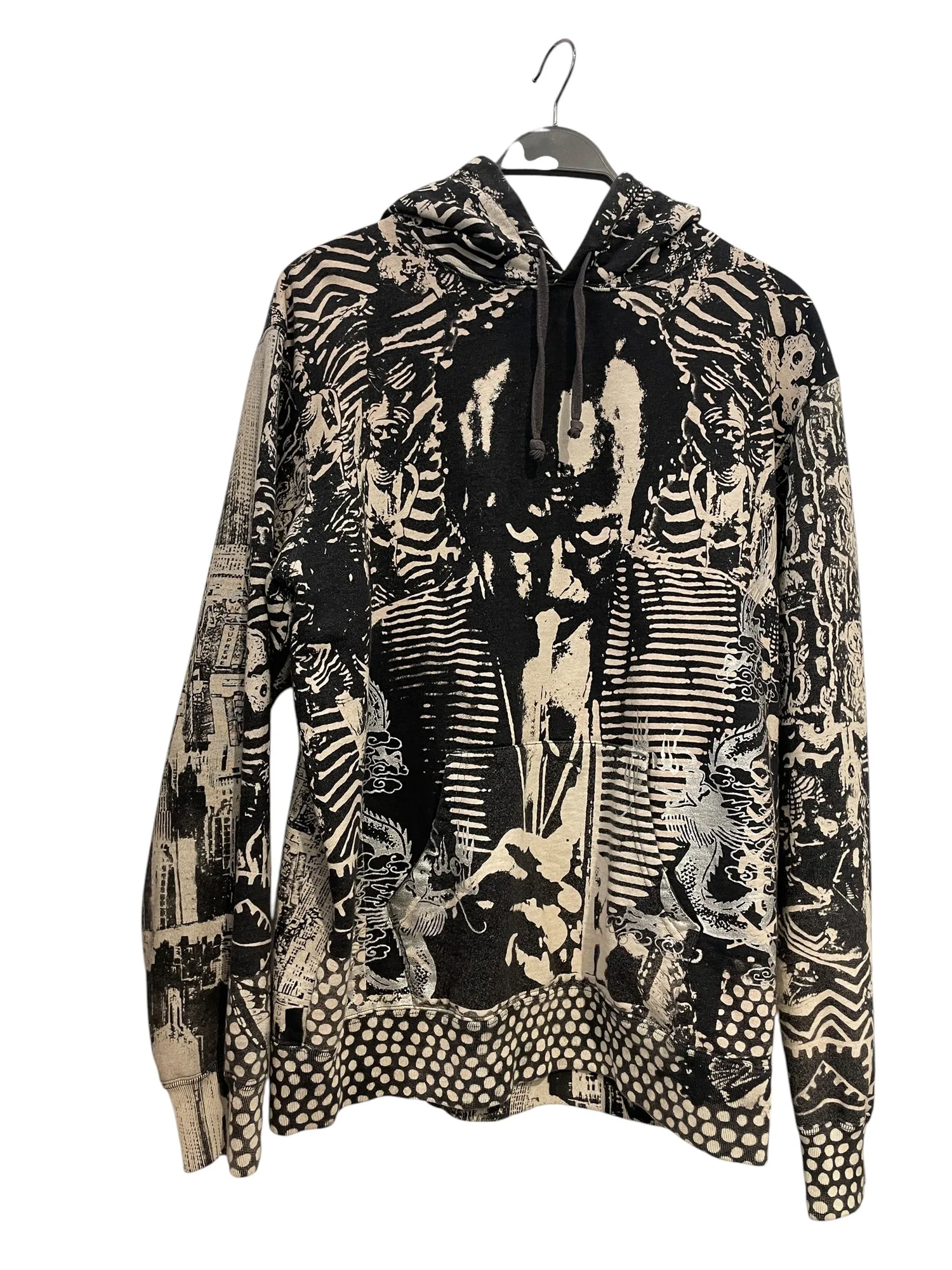
- Supreme/Hoodie/L/All Over Print/Cotton/BLK/MILES DAVIS: Cotton, black, size L, width 24 inches, length 26 inches, condition USED. All-over print cotton pieces have more printed surface area, so turning them inside out and avoiding the dryer matters even more.
Print cracking is almost always a care issue, not a sign of a bad shirt. Wash cold, turn inside out, skip the dryer, and store folded. If cracks are already widespread, replace the tee with one that feels flexible and comes with simple care instructions.