Quick answer
Most litter tracking starts at the box exit, not across your home. Use a top-entry box to catch litter on the cat's paws before it hits the floor, place a textured mat directly outside the opening, and keep litter depth around two to three inches. If tracking continues, check litter type and box size before buying more mats.
Why litter ends up on your floors
Litter escapes the box in three ways: it clings to paws and fur, it gets kicked over the rim during digging, and it sticks to the bottom of the box and gets carried out when your cat steps in it. A covered or top-entry box reduces kicking, but paws still carry granules. The fix is to intercept litter at the exit point rather than chase it around the house.
Match the box to your cat's exit style
Cats that dig enthusiastically or back up to the edge of a low-sided pan scatter litter over the rim. A top-entry box forces a downward exit, so most loose granules fall back inside. The tradeoff is that senior cats, kittens, or cats with mobility issues may struggle with the jump. If your cat hesitates at a top-entry box, keep a low-entry pan and rely on mat placement instead.
Place the mat where the paws land
A litter mat only works if it sits exactly where your cat steps after leaving the box. For a top-entry box, that means directly under the opening. For a standard pan, butt the mat against the box so there is no gap. A mat placed a foot away catches nothing. Use a textured or dual-layer mat that traps granules rather than a flat towel, which litter rolls right off.
Adjust litter depth and type
Too much litter gives paws more to scoop and carry; too little makes urine pool and stick to the box floor. Aim for two to three inches for most clumping litters. Fine-grain clumping litter tracks more than pellet or crystal litter, but many cats prefer the finer texture. If tracking is severe and your cat is not picky, try a pellet litter and see whether the tradeoff in comfort is worth the cleaner floor.
When to stop troubleshooting and change the setup
If you have tried a top-entry box, a properly placed mat, and adjusted litter depth for two weeks with no improvement, the problem is likely the box location or the cat's health. A box in a high-traffic area or next to a noisy appliance can make cats rush out, scattering litter. If your cat is suddenly tracking more, urinating outside the box, or straining, see your veterinarian before buying more products.
Diagnose your tracking problem
- Litter trails in a straight line from the box: Your cat is walking out with litter stuck to its paws. Add a textured mat directly at the exit and trim the fur between toe pads if it is long. If trails persist after a week, switch to a top-entry box or try pellet litter.
- Litter sprayed several feet from the box: This is kicking, not tracking. Your cat is digging hard or the box is too small. A high-sided or top-entry box contains the scatter. If your cat refuses the new box, return to the old one and add a mat instead.
- Litter only on furniture, not near the box: Granules are hitching a ride on paws and fur, then falling off later. Check litter depth; too much litter means more to carry. A mat at the box will not fix this alone. Reduce litter to two inches and brush your cat if fur is long.
- Sudden increase in tracking or litter outside the box: A change in tracking habits can signal stress, a urinary issue, or arthritis making it hard to get in and out cleanly. See your veterinarian before changing products.
Products that help with tracking
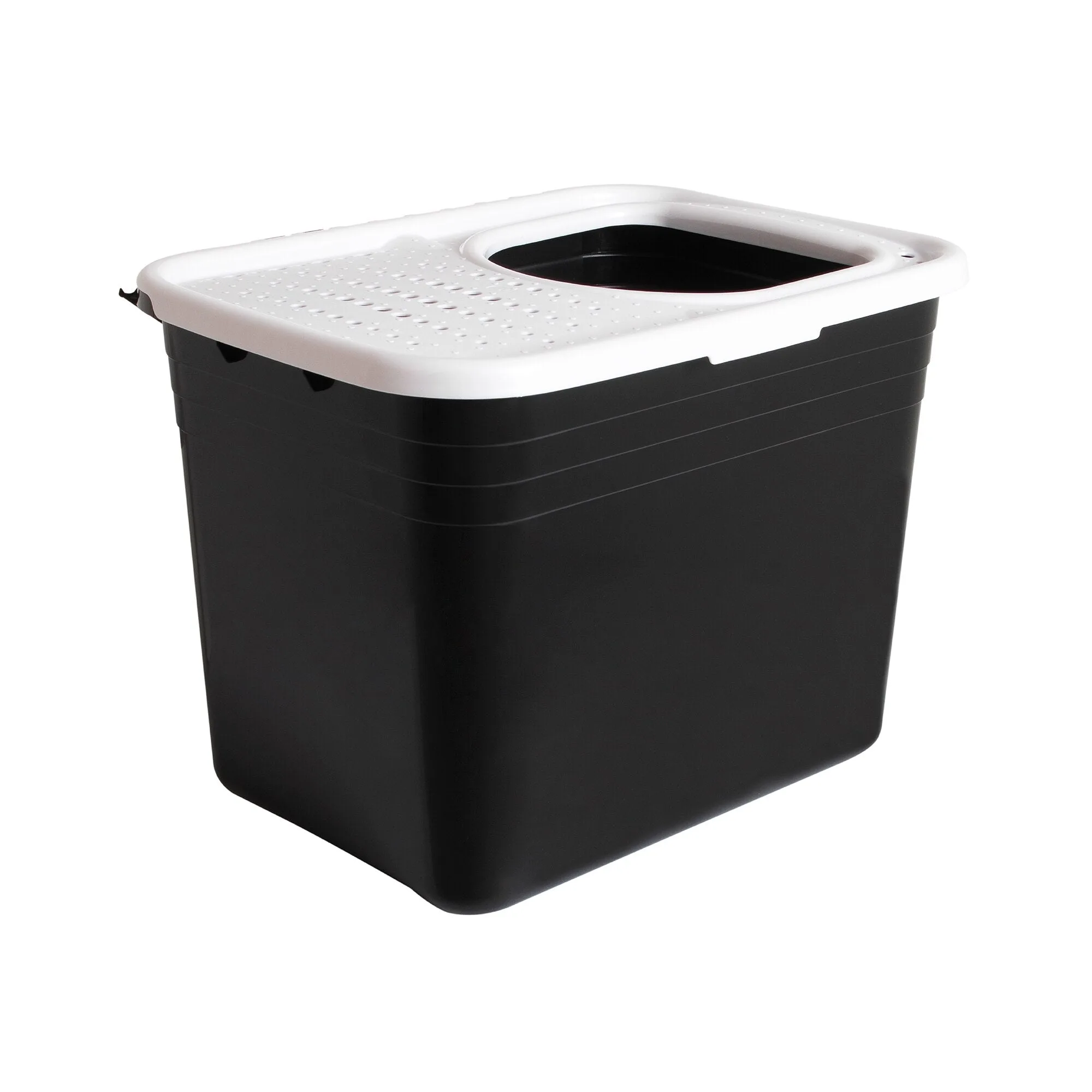
- Arm & Hammer Top Entry Litter Box: Arm & Hammer Top Entry Litter Box has a top opening and tall sides designed to keep litter in and dogs out, and is treated with Microban for built-in antimicrobial protection. The top exit means your cat steps down onto the lid rather than jumping out over a low rim, so most tracked granules fall back into the pan. The tall sides also block dogs from raiding the box.
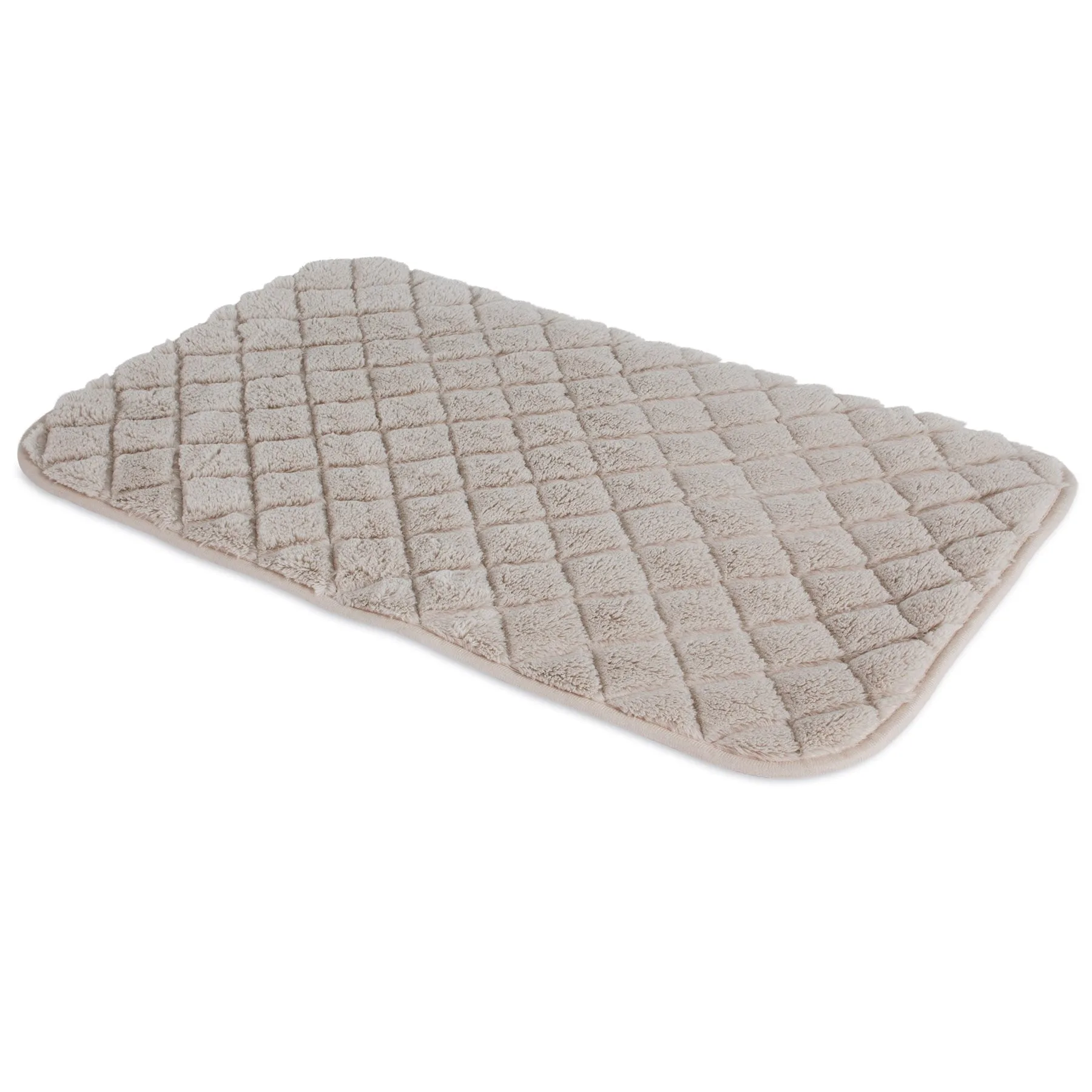
- SnooZZy Natural Quilted Kennel Mat: SnooZZy Natural Quilted Kennel Mat has a super-soft quilted plush sleep surface and a non-skid bottom. If your cat's box sits near a crate or travel area, this mat adds comfort without sliding around. It is not a litter mat, so do not use it as one; keep a dedicated textured mat at the box exit.
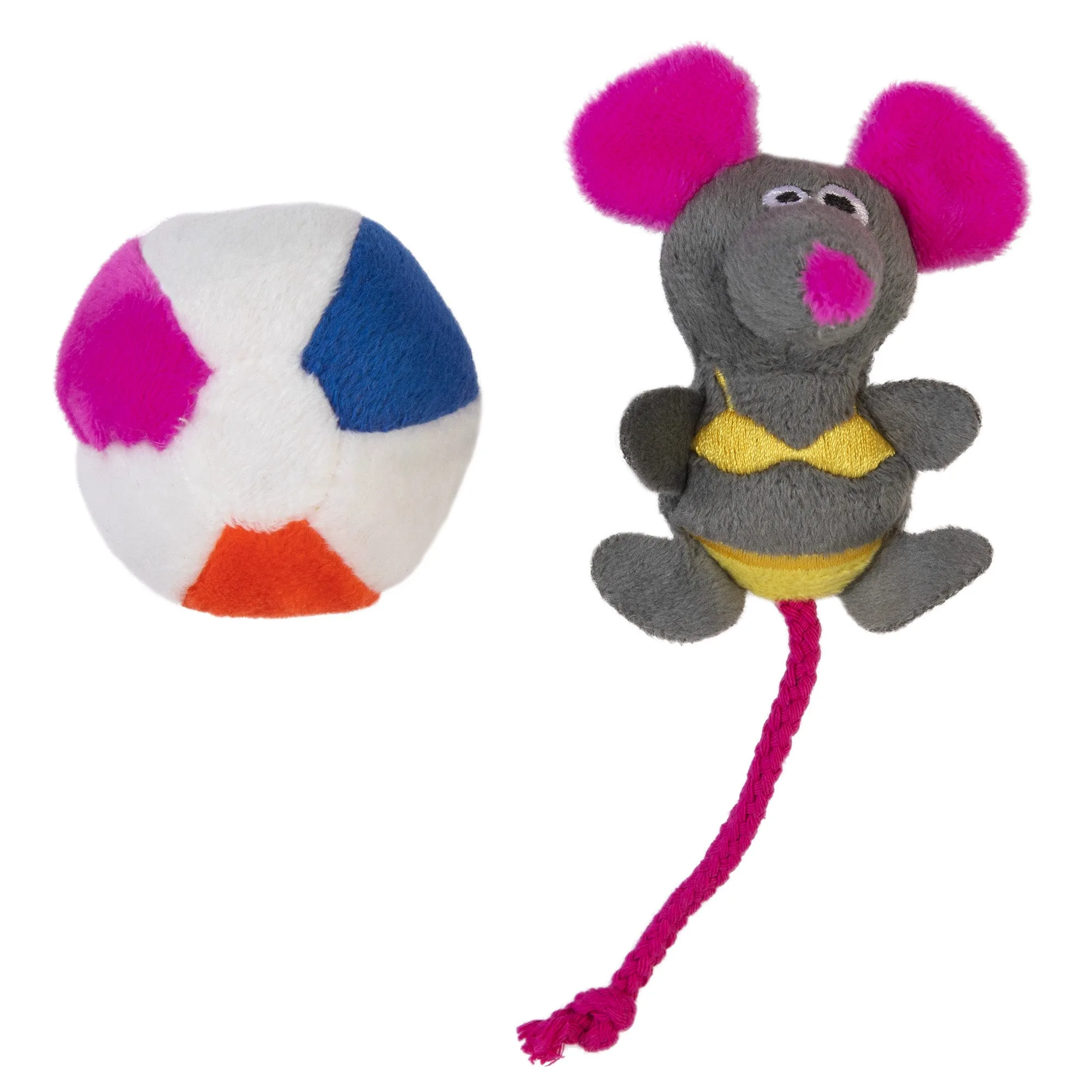
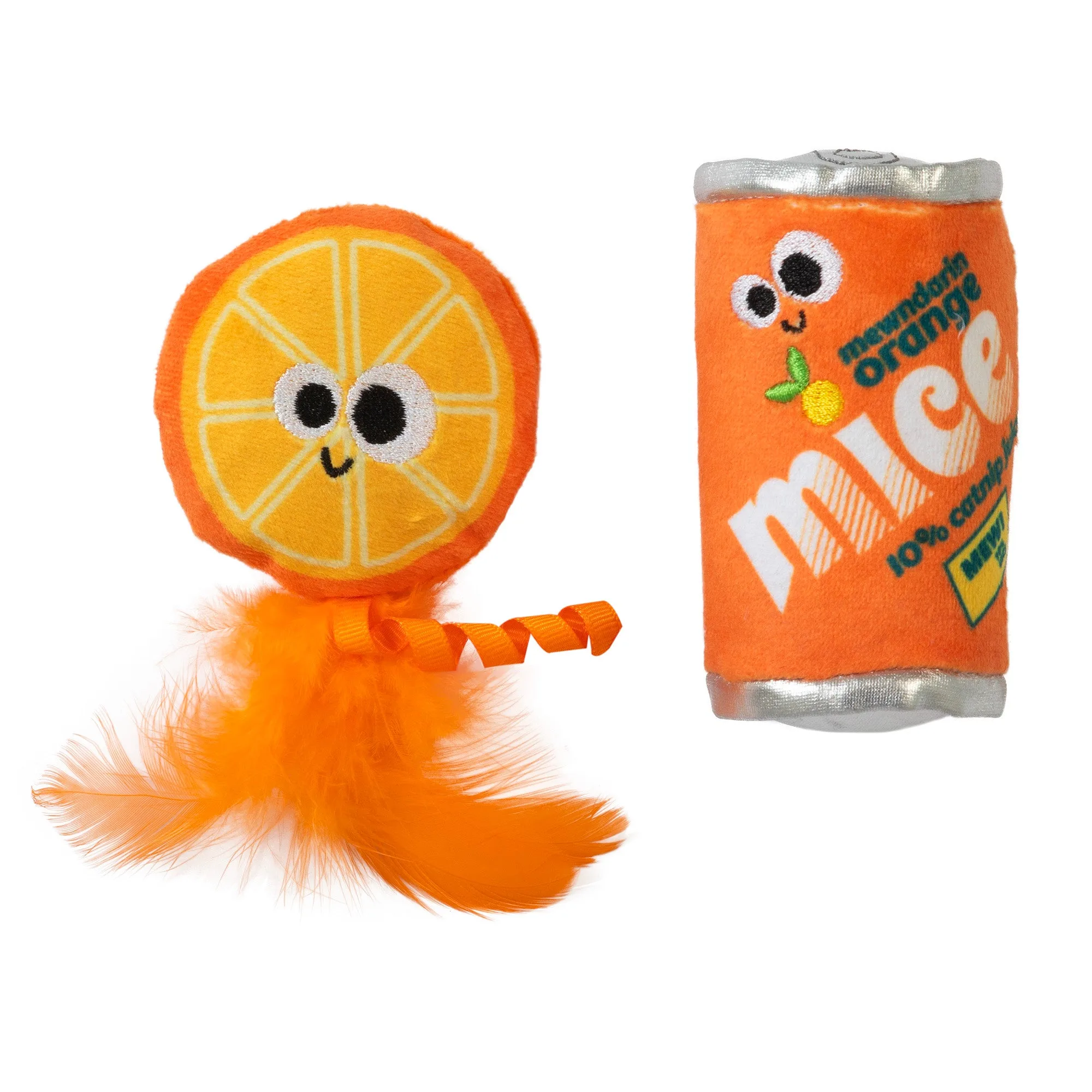
- Mad Cat Orange Mice Soda: Mad Cat Orange Mice Soda toy is filled with a blend of catnip and silvervine plus a crinkle for sound. Redirecting your cat's energy to a toy after box use can reduce post-litter zoomies that fling granules across the room.