Quick answer
Check the size and cuff first: most socks slide down because the cuff has lost its stretch or the sock is too large for your foot. If the cuff is still firm, the problem is usually shoe volume or sock height — a low-cut liner in a deep shoe, for example. Replace stretched socks, size down if you're between sizes, and match sock height to your shoe before trying anything else.
Socks that slide down are annoying for one simple reason: the fix is usually obvious once you know which part of the fit is failing. A sock that bunches at your arch is a different problem from a sock that disappears under your heel, and each has a different solution.
This guide separates the symptom from the cause so you can stop guessing. Work through the checks in order — size, cuff condition, shoe volume, and height — and you'll usually find the answer before you need to buy anything new.
Start with size, not with the sock itself
A sock that is too large has extra fabric to move around, and gravity will find it. If your heel seam sits above your actual heel or the toe has slack, the sock is too big. Sizing down is often the fastest fix, especially if you're between sizes and chose the larger one.
Size also interacts with shoe fit. A roomy shoe lets the foot slide forward, which drags the sock with it. Before you blame the sock, lace your shoes a little tighter across the midfoot and see whether the slipping stops.
- Check the heel seam: it should sit at your heel, not above it.
- If you're between sizes, size down for a closer fit.
- Tighten midfoot lacing before replacing the sock.
Check whether the cuff has stretched out
Elastic cuffs wear out. Heat, repeated stretching, and fabric softener all speed this up. A simple test: pinch the cuff between two fingers and pull gently. If it opens easily and doesn't snap back, the elastic is done and no amount of adjusting will keep it up.
This is the point where you should stop troubleshooting and replace the pair. Worn cuffs are not a fit problem you can solve — they're a lifespan problem. Rotate newer socks into heavy-use days and retire the stretched ones.
- Pull the cuff: it should resist and spring back.
- Skip fabric softener on elastic socks.
- Replace rather than repair once the cuff is slack.
Match sock height to your shoe
A low-cut liner in a deep shoe has nothing to grip, so it rolls under your heel. A crew sock in a shallow slip-on can bunch at the ankle. Height and shoe volume need to match, and this is the most common cause of socks slipping in shoes when the size is otherwise correct.
If you wear deep sneakers or boots, choose a height that clears the collar of the shoe. If you wear low-profile shoes and want an invisible look, accept that the sock must be cut specifically for that purpose and fit snugly at the heel.
- Deep shoe: choose a higher sock that clears the collar.
- Low shoe: use a liner cut designed for that shoe.
- Avoid mixing heights across your rotation.
When the problem isn't the sock at all
Sometimes the sock is fine and the shoe is the issue. A stretched-out shoe, a worn insole, or a slippery lining lets the foot move more than it should, and the sock follows. If you've replaced the socks and sized correctly, look at the shoe.
This is the stopping point: if a new, correctly sized sock still slides in the same shoe, the shoe is the variable. Try an insole or a different pair of shoes before buying more socks.
- Test the same socks in a different shoe.
- A worn insole increases foot movement.
- If the shoe is the cause, change the shoe, not the sock.
Diagnose your slipping socks
- Sock bunches at the arch: The sock is too long or too large for your foot, so excess fabric collects in the middle. Size down or switch to a shorter cut.
- Heel disappears under your foot: The cuff has lost elasticity or the sock height is too low for the shoe. Replace the pair or move to a higher cut.
- Sock slides only in one pair of shoes: Shoe volume or a worn insole is letting your foot move more than the sock can follow. Fix the shoe fit before buying new socks.
- New socks slide immediately: The size is wrong for your foot, not the shoe. Recheck your size against the sock's own chart.
Sock-friendly HOM picks worth knowing
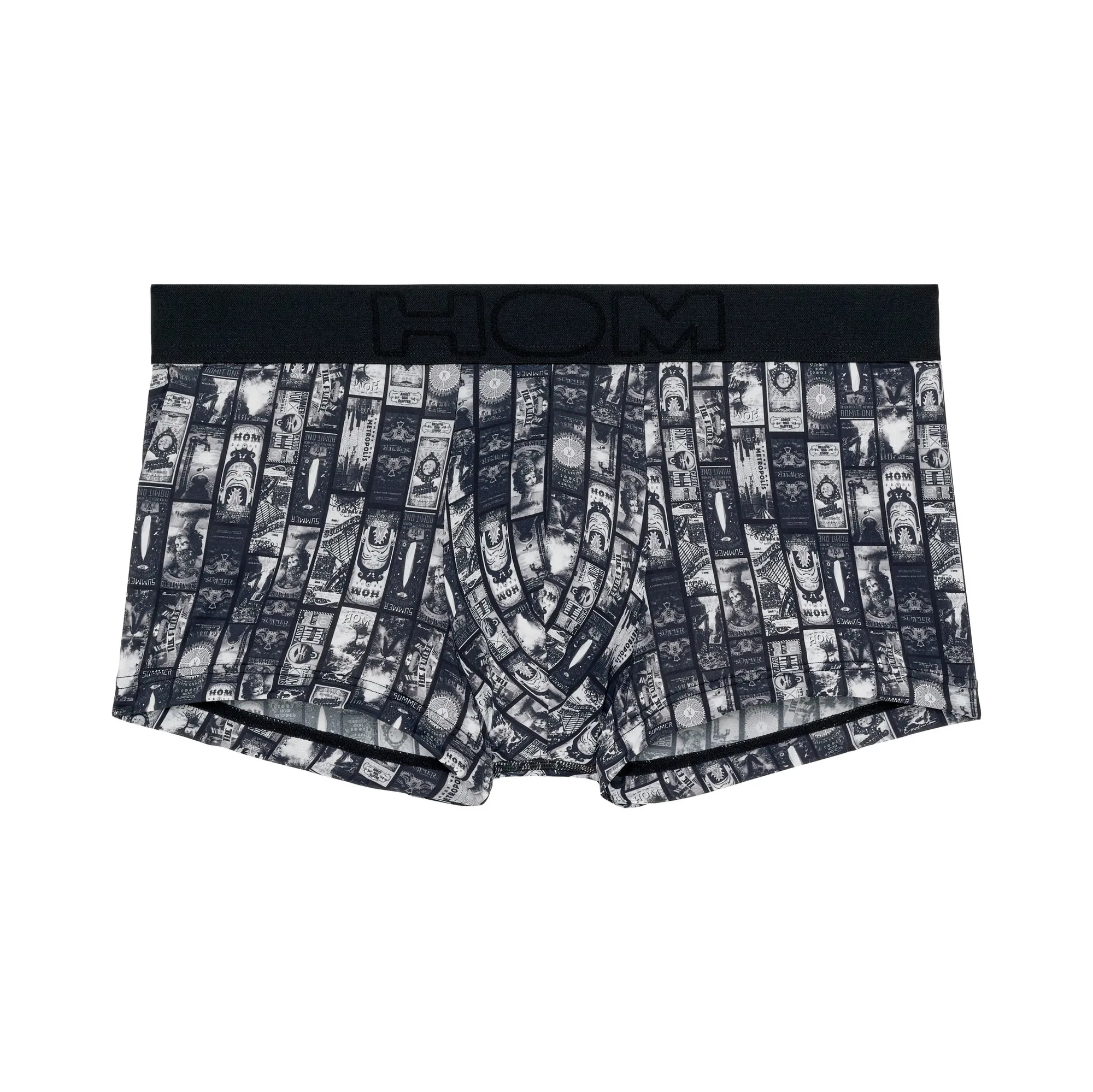
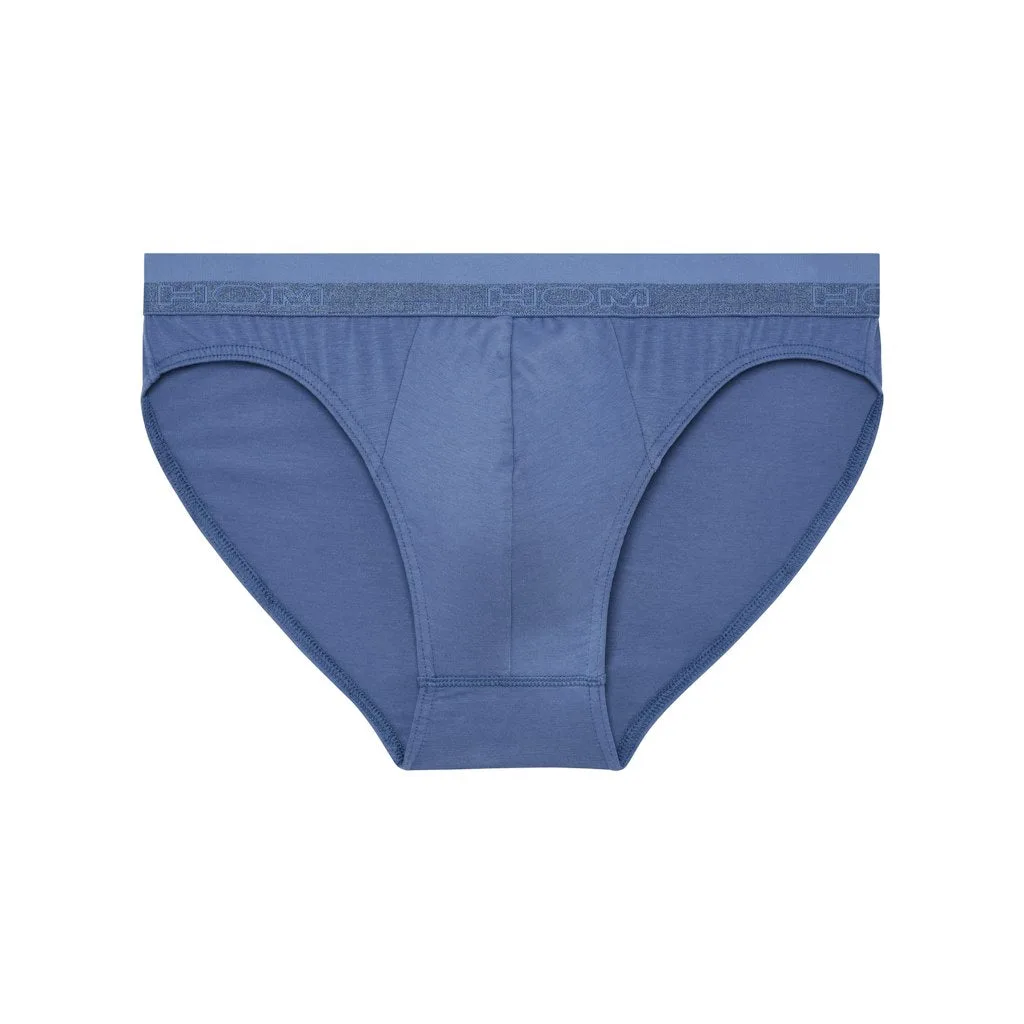
- Rockcity Trunk | Dark Grey Print 402964-P284: Made from polyamide and elastane microfiber with a fresh, soft, silky fabric designed for comfort, support, and breathability. A smooth, low-bulk layer under socks and trousers reduces friction at the ankle, so socks are less likely to be dragged down as you walk.
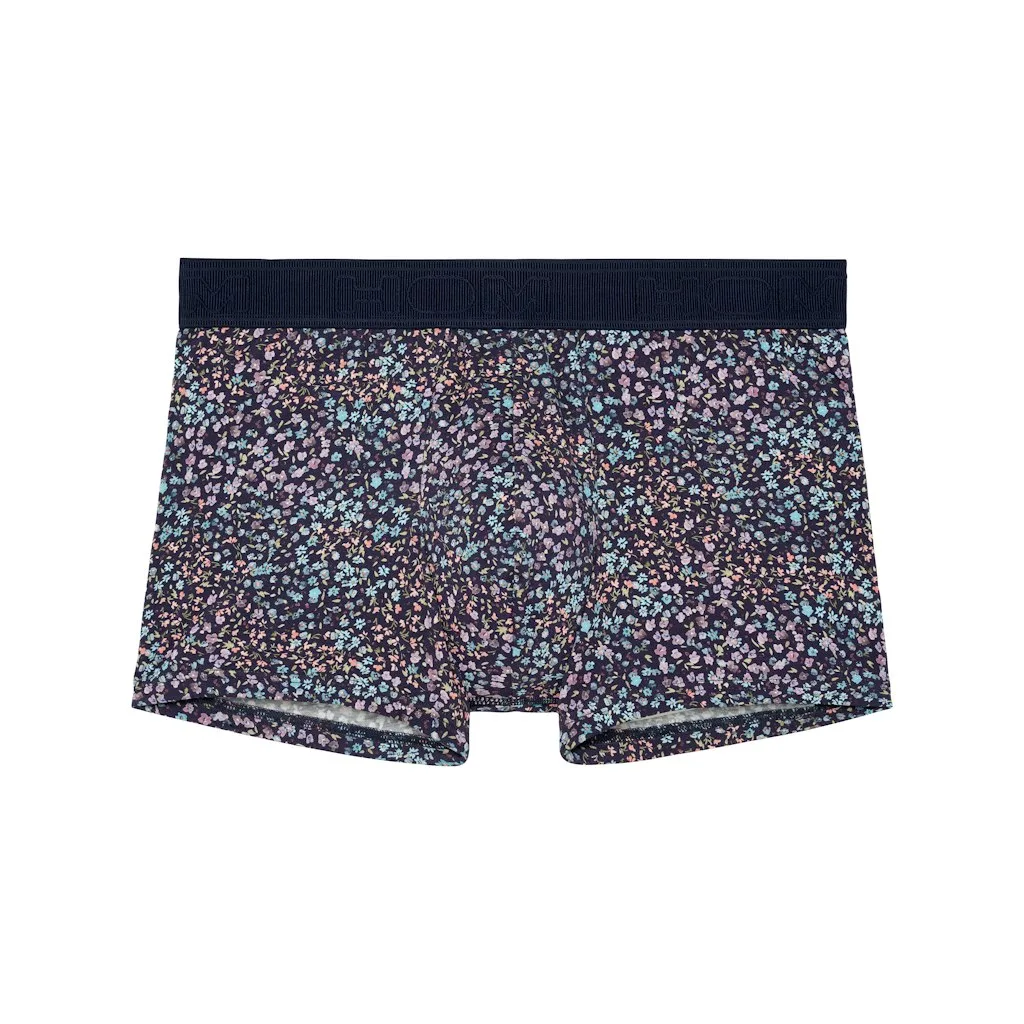
- Vineyard Boxer Briefs | Navy Print 403128-I0RA: Cotton and modal boxer briefs with support elastic at the front and an anti-ride leg hem. Anti-ride leg hems keep the underwear in place, which means less fabric shifting against your socks and shoes throughout the day.
Work through size, cuff condition, shoe volume, and height in that order. Most socks sliding down come down to one of those four, and once you've ruled out the sock, you'll know whether to replace it or change the shoe.