Quick answer
Most socks slide down because the sock is too big, the cuff has lost its stretch, or the shoe's lining is gripping and dragging the sock as your heel moves. Check the size first, then the elastic, then the shoe. If the cuff is stretched out or the sock is more than a year old, replace it rather than trying to fix it.
You pull your socks up, walk ten steps, and they're bunched under your arch again. It's a small annoyance that can ruin a whole day of errands or a long shift on your feet. The good news is that sock slippage is almost always one of three fixable problems, and you can usually diagnose it in under a minute.
This guide walks through the symptom, the likely cause, and the corrective action for each scenario, so you can stop guessing and either fix the socks you own or buy a pair that stays put.
Start with the size, not the sock
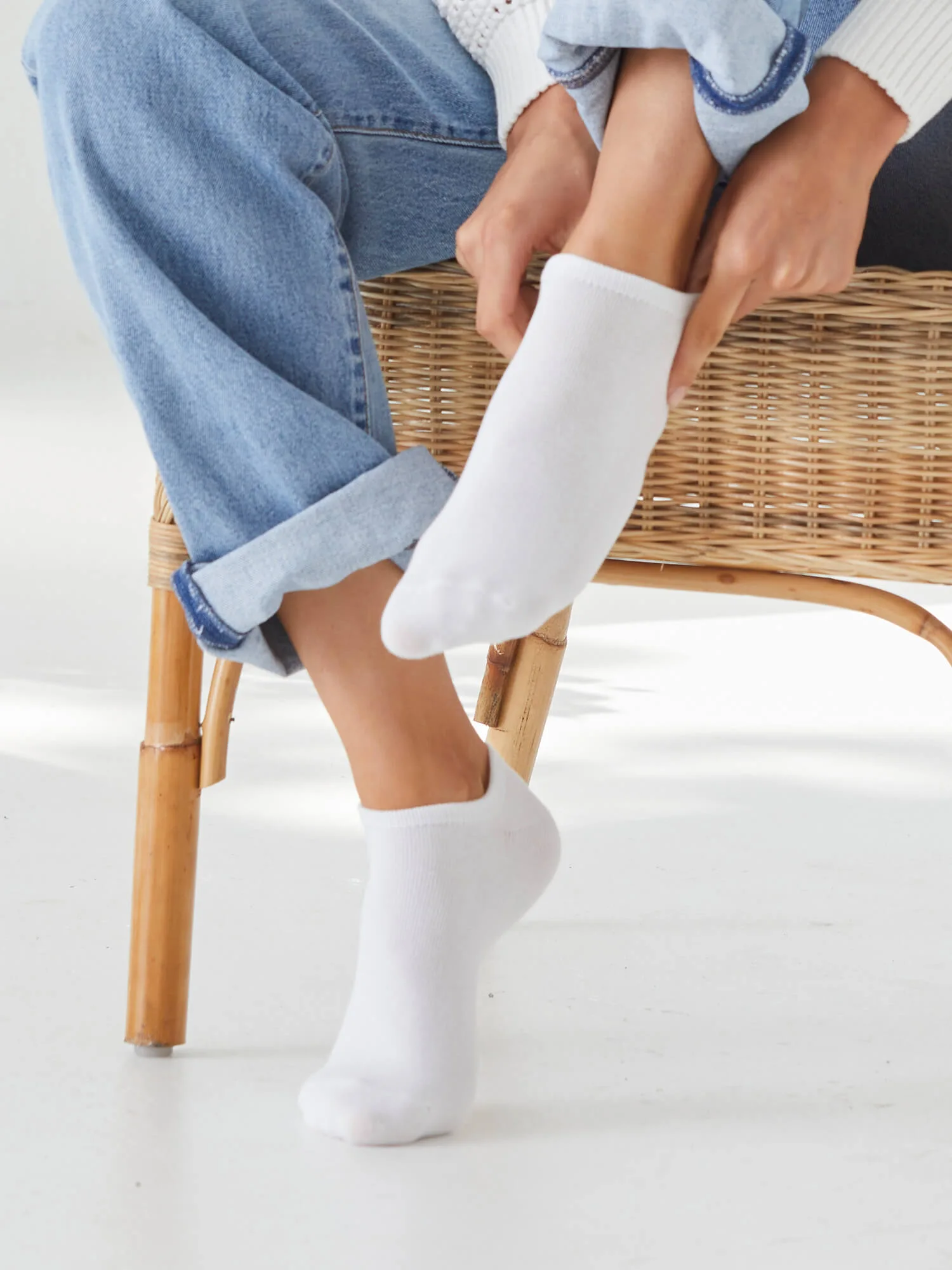
A sock that's too large has extra fabric to bunch up, and no amount of tugging will keep it in place. Check the sock against your shoe size. The https://kayserlingeriepkj.com/products/3-pack-ladies-low-cut-socks-white-90800a15443466bb2e93706c-13448033 Pack Ladies Low Cut Socks, for example, are made in one size that fits ladies' shoe sizes 2-8. If you're outside that range, or if the sock feels loose around the heel and arch, size is your first suspect.
Socks that fit correctly should feel snug but not tight across the top of the foot, with the heel cup sitting exactly where your heel is. If the heel seam sits halfway up your ankle or halfway down your arch, the sock is too big and will keep sliding no matter what you do.
- Check the sock's stated size range against your shoe size before anything else.
- Pull the sock so the heel cup sits on your heel, not behind it or under your arch.
- If the heel cup won't stay put when you stand, the sock is the wrong size.
Check the cuff and the elastic
Elastic stretches out over time, especially if you dry socks in a hot dryer. A cuff that used to grip your ankle can become loose enough that the sock slides down inside the shoe. Test it by stretching the cuff gently and letting go: it should snap back to its original shape. If it stays stretched, the elastic is done.
This is also why cheap socks with thin, narrow cuffs tend to fail faster than socks with a wider, denser band. If your socks are more than a year old and the cuffs feel floppy, replacement is the practical fix. You can't restore dead elastic with a hack.
- Stretch the cuff and release it. If it doesn't spring back, the sock is worn out.
- Wash socks inside out in cold water and air dry to slow elastic breakdown.
- Retire socks with visible thin spots or a cuff that stays stretched.
Look at the shoe, not just the sock
Some shoes are harder on socks than others. Slip-on styles, loafers, and shoes with a rough or sticky lining create friction against the sock as your heel lifts and lands. That friction drags the sock down, especially if the shoe is slightly too big or you're wearing it without laces tightened properly.
If the same socks stay up in your trainers but slide in one particular pair of shoes, the shoe is the variable. Try tightening laces, adding a thin insole to reduce heel movement, or choosing a sock with a slightly higher cut that sits above the shoe's collar rather than rubbing against it.
- Test the same socks in two different shoes to isolate whether the shoe is the problem.
- Tighten laces or add an insole to reduce heel slip inside the shoe.
- For slip-on shoes, a higher-cut sock often stays put better than a low-cut one.
When a low-cut sock is the right call
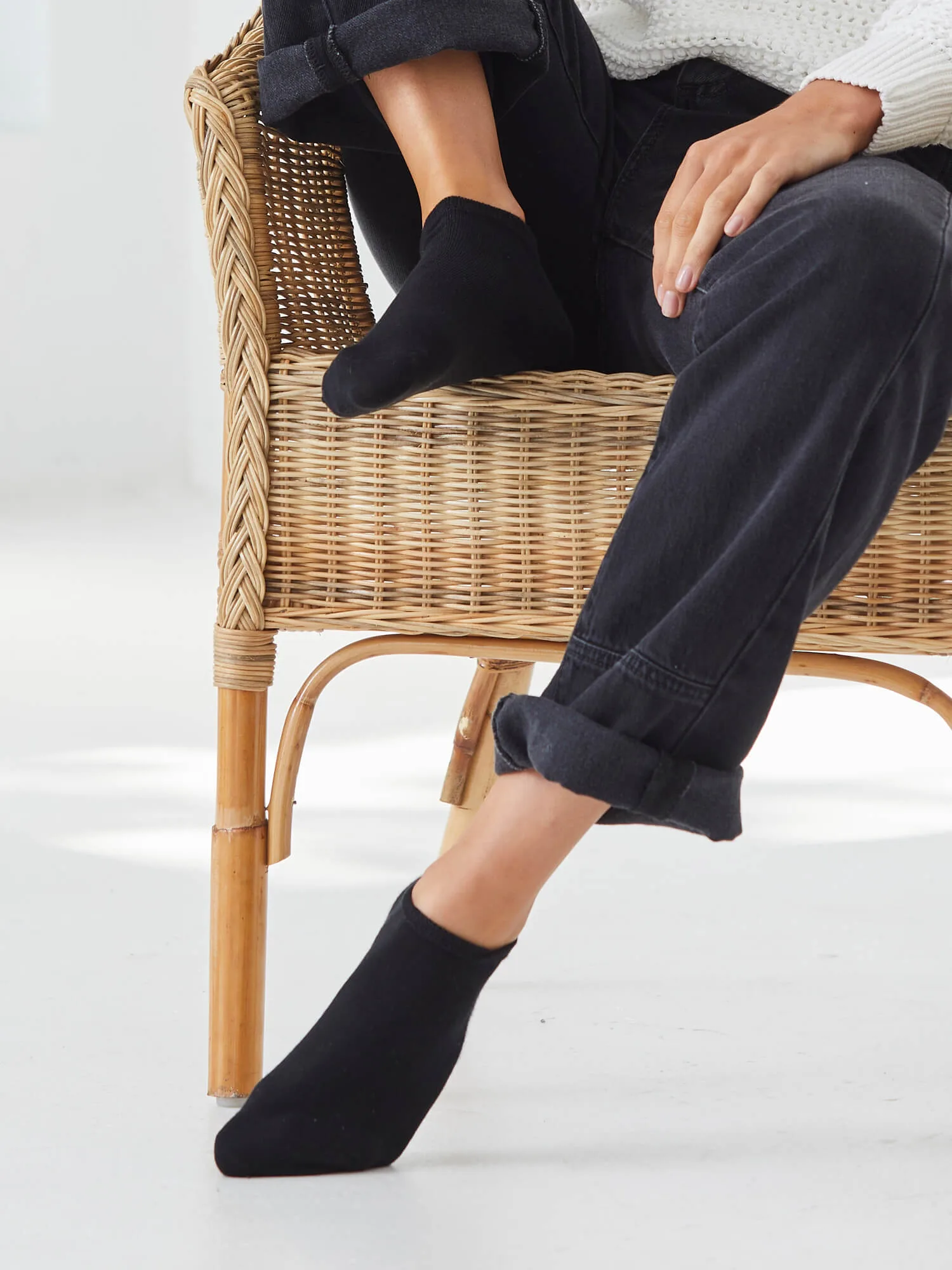
If your socks slide down because they're too tall for your shoes and the collar keeps pushing them down, a low-cut style can solve the problem outright. Low-cut socks sit below the shoe's collar, so there's no fabric for the shoe to grab and drag. The 3 Pack Ladies Low Cut Socks are designed for exactly this, with a bamboo blend that feels soft and luxurious on the foot and a three-pack format for value.
The trade-off is coverage: low-cut socks won't protect your ankle from rubbing, and they're not the right choice for boots or high-top trainers where you want cushioning around the ankle. If you need ankle coverage, a higher cut is the better option, and you'll need to manage the shoe friction instead.
- Choose low-cut socks for trainers, sneakers, and shoes with a low collar.
- Skip low-cut socks for boots or high-tops where ankle coverage matters.
- A three-pack lets you rotate pairs so elastic has time to recover between wears.
Quick fixes that actually work
If you need a fix right now and replacement isn't an option, a few practical adjustments can get you through the day. Make sure the sock is pulled fully up before you put the shoe on, with no folds at the heel. Folds create a starting point for the sock to bunch and slide.
You can also try wearing the sock over a thin liner sock, which adds friction between layers and reduces movement against the shoe. This works well for hiking or long walks, but it can feel bulky in tight-fitting shoes. If the sock is genuinely too big or the elastic is dead, these fixes buy time but won't solve the problem permanently.
- Pull the sock smooth before putting the shoe on; folds speed up sliding.
- A thin liner sock underneath adds friction and reduces slippage.
- These fixes are temporary. Replace worn socks rather than relying on them long-term.
Sock slippage diagnosis
- Sock bunches at the arch or heel: The sock is likely too large for your foot. Check the stated size range against your shoe size and make sure the heel cup sits on your heel, not behind it. If the heel cup won't stay in place when you stand, size down or switch to a sock within your size range.
- Cuff feels loose and doesn't snap back: The elastic has stretched out, usually from age or hot drying. Stretch the cuff gently and release it; if it stays stretched, the sock is worn out. Replace the sock. There's no reliable fix for dead elastic.
- Socks stay up in some shoes but not others: The shoe is the variable. Rough linings, loose laces, or a slightly too-big fit create friction that drags the sock down as your heel moves. Tighten laces, add an insole, or choose a sock cut that sits above the shoe collar instead of rubbing against it.
- Sock is the right size and elastic is fine, but it still slides: The shoe's collar may be pushing a taller sock down, or the sock's cut is wrong for the shoe style. A low-cut sock sits below the collar and avoids the problem. If you wear low-collared shoes most days, switch to a low-cut style. If you need ankle coverage, accept that you'll need to manage shoe friction instead.
Product facts that matter for sock fit
- 3 Pack Ladies Low Cut Socks: Low cut, 3 pack, bamboo blend, one size fits ladies' shoe sizes 2-8. The low-cut design sits below the shoe collar, so there's less fabric for the shoe to grab and drag down. The size range is specific, so check it against your shoe size before buying.
- 2 Pack Daily Essentials Stretch Lace & Cotton Hi-Cut (219): Hi-cut brief with a stretch cotton body and lace front, sits higher on the waist and leg line. Not a sock, but a useful reminder that fit ranges matter across the board. If you're already checking sizes for socks, it's worth checking your knicker size at the same time.
Socks sliding down is usually a size, elastic, or shoe problem, not a mystery. Check the fit first, replace stretched cuffs, and match the sock cut to your shoe. If you want a low-cut option that stays below the collar, the 3 Pack Ladies Low Cut Socks are worth considering for ladies' shoe sizes 2-8.