Quick Answer
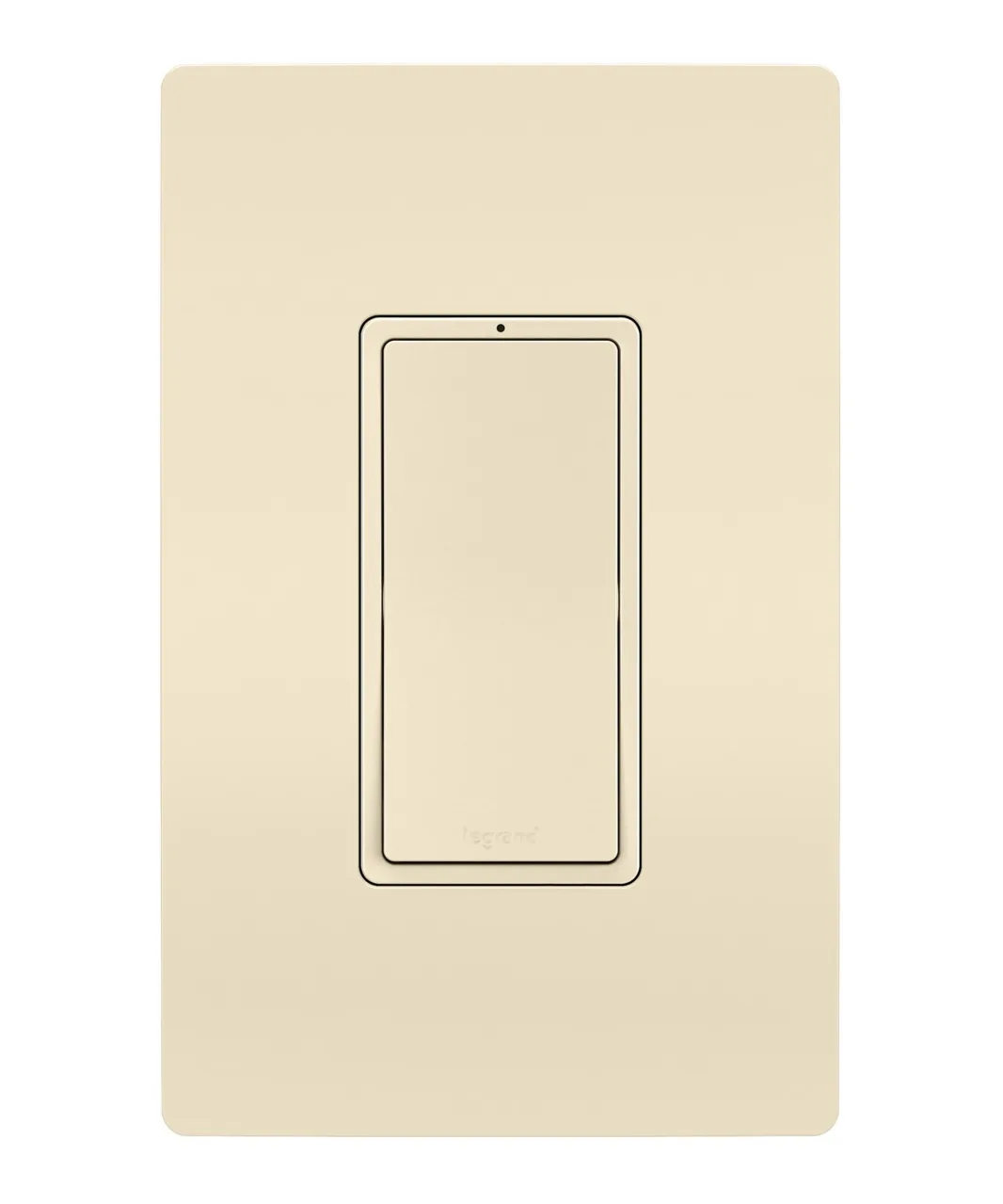
A USB outlet that feels slightly warm during fast charging is usually normal, but heat you cannot comfortably hold your hand against is a warning sign. Unplug the device, turn off power at the breaker if the outlet is discolored or smells hot, and stop using it until you confirm the cause. If the outlet itself is hot rather than just the plug, replace it with a properly rated, tamper-resistant USB outlet such as the Legrand Spec Grade 30W USB Outlet.
A USB outlet that warms up while charging your phone is doing exactly what it was designed to do. Power conversion creates some heat, and fast charging pushes more current through the same small space. The line between normal warmth and a real problem is narrower than most people expect, and knowing where it sits protects both your devices and your wiring.
This guide separates the symptom you notice from the cause behind it, then gives you a corrective action and a clear stopping point. You will also see which outlet ratings and features reduce heat risk, so you can decide whether to keep, adjust, or replace what is already on your wall.
Normal Warmth vs. a USB Outlet Hot to Touch
Most USB outlets run a few degrees above room temperature during active charging. That is expected, because the outlet converts AC power to the DC your phone or tablet needs, and some energy is lost as heat. A plug that feels mildly warm after an hour of charging is generally within normal behavior, especially with fast charging.
The concern starts when the outlet face plate, not just the plug, becomes hot to touch. If you cannot rest your hand on it for a few seconds, or if you notice a sharp smell, discoloration, or a buzzing sound, treat it as a fault rather than normal operation. Those symptoms point to resistance, overload, or a failing internal component, and none of them improve on their own.
- Warm plug: usually normal during fast charging.
- Warm outlet face: investigate before charging again.
- Hot, discolored, or smelly outlet: stop using it and cut power at the breaker.
Common Causes of USB Outlet Overheating
Loose wiring is the most frequent culprit. A backstab connection or a terminal screw that was never fully tightened creates resistance at the contact point, and resistance turns directly into heat. This is why an outlet can feel fine for months and then start warming up after a heavy charging load. If the outlet is old or was installed quickly, loose terminations are the first thing a qualified electrician should check.
Overloading is the second cause. Plugging a high-draw device into a circuit that already carries a space heater, microwave, or hair dryer pushes the branch circuit toward its limit. The outlet is rated for a specific amperage, and exceeding it raises temperature across the whole device. A third cause is simply a low-quality or aging outlet whose internal components were never built for repeated fast charging.
- Check for loose terminal screws or backstab connections.
- Move high-draw appliances to a different circuit.
- Replace outlets that are old, damaged, or not rated for the load.
Corrective Actions You Can Take Today
Start by unplugging everything from the outlet and letting it cool completely. If the outlet is warm but not hot and shows no damage, plug in one device at a time and feel the outlet every few minutes. If heat returns with a single phone, the outlet is the problem. If heat only appears when multiple devices charge at once, you are likely overloading the circuit.
When the outlet is the issue, replacing it with a modern, tamper-resistant USB outlet is the most reliable fix. Choose a model whose amperage and wattage match your charging habits, and have it installed with tight, secure terminations. If you are not comfortable working inside a electrical box, hire a licensed electrician. The cost of a replacement outlet is far lower than the cost of a fire.
- Test with one device at a time to isolate the cause.
- Confirm the circuit can handle the combined load.
- Upgrade to a USB outlet rated for the charging speed you actually use.
Fast Charging Outlet Safety: Matching the Outlet to the Job
Fast charging works by delivering more power over the same cable, and that power has to pass through the outlet's internal circuitry. An outlet rated for higher wattage and amperage handles that load with more headroom, which generally means less heat stress during long charging sessions. A 15W outlet charging a single phone is working comfortably; the same outlet trying to fast charge a tablet and a phone at once is closer to its limit.
For households that charge multiple devices daily, a 30W Power Delivery outlet is a better match than a basic 15W model. Power Delivery negotiates the right voltage and current with the device, so the outlet is not pushing maximum output when the device does not need it. That negotiation reduces unnecessary heat and is one reason modern USB-C outlets stay cooler than older fixed-output designs.
- Match outlet wattage to the number and type of devices you charge.
- USB-C with Power Delivery adjusts output to the device.
- Avoid daisy-chaining power strips on a circuit that already runs warm.
Outdoor and Damp-Location Charging
Heat problems get worse outdoors, where sun, humidity, and dust all raise the operating temperature of an outlet. A standard indoor USB outlet installed on a porch or patio is not built for that environment, and moisture combined with heat accelerates corrosion inside the device. If you charge devices outside, use an outlet rated for the location and protect it with a proper while-in-use cover.
A weather-resistant USB outlet outdoor charging setup should also be on a GFCI-protected circuit. GFCI protection addresses ground faults, which become more likely when water is present, while the weather-resistant rating addresses the enclosure and internal materials. Together they reduce the chance that a warm outlet becomes a dangerous one.
- Use a weather-resistant outlet with a while-in-use cover outdoors.
- Confirm GFCI protection on any outdoor charging circuit.
- Check outdoor outlets more often for heat, corrosion, and insect nests.
When a USB Outlet Is Not Charging Your Phone
Sometimes the symptom is not heat at all but a phone that will not charge. Before assuming the outlet failed, test the cable and the phone on another known-good charger. Cables fail far more often than outlets, and a damaged cable can also create resistance that shows up as heat at the plug. If a different cable works, the outlet was never the problem.
If the outlet has power but no device charges on either USB port, the internal charging board has likely failed. That is a replacement situation, not a repair one. Stop using the outlet if it is also warm, and replace it with a model from a reputable line so the next failure, if it happens, is easier to diagnose.
- Swap the cable first, then the device, then the outlet.
- Test both USB ports before condemning the outlet.
- Replace an outlet that is warm and dead rather than continuing to use it.
Symptom, Cause, Action, Stop Point
- Mildly warm plug after charging: Normal power conversion during fast charging, especially with a 15W outlet running at or near its output. No action needed if the outlet face stays cool and there is no smell or discoloration.
- Outlet face hot to touch: Likely loose wiring, a failing internal charging board, or a circuit carrying more load than intended. Unplug devices, cut power at the breaker, and have the outlet inspected or replaced before charging again.
- Heat plus discoloration, smell, or buzzing: Signs of arcing, resistance, or component failure inside the device or at the terminations. Stop using the outlet immediately. Do not reset the breaker and continue charging; call a licensed electrician.
- Outlet works but no device charges: Usually a failed cable or a dead internal USB board rather than a wiring fault. Test another cable and device first. If both USB ports are dead, replace the outlet.
- Outdoor outlet runs hot in sun or humidity: An indoor-rated outlet in a damp location, or one without GFCI protection and a while-in-use cover. Replace with a weather-resistant, GFCI-protected setup, or move charging indoors if the location cannot be protected.
Outlets Built to Handle Fast Charging
- Spec Grade 30W USB Outlet, Type C, 20A, Tamper-Resistant, Brown: This Legrand Spec Grade USB outlet offers a 30W USB Type-C port with Power Delivery, a 20A electrical rating, and a tamper-resistant design. The 30W Power Delivery output and 20A rating give fast-charging devices more headroom, which reduces the heat stress that comes from running a lower-rated outlet near its limit.
- radiant® 15W USB Outlet, Type A/C, 15A, Tamper-Resistant, Graphite: The radiant 15W USB Outlet delivers charging through both Type A and Type C ports with 6 amps of power, and it is rated for 15 amps with a tamper-resistant design. Dual ports and 6 amps of shared output suit households charging a phone and a tablet, but the 15W total means you should expect more warmth when both ports run at once.
- radiant® GFCI USB Outlet, Type A, 15A, Tamper-Resistant, Light Almond: The radiant GFCI USB Outlet combines ground fault protection with a Type A USB charging port in a single tamper-resistant device rated for 15 amps. For kitchens, bathrooms, garages, and outdoor-adjacent locations, combining GFCI protection with USB charging keeps shock protection in place while adding the convenience that often leads people to overload a circuit.
Warmth during fast charging is not automatically a failure, but heat you cannot comfortably touch always deserves a pause. Isolate the cause, correct the load or the wiring, and replace any outlet that shows damage or keeps running hot. Choosing an outlet rated for the charging you actually do is the simplest way to keep temperatures where they belong.