Quick answer
Cut webbing with sharp scissors, then seal the cut end with a brief pass of a lighter flame or a hot knife so the fibers melt together. Fold the sealed end under by about 1/2 inch and stitch it down before attaching hardware. If the strap keeps fraying after that, the webbing itself is the problem, not your technique, and switching to a seamless webbing solves it permanently.
Fraying webbing is one of those problems that looks cosmetic until a strap pulls loose from a buckle mid-use. Most fraying starts at a raw cut end, where the woven edges unravel one thread at a time until the strap narrows enough to slip out of a slider or ring.
The good news is that fraying is almost always preventable with a two-minute finishing step. The better news is that if you are choosing webbing for a new bag, some webbing styles remove the fraying risk entirely. Here is how to tell which situation you are in.
Why webbing frays at the cut end
Webbing is woven, so every cut crosses dozens of individual yarns. Those yarns have nothing holding them once the weave is severed, and nylon and polyester both unravel readily under the repeated flexing a bag strap sees. The fray usually starts small at the very tip, then travels up the strap as the loose threads catch on hardware, pockets, and your hands.
Two things speed this up: dull scissors that crush rather than slice the weave, and leaving the cut end exposed instead of capturing it under a fold or inside hardware. A clean cut plus a sealed or folded end stops the process before it starts.
- Cut with sharp shears in one firm motion; crushing the weave creates instant loose threads.
- Trim at a slight angle if the end will be hidden, straight if it will be folded under hardware.
- Seal immediately after cutting, before the strap touches anything else.
How to heat seal webbing ends
Heat sealing melts the synthetic fibers at the cut so they fuse into a solid edge. Run a lighter flame quickly along the cut edge, staying a couple of inches away and moving constantly. You want the edge to just barely glaze and stop unraveling, not to blacken or drip. Nylon and polyester both respond to this, which is why it works on most bag webbing.
A soldering iron with a flat tip or a hot knife does the same job with more control and no open flame, which is worth considering if you cut webbing in batches. Either way, let the edge cool completely before you handle it, then test by rubbing the end between your fingers. If fibers lift away, give it one more quick pass.
- Work in a ventilated area; melted synthetic fibers give off fumes.
- Keep the flame moving. A stationary flame creates a hard, brittle blob that cracks later.
- Do not heat seal cotton webbing. It chars instead of melting, so fold and stitch those ends instead.
The fold-and-stitch method that outlasts sealing alone
Sealing stops unraveling, but it leaves a thin, stiff edge that can still work loose with heavy use. For straps that will carry real weight, fold the sealed end under by about 1/2 inch and stitch across it with a short stitch length, then attach your hardware through the folded section. The fold doubles the thickness at the stress point and hides the sealed edge inside the layers.
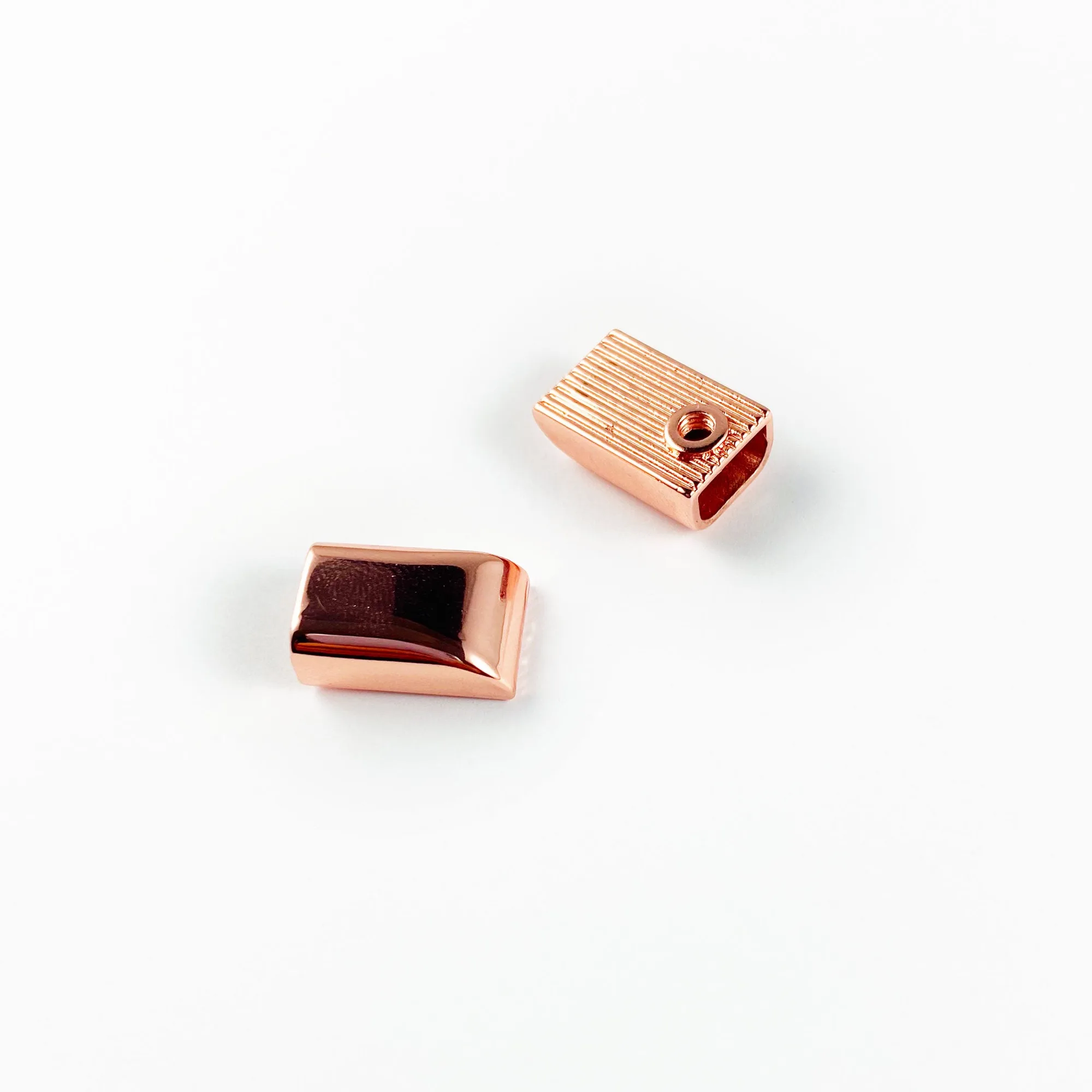
If the strap end will hang loose rather than pass through a buckle, a metal zipper cord end is a cleaner finish than folding. It covers the raw end entirely, so you skip the folding step and get a finished look that matches bag hardware.
- Backstitch at both ends of the fold for extra security.
- Match thread to webbing color so the stitching disappears.
- For adjustable straps, fold and stitch only the end that attaches to the bag, not the sliding end.
When fraying means the webbing is wrong for the job
If a strap frays in the middle rather than at the cut end, or if the surface pills and sheds with normal use, the webbing is abrading against something sharp, or it simply is not durable enough for the load. Check your hardware first: a rough edge on a slider or ring will saw through any webbing over time. Smooth the metal or replace the hardware.
If the hardware is clean and the webbing still sheds, switch materials. Seamless webbing is built without the folded side seams that create bulk and fray points, which makes it a better long-term choice for handles and straps that get handled constantly.
- Inspect hardware for burrs or rough plating before blaming the webbing.
- Mid-strap fraying on a light webbing usually means it is overloaded.
- For a bag you will use daily, choose webbing rated for the strap's actual load, not the lightest option available.
Fraying diagnosis: symptom, cause, fix, and stopping point
- Symptom: threads lifting at the cut end only: The weave is unraveling from a raw edge that was never sealed or folded. This is the most common and most fixable case. Fix: trim cleanly, heat seal the edge, then fold under 1/2 inch and stitch. If it stays put, you are done.
- Symptom: fraying along the middle of the strap: Something is abrading the webbing, usually a rough edge on a slider, ring, or buckle, or the strap is carrying more load than the webbing can handle. Fix: inspect and smooth or replace the hardware first. If the hardware is clean and fraying continues, replace the webbing with a heavier or seamless option.
- Symptom: surface pilling and shedding across the whole strap: The webbing material itself is breaking down under normal use, which no amount of sealing will correct. Stop repairing and switch materials. Choose a seamless nylon webbing for straps that see daily handling, and reserve lighter webbing for decorative or low-load projects.
Webbing options that reduce fraying risk
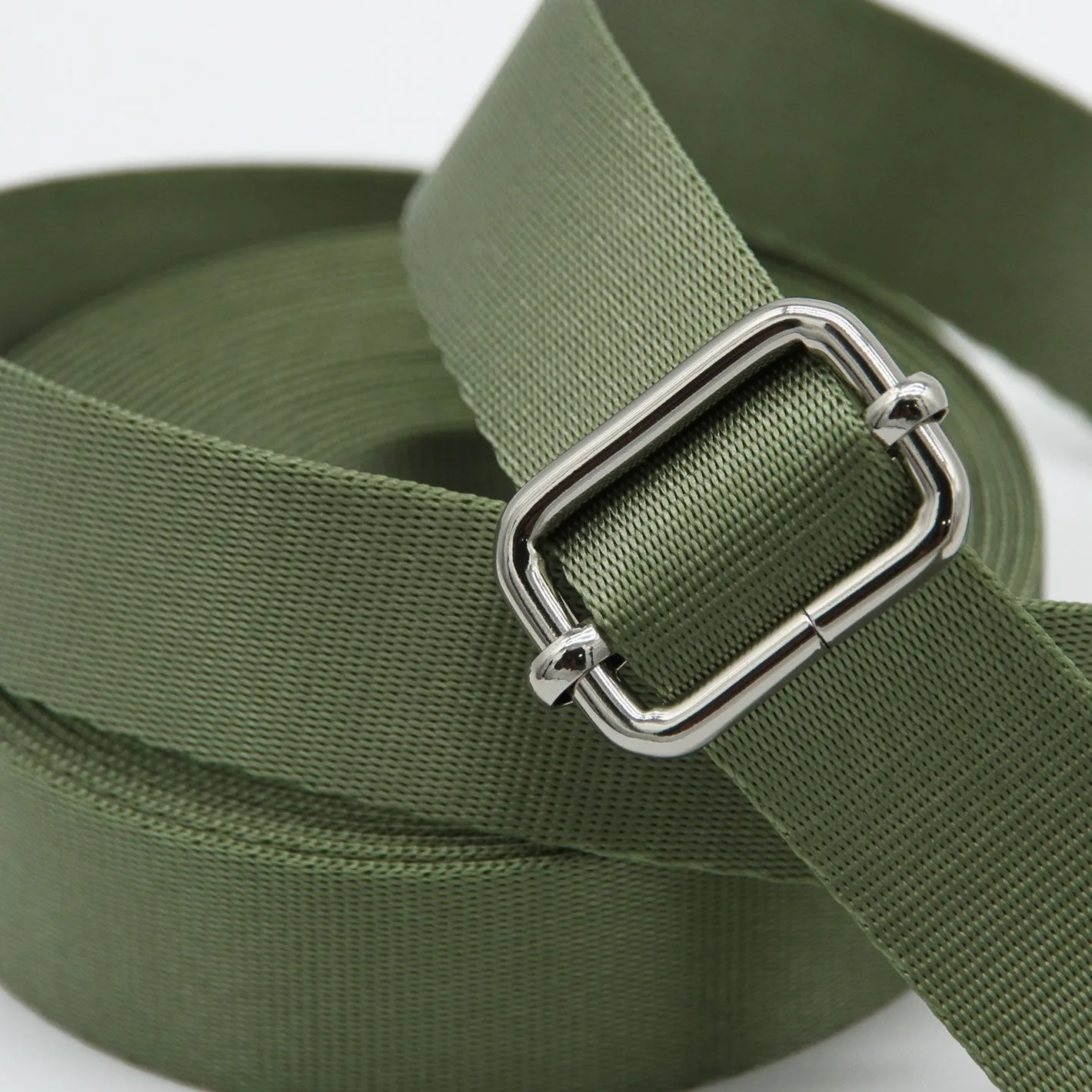
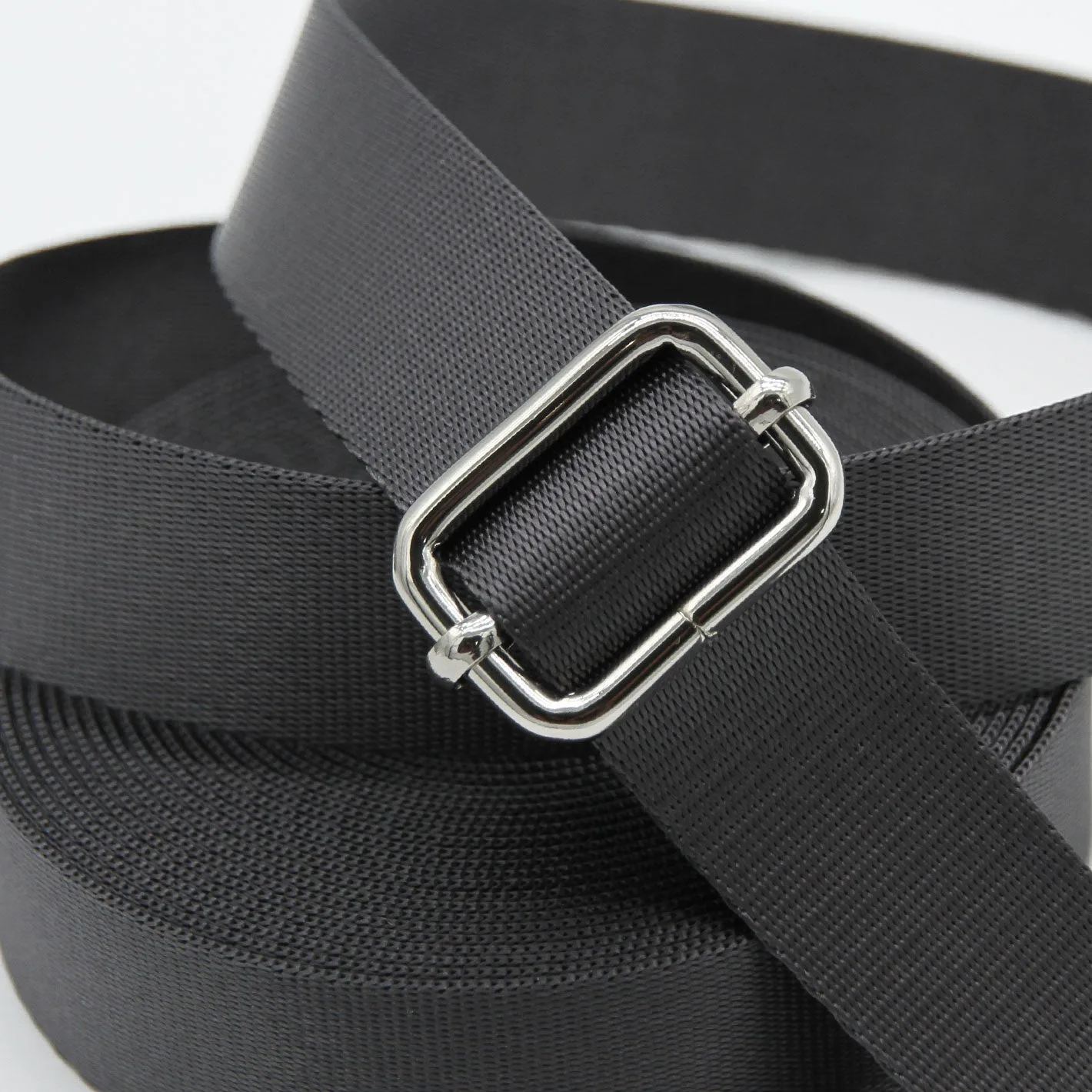
- Moss - Seamless Webbing: Made from premium nylon, it starts crisp to hold its shape and prevent creases, and it is designed to be sewn without fraying, bulky seams, or tricky bi-fold or tri-fold methods. Because there are no folded side seams to unravel, you skip the main fray point on a bag strap. It is a strong choice for handles that will be gripped and flexed daily.
- Cemented In Style - Seamless Webbing: Strong yet soft premium nylon webbing that starts crisp to hold its shape and prevent creases, with no bi-fold or tri-fold wrestling required. A lower-cost entry into seamless webbing if you want to test the material on a pouch or small bag before committing to a larger strap project.
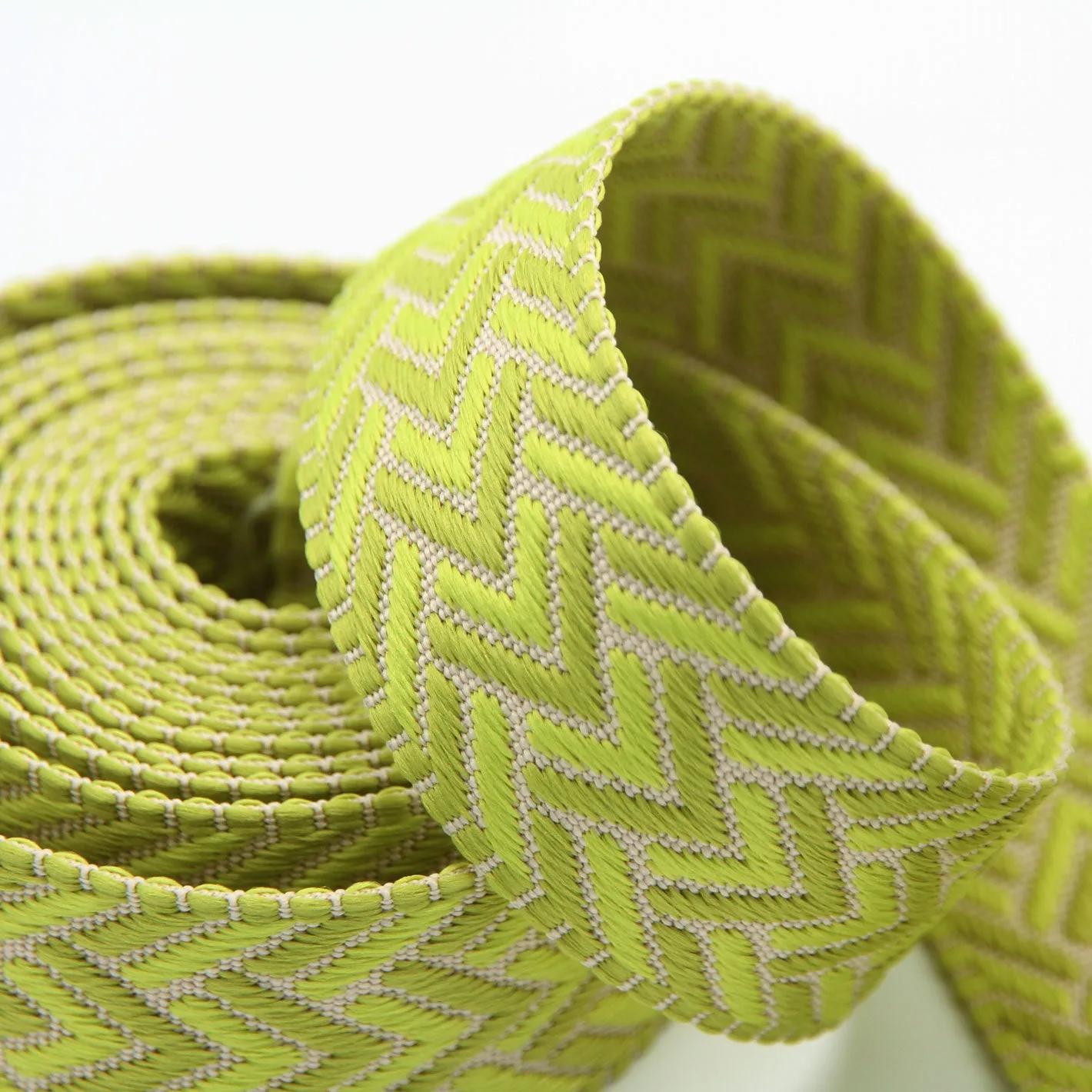
- Tequila Lime - Alpine Jacquard Webbing: Made from supple polyester and designed to feel comfortable and withstand time, it pairs with swivel hooks and adjustable sliders to create eye-catching straps. Polyester jacquard webbing still needs sealed or folded ends, but it is comfortable against the shoulder and holds up to repeated handling, which makes it a good pick for a decorative strap you will actually wear.
- Zipper Cord End (5 pack): Metal zipper cord ends cover the raw end of your zipper or drawstring cord, sold as a set of 5, and you wrap the tape around the coil and insert the end rather than sewing fabric ends. If a strap end hangs loose, this covers the raw cut entirely and removes the fraying surface without any folding or sealing step.
Most webbing fraying is a finishing problem, not a materials problem, and a clean cut plus a sealed, folded end solves it in minutes. When fraying keeps returning despite good technique, treat it as a signal to change the webbing or the hardware rather than to keep patching the same strap.