Quick answer
Stop dog chewing furniture and shoes by matching the fix to the cause: remove access when you cannot supervise, redirect to an appropriate chew, and apply a deterrent only to the specific items you want the dog to avoid. If the chewing is sudden, destructive, or paired with pacing, drooling, or self-injury, stop home training and call your veterinarian.
Separate the symptom from the trigger before you buy anything
A chewed shoe and a chewed chair leg can look like the same problem, but they usually are not. Puppies explore with their mouths and chew to relieve teething discomfort. Adolescent and adult dogs often chew because they are under-stimulated, over-aroused, or left alone with too much freedom. A third group chews specifically when separated from the owner, and that pattern needs a behavior plan, not a stronger spray.
Before changing tools, write down three things for one week: what was chewed, where it was, and what happened in the 30 minutes before you found it. If the damage clusters around your departure, the issue is likely separation-related. If it clusters after long periods without exercise or enrichment, it is likely boredom. If it clusters during teething months and the dog accepts frozen or textured chews, it is likely developmental.
- Chewing only when alone, plus drooling, pacing, or escape attempts: suspect separation distress, not disobedience.
- Chewing after long alone periods, plus normal behavior when you are home: suspect under-stimulation.
- Chewing that targets one texture, such as leather or wood: suspect a strong preference that management can interrupt.
Corrective action that works in the first two weeks
The fastest progress comes from shrinking the dog's freedom, not from correcting after the fact. Use a crate, pen, or closed room when you cannot watch the dog, and tether the dog to you when you can. This is not punishment; it is a temporary structure that prevents rehearsal. Every unsupervised chew is a repetition you have to undo.
At the same time, give the dog a legal outlet that is more appealing than the furniture. Rotate three to five appropriate chews so novelty stays high, and offer one before the dog gets bored rather than after the damage starts. When you catch the dog mid-chew on something forbidden, interrupt with a neutral sound, hand over the legal chew, and praise the swap. Do not chase, grab, or scold; that often turns the object into a prize worth guarding.
For items you cannot move, such as a sofa corner or a baseboard, a deterrent spray can add an unpleasant taste and smell to the target. Apply it to a small hidden area first to check for staining, then reapply as directed because the effect fades. A deterrent is a layer, not a substitute for supervision and training.
- Manage first: crate, pen, or tether whenever you cannot supervise directly.
- Redirect second: keep a legal chew within arm's reach and reward the swap.
- Deter third: spray only the specific items you want the dog to avoid, and test for staining first.
Why puppy chewing shoes is different from adult dog chewing behavior
Puppies chew shoes because shoes carry your scent, are easy to grab, and sit at mouth level. The fix is partly environmental: put shoes behind a closed door or in a lidded bin, and give the puppy a chew that is more interesting than a sneaker. Puppies also need more frequent potty and nap breaks, and a tired puppy is often a chewing puppy.
Adult dogs that suddenly start chewing shoes after years of no interest deserve a closer look. A new medication, a change in household routine, a new pet, or pain can all shift behavior. If the chewing started within days of a change and the dog otherwise seems unwell, treat it as a health question before a training question.
When to stop and choose a different option
Stop the home plan and get professional help if the dog is injuring itself, breaking teeth, swallowing fabric, or showing panic when left alone. Swallowed fabric and shoe parts can cause a blockage, which is a veterinary emergency, not a training setback. If you have followed management and redirection consistently for two to three weeks with no improvement, or if the behavior is getting worse, a certified behavior consultant or veterinary behaviorist can assess what home training cannot.
Also stop using a deterrent if the dog ignores it, appears distressed by it, or redirects to another destructive behavior. A deterrent that only moves the chewing from the sofa to the curtains has not solved the problem; it has relocated it.
Diagnosis: match the pattern to the next step
- Teething puppy, chews everything at mouth level: Expect mouthing to peak during teething. Offer frozen or textured legal chews, keep shoes and cords out of reach, and supervise. Use a deterrent only on items you cannot move. If the puppy accepts legal chews and settles, stay the course and revisit in two weeks.
- Adolescent or adult dog, chews after long alone periods: Add structured exercise and enrichment before alone time, use a crate or pen, and reward the dog for settling with a legal chew. This is a dog chewing behavior pattern driven by unmet needs, not defiance. If damage drops within a week, keep the routine; if it does not, increase enrichment or get a trainer.
- Dog only chews when left alone, and shows distress: This is likely separation-related. Do not rely on a deterrent spray. Video the dog, remove access to dangerous items, and contact a certified behavior consultant or your veterinarian. Stop home-only fixes and seek professional assessment.
- Dog ignores the deterrent and switches to a new target: The deterrent is not addressing the cause. Recheck supervision, exercise, and enrichment, and confirm the dog is not chewing from anxiety or pain. Stop layering deterrents and change the plan.
Products that fit this plan
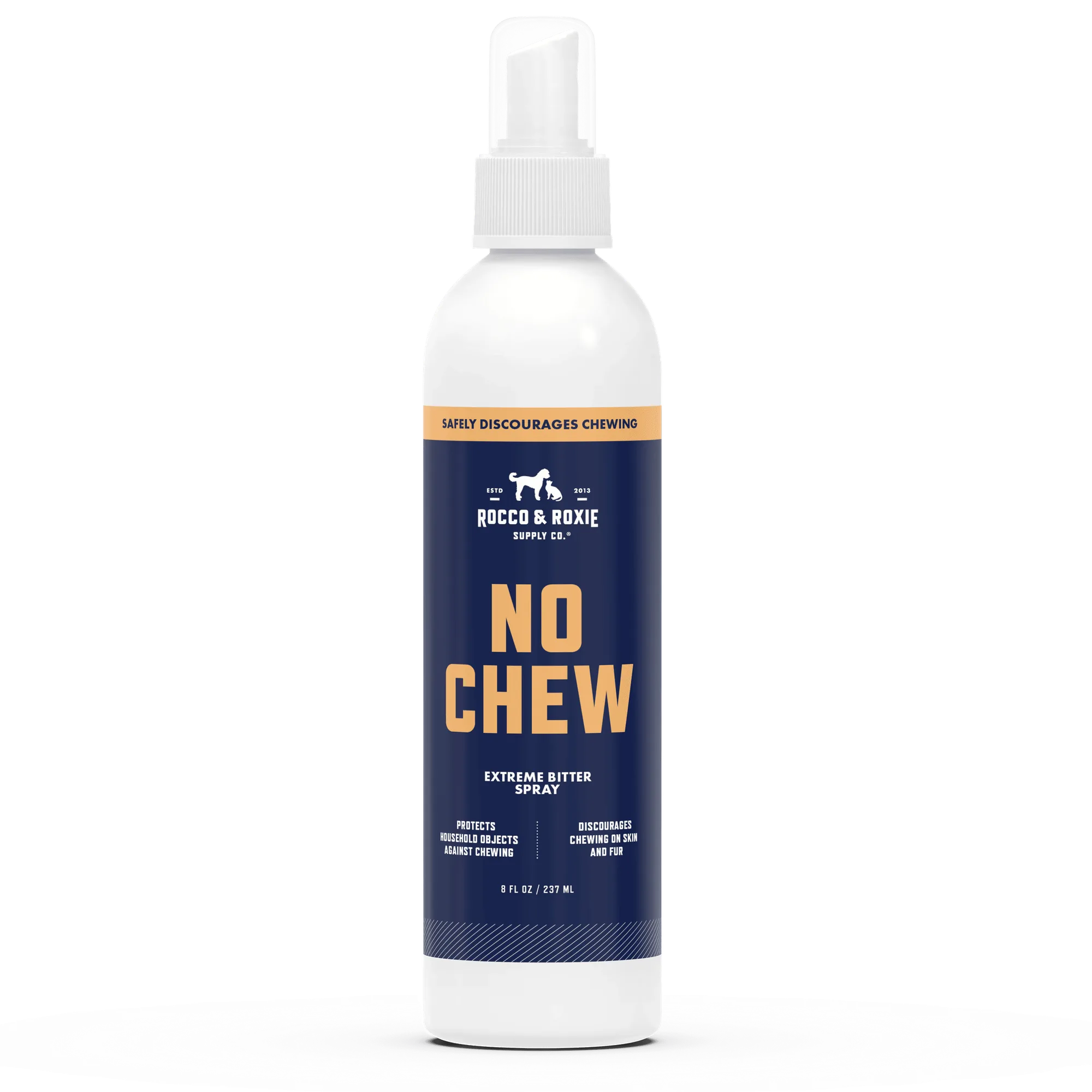
- No Chew Extreme Bitter Spray: No Chew Extreme Bitter Spray is formulated to be twice as bitter and contains calming Copaiba oil. Use it on specific off-limits items such as furniture corners or shoelaces when supervision and redirection are already in place; the extra bitterness is meant to make the target less appealing, not to replace training.
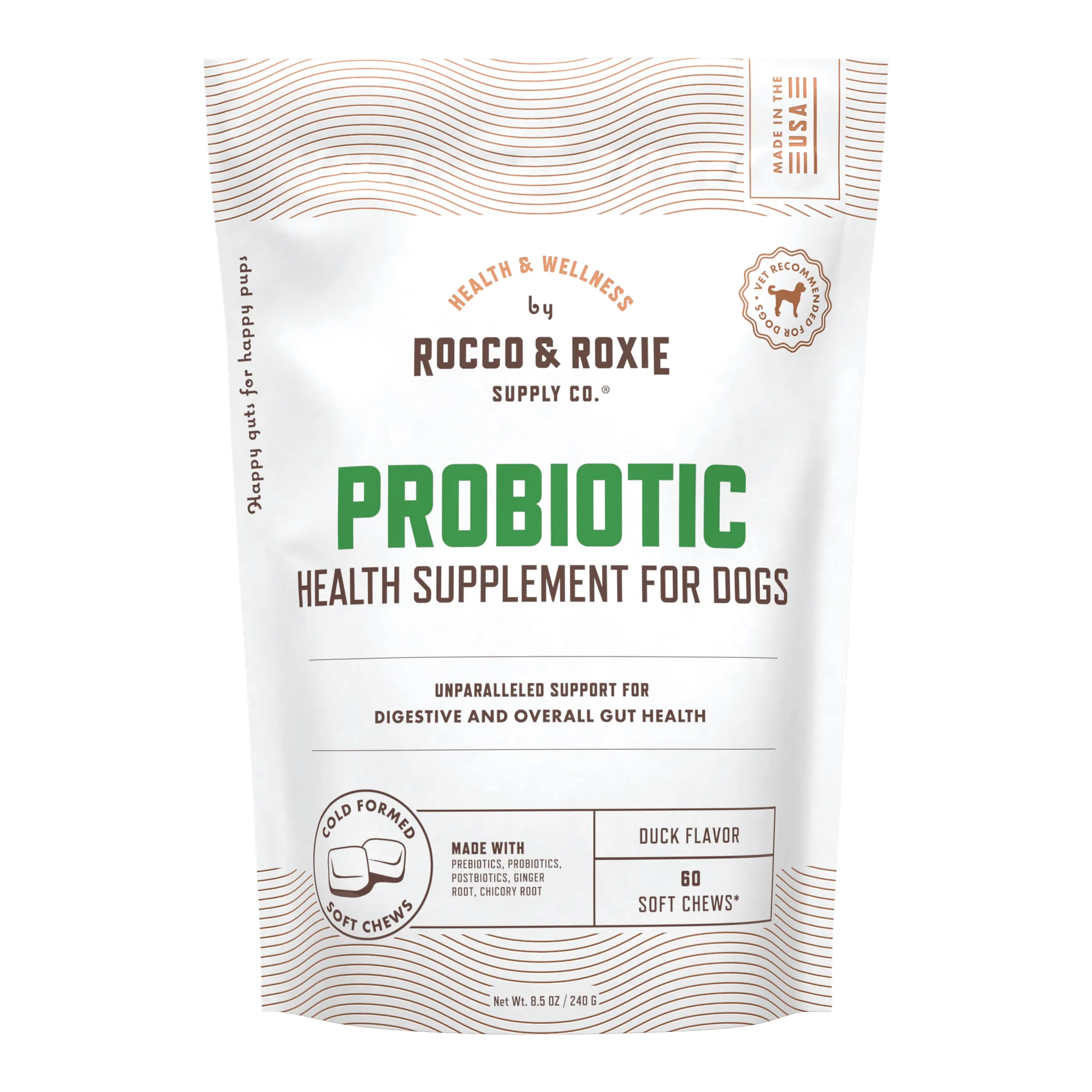
- Rocco & Roxie Probiotic Dog Chew: Rocco & Roxie Probiotic Dog Chew is a soft chew with pre-, pro- and postbiotics, including MICROBUILD, TYNAGEN, and Sporevia, plus chicory root and YEA-SACC OA probiotic. A daily soft chew can serve as a legal, appealing chew outlet during redirection sessions, which matters when you are trying to make the approved chew more interesting than the furniture.
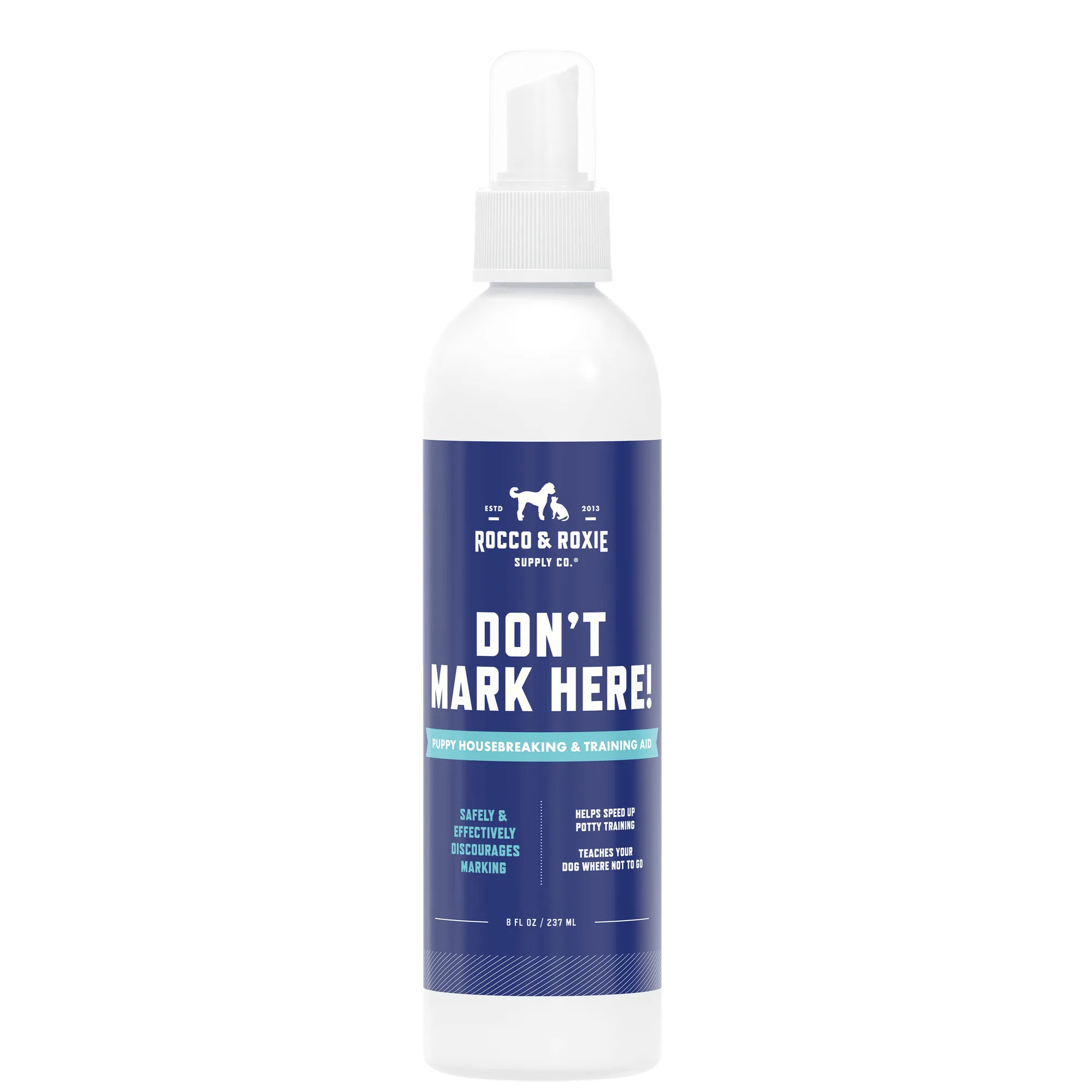
- Don’t Mark Here!: Don't Mark Here! safely discourages peeing and marking and is safe to use on any surface in your house. If the chewing happens alongside indoor marking during house training, this addresses the marking side of the problem on surfaces where you cannot easily move the target.