Quick answer
Most bed chewing is not a bed problem, so replace the bed last. First work out the pattern: teething puppies and bored adolescents usually chew bedding, while anxious dogs often dig and chew at the same corner. Fix the cause with more appropriate chewing outlets, more physical and mental exercise, and a calmer sleeping spot. Only if the behavior continues after that should you choose a bed with a tougher, replaceable cover.
Read the damage before you buy anything
The shape of the damage tells you more than the price tag of a new bed. A single shredded corner, fluff pulled through a seam, or a chewed zipper usually points to a dog that was left alone with nothing else to chew. A bed that is flattened, scratched, and damp in one spot often means the dog is digging and circling before settling, which is closer to a comfort or anxiety issue than a chewing habit.
Note the time of day it happens. If the damage appears overnight, your dog may be awake, unsettled, and bored while you sleep. If it happens in the first hour after you leave, it is more likely to be separation-related. If it happens when the household is busy and noisy, it is often simple under-stimulation. Write down the pattern for three or four days; that record decides which fix below you actually need.
Give the dog something legal to destroy
A dog that chews the bed is usually a dog that wants to chew. Removing the bed without adding a better target just moves the behavior to the couch or the baseboards. Offer one or two chew items that are clearly different from bedding in texture and shape, such as a firm rubber chew or a stuffed food toy, and rotate them so they stay interesting.
Place the chew outlet right next to the bed rather than across the room. You want the dog to make the choice in the moment, not to remember a toy that is out of sight. If your dog ignores the chew and goes back to the bed, the chew is too easy or too familiar, and the next section is the one to work on.
Fix the exercise and settling routine
Chewing is often the last thing a dog does before it settles, so a dog that cannot settle will chew. Add a real walk or a training session earlier in the day, then build a short wind-down routine before bed: toilet break, a calm chew, dim light, and the same sleeping spot every night. Predictable endings reduce the restless chewing that looks like destruction.
If the chewing is concentrated in the first minutes after you leave, practice short absences. Step out for one minute, return before the dog gets worked up, and build up gradually. This is slow work, but it targets the cause instead of the symptom, and it is the step most owners skip.
Protect the bed while you train
You do not have to choose between training and a usable bed. Put an older blanket or a washable cover over the bed during the training period so the damage lands on something replaceable. If the bed has a removable cover, wash it separately and check the seams for weak points that invite pulling.
Keep the bed in a spot where you can see it, and close the door to rooms where the dog is unsupervised. A bed that is only available when someone is nearby is much easier to keep intact while the chewing habit fades.
When a tougher bed is the right answer
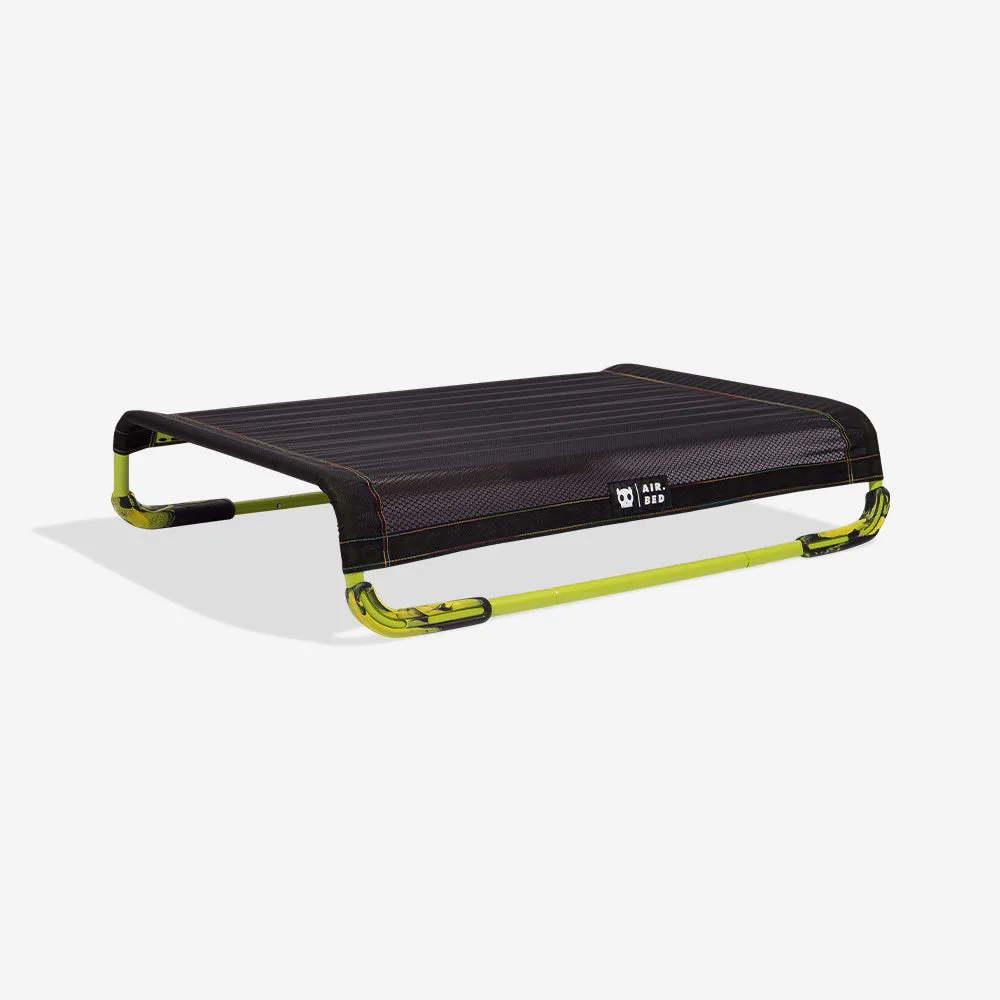
If you have addressed exercise, chewing outlets, and settling, and the dog still targets the bed, choose a bed with a durable outer layer and a replaceable cover rather than a cheap bed you will rebuy every month. Look for a tight, abrasion-resistant outer fabric and a cover you can remove and wash, because the cover is the part that takes the damage.
Be honest about what a tougher bed can and cannot do. No fabric is chew-proof, and a determined chewer will eventually get through most covers. A durable bed buys you time and protects the filling; it does not replace supervision and training. If your dog is swallowing fabric or foam, treat it as a safety problem and remove the bed entirely until you have spoken to your vet.
Diagnose the chewing before you replace the bed
- Symptom: one corner or seam destroyed: Typically a puppy or adolescent with a strong chew drive and not enough legal chewing outlets. Add a firm chew and a stuffed food toy next to the bed, and rotate them daily. Recheck in a week.
- Symptom: bed flattened, scratched, and chewed at night: Usually a settling or anxiety pattern rather than a chewing habit, often worse when the dog is left alone or the routine is unpredictable. Build a consistent wind-down routine and practice short absences. If the dog is injuring itself or the behavior escalates, stop and consult your vet or a qualified behavior professional.
- Symptom: chewing continues after exercise and chew outlets are in place: The bed itself is now the target, so choose a bed with a durable outer layer and a removable, washable cover, and keep it supervised. If the dog is swallowing fabric or foam, remove the bed and get veterinary advice before buying anything else.
Products worth knowing about
- Gotham | FlyHarness: The gotham-294832">gotham-294403">Gotham FlyHarness is Zee.Dog's ultra-lightweight, durable harness with a 3D knitted external layer used in sports sneakers and a breathable bottom mesh layer, and it goes on with one easy click. If your dog chews the bed because it is restless and under-exercised, a harness that is quick to put on makes it easier to get out for the walk that actually reduces the chewing.
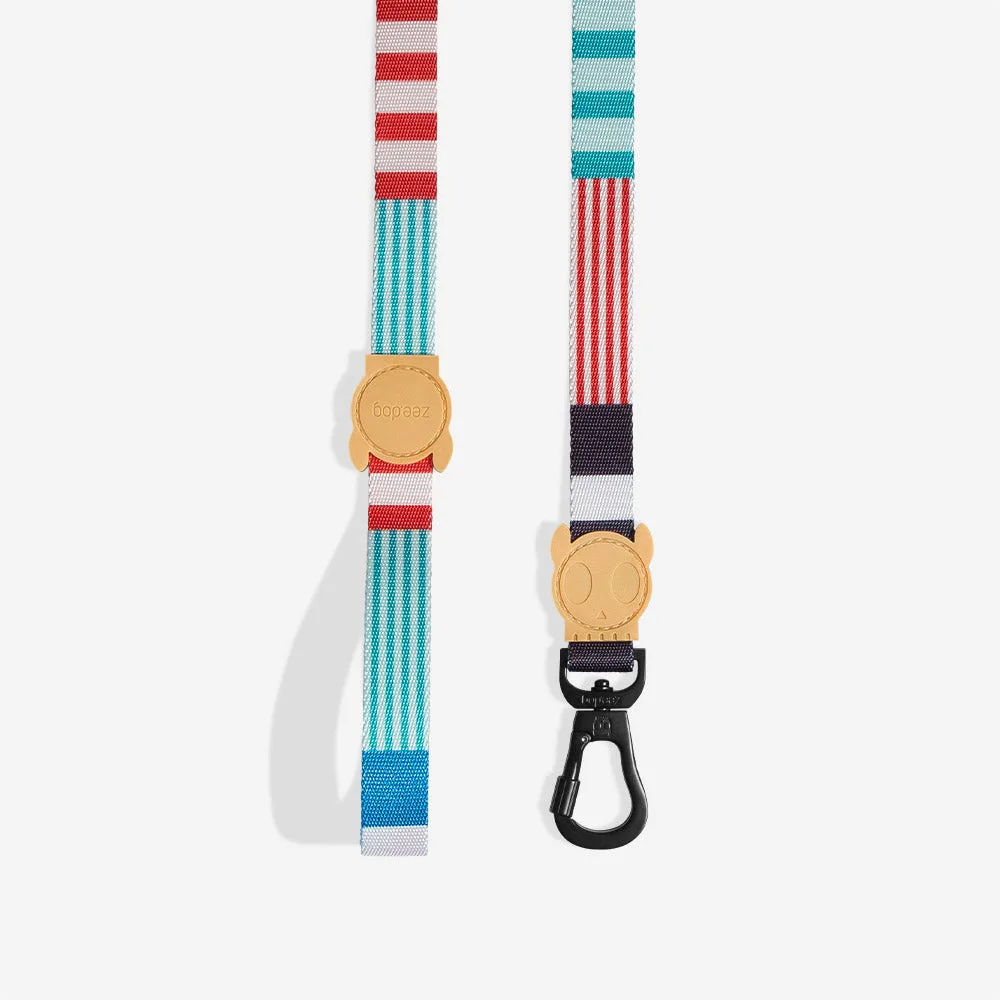
- H3D Jelly | Ruff Leash 2.0: The H3D Jelly Ruff Leash 2.0 is a shock-absorbing leash with a spring designed to absorb the impact of pulling, a soft cushioned neoprene handle, and a screw-lock super hook. A calmer, less jerky walk is easier to repeat daily, which supports the exercise routine that addresses the root cause of most bed chewing.
Start with the cheapest change: one more walk, one better chew toy, and a predictable bedtime. Give it a week, then decide whether you need a tougher bed or professional help.